Choo-choo into the mountains! It is time to embark on an unforgettable adventure through the stunning landscapes of Tibet. Get ready to hop on the Tibet Train Tour and experience a journey like no other. This train tour is a unique opportunity to discover the beauty of Tibet’s nature from a completely different perspective.

All Aboard the Tibet Train Tour!
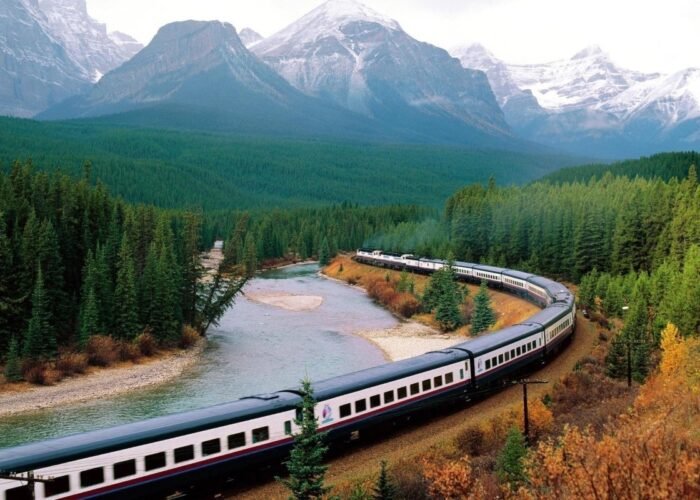
The Tibet Train Tour is a must-do if you’re visiting Tibet. The journey starts in Lhasa, the capital city of Tibet, and takes you on a scenic voyage through the Qinghai-Tibet plateau, passing through breathtaking landscapes, mountains, and countless tunnels. The train is equipped with modern amenities, comfortable seating, and large windows that offer a panoramic view of the surroundings. The train also has oxygen supply facilities which come in handy when you pass through high-altitude areas.
What makes the Tibet Train Tour so special is the opportunity to meet and interact with the local people along the way. The train stops at several stations, where you can explore the beautiful Tibetan towns and villages, interact with the locals, and indulge in some authentic Tibetan cuisine. The train journey also provides a great opportunity to learn about the culture and traditions of the Tibetan people.
The Itinerary: From the Rails to the Clouds
A typical train-based Tibet journey lasts 6 to 8 days, beginning in Xining and ending at the Himalayan plateau.
| Day | Destination | Activity |
|---|---|---|
| 1–2 | Sky Road Journey | Board in Xining; cross the Tanggula Mountains; arrive in Lhasa |
| 3–4 | Lhasa | Visit Potala Palace, Jokhang Temple, and Sera Monastery |
| 5 | Central Tibet | Drive to Yamdrok Lake and view the Karola Glacier |
| 6–7 | Everest Base Camp | Visit Tashilhunpo Monastery in Shigatse, then continue to Mount Everest Base Camp |
| 8 | Departure | Return to Lhasa or travel to Gyirong Port for Nepal |
The Route: Highlights of the Sky Road
While trains depart from cities like Beijing and Shanghai, the most scenic section begins in Xining (2,271m). Over 21–22 hours, the landscape shifts dramatically from rolling grasslands to frozen tundra and high-altitude wilderness.
Qinghai Lake: Shortly after departure, the train runs alongside Qinghai Lake. During summer, its deep blue waters contrast beautifully with fields of yellow rapeseed flowers.
Hoh Xil Nature Reserve: This remote and protected region is home to rare wildlife, including the Tibetan antelope (chiru). You may also spot wild yaks and kiang grazing beneath the towering Kunlun Mountains.
Tanggula Pass (5,072m): The highest point of the journey, where the train crosses into extreme altitude. Despite the thin air, onboard oxygen systems maintain passenger comfort.
Cona Lake: At 4,800 meters, this serene lake lies right beside the railway. Its still waters reflect the vast plateau sky, creating one of the most photogenic moments of the trip.
Life on the Train
Modern trains on the Qinghai–Tibet Railway are specially designed to handle the extreme conditions of high-altitude travel.
Accommodation Options
- Soft Sleeper: Four berths in a private, lockable compartment. Ideal for comfort and privacy.
- Hard Sleeper: Six berths in an open-plan section. Less private but perfect for meeting other travelers and locals.
Dining Car
The onboard dining car serves simple and hearty meals, including Chinese and Tibetan dishes such as yak meat noodles and stir-fried vegetables.
Altitude Management
To help passengers adapt to the ارتفاع of the plateau, the train uses two oxygen systems:
- Dispersion System: Adds oxygen into the cabin air after passing Golmud.
- Individual Outlets: Available at every seat and berth for personal use if needed.
Get Ready to Ride the Rails into the Stunning Mountain Scenery!
The Tibet Train Tour is a visual feast for the eyes. The scenery on this journey is unparalleled, with towering mountains, vast grasslands, sparkling lakes, and deep valleys. The train passes through several high-altitude mountain passes, including the Tanggula Pass, which is the highest point of the journey and offers a stunning view of the surrounding mountains. The train also crosses the Yangtze River and the Yellow River, two of the most significant rivers in China.
During the journey, you will also get to witness the diverse wildlife that inhabits the region, such as yaks, Tibetan antelope, and wild asses. The train journey takes about 22 hours, and you can either choose to travel during the day or at night. Both options offer a unique perspective of the landscapes, so it is worth considering both.
The Tibet Train Tour is a once-in-a-lifetime experience that you should not miss. It is a unique opportunity to discover the beauty, culture, and people of Tibet. So, pack your bags, hop on board, and get ready to be amazed by the stunning mountain scenery!
Essential Travel Regulations (2026)
Travel to Tibet requires careful preparation and official permits.
- Tibet Travel Permit (TTP): Independent travel is not allowed. You must book through a licensed agency, which will arrange your permit. A copy is required to board the train.
- Group Visa (Nepal Entry): Travelers entering Tibet from Nepal need a Chinese Group Visa issued in Kathmandu, even if they already have a Chinese tourist visa.
- Acclimatization: Although the train helps gradual adjustment, it is essential to rest during your first 24 hours in Lhasa. Avoid alcohol and showers on arrival night to help your body adapt to the altitude.