Tibetan people
Tibetan Customs
Major Festivals in Tibet
Tibetan Language
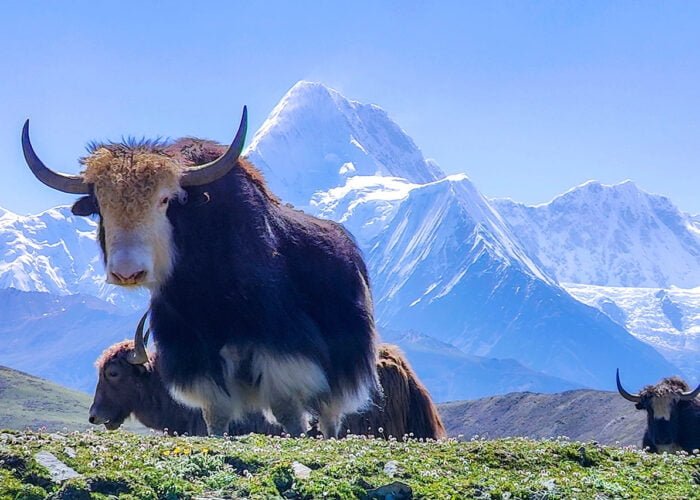
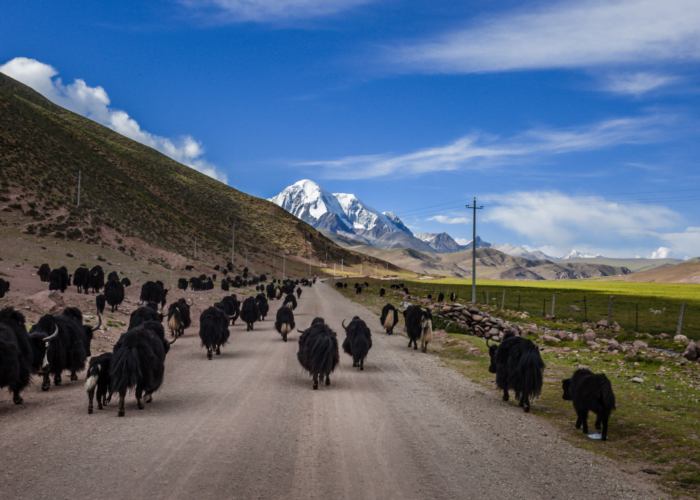
Tibet is one of the world’s last great wildernesses. Covering vast alpine grasslands, snow-capped mountains, glaciers, wetlands, and high-altitude deserts, Tibet supports one of the richest ecosystems on Earth. Often called the “Third Pole”, the Tibetan Plateau is home to hundreds of rare and endemic species that have adapted to survive at elevations exceeding 4,000 meters (13,100 feet).
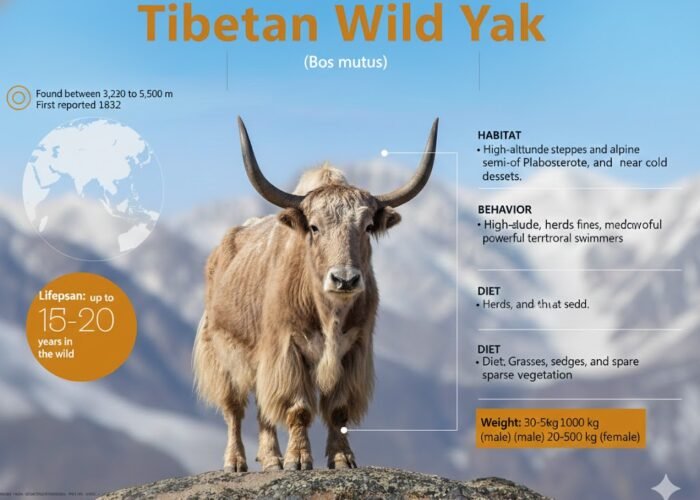
Today, Tibet is recognized as one of Asia’s most important wildlife destinations. Thanks to decades of conservation efforts, populations of many endangered species—including the Tibetan antelope, wild yak, and Tibetan red deer—have recovered significantly. Recent biodiversity surveys also recorded the continued growth of wildlife populations and even the discovery of new species, such as the white-cheeked macaque, highlighting Tibet’s extraordinary ecological importance.
Whether you’re a wildlife photographer, nature enthusiast, or traveler exploring the Roof of the World, Tibet offers unforgettable opportunities to witness some of the planet’s rarest animals in their natural habitat.
One of Tibet’s most exciting wildlife discoveries is the White-cheeked Macaque (Macaca leucogenys), first identified in 2015 (following field studies that began in 2012) in the remote forests of Medog County, southeastern Tibet.
This remarkable primate is considered one of the newest monkey species discovered anywhere in the world. Very little is still known about its population size or behavior because it inhabits dense subtropical forests near the eastern Himalayas.
The discovery demonstrates that Tibet continues to reveal previously unknown wildlife and remains one of Asia’s most biologically important regions.
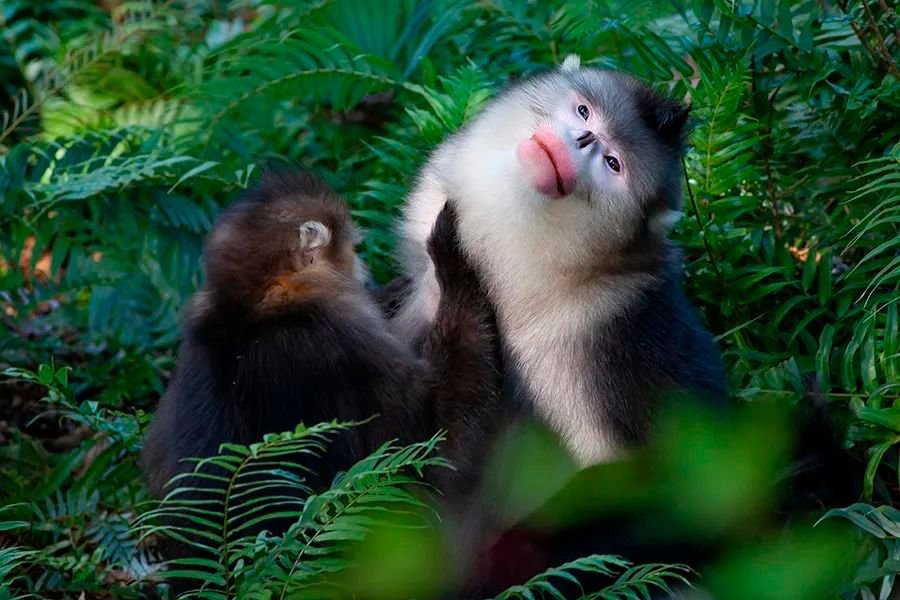
Conservation efforts have also benefited the endangered Yunnan snub-nosed monkey in Gonglashan Nature Reserve in Mangkam County. During the 1990s, only around 50 individuals were recorded. Today, researchers estimate the population has increased to more than 700, making it one of Tibet’s major wildlife conservation success stories.
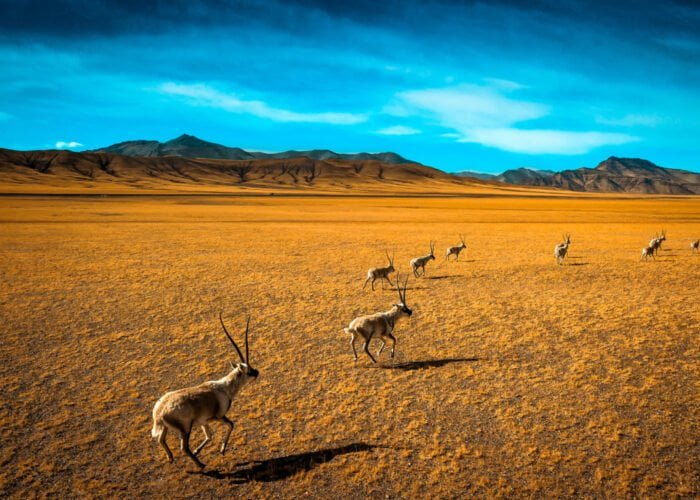
The Tibetan Antelope is one of the world’s most famous high-altitude mammals and a symbol of Tibet’s conservation efforts.
Native to the Qinghai-Tibet Plateau, the population once exceeded 200,000 animals before illegal hunting for the valuable shahtoosh wool reduced numbers to only 50,000–70,000 by the late 1990s.
Today, strict wildlife protection laws and expanded nature reserves have helped the population recover to over 200,000, making it one of Asia’s greatest wildlife conservation successes.
Each spring, female antelopes undertake spectacular long-distance migrations to traditional calving grounds across northern Tibet.
The White-lipped Deer, sometimes called the Rock Deer, is one of the largest deer species living on the Tibetan Plateau.
Native to Qinghai, Gansu, western Sichuan, and eastern Tibet, it inhabits alpine meadows and cold grasslands at elevations between 3,500 and 5,000 meters (11,500–16,400 ft).
The global population is estimated at around 7,000 animals, with approximately 1,000 living in Tibet. Protected areas across eastern Tibet have helped stabilize this unique high-altitude deer.
Another remarkable conservation achievement is the recovery of the Tibetan Red Deer in Riwoche (Leiwuqi) Nature Reserve.
Only around 70 animals remained several decades ago. Thanks to habitat protection and anti-poaching measures, the population has now grown to more than 900 individuals, making it one of China’s great wildlife recovery stories.
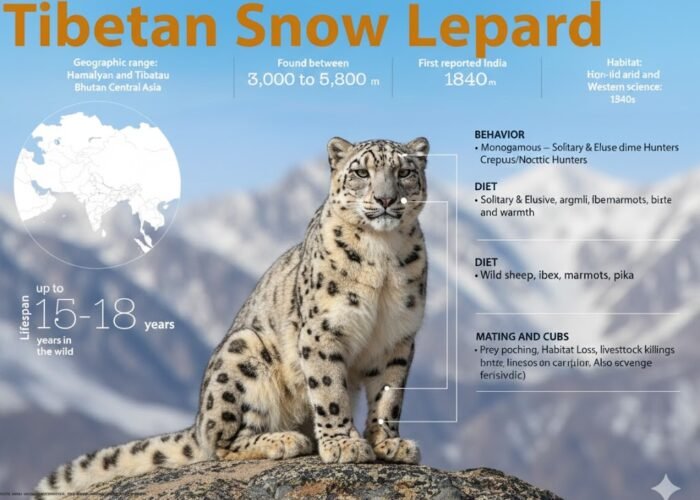
The Snow Leopard is one of the world’s most elusive big cats.
Living among cliffs and rocky mountains between 3,000 and 6,000 meters, this magnificent predator hunts blue sheep, Himalayan marmots, and wild goats.
Scientists estimate the global population at 4,800–6,500 adult snow leopards, with approximately 1,250 living in Tibet, making the Tibetan Plateau one of its most important habitats.
Although sightings remain rare, camera traps regularly record snow leopards in the Mount Everest, Qiangtang, and Himalayan mountain ranges.
The Black-necked Crane (Grus nigricollis) is one of Tibet’s most treasured birds and a global symbol of high-altitude wetland conservation. As the only crane species in the world that breeds exclusively on alpine plateaus, it relies on the pristine wetlands of the Tibetan Plateau for nesting, feeding, and migration.
The Black-necked Crane holds deep cultural and spiritual significance in Tibetan Buddhism. It is regarded as a symbol of peace, longevity, purity, and good fortune. Local communities have traditionally protected these graceful birds, and many Tibetan legends and folk songs celebrate their annual return to the plateau.
This strong cultural respect has complemented modern conservation efforts, creating a unique partnership between local traditions and wildlife protection.
Black-necked Crane populations declined during the 20th century because of habitat loss and human disturbance. Through strict legal protection, wetland restoration, scientific monitoring, and the establishment of nature reserves, their numbers have recovered from around 3,000 birds in the mid-1990s to approximately 7,000–8,000 today, making Tibet the species’ most important stronghold.
Key protected habitats include the Yarlung Tsangpo Black-necked Crane National Nature Reserve, Lhunzhub and Damxung wetlands, Namtso Lake, and wetlands across Nagqu and Shigatse. Ongoing conservation efforts focus on protecting wetlands, preventing hunting, monitoring populations, and working with local communities to safeguard the cranes and their habitat.
Birdwatchers may also encounter:
These birds are perfectly adapted to Tibet’s extreme environment and are vital to maintaining ecological balance.
The Kiang (Tibetan Wild Ass) is the world’s largest species of wild ass and is found almost exclusively on the Tibetan Plateau. It is one of the most iconic animals of Tibet’s vast grasslands.
Kiangs inhabit alpine meadows and open steppes at elevations between 2,700 and 5,300 meters (8,900–17,400 feet). They are well adapted to the harsh environment, feeding mainly on hardy grasses and shrubs.
Today, the Kiang population is estimated at more than 100,000 individuals, making it one of the most abundant and successful large mammals on the Tibetan Plateau.
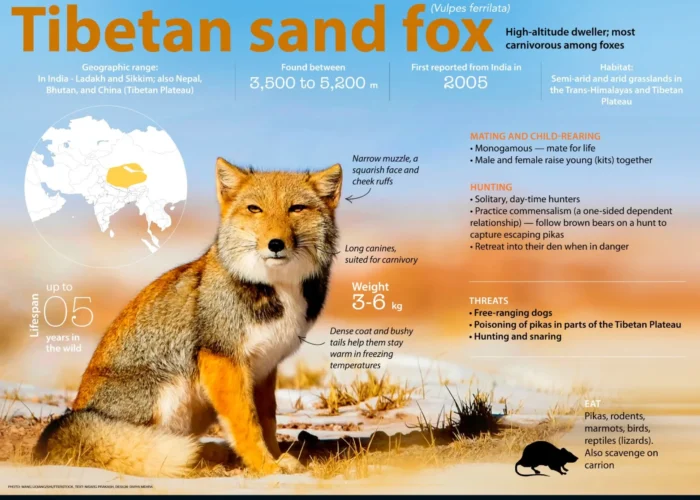
Perhaps Tibet’s most recognizable animal on social media, the Tibetan fox is famous for its unusually square-shaped face and calm expression. It primarily feeds on plateau pikas, helping maintain healthy grassland ecosystems. Tibetan Gazelle Often called the “little antelope,” this graceful animal is distinguished by a heart-shaped white patch on its rump and can sprint at speeds approaching 80 km/h (50 mph).
One of the easiest animals for travelers to spot, Himalayan marmots live in large colonies across Tibet’s grasslands. They hibernate through the long winter and play an essential role in the plateau’s ecosystem.
The Tibetan Red Deer is one of Tibet’s greatest conservation success stories. Native to Leiwuqi County in eastern Tibet, the species was once believed extinct in the wild. Through habitat restoration and protection programs, the population has recovered to more than 8,000 animals. Other Mammals
Tibet has established one of China’s largest protected-area systems to safeguard its fragile ecosystems.
Together, these protected areas safeguard 141 nationally protected wildlife species, 38 protected plant species, 196 indigenous animal species, and 855 native plant species, while preserving Tibet’s unique alpine grasslands, forests, wetlands, rivers, and glaciers.