Tibetan people
Tibetan Customs
Major Festivals in Tibet
Tibetan Language
Taking the train to Lhasa has become a legendary way to enter Tibet, blending romance, adventure, and breathtaking views. It offers unique chance to experience the unmatched beauty and profound culture of Tibet. Traveling by rail not only provides unparalleled scenic views but also allows you to acclimate gradually to the high altitude. With so many routes available, finding the best one for spectacular scenery can be tricky.
In this guide, you’ll find everything you need to know about choosing the right train, must-see sights along the way, and practical travel tips for an unforgettable train journey to the “Roof of the World.”
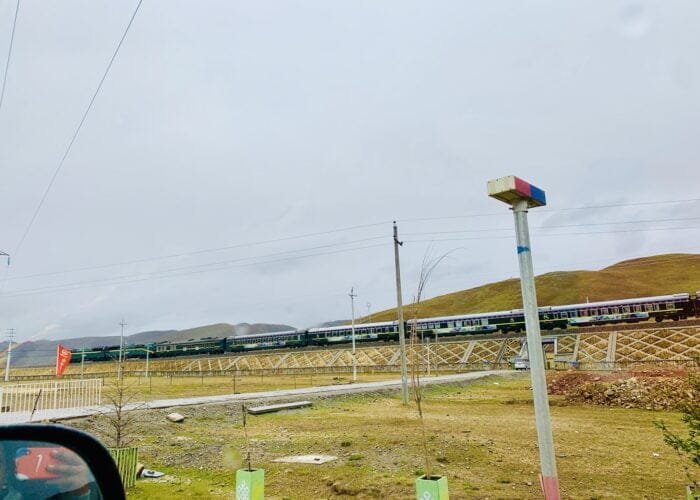
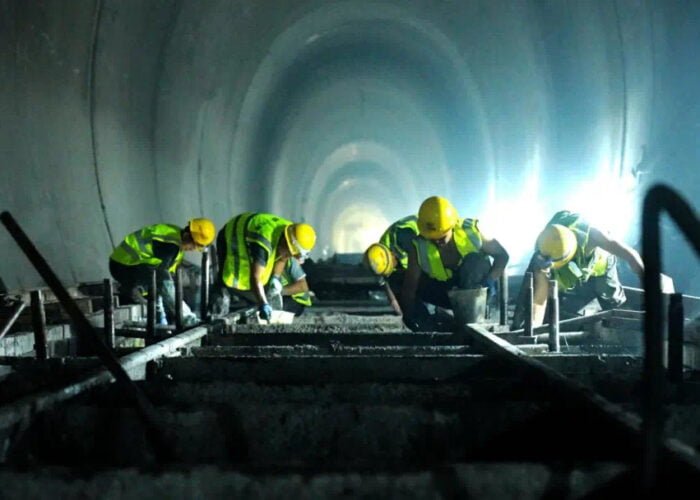
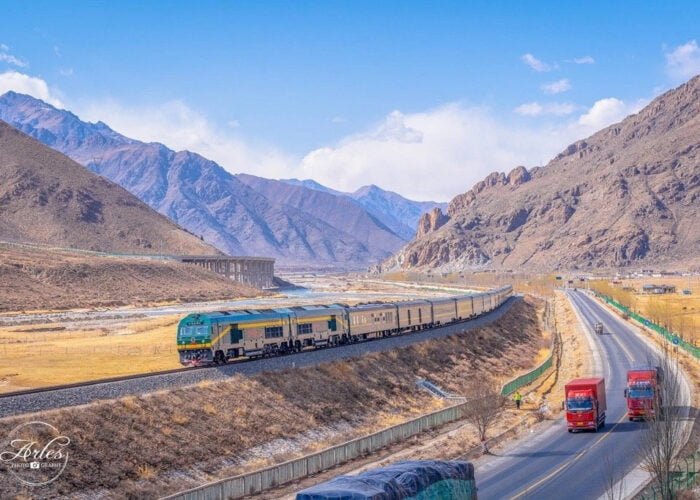
The Qinghai-Tibet Railway is the highest railway in the world, stretching from Xining in Qinghai Province to Lhasa in Tibet, covering a total of 1,956 kilometers. The construction of this marvel took nearly half a century, starting in 1958 and reaching completion in 2006. Building this “Sky Road” required the dedication of generations, and it stands as an engineering miracle that connects Tibet with mainland China.
The railway has broken multiple records, including being the world’s highest plateau railway and the longest railway across permafrost. Rising to an altitude of 5,072 meters at its peak, it is a testament to human ingenuity and perseverance. The opening of the Qinghai-Tibet Railway has greatly boosted Tibet’s economy and tourism, offering a lifeline to the region and fulfilling the dreams of countless travelers.
Tibet’s rail network conveniently connects to several major cities across China, making it accessible to travelers from diverse locations. Direct trains to Lhasa are available from major hubs like:
Each route offers its own unique landscapes, from bustling metropolises and fertile lowlands to arid deserts and sweeping mountain vistas, culminating in the unmatched beauty of Tibet. All trains from Beijing, Shanghai, Guangzhou, Chongqing, and Chengdu transfer to an oxygen-supplied train after reaching Xining, providing an extra level of comfort for high-altitude travel. The journey officially begins on the Qinghai-Tibet Railway from Xining, a critical link that has made Lhasa more accessible and facilitated cultural exchange between Tibet and mainland China.
Direct Trains to Lhasa from China’s Major Cities
| Train Route | Train Number | Distance to Lhasa (km) | Notes |
|---|---|---|---|
| Beijing West to Lhasa | Z21 | 3,756 | Transfers to oxygen-supplied train at Xining for high-altitude comfort. |
| Guangzhou to Lhasa | Z265 | 4,980 | Longest route to Lhasa; transfers to oxygen-supplied train at Xining. |
| Shanghai to Lhasa | Z164 | 4,373 | Transfers to oxygen-supplied train at Xining for the high-altitude portion of the journey. |
| Chongqing to Lhasa | Z223 | 3,654 | Transfers to oxygen-supplied train at Xining, providing comfort for high-altitude travel. |
| Chengdu to Lhasa | Z322 | 3,360 | Oxygen-supplied train transfer at Xining; shorter route compared to other eastern cities. |
| Xining to Lhasa | Z6801, Z6811, Y971 | 1,956 | Shortest direct route; follows the entire Qinghai-Tibet Railway, showcasing more scenic views. |
All routes connect to the Qinghai-Tibet Railway starting in Xining, a crucial line that has enhanced accessibility to Lhasa and strengthened cultural ties between Tibet and mainland China.
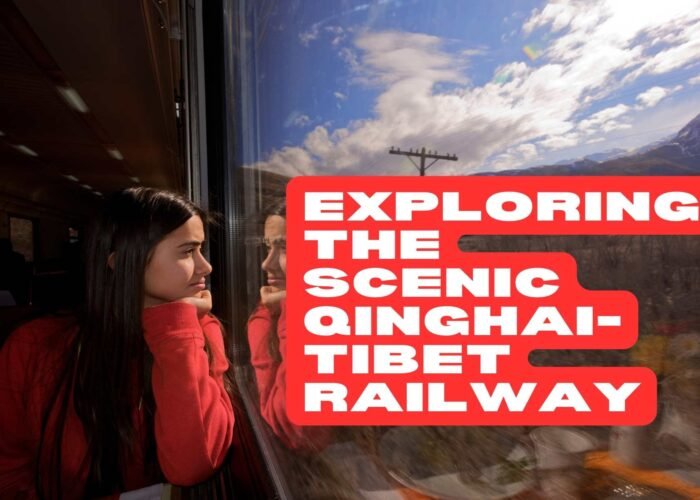
Traveling to Tibet by train offers a unique experience of both comfort and immersion into the high-altitude environment. Train cabins are equipped with oxygen systems to help passengers adjust to the lower oxygen levels, ensuring a smooth journey. Additionally, large windows provide panoramic views of the natural wonders of the plateau, while onboard dining cars serve regional cuisine to add a taste of local flavor.
Witness the Plateau’s Stunning Landscapes from Your Seat
To enjoy the best possible scenery, choosing the right train departure city is key. Here’s what to expect from each route:
| Train Route | Scenic Views | Missed Views |
|---|---|---|
| Beijing to Lhasa | Qinghai Lake, Co Na Lake, Qiangtang Grasslands, Yangbajain, Lhasa River | Kunlun Mountains, Hoh Xil, Tanggula Pass |
| Shanghai to Lhasa | Kunlun Mountains, Hoh Xil, Tuotuo River, Tanggula Pass, Co Na Lake, Qiangtang Grasslands, Yangbajain, Lhasa River | Qinghai Lake |
| Guangzhou to Lhasa | Tuotuo River, Tanggula Pass, Co Na Lake, Qiangtang Grasslands, Yangbajain, Lhasa River | Qinghai Lake, Kunlun Mountains, Hoh Xil |
| Chengdu Chongqing to Lhasa | Qinghai Lake, Co Na Lake, Qiangtang Grasslands, Yangbajain, Lhasa River | Kunlun Mountains, Hoh Xil, Tuotuo River, Tanggula Pass |
| Xining to Lhasa | Qinghai Lake, Kunlun Mountains, Hoh Xil, Tuotuo River, Tanggula Pass, Co Na Lake, Qiangtang Grasslands, Yangbajain, Lhasa River | None (most comprehensive route) |
Planning a train journey to Tibet requires a few extra considerations to ensure a seamless adventure. Here are essential tips to prepare for this unforgettable journey:
The train journey to Tibet isn’t just a mode of transportation—it’s a once-in-a-lifetime adventure. From the comfort of your seat, you’ll witness natural wonders and be part of a journey that connects dreams, hopes, and cultures.
A train journey to Tibet offers an experience of adventure, beauty, and cultural immersion that is unparalleled. It’s a travel choice that combines comfort with the thrill of exploring one of the most remote regions on Earth. From the panoramic views of the Tibetan Plateau to the gradual altitude adjustment that the train provides, every aspect of this journey makes it a memorable adventure.
Choosing to travel to Tibet by train allows you to not only see but truly feel the spirit of this extraordinary land. Let the breathtaking views, rich culture, and engineering marvels inspire your journey to the “Roof of the World.”

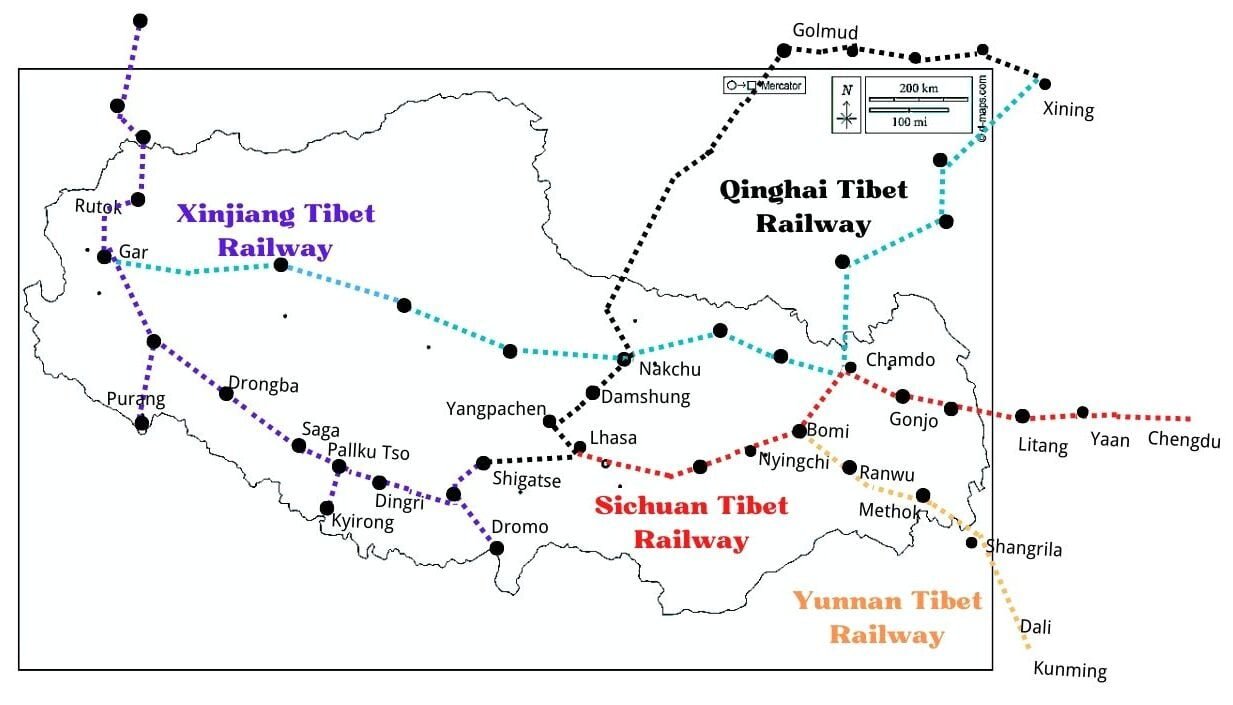
As Tibet becomes more accessible through ambitious railway expansions, travelers can look forward to an enriched journey across this extraordinary land. These upcoming train routes not only connect Tibet to other regions in China and beyond but also offer a seamless way to explore its spiritual heart, striking landscapes, and cultural treasures. Here’s a look at the exciting future of Tibet’s rail connections, bringing the charm of this remote region closer to more people than ever.
As part of China’s ongoing infrastructure projects, new railway extensions are underway to make Tibet more accessible than ever. Planned routes will connect Lhasa to neighboring regions and enhance travel options for visitors seeking more flexibility. This expansion promises to make Tibet’s awe-inspiring destinations even more reachable and provide greater cultural exchange between Tibet and the world.
Connecting Chengdu and Lhasa: A Cultural and Scenic Marvel
The highly anticipated Sichuan-Tibet Railway links Chengdu, Sichuan’s bustling capital known for its vibrant culture and famous panda reserves, with Lhasa, the heart of Tibetan Buddhism. Travelers along this route experience a fascinating transition from the lush landscapes of Sichuan to the ethereal beauty of the Tibetan Plateau. With each passing mile, this railway will present a unique blend of Sichuan’s charm and Tibet’s mystique, ideal for those eager to experience the diversity of both regions.
Connecting Kunming to Lhasa: A New Scenic Adventure
Currently under construction, the Yunnan-Tibet Railway promises to connect Kunming, the dynamic capital of Yunnan, directly to Lhasa. This new rail line is designed to enhance accessibility from southern China to Tibet, making the journey simpler and adding even more scenic value. Travelers can expect a breathtaking ride through Yunnan’s stunning landscapes, including mountainous terrains, valleys, and rivers. Once completed, the Yunnan-Tibet route will be a favored path for nature lovers and cultural explorers alike, opening new doors to Tibet’s wonders.
A Visionary Project Connecting Kathmandu to Lhasa
Imagine crossing the Himalayan border by train! The proposed Nepal-Tibet Railway aims to extend the Qinghai-Tibet Railway to Kathmandu, creating a seamless link between Tibet and Nepal. Although still in the planning phase, this visionary project has the potential to revolutionize travel between these two Himalayan neighbors. The route promises spectacular views of the mountains and a shared cultural journey, making it easier for travelers to experience the spiritual richness of both regions.
Exploring Tibet’s Wonders by Train
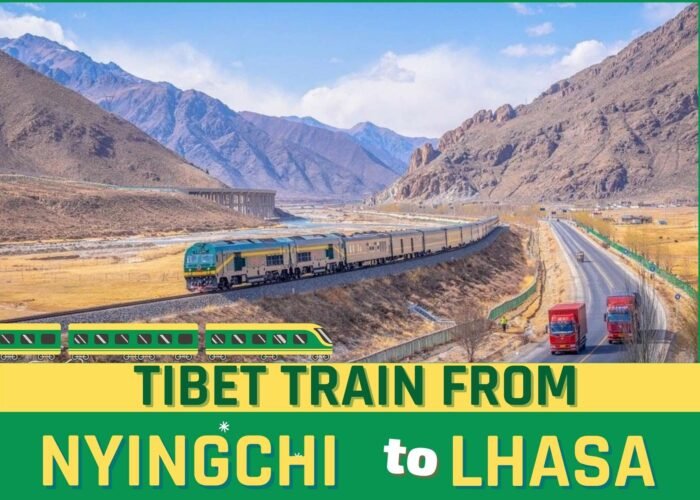
In addition to international and inter-regional connections, Tibet’s own inter-city railways are making it easier than ever to explore the region’s cultural and natural landmarks. The Nyingchi-Shannan-Shigatse-Lhasa rail network brings Tibet’s historical and scenic treasures within easy reach, creating a convenient path between major Tibetan cities. From the forests of Nyingchi and the religious significance of Shannan to the historical sites of Shigatse, this inter-city railway offers a comprehensive way to experience Tibet’s landscapes and heritage.
Specialized Design and Specifications for the Tibetan Plateau
The engineering behind Tibet’s railways is nothing short of remarkable, as trains here must withstand extreme altitudes and harsh weather. The Qinghai-Tibet Railway utilizes the ITCS (Integrated Train Control System) for enhanced safety, featuring automatic block and speed control systems. This control network is reinforced by a wireless backup system, ensuring smooth operations. Tibet trains, especially those on the Qinghai-Tibet line, are equipped with oxygen supplies to help passengers acclimate to the high-altitude environment, making the journey both safe and comfortable. With 78 specially designed locomotives and a central control center, the infrastructure supporting these railways is built to endure the plateau’s challenges.
Witness Tibet’s Natural Splendor and Cultural Riches from Your Train Seat
With each new train route, Tibet invites more explorers to discover its mystical beauty and rich cultural tapestry. Whether traversing the world’s highest railway or embarking on one of the new scenic paths, a train journey to Tibet is more than just transportation—it’s a memorable adventure in itself. From panoramic mountain vistas to spiritual landmarks, Tibet by train offers travelers an intimate connection with this enchanting region. Pack your bags and get ready to experience the allure of Tibet from the comfort and ease of a scenic train journey.
Exploring Tibet by train opens the door to an unforgettable experience, bringing you close to the heart of this land steeped in natural wonder and cultural depth.