Discover the Mystical Wonders of Tibet: A Complete Guide
High above sea level, where mountains touch the sky and faith shapes everyday life, Tibet stands as one of the most extraordinary destinations on Earth. Known as the “Roof of the World,” Tibet is not just a place to visit—it is a journey into a deeply spiritual and visually stunning realm that leaves a lasting impression on every traveler.
From sacred monasteries and ancient traditions to turquoise lakes and towering Himalayan peaks, Tibet offers an experience that blends culture, adventure, and inner reflection. This comprehensive guide explores everything you need to know to understand and travel Tibet in a meaningful way.
The Spiritual Gateway: Lhasa
Every journey into Tibet begins in Lhasa, the region’s capital and spiritual heart. Sitting at 3,650 meters, Lhasa is one of the highest cities in the world. Its name means “Place of the Gods,” and the atmosphere reflects that meaning in every corner.
Walking through Lhasa, you’ll notice a unique rhythm of life. Pilgrims move slowly along ancient streets, prayer wheels spin constantly, and the scent of incense drifts through the air. The city blends sacred tradition with daily life, making it the perfect introduction to Tibetan culture.
Potala Palace: A Symbol of Tibet
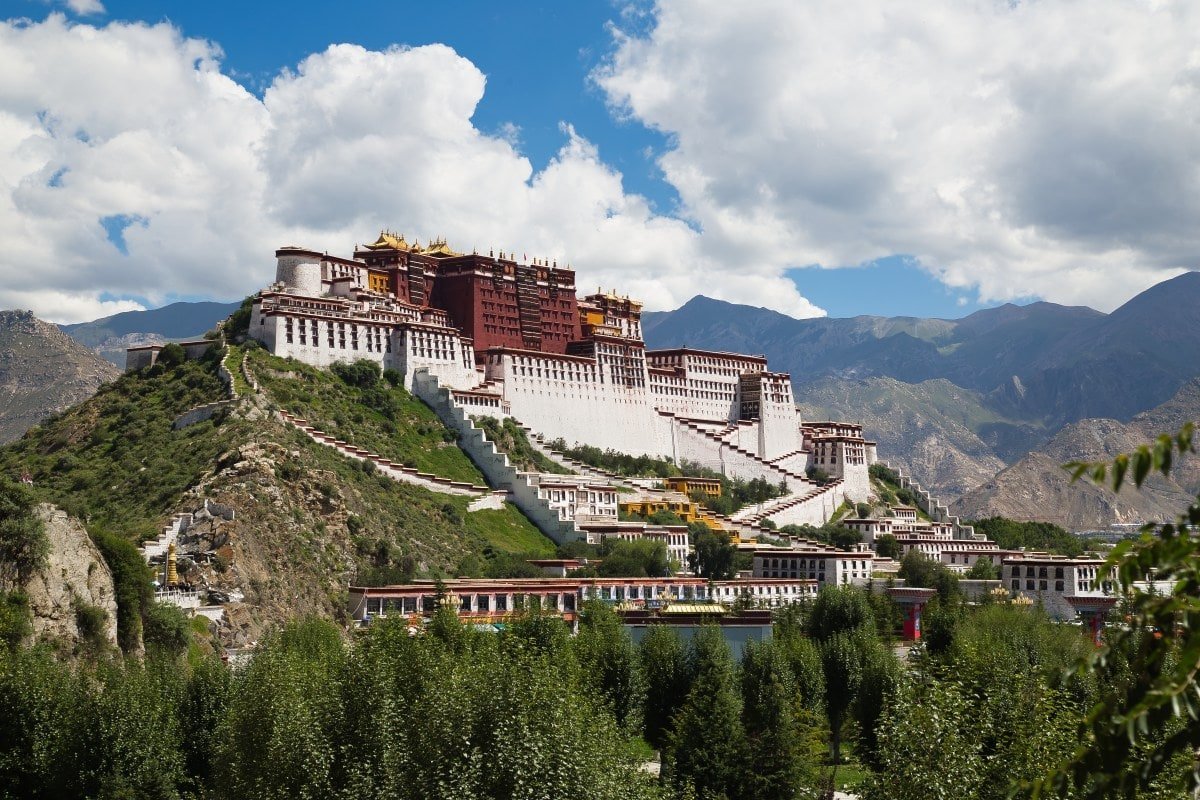
Towering above Lhasa on Red Hill, the Potala Palace is the most iconic landmark in Tibet. Once the winter residence of the Dalai Lamas, it represents both political and spiritual power.
The palace is divided into two main sections. The White Palace served administrative functions, while the Red Palace is dedicated to religious practice. Inside, visitors find a maze of halls, chapels, and corridors filled with ancient murals, sacred relics, and golden stupas.
Visiting the Potala Palace is not just sightseeing—it feels like stepping into history. The dim lighting, flickering butter lamps, and quiet atmosphere create a powerful sense of reverence.
Due to preservation efforts, entry is limited each day. Booking in advance is essential for anyone planning to visit.
Jokhang Temple and Barkhor Street: The Living Heart of Faith
While the Potala Palace represents Tibet to the outside world, the true spiritual center lies in the Jokhang Temple. Built in the 7th century, it houses the revered Jowo Rinpoche statue, one of the most sacred objects in Tibetan Buddhism.
The temple is always alive with activity. Pilgrims from across Tibet gather here, many having traveled long distances on foot. Some perform full-body prostrations as a sign of devotion, creating a powerful and emotional atmosphere.
Surrounding the temple is Barkhor Street, a bustling marketplace and sacred pilgrimage circuit. Walking clockwise around the temple is both a religious ritual and a cultural experience. Along the way, visitors can observe daily Tibetan life while browsing traditional crafts, prayer beads, and handmade jewelry.
Monasteries: Centers of Knowledge and Tradition
Tibet’s monasteries are more than architectural wonders—they are living institutions where Buddhist philosophy, debate, and meditation continue to thrive.
At Sera Monastery, visitors can witness one of the most unique traditions: monk debates. Held in the afternoon, these debates involve expressive gestures, clapping, and intense discussion. It is both intellectual and theatrical, offering insight into Tibetan Buddhist education.
Not far away, Drepung Monastery sits on a hillside like a white cascade of buildings. Once home to over 10,000 monks, it was the largest monastery in the world. Walking through its halls provides a glimpse into centuries of monastic life.
Further from Lhasa lies Samye Monastery, the first monastery ever built in Tibet. Designed in the shape of a mandala, it symbolizes the Buddhist universe. Samye marks a turning point in Tibetan history, when Buddhism became firmly established in the region.
Exploring Tibetan Spirituality
Buddha’s Teachings Echo
In the serene Jokhang Temple, butter lamps flicker softly, casting gentle shadows on the faces of pilgrims. Here, the Jowo Rinpoche, a golden statue of compassion and wisdom, is venerated by those seeking spiritual solace.
Barkhor Street: A Whirl of Devotion
Around Barkhor Street, pilgrims perform the kora, a clockwise pilgrimage filled with faith and devotion. Prayer wheels spin, releasing mantras into the wind, while pilgrims tread the ancient stones with reverence and dedication.
Natural Beauty: Tibet’s Untouched Landscapes
Tibet’s landscapes are as powerful as its spiritual heritage. Vast, remote, and breathtaking, they define the experience of traveling across the plateau.
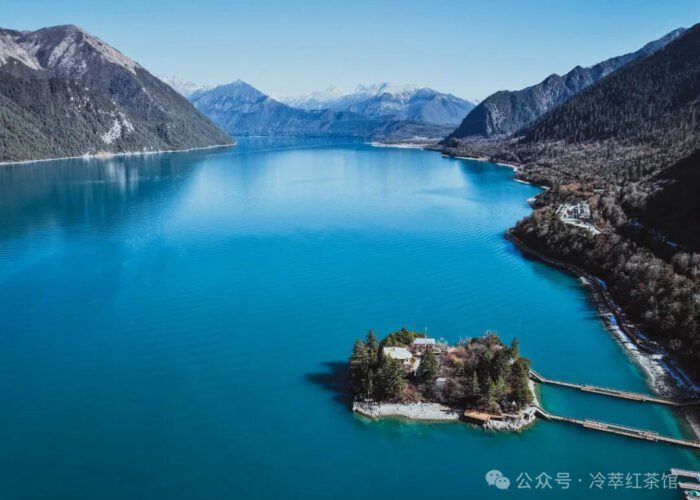
One of the most stunning sights is Yamdrok Lake. Its brilliant turquoise waters stretch across the mountains, creating a surreal contrast against the rugged terrain. The lake is considered sacred, and local beliefs tie its existence to the well-being of Tibet itself.
Another remarkable destination is Namtso Lake, known as the “Heavenly Lake.” At over 4,700 meters, it offers a sense of isolation and peace that few places on Earth can match. The reflection of surrounding mountains on its still waters creates unforgettable scenery.
Mount Kailash: The Sacred Pilgrimage
For many travelers, the journey to Mount Kailash is the ultimate spiritual experience. Revered by Buddhism, Hinduism, Jainism, and Bon, Mount Kailash is considered one of the most sacred mountains in the world.
Pilgrims undertake a 52-kilometer trek known as the kora, walking around the mountain as an act of devotion. It is believed that completing one circuit can cleanse a lifetime of sins.
Unlike other peaks in the Himalayas, Mount Kailash remains unclimbed, preserved out of respect for its spiritual significance.
Everest Base Camp: Standing at the World’s Highest Peak
A trip to Tibet is not complete without visiting Everest Base Camp, located on the northern slope of Mount Everest.
The journey itself is unforgettable, passing through high mountain passes and vast landscapes. Along the way, travelers can stop at Rongbuk Monastery, the highest monastery in the world.
At Everest Base Camp, the view of the north face of Mount Everest is both humbling and awe-inspiring. Sunrise and sunset paint the peak in golden light, creating one of the most iconic scenes in travel photography.
Exploring the Tibetan Plateau
The Tibetan Plateau is a vast, high-altitude region known for its stunning landscapes. Visitors can explore the Yamdrok Lake, one of the largest high-altitude lakes in the world, surrounded by snow-capped peaks. The Yarlung Tsangpo Grand Canyon, the longest and deepest canyon in the world, offers a breathtaking view of the river cutting through the towering cliffs.
Tibetan Culture and Daily Life: A Living Spiritual Tradition
Life in Tibet is shaped by a powerful combination of spirituality, tradition, and the demands of a high-altitude environment. Here, culture is not preserved in museums—it is lived every day. From monasteries filled with chanting monks to families sharing simple meals, Tibetan daily life reflects a deep connection between faith and survival.
Religion plays a central role in shaping behavior, values, and even routine activities. Prayer wheels spin in homes and streets, incense burns in the early morning, and acts of devotion are woven naturally into everyday life. This unique cultural rhythm is what makes Tibet not just a destination, but a meaningful experience.
Traditional Art: The Sacred Beauty of Thangka
Among Tibet’s most treasured cultural expressions is Thangka painting, a highly refined spiritual art form. These intricate scroll paintings depict Buddhist deities, mandalas, and symbolic scenes that guide meditation and reflection.
Each Thangka is created according to strict religious guidelines. The proportions, colors, and composition all carry deep meaning. Artists often spend months, even years, completing a single piece. More than decoration, Thangkas are considered sacred tools that help practitioners visualize teachings and deepen their spiritual understanding.
Visitors exploring Tibetan culture will often find Thangka workshops near monasteries, where this ancient tradition continues to thrive.
Tibetan Cuisine: Simple Food for a Harsh Land
Tibetan cuisine reflects the realities of life on the plateau—cold temperatures, high altitude, and limited agriculture. The food is simple, nourishing, and designed to provide energy and warmth.
One of the most important staples is tsampa, made from roasted barley flour. It is easy to prepare and highly nutritious, often mixed with tea or butter to form a dough.
Another essential is yak butter tea, a salty and rich drink that helps the body stay warm and hydrated in the dry mountain climate. Though unfamiliar to many visitors at first, it quickly becomes part of the Tibetan experience.
Momos, or Tibetan dumplings, are a favorite among locals and travelers alike. Filled with meat or vegetables, they are typically served with a spicy sauce, offering a comforting and flavorful meal after a day of exploration.
Festivals: Celebrating Faith and Community
Festivals in Tibet are vibrant expressions of both spirituality and community life. They bring together families, monks, and travelers in colorful celebrations filled with rituals, music, and traditional performances.
The most important festival is Losar, the Tibetan New Year. During this time, homes are cleaned and decorated, new prayer flags are raised, and families gather for feasts and ceremonies. Monasteries host special prayers, while traditional dances and performances fill the streets with energy.
Another major religious event is Saga Dawa, which commemorates the birth, enlightenment, and passing of the Buddha. Pilgrims gather in large numbers to perform kora, especially around sacred sites like the Jokhang Temple and Potala Palace. The atmosphere during Saga Dawa is deeply spiritual, reflecting the core values of compassion and devotion.
Wildlife and Nature: Life on the High Plateau
Despite its extreme conditions, Tibet is home to a remarkable range of wildlife specially adapted to high-altitude living. The vast landscapes of the Tibetan Plateau support species that are rarely found anywhere else on Earth.
Among the most iconic is the snow leopard, often called the “ghost of the mountains” due to its elusive nature. The Tibetan antelope, known for its fine wool, is another important species that has become a symbol of conservation efforts in the region.
Wild yaks roam the grasslands, far larger and more powerful than their domesticated relatives. Meanwhile, the elegant black-necked crane, frequently seen near lakes such as Yamdrok Lake, is regarded as a symbol of longevity and good fortune in Tibetan culture.
These animals highlight not only the uniqueness of Tibet’s ecosystem but also the importance of protecting this fragile environment.
Planning Your Tibet Journey: What You Need to Know
Traveling to Tibet requires careful preparation. Due to its unique political and geographical conditions, visitors must follow specific regulations and plan ahead.
Permits and Travel Requirements
All travelers entering Tibet must obtain a Tibet Travel Permit. This document is arranged through authorized travel agencies and is essential for entering the region. Additional permits are required for restricted areas such as Everest Base Camp and Mount Kailash.
Independent travel is not permitted, so joining an organized tour is mandatory.
Altitude Awareness and Health
Altitude sickness is one of the most important factors to consider when visiting Tibet. Since many areas are above 3,500 meters, proper acclimatization is essential.
Spending a few days in Lhasa before traveling to higher regions allows your body to adjust gradually. Staying hydrated, avoiding alcohol, and limiting physical exertion during the first days can significantly reduce symptoms.
Listening to your body and taking altitude seriously ensures a safer and more enjoyable journey.
Best Time to Visit Tibet
The best time to travel to Tibet is from May to October, when the weather is milder and the skies are clear. This period is ideal for sightseeing, trekking, and visiting high-altitude destinations.
Winter, from November to April, offers a quieter experience with fewer tourists. Although temperatures drop significantly, the cultural atmosphere becomes more authentic, and the sunlight across the plateau creates stunning views.
Responsible Travel: Protecting Tibet’s Heritage
Tibet is a fragile environment with a deeply rooted cultural identity. Responsible travel plays a key role in preserving both.
Visitors are encouraged to respect local customs, such as walking clockwise around religious sites and dressing modestly when entering monasteries. Always ask permission before photographing people, especially monks and pilgrims.
Reducing plastic waste is also important. Carrying reusable water bottles and minimizing environmental impact helps protect the plateau’s delicate ecosystem.
Supporting local businesses, artisans, and guides contributes directly to the community and helps maintain traditional ways of life.
Discovering Tibetan Buddhism and Spiritual Life
Tibetan Buddhism is at the heart of Tibetan culture. Its teachings, rituals, and symbols are visible everywhere—from monasteries to mountain passes.
Monks can often be seen chanting prayers, studying scriptures, and engaging in philosophical debates at monasteries such as Sera Monastery and Drepung Monastery. These monasteries are not only places of worship but also centers of learning and spiritual development.
Prayer flags, fluttering across high passes, carry blessings on the wind. Each color represents natural elements, and their movement symbolizes the spread of compassion and goodwill.
The Hidden Shangri-La: A Different Side of Tibetan Culture
The idea of Shangri-La, inspired by the novel Lost Horizon, is often associated with Tibetan regions. One of the most famous areas linked to this myth is Shangri-La.
This region offers a softer landscape compared to the high plateau, with green valleys, forests, and peaceful monasteries. Visitors can explore Pudacuo National Park and the impressive Sumtseling Monastery, often called the “Little Potala Palace.”
Shangri-La provides a unique perspective on Tibetan culture, blending natural beauty with spiritual tranquility.
A Journey Beyond Travel
A visit to Tibet is more than a journey across landscapes—it is a journey inward. The region’s combination of sacred traditions, dramatic scenery, and resilient culture creates an experience that stays with you long after you leave.
Whether standing before the towering Potala Palace, walking the pilgrimage routes around Jokhang Temple, or gazing across the serene waters of Yamdrok Lake, every moment carries a sense of meaning.
Tibet invites you to slow down, reflect, and connect—with nature, with culture, and with something deeper within yourself.