Nyang River: The “Fairy’s Tears” of Nyingchi, Tibet
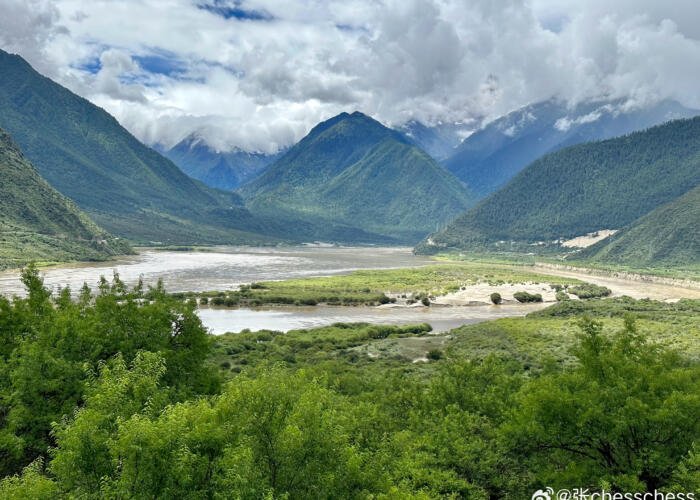
Flowing gracefully through the green heart of southeastern Tibet, the Nyang River is one of the most beautiful and poetic rivers in the region. Known in Tibetan as “Fairy’s Tears,” the river winds through Nyingchi’s lush valleys, carrying with it ancient legends, rich ecosystems, and unforgettable scenery.
Unlike the arid landscapes often associated with Tibet, the Nyang River basin is vibrant and full of life. Dense forests, fertile grasslands, and charming villages line its banks, making it a highlight for travelers exploring Nyingchi and the eastern Tibetan Plateau.
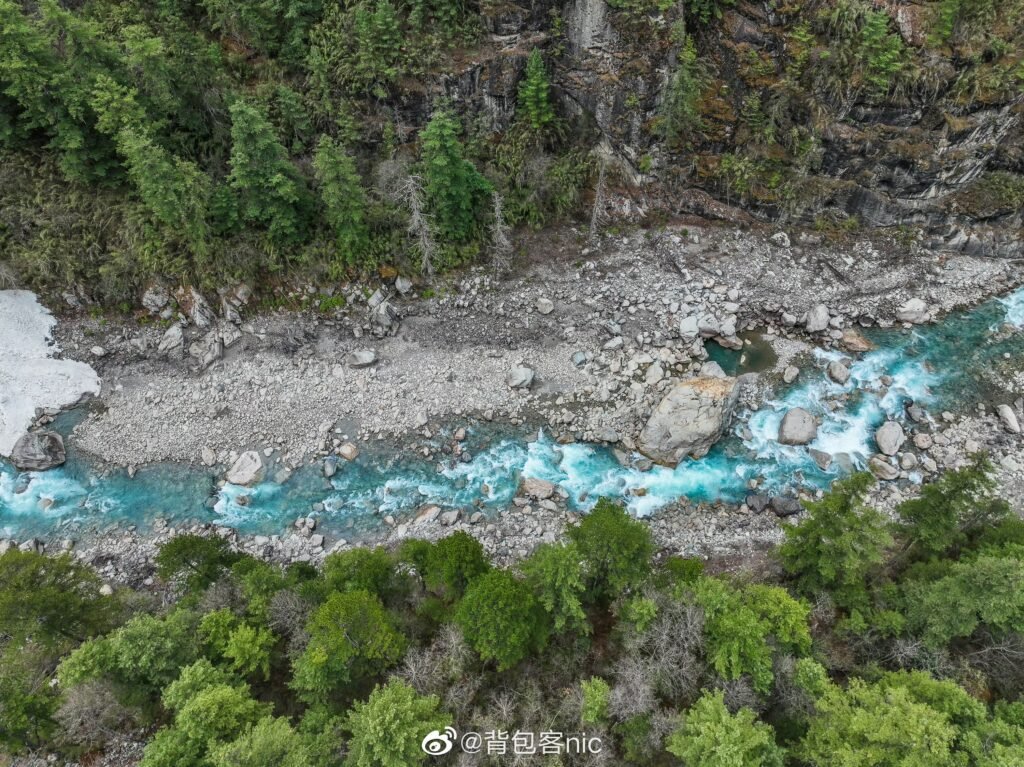
The Nyang River is the mother river of Nyingchi City in Tibet. It is the largest tributary on the northern side of the Yarlung Tsangpo River and the second-largest by water volume (after the Parlung Tsangpo). Often praised as the “emerald ribbon of Tibet’s Jiangnan,” the Nyang River was selected in 2024 as a National Outstanding Case of Beautiful Rivers and Lakes in China.
A River Born from Legend and Love
Local legend gives the Nyang River a magical origin. It is said that a goddess from Mount Bonri was moved to tears upon seeing the beauty of the land below. Her tears of joy flowed down her jade hairpin and instantly turned into a clear, flowing stream—thus giving birth to the Nyang River.
The story continues with a tale of love. The goddess fell in love with a brave young man, but their union was forbidden. To escape her father’s anger, the lovers transformed into cranes and flew away together. According to local belief, on New Year’s Eve, the two return in the form of cranes. Those who hear their calls or drink from the river on that night are said to receive good fortune and happiness for the coming year.
Source and Course of the Nyang River
The Nyang River, also known as Nyang Chu or Jiangda River, originates from glacial lakes nestled among the peaks of the Nyenchen Tanglha Mountains. Fed by snowmelt and mountain streams, the river begins its journey in high-altitude terrain before flowing into lower valleys.
Stretching approximately 308.5 kilometers, the river descends around 2,580 meters along its course. It travels through dense subalpine forests, open river valleys, and fertile plains before finally joining the mighty Yarlung Tsangpo River, one of Tibet’s most important waterways.
Core Geography and Hydrology of Nyang river
Source and Flow
- Source: Chomuliangla on the western side of Mila Mountain, an ancient glacial cirque at an elevation of about 5,000 meters
- Course: Flows from west to east through Gongbo’gyamda County and Bayi District, then joins the Yarlung Tsangpo River near Zema (close to Liding Village) in Bayi District, Nyingchi
Key Statistics
- Total length: 307.5 kilometers
- Total elevation drop: 2,273 meters (average gradient 7.39‰)
- Drainage area: About 17,500 square kilometers
Hydrological Features
- Average discharge: 538 cubic meters per second
- Annual runoff: About 22 billion cubic meters (second among Yarlung Tsangpo tributaries)
- Hydropower potential: Approximately 2.08 million kilowatts
- Water quality: Nationally monitored sections consistently meet Class II standards; the water is clear and jade-green. When it meets the muddy-yellow Yarlung Tsangpo River, a striking “clear-and-turbid divide” appears
- Tibetan name and meaning: Also known as Nyangchu (ཉང་ཆུ). There are two interpretations—one meaning “the tears of a goddess,” and the other “the river of the Nyang clan”
Natural Beauty Along the Riverbanks
The landscapes along the Nyang River are among the most diverse and scenic in Tibet. Towering pine trees and ancient cypress forests shade its upper reaches, while sandy riverbanks and wide grasslands appear as the river moves downstream.
Clear waters reflect snow-capped peaks and blue skies, creating postcard-worthy views throughout the year. Traditional Tibetan villages sit peacefully along the river, blending whitewashed houses, prayer flags, and farmland into the natural surroundings. Modern towns also appear along the route, offering insight into how ancient culture and contemporary life coexist in Nyingchi.
Key Attractions: Highlight Sections and Signature Scenery
Central Pillar Rock (within Gongbo’gyamda County)
A massive rock standing upright in the middle reaches of the Nyang River. Pine trees grow atop the stone pillar. During the rainy season, fast-flowing water crashes against it, sending up dramatic sprays. This landmark is a well-known sight along National Highway G318.
Yani National Wetland Park (Confluence of Two Rivers)
Located between Bayi District and Mainling County, the park covers about 6,973 hectares and is a plateau river-type wetland. Here, the jade-green Nyang River meets the muddy-yellow Yarlung Tsangpo River, creating a rare and visually striking contrast. Boat tours are available in the area.
Nyang River Scenic Belt (along G318 / Lalin Highway)
The road follows the river for much of its length. Snow-capped mountains, forests, farmlands, and villages blend seamlessly along both banks. The scenery is especially beautiful in spring (March–April) when peach blossoms bloom, and in autumn (October–November) when the forests turn vivid with fall colors.
Other Notable Sites
- Benri Sacred Mountain: A holy site of the Bon religion, located near the confluence of the two rivers
- Xiuba Ancient Fortress (Gongbo’gyamda County): Over 1,600 years old, overlooking the Nyang River
- Taizhao Ancient Town
- Nyang River Grand Canyon
A Haven of Biodiversity in Southeastern Tibet
Thanks to its abundant water and mild climate, the Nyang River supports a rich ecosystem. The surrounding forests are home to diverse plant species, while the river itself sustains fish and birdlife unique to the region.
This ecological richness sets Nyingchi apart from much of the Tibetan Plateau, earning it the reputation of being Tibet’s “green oasis.” The Nyang River is central to this identity, providing water, fertile land, and a stable environment for both wildlife and human settlement.
Unique Sights Along the Nyang River
Reverse Water Flow at the River Confluence
One of the most fascinating natural phenomena along the Nyang River occurs where it meets the Yarlung Tsangpo River. Here, the clearer and faster-flowing waters of the Nyang appear to push back against the darker, slower-moving Yarlung Tsangpo.
This visual effect creates the impression of reverse water flow, a striking and memorable sight for visitors. The contrasting colors and currents make this confluence a popular stop for travelers and photographers.
Central Pillar Rock: Guardian of Gongbu
After crossing Mila Mountain from Lhasa, travelers can spot a massive stone rising from the river—known locally as the “Central Pillar Rock.” Visible from afar, this natural landmark stands alone in the flowing waters of the Nyang River.
According to local belief, the rock is the seat of the guardian deity of Gongbu. Its dramatic position and spiritual significance make it one of the most photographed features along the river, especially when framed by mist, flowing water, and distant mountains.
Exploring the Nyang River in Nyingchi
Traveling along the Nyang River offers a gentle and scenic experience, very different from Tibet’s high desert regions. Well-maintained roads run alongside much of the river, making it accessible for travelers journeying between Lhasa and Nyingchi.
Seasonal changes bring new beauty to the river corridor. Spring blossoms, summer greenery, autumn colors, and winter snow each transform the landscape, ensuring that the Nyang River reveals a different character throughout the year.
With its blend of legend, natural splendor, and cultural depth, the Nyang River remains one of the most captivating destinations in southeastern Tibet, drawing visitors who seek both tranquility and timeless stories woven into the land.