Tucked deep within Bomi County of Nyingchi, the Bomi Gang Township Nature Reserve is one of Tibet’s most extraordinary natural sanctuaries. Covering a total area of 288 square kilometers, this reserve is dominated by dense primeval forests, with a forest coverage rate of 61%. It is widely recognized for hosting some of the densest and most productive spruce forests in the world, making it a vital ecological treasure of the Tibetan Plateau.
With a timber reserve of 2.52 million cubic meters, certain areas within Bomi Gang Township boast an astonishing wood volume of up to 2,300 cubic meters per hectare. The forest biomass reaches 1,200 tons per hectare, nearly three times that of northern taiga forests, earning it the title of the world’s highest-yielding dark coniferous forest.
A Landscape Shaped by Ancient Seas and Time
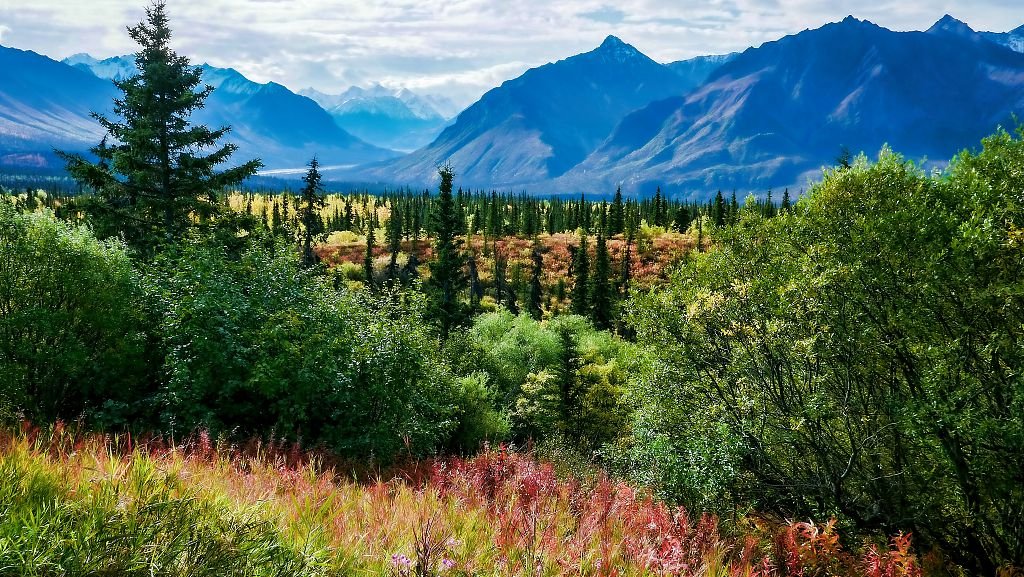
The dramatic scenery of Bomi Gang Township Nature Reserve is the result of millions of years of geological evolution. Once believed to be part of an ancient sea, the land was gradually transformed through tectonic uplift, erosion, and glacial sculpting.
Spectacular Peak Forests
Rising sharply above the forests are uniquely shaped mountain peaks, each resembling figures drawn from myth and imagination. Some look like celestial guardians, others like graceful maidens, hidden warriors, or playful spirits drifting among the clouds. These natural rock formations give the reserve a dreamlike quality, blending raw geology with Tibetan folklore.
Primeval Spruce Forests of Global Significance
Entering the reserve feels like stepping into a living cathedral of trees. Towering fir, spruce, hemlock, red pine, high-mountain pine, and camphor trees form thick canopies that often block out the sky entirely.
Many of these ancient trees are thousands of years old, reaching heights of 20 to 30 meters. Their massive trunks are so wide that it takes several people holding hands to encircle them. These old-growth forests remain largely untouched, preserving an ecosystem that has evolved in near isolation.
Rich Biodiversity: Wildlife and Medicinal Plants
Wildlife of Bomi Gang Township Nature Reserve
The reserve supports a wide range of alpine and forest wildlife. Agile and powerful animals roam freely through the forests and grasslands, including:
- Sambar deer
- Red goral
- Argali sheep
- Wild buffalo
- Tibetan wild donkeys
Occasionally, black bears and leopards are also sighted, underscoring the area’s importance as a refuge for large mammals.
Medicinal Herbs and Natural Resources
Spring transforms Bomi Gang Township into a natural pharmacy. The forest floor becomes rich with valuable Tibetan medicinal herbs, including:
- Gastrodia elata
- Poria
- Notoginseng
- Codonopsis
- Lingzhi mushrooms
The region has also historically been known for rare animal-derived medicinal materials such as musk and bear bile, reflecting its long-standing role in traditional Tibetan medicine.
Bomi Gang Village Lake: A Mirror of Forest and Sky
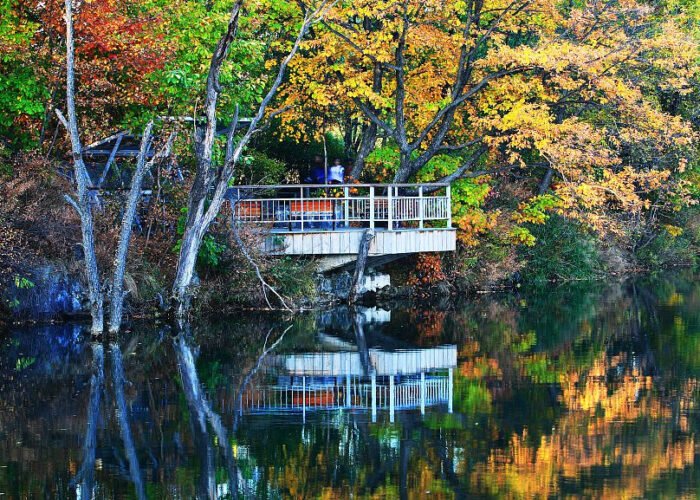
One of the most enchanting features of the reserve is Gang Village Lake, locally known as “Grass Lake.” Surrounded by dense forests and open grasslands, the lake appears like a flawless mirror, reflecting the sky, spruce trees, and surrounding mountains.
The area around the lake serves as an ideal grazing ground for wild horses, yaks, and donkeys. Its crystal-clear waters are home to small fish and attract waterfowl, especially during spring, when the entire landscape bursts into color and life.
Recognized as China’s Most Beautiful Spruce Forest
Bomi Gang Township Nature Reserve has earned national recognition. Experts from China National Geographic have named it “China’s Most Beautiful Spruce Forest.”
The reserve is located about 22 kilometers from Bomi County, and access is currently possible only by self-drive or hired vehicle. The journey itself is part of the experience, offering sweeping views of forests, valleys, and snow-dusted peaks—ideal for photography lovers and nature explorers.
Community-Based and Sustainable Tourism
To promote responsible travel, the region has established the Bomi Gangba Rural Tourism Cooperative, the first of its kind in the Linzhi area. This initiative supports local livelihoods while protecting the environment.
Visitors can enjoy:
- Horse-riding experiences
- Local-style meals and homestay accommodations
- Handcrafted souvenirs
- Traditional Tibetan music and dance performances
This model allows travelers to experience authentic local culture while contributing to conservation and community development.
Conservation and Fire Prevention Awareness
Due to the extremely dense forests and high ecological value of the reserve, fire prevention is a top priority. Visitors are strongly advised to:
- Avoid using lighters or matches
- Refrain from smoking
- Follow all local conservation guidelines
Protecting Bomi Gang Township Nature Reserve ensures that this rare ecosystem remains intact for future generations.
Gang Township Nature Reserve represents the extraordinary natural richness of eastern Tibet, combining ancient spruce forests, rare wildlife, pristine lakes, and living local culture into one of the most remarkable ecological landscapes on the plateau.