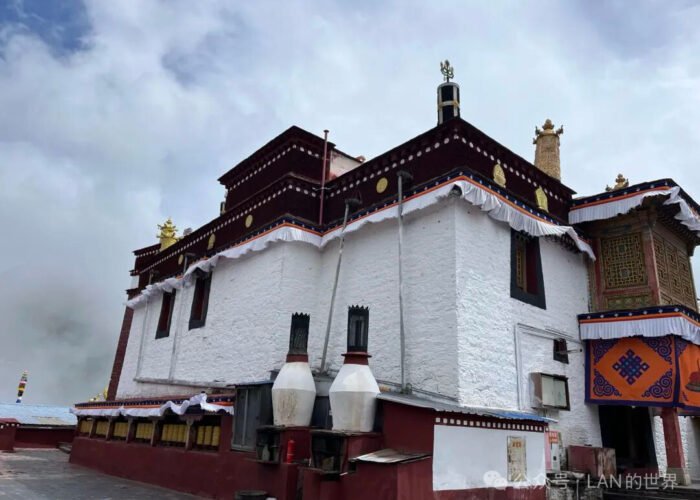
Rising quietly from the high plateau of western Tibet’s Ngari Prefecture, Dunjiu Monastery—also known as Dunchu Monastery or Langchen River Monastery—is one of the most sacred yet least visited pilgrimage destinations in Tibet. Located near the very source of the Xiangquan River (Langqen Zangbo), this ancient monastery blends Nyingma Buddhist devotion, Himalayan ecology, and trans-border spiritual heritage into a deeply moving journey.
For pilgrims and spiritual travelers, Dunjiu is not simply a monastery—it is a source shrine, a place where water, faith, and history converge.
Overview of Dunjiu Monastery (Xiangquan River Source Monastery)
Dunjiu Monastery (དུན་ཅུ་དགོན།) belongs to the Nyingma School of Tibetan Buddhism, the oldest tradition in Tibet, often referred to as the Red Hat sect. It is revered for its remote location, ancient lineage, and profound connection to sacred water worship.
- Location: South of Menshi Township, Gar County, Ngari Prefecture, Tibet
- Distance: About 42 km from Menshi Township
- Altitude: Approximately 4,800 meters above sea level
- Founded: 13th century (Yuan Dynasty)
- Founder: Dorje Drag Lama Choni Sangpo, a great Nyingma master
- Main Deity: Doba Sakyamuni, an ancient and highly venerated statue
- Lineage: 7 reincarnated lamas; current abbot is Living Buddha Pema Gonjo
Because the Xiangquan River becomes the Sutlej River in India, Dunjiu Monastery holds deep religious importance not only for Tibetans, but also for Indian pilgrims, making it a rare cross-cultural sacred site in the Himalayas.
Historical Roots and Sacred Meaning
Foundation and Monastic Development
Dunjiu Monastery was originally established in the 13th century by Dorje Drak Lama Choni Sangpo, one of the most respected Nyingma scholars of his time. Later, senior monks Sheju Lama and Druchang Lama from Dorje Cha Monastery in Shannan were dispatched to oversee construction, forming a complete and enduring religious complex.
This connection anchored Dunjiu firmly within the central Nyingma monastic network, despite its extreme remoteness.
Meaning of the Name “Dunjiu”
The name “Dunjiu” literally means “Monastery of the Source.” It refers to the origin of the Xiangquan River, which is believed to arise from 108 natural springs beneath a golden rock formation shaped like an elephant.
This symbolic geography gives the monastery extraordinary spiritual power, especially for water-related prayers, purification rituals, and healing practices.
Sacred Beliefs and Living Pilgrimage Traditions
Turtle Rock and Healing Faith
Near Dunjiu Monastery lies a naturally formed Turtle Rock, considered a sacred healing stone. Local devotees believe that sincere prayers here can help relieve:
- Skin diseases
- Joint pain and arthritis
- Chronic fatigue and weakness
Pilgrims often circle the rock, pray silently, and drink from the nearby spring, viewing the ritual as both physical and karmic purification.
Circumambulation and Water Blessings
Walking one clockwise kora (ritual circumambulation) around the monastery is believed to cleanse negative karma. Prayers offered here—especially those connected to water protection and life longevity—are considered particularly powerful.
Because the river flows into India, Indian Hindu pilgrims also regard this area as sacred, and cross-border pilgrimage has taken place historically under proper arrangements.
Highlights and Spiritual Experiences at Dunjiu Monastery
Main Hall and Sacred Statue
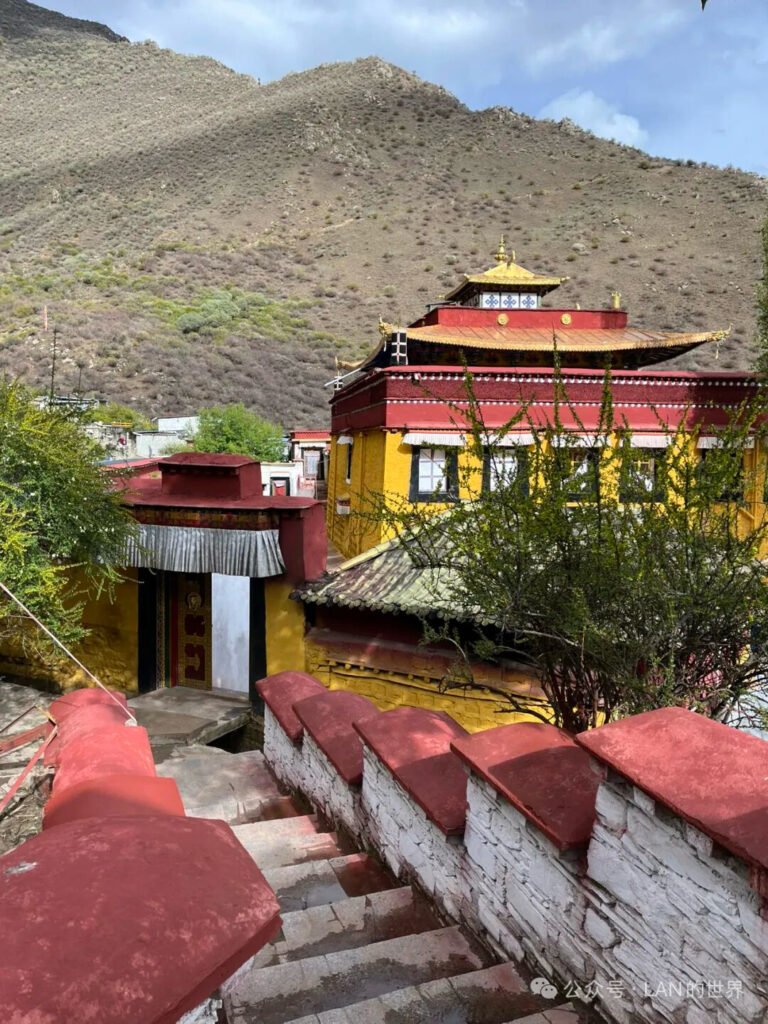
The monastery features traditional stone-and-wood Tibetan architecture, simple yet dignified. Inside the main hall stands the Doba Sakyamuni statue, an ancient image regarded as the spiritual treasure of the monastery.
Murals reflect classic Nyingma iconography, depicting Guru Padmasambhava, Amitayus, and protective deities central to early Tibetan Buddhism.
Xiangquan River Source Wetlands
During summer (June to August), the surrounding wetlands come alive with wildflowers and rare plateau wildlife, including:
- Tibetan antelope
- Wild yaks
- Tibetan wild asses
For pilgrims and photographers alike, this landscape offers a rare blend of spiritual silence and ecological beauty.
Quiet Retreat and Meditation Atmosphere
With only around four resident monks, Dunjiu Monastery remains extremely quiet. The absence of crowds makes it an ideal place for meditation, contemplation, and spiritual retreat, especially for travelers seeking inner stillness rather than spectacle.
Cultural Route Connections
Dunjiu Monastery can be included in a broader Ngari spiritual circuit, linking key sites of Zhangzhung and Tibetan Buddhist heritage, such as:
- Qionglong Silver City (Karl Dong ruins)
- Ancient Rujian Monastery
- Zhidadaburi Temple
Pilgrimage Etiquette at Dunjiu (Nyingma Tradition)
Essential Religious Manners
- Always walk clockwise around temples, stupas, and prayer wheels
- Enter from the side door (left in, right out); the central gate is for monks
- Step over, not on, door thresholds
- Remove hats and sunglasses inside prayer halls
- Do not touch statues, ritual objects, or murals
- Photography requires permission; some meditation areas are restricted
- Maintain silence and respect ongoing practices
- Voluntary butter-lamp donations are appropriate
High-Altitude Health and Safety Tips (Very Important)
At 4,800 meters, Dunjiu Monastery is higher than Menshi Township and poses a significant altitude challenge.
- Avoid strenuous activity after arrival
- Drink warm water with electrolytes
- Eat small, frequent meals
- Carry portable oxygen
- Seek medical help immediately if severe symptoms occur
- Dress in layers: windproof jacket, fleece, down jacket
- Strong sun protection is essential even in summer
Environmental Protection and Travel Safety
- Practice Leave No Trace travel
- Do not disturb wetlands or wildlife (keep at least 200 meters away)
- Swimming, fishing, or washing in the Xiangquan River is strictly forbidden
- Mobile signal is weak or unavailable near the monastery
- Download offline maps or carry satellite communication
- Road conditions vary; some sections are unpaved
How to Reach Dunjiu (Dunchu) Monastery
Recommended Travel Method: Private Vehicle or 4WD
- Shiquanhe → Menshi Township:
About 120 km via G219, paved road, approx. 2 hours - Menshi Township → Dunjiu Monastery:
About 42 km south, partially unpaved; 4WD vehicle strongly recommended
Fuel and Supplies
- Menshi Township has a PetroChina station (92# fuel only; documents required)
- No fuel, shops, or accommodation near the monastery
- Stock up on food, water, and essentials in advance