Hidden deep within the pristine Zayü Nature Reserve, the Azha Glacier (阿扎冰川) is one of Tibet’s most visually striking and ecologically unique glaciers. Classified as a marine-type glacier, it stands out for an extraordinary reason: it extends directly into dense forest for several kilometers, creating a rare and dramatic contrast between ice and greenery.
Azha Glacier (ཨ་རྒྱ་གངས་འབབ།): The Green Sea Glacier of Zayü, Tibet
Azha Glacier—known in Tibetan as ཨ་རྒྱ་གངས་འབབ། (A rgya gangs ’bab)—is one of the most extraordinary glaciers on the Qinghai-Tibet Plateau. It is widely called the “Green Sea Glacier” (绿海冰川) and also the “Tropical Glacier” (流向热带的冰川) due to its rare ability to flow from icy peaks directly into subtropical forests.
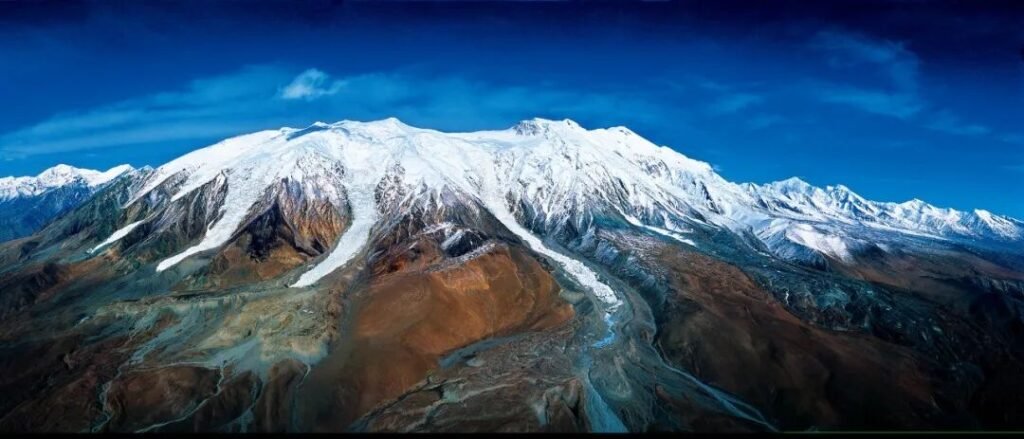
Azha Glacier lies on the southern slope of the Gangri Karpo Mountains (岗日嘎布山脉), at the ecological crossroads between the Qinghai-Tibet Plateau and the Indo-China Peninsula. This unique geographic position makes it one of the lowest-altitude maritime glaciers in China and Tibet, and one of the most scientifically and visually significant glaciers in Asia.
With a snowline at around 4,600 meters and a total length of more than 20 kilometers stretching southwest, the glacier looks like a silver dragon flowing through a green ocean. This stunning image has earned it the poetic nickname “Green Sea Glacier.”
Adding to its uniqueness is the massive altitude difference of over 6,000 meters between the glacier’s summit and its terminus. This vertical range creates an incredible variety of climates, transitioning from subtropical forest zones at lower elevations to polar-like icy conditions at the top.
A Rare Climate and Landscape Transition
Few places in Tibet showcase such dramatic environmental diversity within a single area. As you move upward along the Azha Glacier, vegetation gradually gives way to bare rock, snowfields, and permanent ice. This sharp transition supports rich biodiversity and makes the region especially valuable for ecological research, photography, and adventure travel.
The glacier’s ability to penetrate forested terrain is extremely rare on the Tibetan Plateau, making Azha Glacier a standout destination for travelers interested in Tibet glaciers, alpine ecosystems, and off-the-beaten-path nature experiences.
The Three Tiers of Azha Glacier
The Formation Zone: A Distant Ice Kingdom
Located at extremely high altitudes, the formation zone of the Azha Glacier is where snowfall accumulates and compresses into glacial ice. Due to harsh weather conditions and difficult access, this area remains off-limits to tourists. However, even distant views reveal the glacier’s immense scale and raw power, offering a glimpse into its icy origins.
The Great Waterfalls: Ice Meets Motion
One of the most captivating features of the Azha Glacier is its great waterfalls. Fed by melting ice, these crystal-clear cascades surge through crevices within the glacier. The contrast between moving water and solid ice creates a dramatic and ever-changing natural scene, especially during warmer months.
These waterfalls are among the most visually impressive sights accessible to visitors and are a highlight for photographers and nature lovers alike.
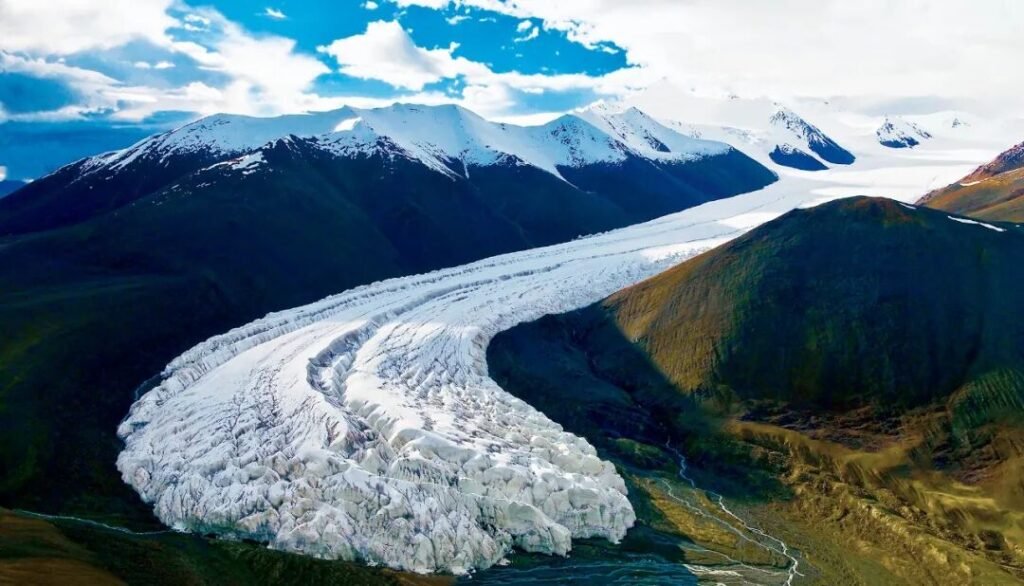
The Glacial Tongue: A Silver Curtain in the Sky
At its lower end, the glacier forms an intricate and winding glacial tongue. This section unfurls like a giant silver screen suspended in midair, reflecting sunlight and dominating the surrounding landscape. Its layered textures, curves, and shimmering surface inspire a sense of awe and scale that few natural features can match.
Batsang Lake: A Serene Escape Near Zayü County
Just 28 kilometers from Zayü County, Batsang Lake offers a completely different yet equally enchanting natural experience. Sitting at an elevation of 1,775 meters, the lake measures approximately 1 kilometer long and 0.4 kilometers wide, making it compact but visually striking.
A Geological Wonder Surrounded by Forest
Batsang Lake is enclosed by steep granite gneiss mountains, with rock walls plunging 1,000 to 2,000 meters deep. These dramatic formations highlight the lake’s geological significance and add to its secluded atmosphere.
Dense forests line the shores, creating a peaceful setting where mountain reflections ripple across clear blue waters. The lake is rich in fish and frequently visited by waterfowl, bringing life and movement to the tranquil environment.
A Haven for Nature Lovers
Unlike the high-altitude drama of Azha Glacier, Batsang Lake offers a calm and accessible retreat. Its lower elevation and proximity to Zayü make it ideal for relaxed exploration, wildlife observation, and quiet moments immersed in nature.
Nearby Attractions Around Azha Glacier
- Zayü Ancient Town (察隅古镇): Traditional Tibetan architecture, local markets, and cultural heritage
- Riwoche Monastery (日沃切寺): Historic Gelug monastery with well-preserved murals
- Gangrigabu Mountain Scenic Area (岗日嘎布山脉景区): Snow peaks, alpine lakes, and primeval forests
- Ranwu Lake (然乌湖): Around 200 km north, famous for turquoise waters and surrounding glaciers
Together, Azha Glacier and Batsang Lake reveal the remarkable geological depth, ecological diversity, and untouched beauty of Zayü—one of Tibet’s most secluded and visually stunning regions.
Travel Insights for Azha Glacier and Batsang Lake
The combination of Azha Glacier and Batsang Lake showcases the extraordinary natural diversity of Zayü County, from towering ice formations to lush forested lakes.
While the glacier’s formation zone remains a distant spectacle, the great waterfalls and glacial tongue provide unforgettable close-up encounters with one of Tibet’s most unusual glaciers.
Batsang Lake, with its forests, clear waters, and vibrant birdlife, complements the glacier experience perfectly, offering a softer and more meditative side of the region.
Together, these two destinations highlight the ecological richness and geological wonders of southeastern Tibet, drawing adventurers, photographers, and nature enthusiasts into one of the Plateau’s most secluded and unspoiled landscapes.
| Departure Point | Distance | Travel Time | Recommended Transport | Route | Notes |
| Zayü County (察隅县城) | 70 km to Upper Zayü Town + 23 km to Azha Village | 3–4 hours by car | Chartered 4WD vehicle (highly recommended) | Zayü County → Shang Zayü Town → Aza Village → Glacier trailhead (via G219 spur). | Roads are narrow and prone to landslides. No public transport available. |
| Nyingchi City (林芝市) | About 500 km | 10–12 hours by car | Organized tour or private vehicle | Travel via G318 and G219 highways. | Best suited for multi-day road trips. |
| Lhasa City (拉萨) | About 1,000 km | Around 2 days by road | Private vehicle or long-distance tour | Lhasa–Nyingchi Expressway → G318 → G219. | Recommended to break the journey with overnight stops. |