
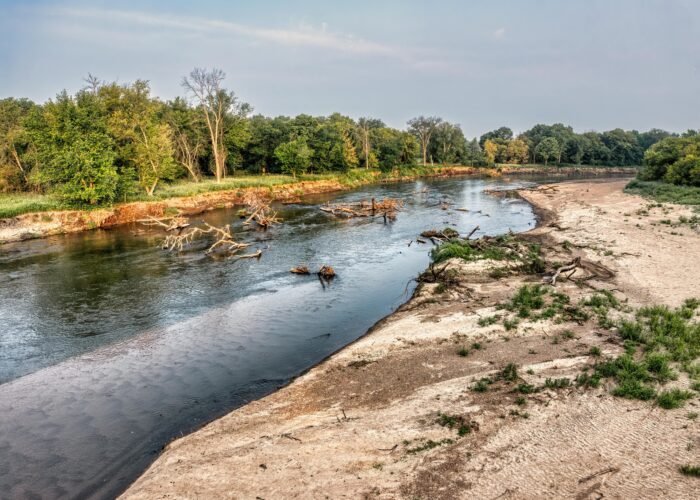
Zayü River and Sacred Waterways of Eastern Tibet
Flowing through the lush valleys and deep canyons of Zayü County in eastern Tibet, the Zayü River, also known as Tsong-yul-chu, is one of the most important river systems in the region. Its name means “the river of the Cha people’s dwelling,” reflecting its deep connection to local history, settlement, and culture. Commonly called the Zayü River or Zayu River, this waterway shapes the land, climate, and daily life of the area.
Rising from the high mountains and descending into fertile valleys, the Zayü River basin is a place where Tibetan highland geography meets subtropical abundance.
Origins and Source of the Zayü River
The sources of the Zayü River are found on the western slopes of the Boshula Mountain Range and the eastern mountains near Ranwu. Its headwaters begin at an impressive altitude of 5,475 meters, where snowmelt and glacial waters gather to form the river’s upper reaches.
This high-altitude origin gives the Zayü River a powerful flow, supporting rich ecosystems as it descends through dramatic terrain toward lower elevations.
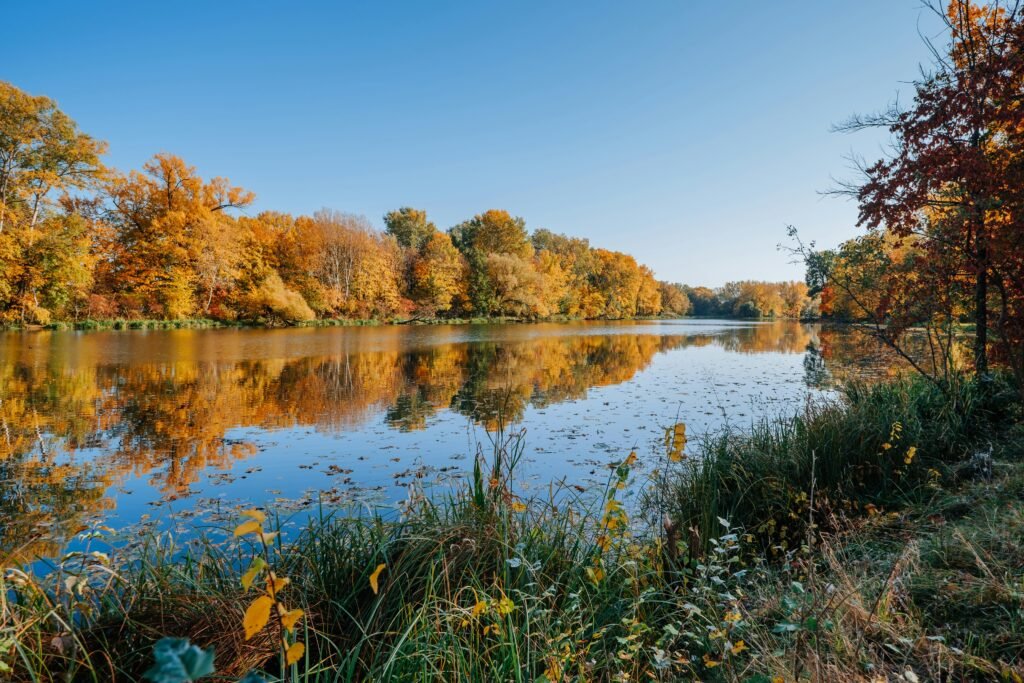
Two Main Tributaries of the Zayü River
Sangchu River: The Eastern Branch
The Sangchu River forms the eastern branch of the upper Zayü River system. It flows for 178 kilometers, running southeast from its headwaters until it meets the Gangri Karpo Chu near Lower Zayü. Along its course, Sangchu passes through rugged mountains and forested valleys, contributing significantly to the river’s volume.
Gongrigabuqu River: The Western Branch
The Gangri Karpo Chu River, the western branch, originates from modern glaciers near Gangri Karpo Mountain. Stretching 170 kilometers to the southeast, it carries cold glacial waters through deep canyons before joining the Sangchu River.
Birth of the Zayü River Proper
The confluence of Sangqu and Gangri Karpo Chu marks the official beginning of the Zayü River. From this point, the river flows southward through Walong and Qianmenli, passing near Balangang, before eventually crossing into India and joining the Brahmaputra River system.
Within Tibet, the Zayü River runs for 295 kilometers, draining an area of 17,827 square kilometers.
Landscape, Climate, and Biodiversity Along the River
The Zayü River flows through a landscape shaped by mountains, valleys, and deep canyons. Its course includes:
- A narrow canyon stretch near Baixue
- Broader valley sections with varying widths
- A return to canyon terrain near Linglingtong Mountain
Thanks to a warm and humid climate with abundant rainfall, the riverbanks support dense forests, diverse wildlife, and rich plant life. This favorable environment has also encouraged agricultural development, making parts of Zayü County important rice-producing areas in eastern Tibet—an uncommon feature on the plateau.
Gitai River: The “River of Bliss”
Flowing southeast from Zhawageng, the administrative center of Zayü County, the Gitai River is known in Tibetan as the “River of Bliss.” Beyond Tibet, this river is called the Dulong River in Yunnan and later becomes the Salween River in Myanmar before reaching the Indian Ocean.
Within Tibet, the Gitai River runs for 77 kilometers, covering a drainage area of 2,380 square kilometers.
The Gitai River basin is rich in forests and valuable tree species, including fir, camphor, rosewood, and Yunnan pine, making it ecologically and economically significant.
Zhawageng Town: A Key Travel Stop
Located at an altitude of 2,300 meters, Zhawageng Town administers 16 village committees and is home to a population of over 2,800 people. Covering an area of 2,878 square kilometers, the town serves as an ideal base for exploring the rivers and valleys of Zayü County.
With its moderate elevation and abundant natural resources, Zhawageng is a comfortable stopover for travelers heading deeper into eastern Tibet.
Qingshui River: The Sacred Stream of Zayü
Situated southeast of Zayü County in Zhawageng, the Qingshui River is revered by locals as a “Sacred River.” True to its name, the water remains crystal clear year-round, revealing stones on the riverbed and schools of fish darting through the current.
Green mountains rise along both banks, their reflections mirrored perfectly in the water, creating a tranquil and picturesque landscape.
Legends of the Holy Waters
Local legend holds that the waters of the Qingshui River possess beautifying and purifying powers. Young women traditionally come to bathe in the river, believing the “holy water” can grant natural beauty and grace blessed by the divine.
This belief adds a layer of spiritual charm to the river, blending nature with folklore.
Visiting the Qingshui River
The Qingshui River is located over 30 kilometers from Zayü County town and is easily accessible by road. Visitors can charter a vehicle from the county for approximately 100 to 150 yuan, making it a convenient and worthwhile excursion for those exploring the region’s natural and cultural highlights.
Together, the Zayü River, Gitai River, and Qingshui River form a vibrant network of waterways that define the geography, ecology, and spiritual imagination of eastern Tibet.