The Majestic Landscapes of Mangkang County: A High-Altitude Wonderland in the Three Rivers Basin
Mangkang (Markham) County lies deep within the dramatic canyon region of the Three Rivers Basin in eastern Tibet. With an average elevation of 4,317 meters above sea level, this remote county is defined by towering mountains, deep river valleys, and breathtaking alpine scenery. The region’s rugged terrain and untouched beauty make it one of Tibet’s most striking yet lesser-known landscapes.
Running through the heart of Mangkang County is the Ningjing Mountain Range, a peaceful north–south ridge that shapes much of the local geography. This range is home to several notable peaks, including Drala Nyen Peak, Dama Ya Mountain, Karzi Shika Chong Mountain, and Wangchu Damdul Mountain, all rising sharply against the high plateau sky.
The Hengduan Mountains: The Backbone of Eastern Tibet
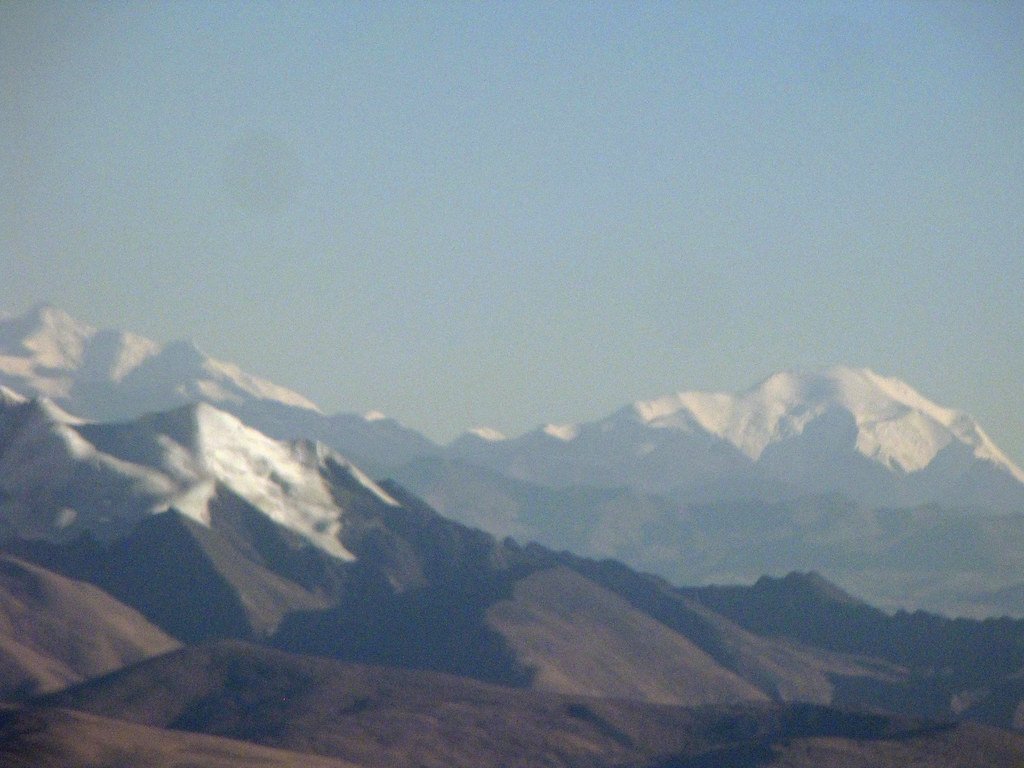
The Hengduan Mountain Range is one of the most important geographical systems in western China, stretching across eastern Tibet, western Sichuan, and northwestern Yunnan. In Mangkang County, these mountains run from north to south, forming a complex network of ridges and valleys.
Several mountain ranges within Tibet, such as Bershula Ridge, Tanian Taweng Mountain, and Mangkang Mountain, originate from the eastern extensions of the Nyenchen Tanglha Mountains and the Tanggula Mountain Range. Most of these peaks stand between 4,000 and 5,000 meters, creating a vast high-altitude landscape dominated by sharp ridgelines and dramatic elevation changes.
1. Dameyong Snow Mountain (Goddess Peak) — The Highest Sacred Mountain of Mangkang
- Elevation: 6,434 meters
(Main peak of the Taniantaweng Range and the highest mountain in Mangkang County) - Location: Border area between Markham County (Chamdo, Tibet) and Deqin County (Diqing, Yunnan), beside the Lancang River, behind Quzika Hot Springs
- Alternative Names: Dameyong, Damiyong, Goddess Peak, Markamsin
- Religious System: One of the principal peaks of the “Kangda Zanni” sacred mountain system
Natural Landscape
The summit is snow-covered year-round and displays a striking vertical climate pattern often described as “four seasons on one mountain, different weather within ten miles.”
- Above 5,000 m: alpine cold zone
- 4,000–5,000 m: temperate coniferous forest
- Below 2,000 m: subtropical vegetation
Myth and Legend
The most widely known legend says that Dameyong is the third daughter of Meili Snow Mountain (Kawa Karbo).
According to folklore, she interfered in mortal affairs and violated heavenly rules. As punishment, she was sent to the human realm and transformed into a snow mountain, where she now eternally protects the people living along the Lancang River.
Local Tibetans regard her as a guardian goddess, and pilgrims come to worship her during important festivals.
Best Viewing Spots
- Hongla Mountain Pass Viewing Platform (4,448 m, along the Yunnan–Tibet Highway G214)
- Quzika Hot Spring Resort
Best Time to View: Sunrise (golden sunlight on the peak) and sunset
2. Riwo Baima Sacred Mountain (Lotus Holy Mountain) — Dakini Land Blessed by Guru Rinpoche
Basic Overview
- Location: Zongxi Township, Mangkang County
- Alternative Names: Lotus Sacred Mountain, Holy Lotus Mountain, Mount Pema
- Mountain Shape: Resembles an elephant
Religious Significance
This mountain is believed to be blessed by Amitabha Buddha, Tara, Guru Padmasambhava, and the dakini Yeshe Tsogyal. It is highly praised in Buddhist prophecies as a supreme dakini sacred land.
Major Monasteries
- Seding Monastery: Located on the “elephant’s trunk”
- Duola Monastery: A nunnery affiliated with Seding Monastery, located on the elephant’s right shoulder
Sacred Sites and Legends
- Guru Padmasambhava visited this mountain three times, meditated here for 21 days, and concealed many terma (hidden teachings)
- Sacred manifestations include:
- Naturally formed images of Shakyamuni Buddha and Amitabha Buddha
- A self-arisen Guru Rinpoche’s Dharma hat
- Guru Rinpoche’s meditation cave
- Tara Sacred Spring (also known as Menquka or Medicine Buddha Nectar; said to be where Princess Wencheng bathed)
- Footprint of King Gesar
Legend says that Princess Wencheng, while traveling to Tibet, saw many naturally formed Buddha images here. She left 21 strands of hair, which later grew into 21 cypress trees, symbolizing the Twenty-One Taras.
The Four Peaks
Each peak has a symbolic form:
- South Peak: mandala and wish-fulfilling jewel
- East Peak: fierce tiger
- North Peak: frog
- West Peak: Garuda (golden-winged bird)
Living Faith Practices
- Locals facing illness or obstacles collect water and cypress branches from Tara Sacred Spring for drinking, bathing, or incense
- Annual mountain pilgrimage (kora) involving circumambulation, incense offering, chanting, and ritual offerings
3. Niguo Sacred Mountain (Crown of Sacred Mountains) — An Important Nyingma Practice Site
Basic Overview
- Location: Zongxi Township, about 70 km northeast of Mangkang County town, within the Niguo Nature Reserve
- Elevation: Approximately 4,250 meters (location of Niguo Monastery)
- Tibetan Meaning: “Niguo” means “Crown of the Sacred Mountains”
- Original Name: Kang·Dazang, the crown peak of the Kang·Dazangni sacred mountain system
Religious Importance
This is an important Nyingma sacred mountain. In the early 17th century, the lama Mipam practiced meditation in a cave here and attained rainbow body at the time of his passing.
Sacred Sites and Monastery
- Niguo Monastery: A Nyingma monastery featuring a 36-meter, nine-story statue of Guru Padmasambhava and a reliquary stupa
- Natural sacred manifestations include:
- Naturally formed Buddha images
- Guru Rinpoche’s throne
- White Tara image
- Horse hoofprints of past Buddhas
- Naturally appearing scriptures
Ecological Features
The area is rich in biodiversity, often covered in mist and clouds. It is one of Tibet’s best-preserved wildlife habitats, home to bears, musk deer, deer, blue sheep, and Tibetan snow pheasants.
4. Hongla Mountain (Mountain of Standing Firm) — A Sacred Mountain on the Tea Horse Road
Basic Overview
- Pass Elevation: 4,448 meters (highest point on the Yunnan–Tibet Highway G214)
- Location: Between Mangkang County and Yanjing, within Hongla Mountain Nature Reserve
- Tibetan Meaning: “Mountain that stands upright” Mount Gongla
- Historical Role: A dangerous but essential mountain pass on the Ancient Tea Horse Road
Religious Status
Together with Dameyong Snow Mountain, Hongla Mountain forms part of the Kangda Zanni sacred mountain system and is revered in Tibetan Buddhism.
Key Features
- Best viewpoint for Dameyong Snow Mountain
- Important habitat of the Yunnan golden snub-nosed monkey
- Prayer flags, mani stone piles, and other Tibetan religious symbols scattered across the mountain
5. Sacred Mountain Culture and Travel Tips
Shared Belief Characteristics
- Most sacred mountains are blessed by Guru Padmasambhava
- Common sacred features include meditation caves, hidden treasure sites, and holy springs
- Sacred mountains are regarded as living deities, controlling weather, harvests, and the health of local people
- Circumambulation (kora) is a key pilgrimage practice and is traditionally done clockwise
Deep Valleys and Dramatic Terrain
One of the most striking features of Mangkang County is the sharp contrast between its mountains and river valleys. The ranges are divided by deep gorges, where elevation differences can reach 1,000 to 2,500 meters within short distances.
This unique terrain is often described as
“two mountains flanking a river, two rivers flanking a mountain.”
In the northern part of Mangkang, wide highland slopes provide rich summer pastures, supporting traditional grazing activities. In contrast, the southern region is far more rugged, with narrow riverbeds, steep canyon walls, and fast-flowing rivers that carve through the landscape, creating powerful rapids and challenging natural conditions.
Climate Diversity Across Altitude Zones
The climate in Mangkang County is highly complex due to its dramatic changes in altitude. Temperatures can vary significantly between mountain peaks and valley floors, creating distinct climate zones within a relatively small area.
This climatic variation allows multiple ecosystems to coexist, ranging from warm valleys to cold alpine heights. Seasonal changes are especially noticeable, with cooler temperatures and strong winds at higher elevations, while lower valleys experience milder conditions.
A Three-Dimensional World of Vegetation
Mangkang County is known for its rich vertical vegetation zones, often described as a “three-dimensional landscape.” As altitude increases, the natural environment changes layer by layer, creating remarkable biodiversity.
Vegetation types found in the region include:
- Subtropical evergreen broadleaf forests in lower valleys
- Warm temperate deciduous broadleaf forests
- Temperate mixed coniferous and broadleaf forests
- Cold temperate coniferous forests at higher elevations
- Subalpine shrubs and alpine meadows near mountain summits
This vertical distribution of plant life makes Mangkang County an important ecological region within eastern Tibet and a visually stunning destination for nature lovers.
Traveling Through Mangkang County
For travelers seeking to experience the grandeur of the Hengduan Mountains and the landscapes of Mangkang County, road travel offers the most immersive experience. The county can be explored by driving or renting a vehicle along the Sichuan–Tibet Highway or the Yunnan–Tibet Highway, both of which pass through some of the region’s most scenic terrain.
However, travel conditions can be demanding. The rainy season, which typically lasts from mid-May to mid-October, brings heavy rainfall. This increases the risk of landslides and mudslides, particularly in narrow valleys and mountainous sections of the road. Combined with steep slopes and winding routes, careful driving and proper preparation are essential for a safe journey through this remote highland region.