
Introduction to Tibet’s Mining Sector
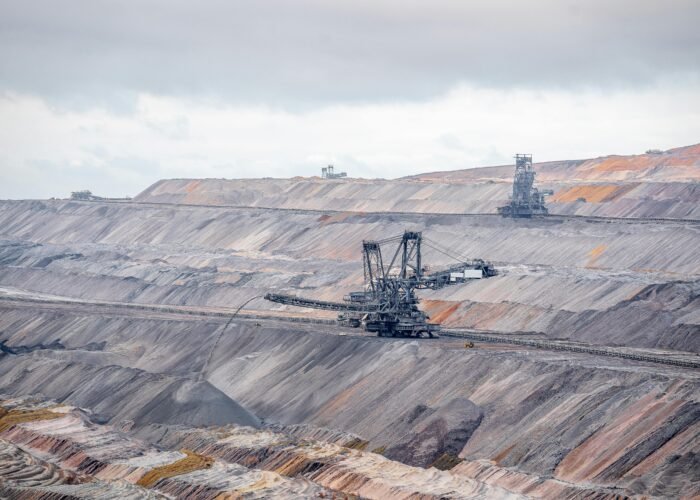
Over the past two decades, Tibet’s mining sector has experienced steady expansion, evolving into a significant contributor to the regional economy. Once limited in scale, mining is now viewed as a strategic industry supporting broader economic development across the Tibet Autonomous Region (TAR). Increased investment, stronger policy backing, and improved access to financing have all helped accelerate this transformation.
A defining milestone in Tibet’s mineral development was the completion of the Golmud–Lhasa Railway in 2006. This critical transport corridor dramatically improved connectivity between the plateau and major industrial centers, allowing heavy machinery, construction materials, and extracted minerals to move more efficiently. Areas that were once isolated became reachable year-round, lowering operational costs and enabling large-scale mining projects to move forward.
Today, mining plays an important role in Tibet’s Gross Domestic Product, reflecting the region’s growing importance in resource supply. Rising global demand for critical minerals—including lithium, copper, and rare earth elements—has drawn increased attention from major investors and state-backed enterprises. Tibet’s complex geological landscape holds diverse deposits, positioning the region as a potential long-term source of strategic resources needed for industrial expansion and technological progress.
Major Minerals and Resource Potential in Tibet
Tibet’s geological structure is rich and varied, containing mineral reserves that are increasingly recognized for their economic and strategic value. Key resources include copper, lithium, chromium, rare earth elements, and gold—each supporting modern industries ranging from infrastructure to renewable energy.
Copper: A Foundation of Industrial Growth
Copper remains one of the most extensively developed minerals in Tibet, with significant deposits concentrated in the south-central part of the plateau. Essential for electrical networks, construction, and manufacturing, copper plays a crucial role in both regional development and national supply chains. The growth of copper mining has also stimulated related sectors such as logistics, equipment services, and material processing, amplifying its economic impact.
Lithium: Powering the Clean Energy Future
Lithium has attracted global attention due to its importance in rechargeable batteries and electric vehicles. Tibet is believed to contain substantial lithium reserves, particularly within salt lakes and mineral-rich basins scattered across the plateau. As countries accelerate the transition toward cleaner energy systems, these reserves are becoming increasingly valuable, strengthening Tibet’s relevance in the evolving global energy landscape.
Chromium and Rare Earth Elements: Enabling Advanced Technology
Chromium, widely used in stainless steel and specialized alloys, represents another important component of Tibet’s mineral wealth. Equally significant are rare earth elements—materials essential for high-tech devices, wind turbines, advanced electronics, and renewable energy infrastructure. Together, these resources enhance supply chain resilience and contribute to long-term industrial competitiveness.
Gold: A Valuable Complement
Although found in smaller and more localized deposits, gold adds diversity to Tibet’s mineral portfolio. Long valued for both economic and cultural reasons, gold mining continues to support exploration activity and regional income streams. Its presence highlights the breadth of untapped potential across Tibet’s mineral landscape.
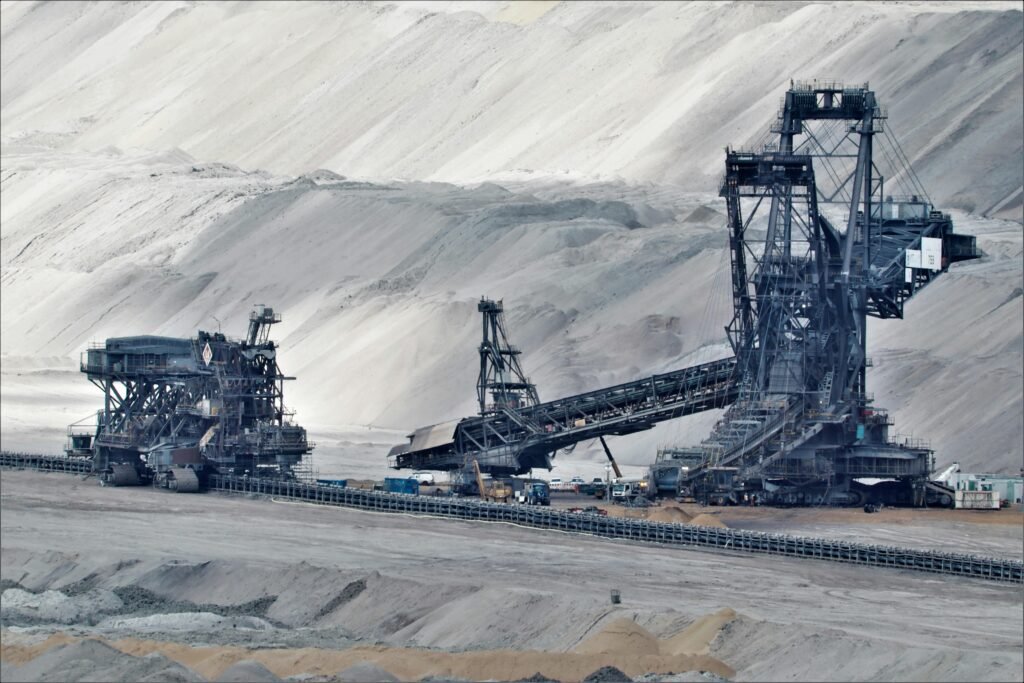
Collectively, these reserves illustrate why exploration efforts remain active and why the mining industry is expected to play a growing role in the region’s economic future.
Economic Impact and Expanding Mining Operations
Mining has emerged as a powerful engine of economic activity in the Tibet Autonomous Region, influencing development patterns and reshaping local economies. High-value resources such as copper, lithium, and rare earth elements have attracted sustained capital investment, enabling the growth of large-scale extraction projects and strengthening Tibet’s profile within the broader mining sector.
Employment Opportunities and Workforce Dynamics
One of the most visible benefits of mining is job creation. Large projects require workers across multiple areas, including extraction, processing, transportation, engineering, and site management. These roles generate income opportunities and support auxiliary businesses that serve mining communities.
However, workforce dynamics remain complex. Many operations depend on experienced technicians and specialized professionals who often come from outside the region. While local employment has increased, highly technical positions frequently require expertise that is not always readily available within nearby communities. This creates an ongoing conversation around skills development, workforce training, and inclusive economic participation.
Infrastructure Growth Across the Plateau
Mining investments have also accelerated infrastructure improvements throughout Tibet. Expanded road networks, rail connections, power facilities, and communication systems have enhanced accessibility to previously remote areas. These upgrades not only improve operational efficiency but also contribute to broader regional connectivity, benefiting trade and mobility.
At the same time, rapid infrastructure expansion brings important considerations related to land use, environmental balance, and the long-term well-being of traditional communities. Careful planning is essential to ensure that development aligns with sustainable practices while preserving the region’s unique cultural and ecological landscape.
A Multifaceted Economic Landscape
The rise of mining in Tibet presents a layered economic story. On one hand, the sector delivers revenue growth, attracts investment, and modernizes infrastructure. On the other, it raises important questions about equitable employment, regional integration, and responsible resource management. Understanding these dynamics is key to evaluating the future trajectory of mining across the Tibetan Plateau.
Environmental and Social Impacts of Mining in Tibet
As mining activity expands across the Tibetan Plateau, environmental and social concerns have become increasingly prominent. Tibet’s high-altitude ecosystem is both unique and fragile, making it particularly sensitive to large-scale industrial operations. While mineral extraction supports economic growth, it also introduces risks that require careful management.
Water Pollution and Resource Protection
One of the most urgent environmental challenges associated with mining is water contamination. Extraction processes can release heavy metals, chemical runoff, and industrial waste into rivers and streams, threatening aquatic ecosystems and downstream water supplies. For communities that rely on these sources for drinking water, agriculture, and livestock, maintaining water quality is essential for both health and economic stability.
Ecosystem Disruption on the Plateau
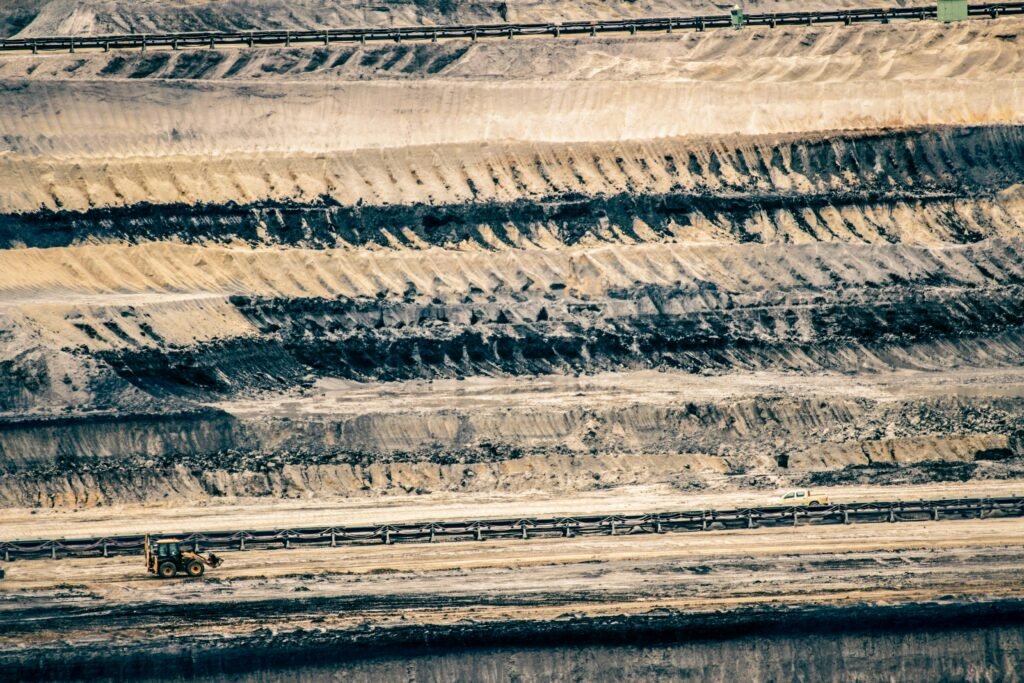
Mining projects often involve land clearing, road building, and deep excavation—activities that can significantly alter natural landscapes. Habitat fragmentation increases pressure on wildlife species uniquely adapted to high-altitude conditions, while vegetation loss can accelerate soil erosion. Because ecological recovery in alpine environments is typically slow, environmental damage may persist for decades if not properly addressed.
Community Livelihoods and Social Change
Beyond environmental effects, mining can reshape the social fabric of nearby communities. Many residents face a delicate balance between the economic opportunities created by mining and the long-term sustainability of traditional livelihoods such as pastoralism and small-scale farming. When grazing land or agricultural areas are affected, households may need to adapt quickly to changing economic realities.
Discussions around land use, compensation, and environmental safeguards have also emerged in some regions. These issues highlight the importance of transparent communication and inclusive planning when large industrial projects intersect with longstanding cultural and economic practices.
The Need for Responsible Resource Development
Together, these environmental and social dynamics underscore the growing importance of responsible mining practices in Tibet. Sustainable planning, environmental monitoring, and community engagement are increasingly viewed as essential components of long-term resource development. As the sector continues to evolve, governance structures, ownership models, and strategic oversight are becoming central to conversations about its future.
China’s Dominance in Tibet’s Mining Sector
Tibet’s modern mining industry is largely shaped by Chinese state-owned enterprises (SOEs), which maintain substantial influence over resource development, project approvals, and operational management. Backed by strong financial capacity and policy support, these companies have played a defining role in transforming the region into an important resource base.
Rise of State-Owned Enterprises
Major firms such as Zijin Mining have emerged as leading operators, reflecting the broader role of state-backed investment in high-value mineral projects. Over time, ownership structures have become increasingly centralized, with strategic minerals often treated as critical national resources.
Although Tibet once saw limited foreign participation—primarily during early exploration phases—the rapid expansion of domestic enterprises has resulted in a more consolidated industry landscape. Financing, infrastructure, and production planning are now largely coordinated through Chinese entities, contributing to a tightly managed resource system.
Implications for Local Economies
The dominance of large enterprises shapes employment patterns, production targets, and environmental standards across the sector. While mining projects can stimulate regional development and infrastructure growth, local communities may have varying levels of involvement in decision-making processes related to land use and long-term planning.
Industrial expansion can also influence traditional economic activities. As extraction sites grow, pastoral and agricultural practices sometimes adapt to shifting land availability and new economic opportunities. Balancing industrial progress with community stability remains an important consideration for policymakers and stakeholders.
Growing Global Attention
International observers are paying closer attention to mining practices in high-altitude regions, particularly regarding environmental protection, labor conditions, and sustainability. As global demand for critical minerals continues to climb, aligning economic objectives with environmental stewardship and community well-being is becoming increasingly important for the sector’s long-term credibility.
Major Mining Projects and Resource Clusters in Tibet
Tibet is home to several large-scale mining projects supported by significant investment and long-term development strategies. Concentrated primarily around copper, lithium, and chromium resources, these operations highlight the plateau’s expanding role in regional and national supply chains.
Julong Copper Mine
Situated in Maizhokunggar County near Lhasa, the Julong Copper Mine ranks among the largest mining projects in Tibet. Operated by Zijin Mining, the site contains copper alongside molybdenum and silver deposits. Expansion phases have substantially increased ore-processing capacity, reinforcing the mine’s importance as a long-term strategic asset.
Qulong Copper-Polymetallic Project
Also located in Maizhokunggar County, the Qulong project is managed by Tibet Julong Copper, a Zijin subsidiary. Designed as a major open-pit operation, it focuses on copper production supported by advanced grinding systems and extensive tailings infrastructure. Continued development has strengthened the region’s reputation as a key copper production zone.
Yulong Copper Mine
The Yulong Copper Mine in Chamdo Prefecture is notable for its extremely high elevation, making it one of the world’s highest-altitude copper operations. Jointly developed by Zijin Mining and Western Mining, the project is progressing toward large-scale annual output, supported by substantial infrastructure investments including dedicated energy facilities.
Jiama Copper-Gold Mine
Located close to Lhasa, the Jiama Copper-Gold Mine is a major polymetallic project operated by China Gold International. Following regulatory approvals, expanded operations have boosted daily processing capacity, securing the mine’s role as a leading producer of copper and gold in central Tibet.
Lobusha Chromite Mine
The Lobusha Chromite Mine in Qusum County, Shannan Prefecture, is one of Tibet’s longest-operating mining sites. Known for high-grade chromium ore, it has supported downstream industries such as ferrochrome and chrome chemical production for decades, maintaining its industrial relevance.
Lithium Extraction from Salt Lakes
Lithium development has accelerated rapidly, particularly within Tibet’s salt lake regions. The Zabuye Salt Lake project produces battery-grade lithium carbonate through brine extraction, while the Mamicuo Salt Lake initiative in Ngari Prefecture applies advanced adsorption technologies for large-scale output. Additional projects across neighboring high-altitude basins further expand lithium production capacity, reflecting the mineral’s importance in renewable energy and battery manufacturing.
Beyond these flagship projects, emerging mining clusters are taking shape around Lhasa, Shigatse, and parts of eastern Tibet. Ongoing exploration continues to identify new deposits, suggesting sustained momentum for the sector.
Geopolitical Dimensions of Mining in Tibet
Mining in Tibet carries significance beyond economic development, intersecting with broader regional and strategic considerations. The presence of critical minerals—including rare earth elements and other strategic metals—adds weight to Tibet’s role within long-term resource planning.
Strategic Resources and Security Considerations
Reliable access to essential minerals supports supply chain stability and industrial resilience. As demand for these materials grows worldwide, regions rich in natural resources naturally attract greater strategic attention.
Border Sensitivities and Infrastructure Development
Some mining activities occur in geographically sensitive areas, where infrastructure such as roads, power networks, and logistics facilities can influence regional dynamics. These developments may shape patterns of connectivity while also drawing attention to security considerations along nearby border regions.
Environmental Concerns on a Global Stage
Environmental stewardship in high-altitude ecosystems is increasingly viewed as a global issue. Topics such as water management, land restoration, and biodiversity protection are receiving wider international focus as the world seeks sustainable pathways for resource extraction.
Tibet’s Role in Regional Connectivity
Tibet’s geographic position links Central, South, and East Asia, giving infrastructure projects broader strategic relevance. Mining-related investments may contribute to evolving trade routes, energy corridors, and economic networks, further integrating the plateau into regional development frameworks.
Future Outlook and Ongoing Challenges for Tibet’s Mining Industry
As Tibet moves toward the late 2020s, its mining industry is widely expected to continue expanding. Major projects are approaching full production capacity, while new exploration sites are steadily being developed. Supported by improved transportation networks and ongoing capital investment, the region is likely to see rising mineral output, further strengthening its role in global resource markets. Copper and lithium are projected to remain at the center of this growth, driven by demand from construction, electronics, and clean energy technologies.
Despite this positive outlook, several challenges continue to shape the sector’s trajectory.
Environmental Pressures in a Fragile Landscape
Tibet’s high-altitude ecosystem is particularly sensitive to industrial activity. Concerns related to water quality, land degradation, and biodiversity protection remain prominent among researchers and local observers. Mining operations must increasingly balance production goals with ecological preservation, encouraging the adoption of advanced technologies designed to minimize environmental impact.
Stronger environmental safeguards, improved waste management, and more effective land restoration strategies are likely to play a critical role in maintaining long-term sustainability across mining zones.
Governance and Institutional Coordination
Regulatory and governance issues also remain key considerations. Centralized decision-making structures can sometimes limit local participation, making it challenging to develop resource strategies that fully reflect regional needs. Closer coordination among government bodies, enterprises, and communities may help create a more balanced approach—one that aligns economic development with environmental protection and social stability.
Building transparent processes and encouraging broader stakeholder engagement could enhance trust while supporting more resilient long-term planning.
Regulatory Framework and Governance in Tibet’s Mining Sector
Mining operations in Tibet function within a multilayered regulatory system shaped primarily by national policies and administrative oversight. This framework establishes the legal foundation for mineral exploration, licensing, land use, and extraction while formally emphasizing the importance of environmental protection and social considerations.
Policy Direction and Industrial Development
In practice, regulatory structures often prioritize economic expansion by encouraging large-scale investment and streamlining approval pathways. Updated mineral resource laws, land management policies, and environmental review procedures have been introduced in recent years to clarify operational requirements and reduce bureaucratic delays for mining enterprises.
These reforms improve efficiency and provide greater predictability for investors. However, they also prompt ongoing discussion about how to maintain rigorous environmental evaluation while accelerating project timelines.
Environmental Oversight and Enforcement
Environmental governance remains one of the most closely watched aspects of mining regulation. Environmental impact assessments are typically required before project approval, yet enforcement standards can vary depending on location and project scale. Monitoring capacity may be limited in remote areas, and compliance mechanisms continue to evolve.
Strengthening inspection systems and ensuring consistent enforcement could help bridge the gap between regulatory objectives and on-the-ground implementation.
Community Interests and Land Use
Growing mining activity has introduced new complexities surrounding land use, traditional livelihoods, and cultural landscapes. Legal provisions addressing compensation and community rights exist, but implementation may differ across regions. Because decision-making processes are often centralized, opportunities for local input can be constrained.
Enhancing institutional accountability and expanding participatory mechanisms may support more inclusive governance, helping communities adapt while preserving cultural and economic continuity.
Sustainability and Emerging Mining Practices in Tibet
Sustainability is becoming a defining theme in discussions about Tibet’s resource development. As awareness of environmental risks grows, industry stakeholders are placing greater emphasis on responsible mining methods that reduce ecological strain while maintaining economic momentum.
Ecological Restoration Efforts
Eco-restoration initiatives are frequently highlighted as part of modern mining strategies. Disturbed land can be stabilized through soil management programs, while replanting native vegetation helps restore natural habitats. Water rehabilitation projects are also being introduced in some areas to address contamination risks.
The long-term success of these measures depends heavily on continuous monitoring and whether restoration commitments remain active throughout the entire mining lifecycle.
Reducing Carbon Footprints
Mining operations require significant energy, presenting challenges in a region already sensitive to climate fluctuations. In response, some operators have begun adopting energy-efficient equipment and integrating renewable power sources where feasible. These steps signal progress, yet broader emissions standards and measurable targets may further strengthen environmental performance.
Evaluating “Green Mining” Claims
The concept of green mining has gained traction, but verifying environmental outcomes remains important. Independent assessments and alignment with internationally recognized sustainability benchmarks could improve transparency and reinforce credibility. Integrating environmental safeguards into every stage—from exploration to site closure—will ultimately determine the sector’s long-term sustainability.
Understanding the Broader Picture of Tibet’s Mining Development
Tibet’s mining sector sits at the intersection of economic opportunity, ecological sensitivity, and evolving governance practices. The extraction of minerals such as lithium, copper, and precious metals supports infrastructure growth, industrial supply chains, and participation in rapidly expanding technology markets.
At the same time, operating in one of the world’s most environmentally delicate regions requires careful planning and responsible oversight. Protecting water systems, preserving biodiversity, and supporting traditional livelihoods remain central considerations as development progresses.
Constructive engagement with local communities can contribute to more balanced outcomes. Transparent communication, equitable compensation frameworks, and inclusive decision-making processes may help align industrial activity with regional priorities.
As Tibet’s mining industry continues to evolve, its long-term direction will likely depend on how effectively economic ambitions are integrated with environmental stewardship, regulatory strength, and sustainable development principles.