
The Tibetan Partridge (Perdix hodgsoniae) is one of the most resilient birds of the Tibetan Plateau, perfectly adapted to life in rugged alpine landscapes where survival demands strength, camouflage, and endurance. Unlike many high-altitude birds that rely on flight, this hardy gamebird trusts the ground—running swiftly across rocky slopes and tundra with remarkable agility.
Belonging to the Phasianidae family, the Tibetan Partridge symbolizes the raw wilderness of the Himalayas. Its ability to thrive in thin air, freezing temperatures, and sparse vegetation makes it a fascinating species for wildlife enthusiasts and birdwatchers exploring Tibet.
Overview of the Tibetan Partridge
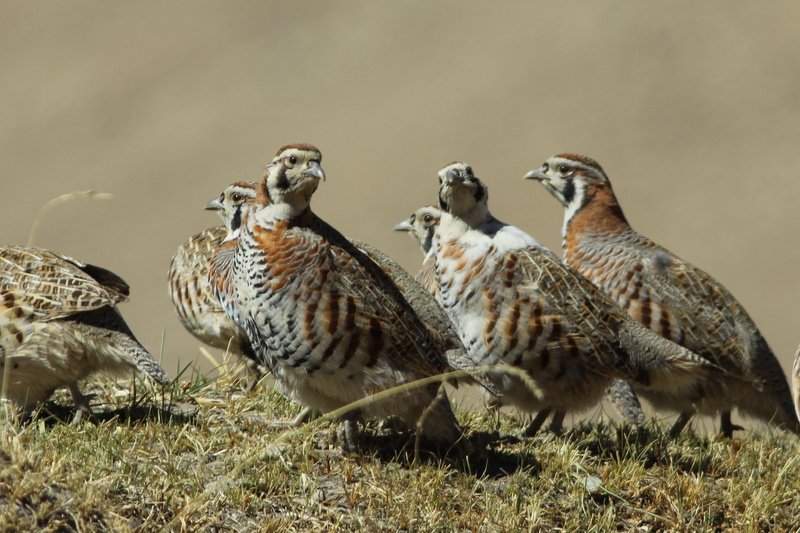
Measuring around 30–35 cm in length, the Tibetan Partridge is a medium-sized ground bird with beautifully patterned plumage designed for concealment.
Key Identification Features
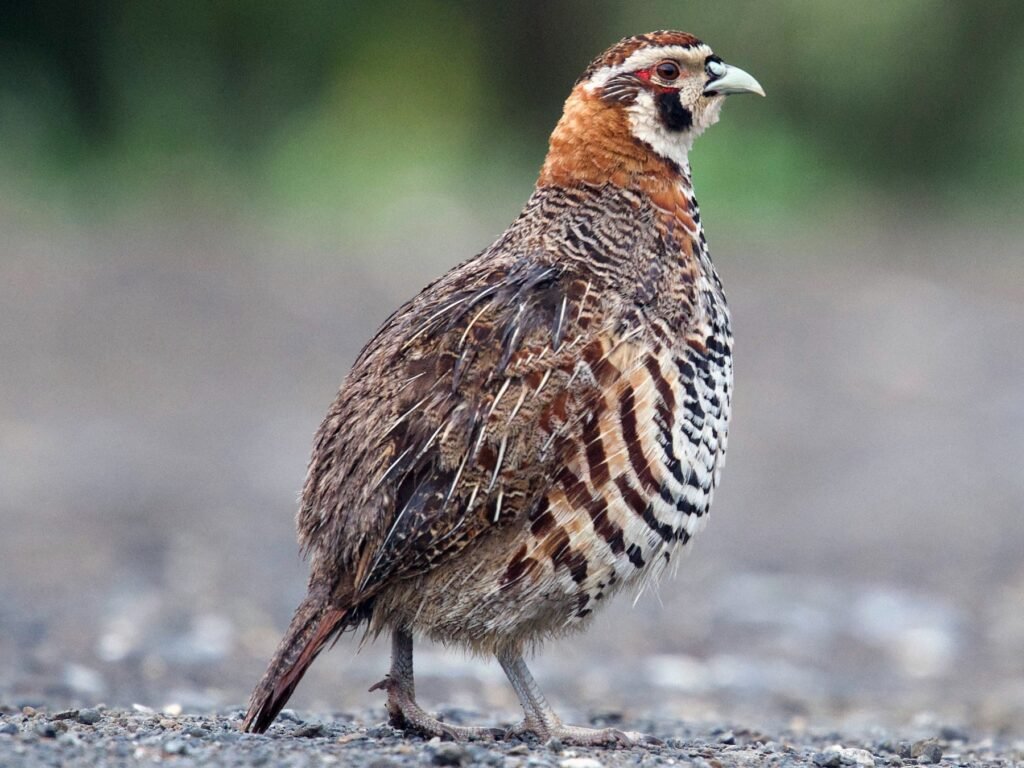
- Upperparts: Mottled gray-brown with fine black barring
- Flanks: Rich rufous tones with bold striping
- Head: Chestnut crown and a distinctive white throat edged in black
- Legs: Reddish in males, slightly duller in females
From a distance, their coloration blends seamlessly into alpine stones and scrub, making them surprisingly difficult to spot.
Habitat: Life Above the Clouds
The Tibetan Partridge inhabits some of Asia’s highest ecosystems, ranging between 2,400 and 5,500 meters. These birds favor environments where vegetation is sparse but sufficient for shelter and food.
Common habitats include:
- Rocky alpine zones
- Subalpine scrublands
- High meadows with rhododendron bushes
- Grassy mountain slopes
- Sheltered valleys
Their distribution stretches across the Tibetan Plateau, northern Nepal, Bhutan, Sikkim, parts of northwestern India, Kashmir, and adjacent regions of China.
Seasonal Vertical Migration
Instead of migrating long distances, Tibetan Partridges perform a clever survival strategy known as vertical migration—simply moving up or down the mountains depending on the season.
| Season | Elevation | Habitat |
|---|---|---|
| Summer | 4,000–5,000 m | Alpine tundra near the snow line |
| Winter | 2,500–3,500 m | Sheltered valleys and subalpine scrub |
During harsh winters, descending to lower elevations provides easier access to forage and slightly milder temperatures.
Built for Running, Not Flying
The Tibetan Partridge is often described as a “pedestrian bird” because it prefers running over flying whenever possible.
The Run-First Survival Strategy
- Powerful legs allow bursts of speed reaching up to 30–40 km/h.
- Short explosive flights are used only when absolutely necessary.
- After landing, the bird immediately resumes running to safety.
This behavior helps conserve energy in oxygen-poor environments while reducing exposure to aerial predators.
Covey Life: Safety in Numbers
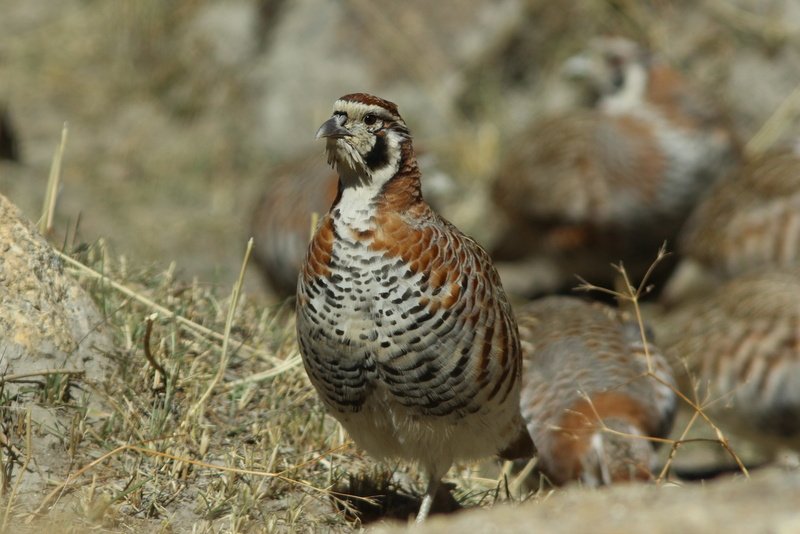
Outside the breeding season, Tibetan Partridges gather in groups known as coveys, typically consisting of 5–20 birds.
When threatened, the flock moves together in a coordinated dash, creating confusion for predators such as:
- Tibetan foxes
- Eagles
- Snow leopards
Their synchronized escape is a remarkable example of group survival in harsh terrain.
Camouflage Mastery: Nature’s Disguise
The Tibetan Partridge’s plumage is its greatest defense. At a glance, a resting bird resembles nothing more than a rounded stone.
Camouflage Highlights
- Disruptive facial markings break up the bird’s outline.
- Chestnut flank bars mirror the shadows of alpine vegetation.
- A subtle black belly patch becomes visible when the bird stands upright to scan for danger.
This natural disguise allows them to remain nearly invisible until they suddenly burst into motion.
Diet and Foraging Behavior
The Tibetan Partridge is both herbivorous and insectivorous, spending much of its day searching the ground for food.
Typical diet includes:
- Seeds and grasses
- Roots and bulbs
- Leaves and berries
- Moss
- Insects and small invertebrates
Using their strong bills and feet, they can even dig through snow to uncover frozen vegetation—an impressive adaptation for winter survival.
Breeding Season in the Highlands
Breeding typically occurs between May and July, often on shrubby north-facing slopes near areas like Lhasa and Gyama Valley.
Nesting Habits
- Nests are shallow scrapes hidden under bushes.
- Lined with grass, feathers, and plant material for insulation.
- Females lay 8–14 pale buff eggs.
After an incubation period of about 21–23 days, chicks hatch fully mobile and quickly leave the nest, an important trait in predator-rich environments.
Sounds of the Alpine Slopes
Although usually quiet, Tibetan Partridges communicate with distinct calls:
- Sharp “cheep-cheep” alarms when danger is near
- Soft whistling notes to maintain contact within flocks
Listening carefully during early morning hikes can often reveal their presence before they are seen.
Birdwatching Tips: Where to See Tibetan Partridges in Tibet
These elusive birds are year-round residents, but sightings improve during winter when flocks descend to lower elevations.
Best Locations for Tibetan Partridge Spotting
Gyama Valley (1–2 hours from Lhasa)
North-facing slopes and high meadows provide reliable encounters. Gentle hiking trails make this area ideal for observing coveys running across open terrain.
Changtang Nature Reserve
Vast grasslands and tundra create perfect habitat. Overland drives often reveal groups moving along rocky hillsides alongside other plateau wildlife.
Nyingchi Prefecture
Subalpine scrub and rhododendron thickets near Basum Lake attract flocks, especially during multi-day trekking routes.
Expert Birdwatching Tips
- Wear earth-toned clothing to blend into the landscape.
- Move slowly and avoid sudden gestures to prevent flushing the birds.
- Scan slopes carefully—look for movement rather than shape.
- Bring binoculars for distant coveys.
- Start early, when partridges are actively foraging.
Because terrain can be challenging, many travelers choose experienced local guides for safe navigation and improved wildlife spotting.
International visitors should arrange Tibet Travel Permits in advance through licensed operators such as @tourtraveltibet, often combining birdwatching with cultural landmarks like Sera Monastery for a richer highland experience.
Conservation Status and Environmental Pressures
The Tibetan Partridge is currently classified as Least Concern, supported by a wide distribution spanning over one million square kilometers. Remote habitats provide natural protection, but localized challenges remain:
- Overgrazing
- Habitat degradation
- Hunting pressures
- Climate-driven ecosystem changes
Monitoring these factors is essential to ensure that this remarkable alpine specialist continues to thrive across Tibet’s windswept landscapes.
A Remarkable Survivor of the Plateau
Few birds capture the essence of high-altitude resilience quite like the Tibetan Partridge. Perfectly camouflaged, lightning-fast on foot, and deeply attuned to mountain rhythms, it represents a quieter side of Tibet’s wildlife—one that rewards patient observers with unforgettable glimpses of life at the edge of the sky.