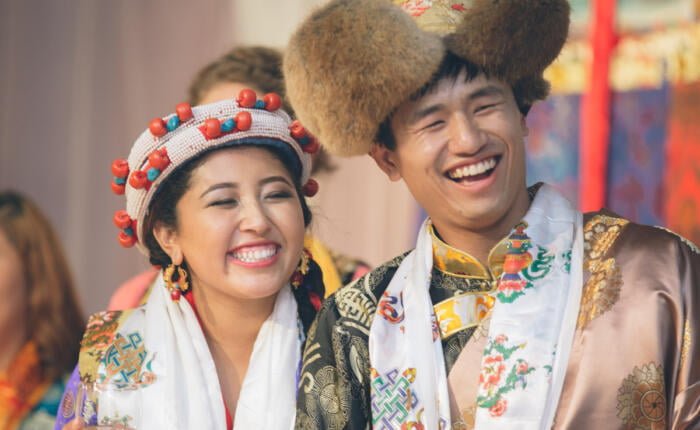
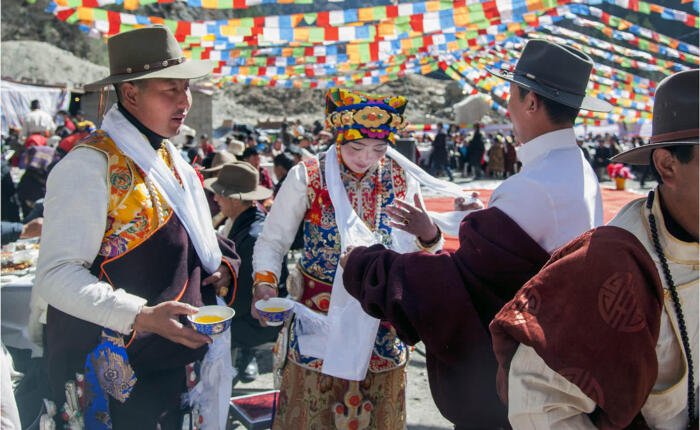
Explore the enchanting wedding customs of Shigatse, where traditional Tibetan rituals meet modern elegance. Our detailed guide delves into the unique ceremonies, from the selection of auspicious dates by monastery lamas to the vibrant Guozhuang dance. Discover the significance of 'khata' scarves, the elaborate bridal attire, and the communal joy that marks these celebrations. Ideal...Read More
Uncover the secrets of Tibet's 612 captivating lakes with our comprehensive FAQ guide. Learn about the unique characteristics that make these lakes stand out, from their vast distribution across the Qinghai-Tibet Plateau to their contrast against the stereotypical image of Tibet as a dry highland. Explore how Tibet's lakes, many spanning over five square kilometers,...Read More
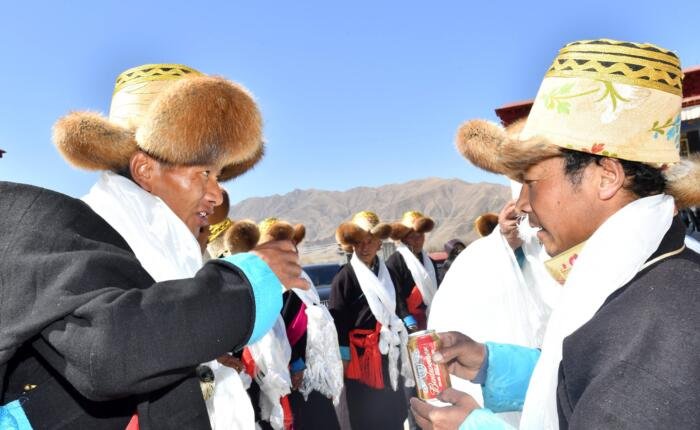
Dive into the rich tapestry of Shigatse's Tibetan attire, a blend of elegance, tradition, and cultural identity. Discover the unique styles of men's and women's clothing in this Tibetan region, from the white woolen robes adorned with blue satin to the vibrant "Chuba Pume" robes and intricate "Bangdian" aprons worn by women. Learn about the...Read More
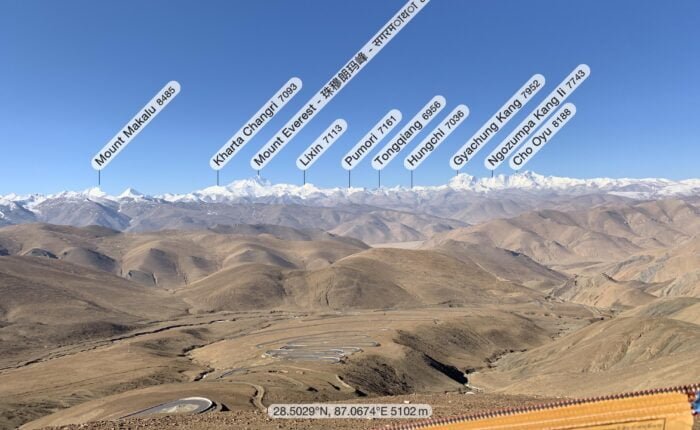
Embark on a journey through the majestic Himalayas and the sacred Gangdise-Nyenchen Tanglha Range in Tibet. Our guide offers an in-depth look at these awe-inspiring landscapes, highlighting the enchanting Siwalik Hills, the rugged Lesser Himalayas, and the towering Greater Himalayas, including Mount Everest. Explore the spiritual peaks of Mount Gang Rinpoche and Mount Nyainqêntanglha, and...Read More
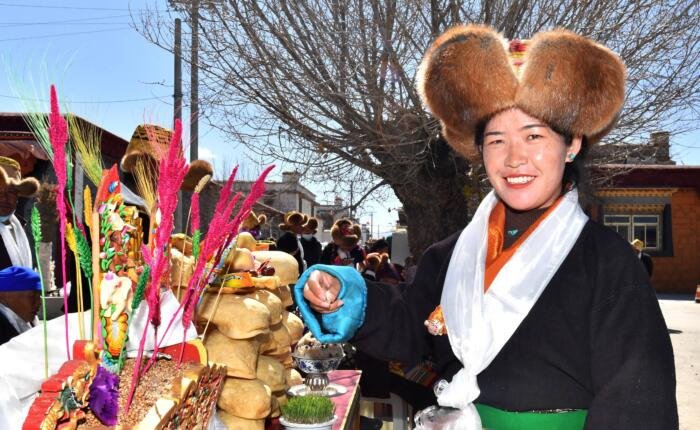
Discover the unique Tibetan New Year celebration, Sonam Losar, recognized as part of the Tibet Autonomous Region's Intangible Cultural Heritage. Uncover the rich traditions and preparations starting from the Tibetan calendar's twelfth month, including house cleaning rituals, repainting sacred mounds, and symbolic culinary practices. Learn about the vibrant customs that set Sonam Losar apart from...Read More
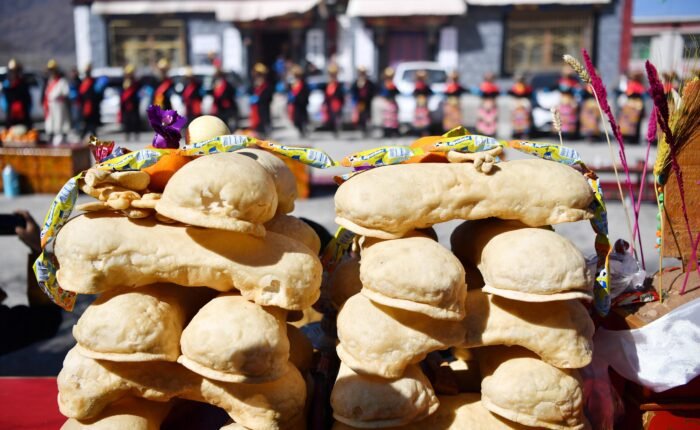
Prepare for the Tibetan New Year with our comprehensive shopping guide. Discover the bustling markets of Chongsaikang in Lhasa and Barkhor Specialty Product Mall, hubs for essential New Year items. Learn about the significance of Multicolored Barley Ears, Kasai pastries, Chemar Boxes filled with barley and Tsampa, Butter Sculptures, and Losar Metok flowers. These traditional...Read More
Explore the enchanting wedding customs of Shigatse Kamba, a region rich in cultural heritage. Learn about the respectful proposal process involving the unique 'milk gift' and the thoughtful selection of auspicious wedding days based on astrological and environmental considerations. Dive into a world where traditional rituals blend seamlessly with the historical and cultural fabric of...Read More
Discover Losar, the Tibetan New Year, a festival deeply rooted in ancient traditions and history. Celebrated as “Gyalpo Lo-Sar,” learn about its origins dating back over a millennium in the Tibetan lunisolar calendar, influenced by the Yungdrung Bön religion and the ancient Zhang Zhung period. Explore the evolution of this significant cultural event and its...Read More
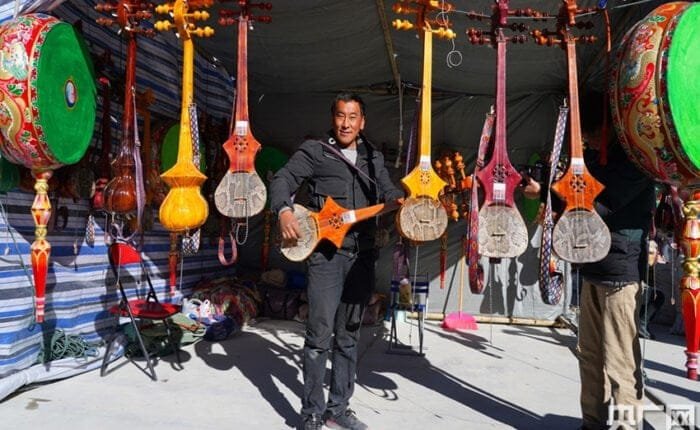
Dive into the rich tapestry of Kamba's cultural heritage through the grand Shaychen performances, the melodious Dranyen Shabdro, and the captivating Tibetan Opera. Discover the beauty, history, and significance of these unique musical and dance traditions that reflect Kamba's enduring cultural identity.Read More
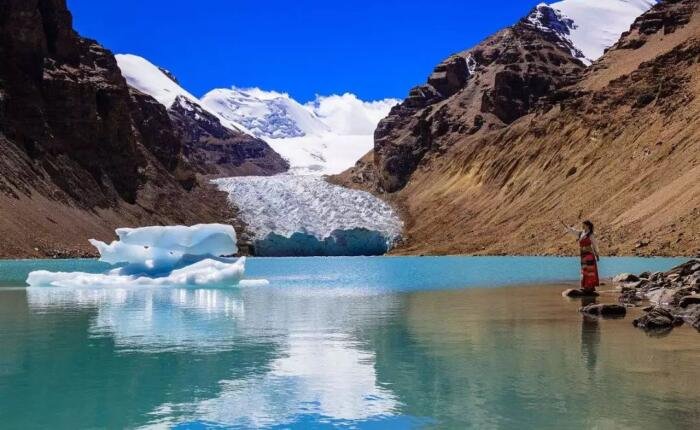
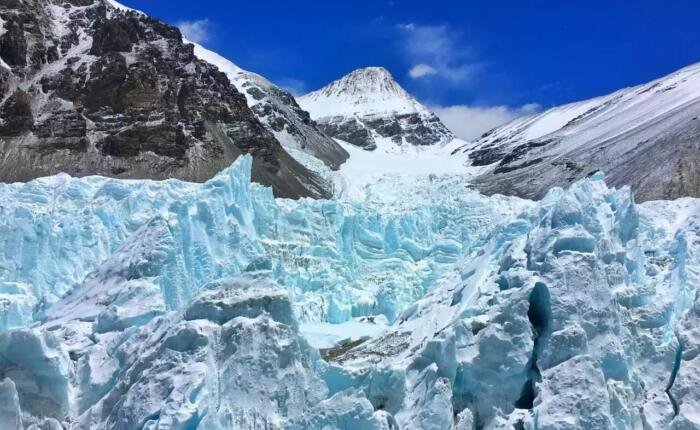
Explore the captivating beauty of Chorten Nyima Glacier, located 40 kilometers southwest of Kampa County in Shigatse. Discover the legend behind its name, witness breathtaking views of snow-capped mountains, and immerse yourself in the spiritual significance of this sacred site. Experience the wonder of un-melted ice chunks floating in pristine green waters. Plan your journey...Read More
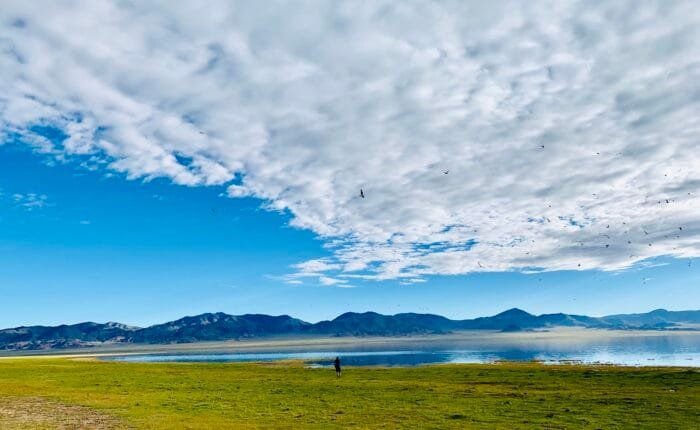
Embark on a spiritual journey to Tsomjay Tso, revered in Tibetan culture as "Lha-Po Bzang Mtsho" and "Chorten Nyima Viewing Lake." Located in Kampa County, this sacred site lies beneath the majestic Chorten Nyima Lha mountain glacier at 5,500 meters elevation. Explore the legend of the three mystical lakes known as the "Sacred Lakes" -...Read More
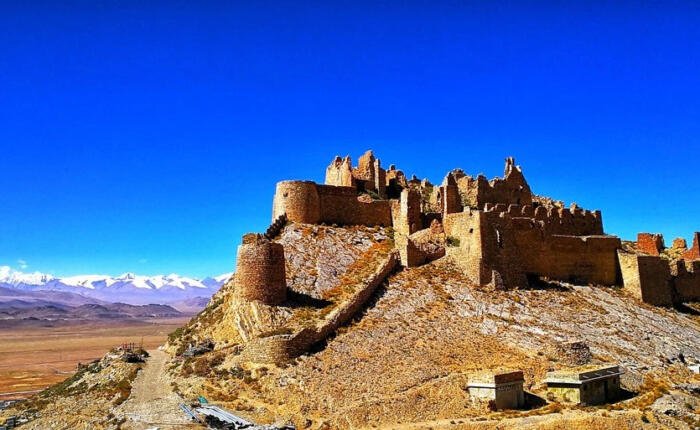
Discover Kamba Castle, a historic fortress in Kampa County with over 600 years of history dating back to the Phakmodrupa era. Witness the site of the 1903 British invasion and the 1939 German Nazi expedition, highlighting its significance in guarding the Himalayan passage. Learn about its strategic location opposite the snow-capped mountains and the former...Read More
Embark on a journey to Chorten Nyima Mineral Spring in Kampa County, renowned for its therapeutic properties and pristine environment. Perched at 5,128 meters in the Himalayas, this untouched mineral spring, rich in essential minerals, offers health benefits and a unique cultural history. Explore its influence on regional traditions, its significance in Tibetan scriptures, and...Read More
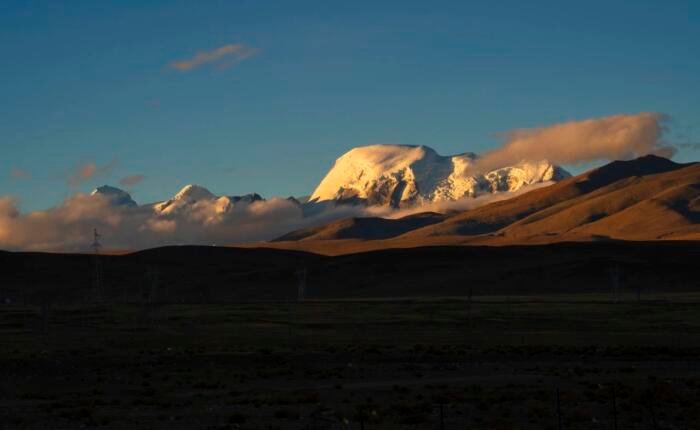
Discover the allure of Hakin Sangra Peak in Kampa County, Shigatse, Tibet. Renowned for its breathtaking landscapes, year-round snow-covered peaks, and rich cultural history, this majestic peak offers a unique blend of natural beauty and historical significance. Learn about the local culinary delight, Kampa Sheep, and the area's connection to the revered sage Padmasambhava. Experience...Read More
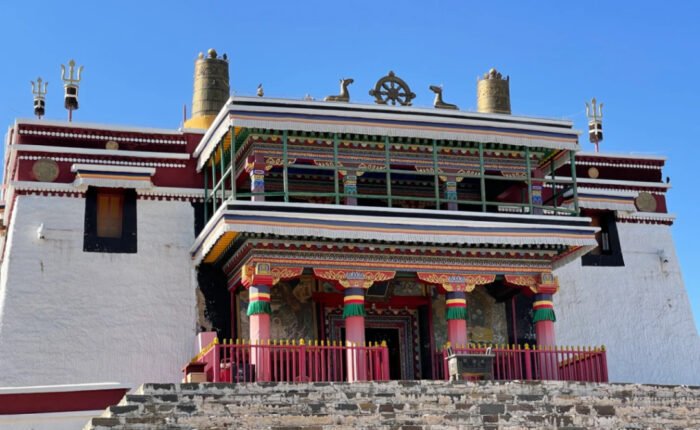
Discover the Chudeng Nima Monastery, also known as "Nima Monastery," located in Changlong Township, Gampa County, Shigatse City. Situated at 5,100 meters in the Himalayas, this ancient site dates back over 1,300 years and follows the Nyingma school of Tibetan Buddhism. Learn about its connection to Padmasambhava and explore its unique Tibetan architecture, including a...Read More
Explore the Nayjal Chenmo Cave Temple, known as "Nayjal Cave Temple," a crucial relic of Tibet's Tubo period cave architecture, located in Nayjal Village, Kampa County, Shigatse. Perched on a cliff at 5,000 meters, it stands as the second cave temple discovered in Tibet, enriching the region's cave art history. The complex includes five south-facing...Read More
Discover Gampa County in Tibet, a peaceful and culturally vibrant region nestled in the Himalayas. Known as Gam-pa, meaning 'near the snow mountain', Gampa boasts stunning landscapes near Dzomu and Kangqên Gyaluo snow mountains. Learn about its rich history, evolving from 'Kamba' in the Ming Dynasty to 'Gamba' in the Qing, and its transformation into...Read More
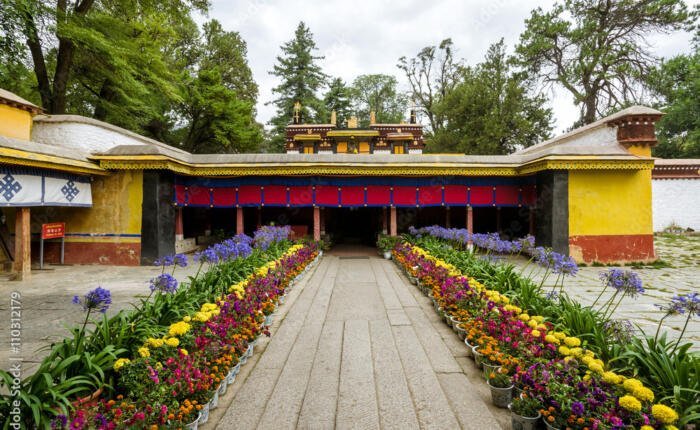
Discover the serene beauty of Kunchok Linka in Shigatse, a hidden gem rich in Tibetan culture and natural splendor. Visit this historic park, known for its spiraled willows and tranquil Dekyi Lake, offering a peaceful retreat with spiritual significance. Ideal for nature lovers and cultural enthusiasts, Kunchok Linka combines the charm of ancient trees, historical...Read More
Step into the historical Dechen Phodrang, the revered summer palace of the Panchen Lamas in Shigatse, Tibet. Explore its architectural grandeur, lush gardens, and rich cultural legacy, just a stone's throw from the iconic Tashilhunpo Monastery. Uncover the artistic treasures within its walls and experience the serene beauty that has made Dechen Phodrang a symbol...Read More
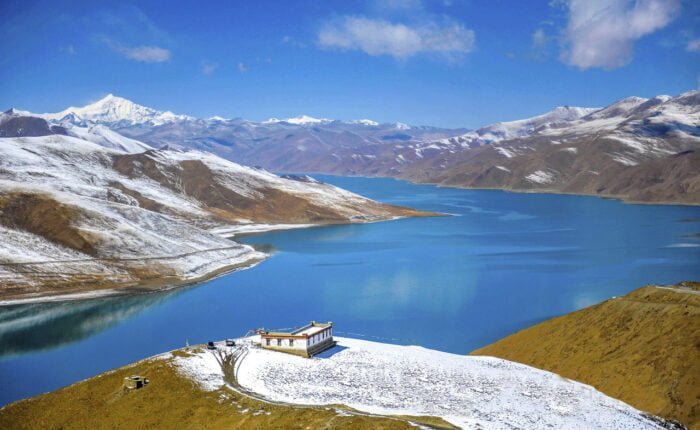
Discover the splendor of Gambala Mountain, a key natural landmark in Tibet. Known for its stunning landscapes and strategic importance, Gambala offers travelers panoramic views of Yamdrok Lake and insights into human resilience at high altitudes. Learn about the historic Gambala Heroic Radar Station and experience the unique blend of nature's beauty and human perseverance...Read More