

Surij Tomb Complex: An Ancient Burial Site in Tingri
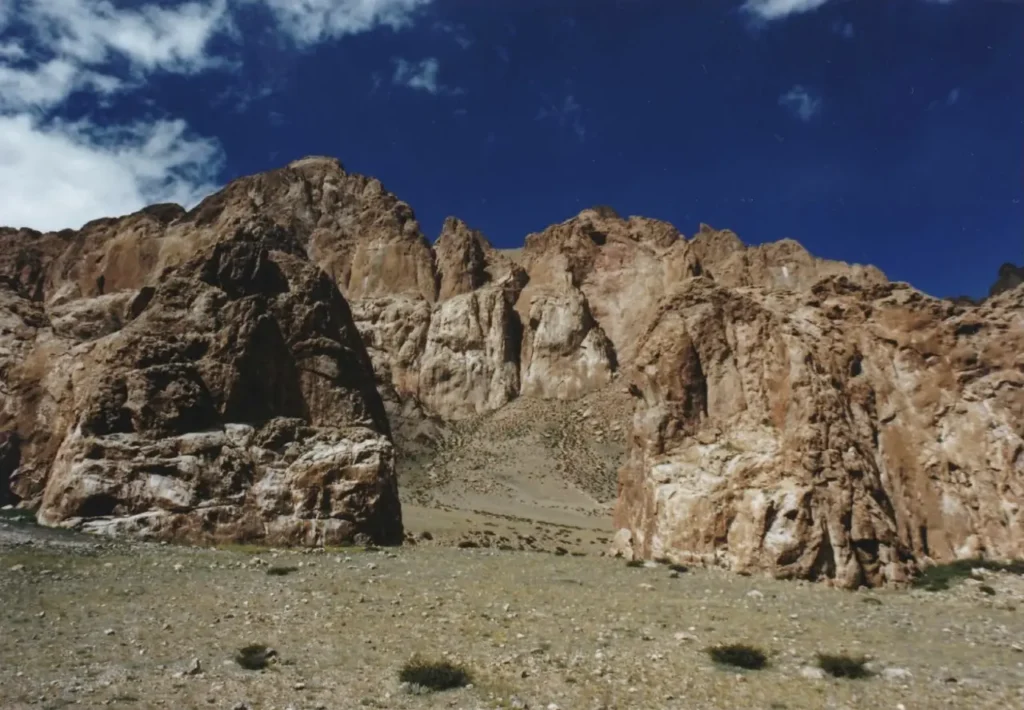
Hidden among the highland landscapes of Tingri County, the Surij Tomb Complex is a remarkable archaeological site that offers a rare glimpse into Tibet’s early history. Located in Maduo Village, this ancient cemetery sits quietly in the mountains, facing east in accordance with traditional beliefs tied to rebirth and the rising sun. Today, it stands as one of the most intriguing historical relics in the Mount Everest region.
Location and Historical Background
The Surij Tomb Complex lies in Tingri County, part of Shigatse Prefecture in Tibet, an area known for its vast grasslands and proximity to Mount Everest. Archaeological studies and Carbon-14 dating indicate that these tombs date back to the Tubo period, the era of the Tibetan Empire, making them more than 1,200 years old. This places the site among the earliest large-scale burial grounds discovered in the region.
A total of 61 tombs have been identified at Surij, arranged across gently sloping terrain. Their orientation and layout suggest careful planning rather than random placement, reflecting the social structure and spiritual concepts of the people who built them.
Unique Tomb Layout and Orientation
One of the most striking features of the Surij Tomb Complex is the diversity of tomb shapes. The site includes rectangular, circular, and trapezoidal tombs, each constructed using locally sourced cobblestones and packed sand. The use of natural materials blends the tombs seamlessly into the surrounding landscape, while also ensuring their durability in the harsh plateau climate.
All tombs face east, a detail that highlights the symbolic importance of the direction in ancient Tibetan burial customs. This consistent orientation suggests shared beliefs about the afterlife and cosmic order during the Tubo period.
Rectangular Tombs: Precision in Stone
The rectangular tombs are particularly notable for their clear proportions and careful stonework. Each tomb measures approximately 12 meters long at the front, narrowing slightly to about 11 meters at the rear. With a width of 6 meters and a height of just under half a meter, these low-profile structures appear understated yet deliberate.
Built from stacked stones without visible mortar, the rectangular tombs demonstrate advanced construction techniques and a strong understanding of stability and form.
Circular Tombs: Simplicity and Scale
Circular tombs at the Surij site vary dramatically in size, ranging from very small structures measuring only 0.17 meters in diameter to impressive monuments up to 21 meters wide. Despite this variation, they share a consistent height of around 38 centimeters.
These round tombs may have served different social or ceremonial purposes, possibly reflecting distinctions in status, age, or family lineage within the community.
Trapezoidal Tombs: Engineering and Symbolism
The trapezoidal tombs stand out as the most complex structures in the complex. Measuring about 18.2 meters at the front, 11 meters at the back, and 17.6 meters in width, these tombs rise to a height of 1.48 meters, making them the tallest at the site.
A distinctive feature is the three-tiered stepped entrance, designed like a low stone wall. This architectural detail not only adds visual impact but also suggests ritual significance, possibly marking the tombs of individuals with higher social standing.
Archaeological Discoveries and Excavations
Excavations at the Surij Tomb Complex have revealed valuable artifacts that deepen our understanding of life during the Tibetan Empire. Tomb 42, one of the most thoroughly studied, yielded human skeletal remains, fragments of pottery, and pieces of iron tools or weapons.
Notably, the artifacts are undecorated, reflecting a practical aesthetic and possibly a cultural preference for simplicity in burial practices. These findings help archaeologists reconstruct aspects of daily life, technology, and burial customs in early Tibetan society.
Cultural Significance of the Surij Tomb Complex
The Surij Tomb Complex is more than an ancient cemetery—it is a key historical site that sheds light on the social organization, craftsmanship, and spiritual beliefs of the Tubo period. Its well-preserved tombs provide crucial physical evidence of early Tibetan civilization in the Tingri region, an area that later became central to trans-Himalayan trade and cultural exchange.
As archaeological research continues, Surij remains an important reference point for understanding the evolution of burial traditions on the Tibetan Plateau and the enduring legacy of the Tibetan Empire.