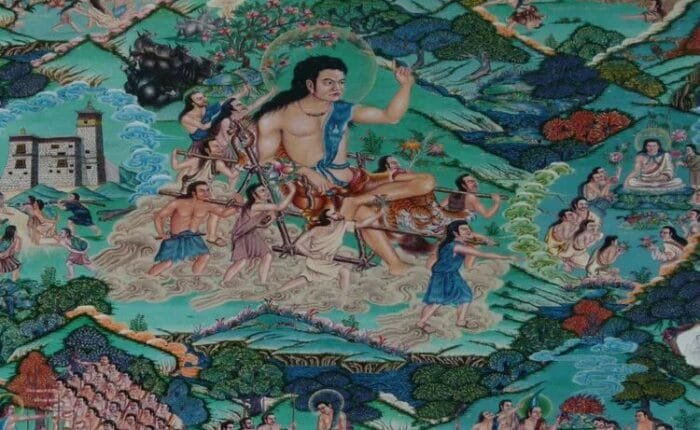
Early Tibetan Kings and Dynasties Series Nyatri Tsenpo (Tibetan: གཉའ་ཁྲི་བཙན་པོ།) is recorded in Tibetan tradition as the first Tsenpo (king) in Tibetan history. He stands at the head of the legendary “Seven Heavenly Kings” and is recognized as the founder of the Yarlung (Tubo) royal lineage, making him a central figure in the origins of...Read More
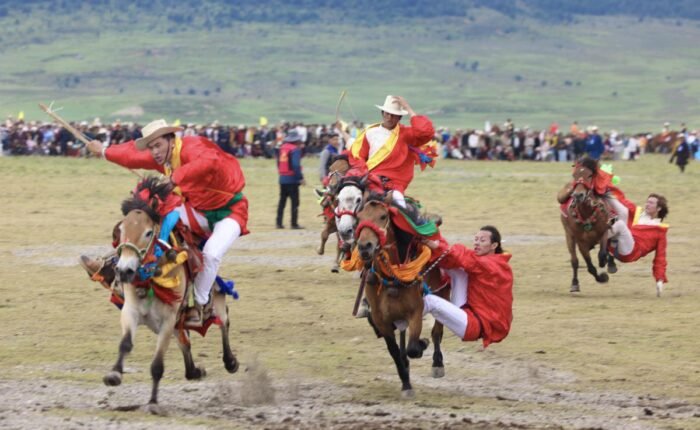
The Damshung Horse Racing Festival, also known as the Dam Kyireng Horse Racing Festival, is one of the most important traditional festivals on the northern Tibetan grasslands. Recognized as a National Intangible Cultural Heritage of China (Second Batch), the festival carries deep historical, cultural, and social meaning rooted in Tibetan nomadic life. Held on the...Read More
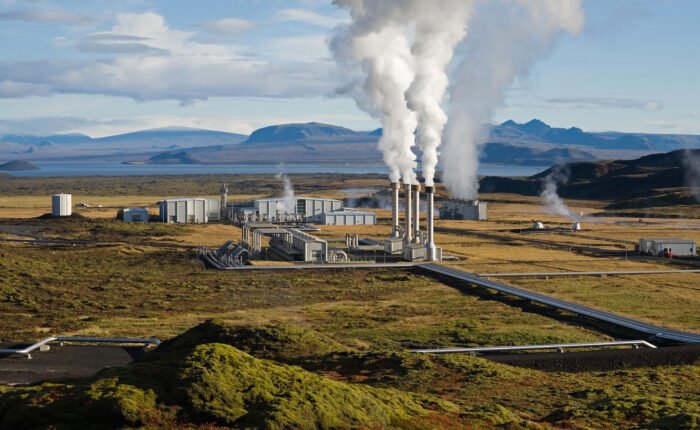
Yangbajing Geothermal Field is one of the most remarkable natural wonders on the Tibetan Plateau. Located about 90 kilometers northwest of Lhasa, at the southern foothills of the Nyenchen Tanglha Mountains, it is also one of the most accessible geothermal sites in Tibet. The field lies close to both the Qinghai–Tibet Highway and the Qinghai–Tibet...Read More
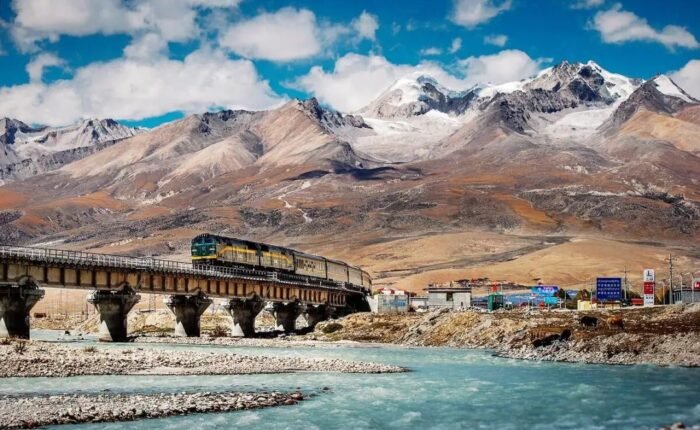
The Qinghai–Tibet Railway, often praised as the legendary “Sky Railway”, is the world’s highest-altitude, longest, and longest-permafrost-crossing plateau railway. As one of China’s four major national projects of the new century, it completely broke Tibet’s long-standing transportation bottleneck and profoundly reshaped the development of Qinghai and Tibet. More than just a railway, the Qinghai–Tibet Railway...Read More
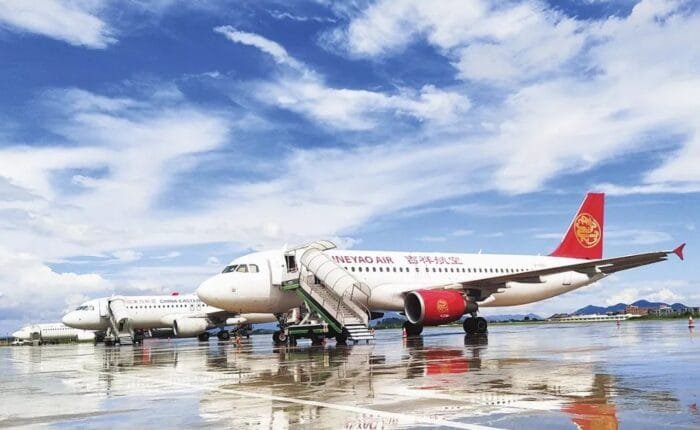
Damxung Airport: Where Tibet’s Aviation History Began Damxung Airport holds a truly irreplaceable place in Tibetan history. As the first airport ever built in Tibet, it marked the dawn of aviation on the “Roof of the World” and opened a bold new chapter in global high-altitude flight history. Located in Damxung County, north of Lhasa,...Read More