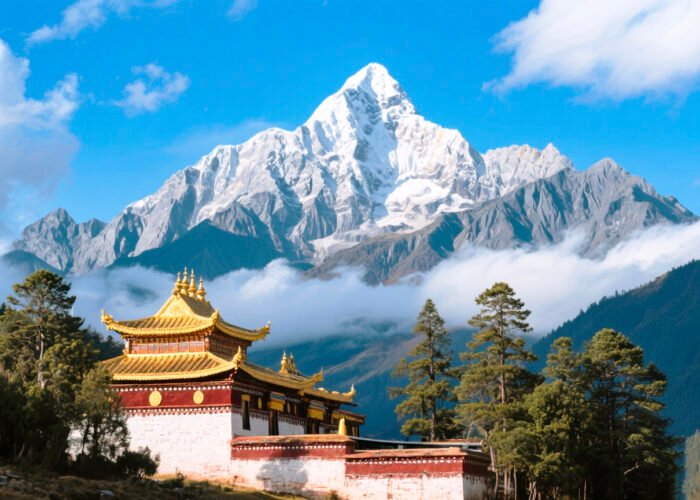
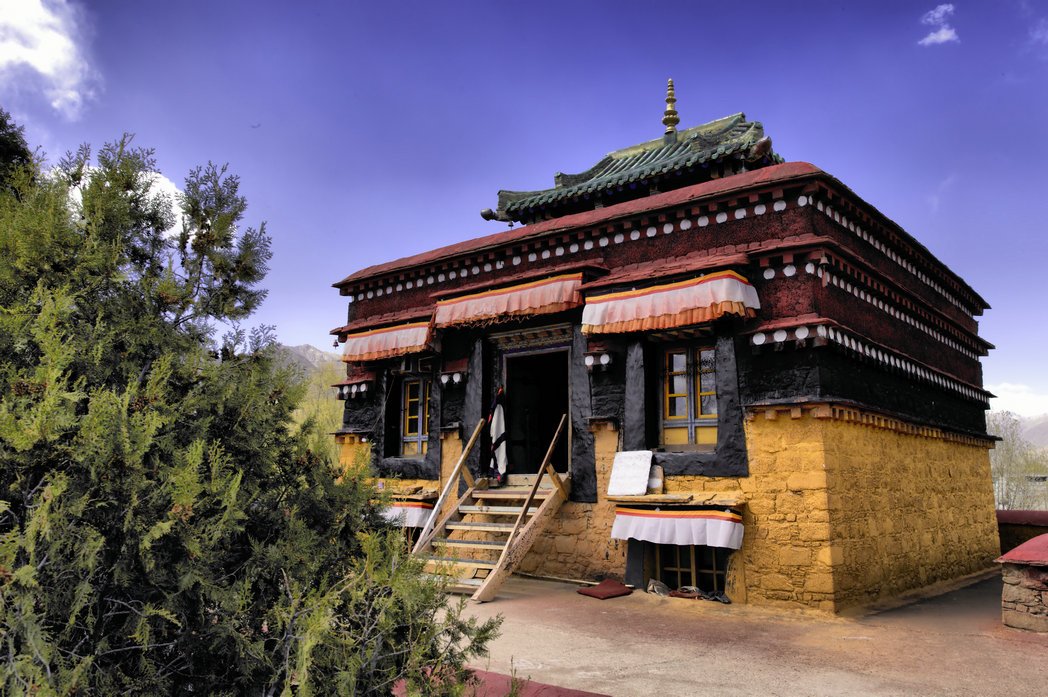
Ratoe Monastery is an important spiritual landmark of Tibetan Buddhism’s Gelug school, located along the banks of the Ratoe River in Qushui County, southwest of Lhasa. Positioned near Nyetang Township and directly on the route from Lhasa city to Gonggar Airport, the monastery is both easily accessible and deeply rooted in religious tradition.
Founded in 1205, Ratoe Monastery has long served as a center of learning, debate, and devotion. Surrounded by open valleys and gentle hills, it offers visitors a quiet yet powerful glimpse into the living practice of Tibetan Buddhist scholarship.
Historical Background and Religious Significance
Ratoe Monastery was founded by Sangpu Lingdü and is dedicated to Je Tsongkhapa, the revered founder of the Gelug tradition. As one of the Six Major Monasteries of Central Tibet, Ratoe holds a respected position in the religious and academic landscape of the region.
For centuries, the monastery has focused on Buddhist philosophy, logic, debate, and monastic discipline, following the classical Gelug curriculum. Monks here devote years to studying sutras and commentaries, preserving a scholarly tradition that remains active today.
Location and Setting in Qushui County
The monastery lies about 21 kilometers from downtown Lhasa, making it an easy half-day visit for travelers exploring religious sites beyond the city center. Nestled beside the Ratoe River, the setting is peaceful and uncluttered, with fewer crowds compared to major monasteries like Drepung or Sera.
Its location near the Lhasa–Gonggar Airport road makes Ratoe Monastery a meaningful stop for visitors arriving in or departing from Lhasa, blending spiritual discovery with scenic countryside views.
The Jang Gonchoe Festival: Tibet’s Largest Monastic Debate Event
Ratoe Monastery is best known for hosting the Jang Gonchoe Festival, the largest monastic debate festival in Tibet. This major religious event takes place every year from the 3rd to the 28th day of the 11th month in the Tibetan calendar.
During this period, hundreds of monks gather at Ratoe from the Five Great Monasteries of the Lhasa area:
- Drepung Monastery
- Sera Monastery
- Ganden Monastery
- Jokhang Temple
- Ratoe Monastery
For 25 days, monks engage in rigorous philosophical debates, scriptural recitations, and formal examinations. These debates are central to the Gelug tradition and play a key role in the process of earning advanced monastic degrees.
A Living Tradition of Study and Devotion
Throughout the Jang Gonchoe Festival, the monastery becomes a vibrant spiritual hub. Courtyards echo with clapping hands and chanting voices as debates unfold from morning to evening. Pilgrims and local devotees arrive daily to offer butter lamps, donations, and prayers, creating an atmosphere of devotion and learning.
Unlike purely ceremonial festivals, Jang Gonchoe highlights the intellectual foundation of Tibetan Buddhism, allowing visitors to witness how philosophy, logic, and spiritual discipline come together in daily monastic life.
What Visitors Can Experience at Ratoe Monastery
Outside of festival season, Ratoe Monastery remains a calm and contemplative place. Visitors can observe monks studying in courtyards, walking slowly along prayer paths, or gathering for daily rituals. The monastery’s architecture reflects traditional Gelug design, simple yet dignified, blending naturally into the surrounding landscape.
Because it receives fewer tourists than major Lhasa monasteries, Ratoe offers a more authentic and unhurried experience, ideal for travelers interested in Tibetan Buddhist education and practice.
Visiting Tips for Ratoe Monastery
- Admission: Free entry; voluntary offerings are welcome
- Opening Hours: 9:00 AM – 6:00 PM
- Distance from Lhasa: Approximately 21 kilometers
How to Get There
Daily transportation to Ratoe Monastery is available from the entrance of Jokhang Temple between 7:30 AM and 8:00 AM.
- Ticket Price: 10 RMB per person
This convenient option makes Ratoe Monastery an easy and rewarding addition to a Lhasa travel itinerary, especially for those seeking insight into Gelug monastic education and debate traditions.
Quiet, scholarly, and deeply spiritual, Ratoe Monastery stands as a vital center of Gelug Buddhism and a meaningful destination for travelers wishing to explore Tibet’s living religious heritage beyond the city walls of Lhasa.