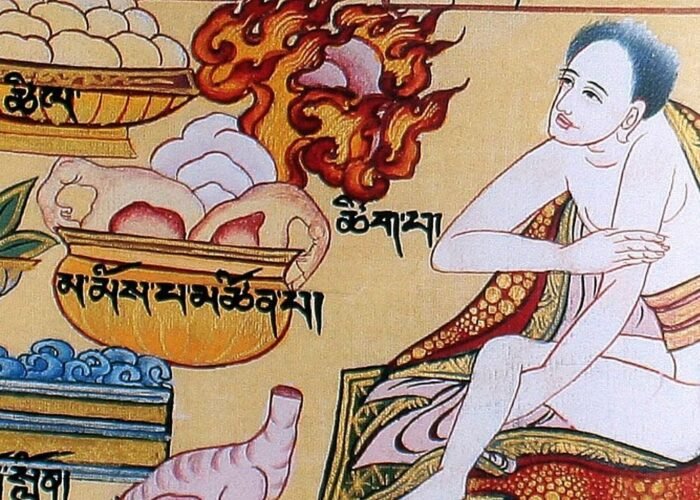
Tibetan medicine, known as Sowa Rigpa or the “Science of Healing,” is one of the world’s oldest traditional medical systems. Rooted in the unique environment of the Tibetan Plateau, this holistic practice has developed over thousands of years, blending herbal medicine, spiritual philosophy, and practical clinical knowledge.
For many people outside the Himalayan region, Tibetan medicine remains mysterious and fascinating. Its use of rare herbs, minerals, and complex preparation methods has attracted growing global interest in natural healing and alternative medicine.

The Cultural Roots of Sowa Rigpa
Tibetan medicine is one of the five major branches of traditional Tibetan knowledge. The word Sowa Rigpa literally means “the knowledge of healing,” reflecting a system that integrates body, mind, and environment.
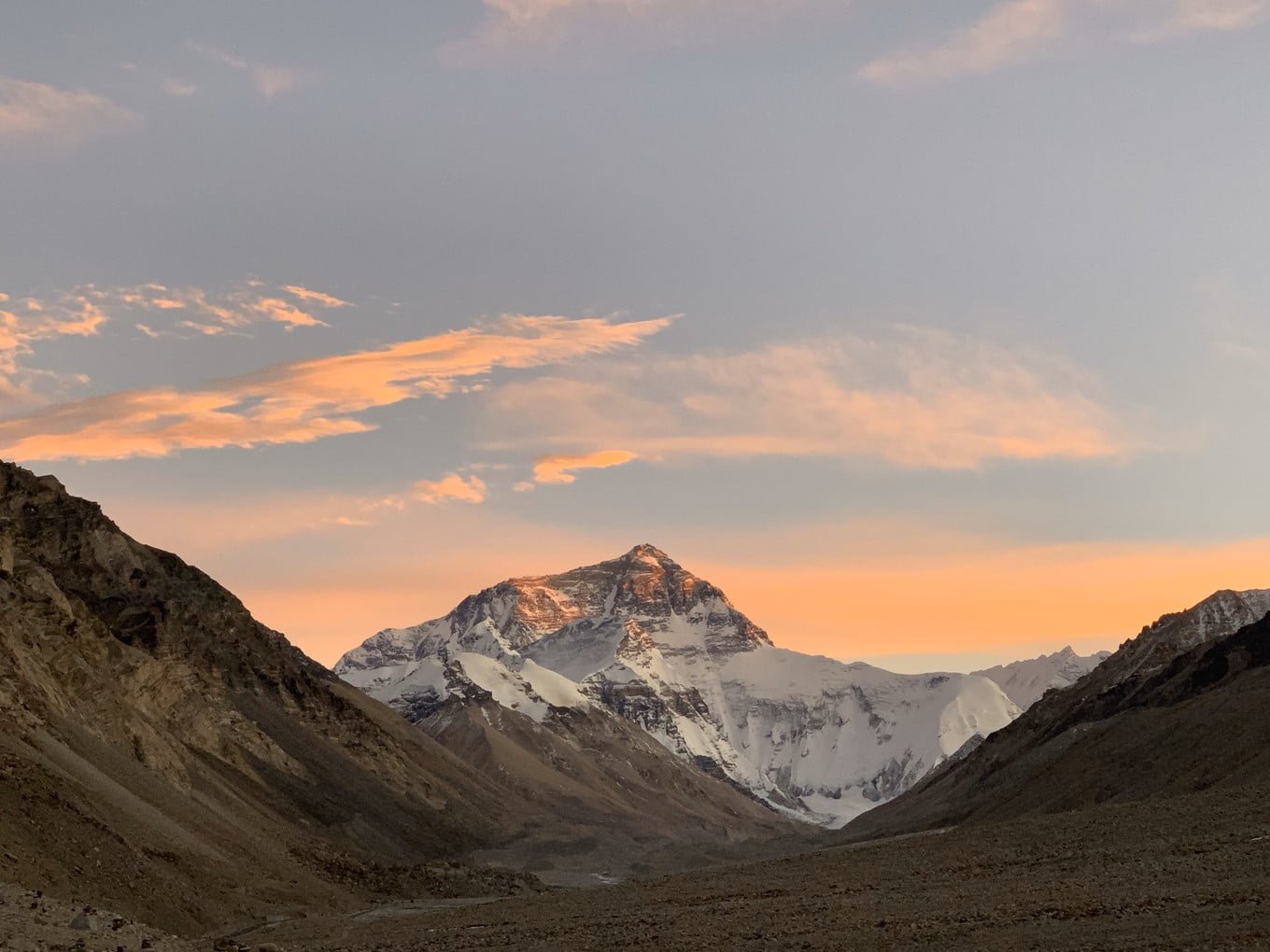
Historically, Tibetans lived largely nomadic lives, surviving in harsh high-altitude conditions. Their traditional diet—rich in mutton, beef, dairy products, and butter—was shaped by the climate and geography. Such dietary habits, combined with environmental factors, influenced the types of health conditions commonly experienced, including digestive and liver-related disorders.
Over centuries, Tibetan doctors refined treatment approaches to address these region-specific health challenges, creating a medical system deeply connected to local life and ecology.
Early History of Tibetan Medicine
The earliest form of Tibetan healing is often referred to as “local medicine.” In its early stages, it was not yet systematized. Folk healers relied on practical experience and observation.
Early Treatment Methods
Ancient Tibetan healers primarily used:
- Bloodletting
- Heat therapy
- Massage therapy
Simple remedies were also common. For example:
- Ghee (clarified butter) was used to stop bleeding.
- Barley wine was applied to treat traumatic injuries.
These methods laid the foundation for the more structured medical system that developed later.
Over time, Tibetan medicine evolved into a highly organized body of knowledge, integrating theory, diagnosis, pharmacology, and therapeutic techniques.
Core Principles of Tibetan Medicine
At the heart of Tibetan medicine is a holistic understanding of balance. Like many traditional medical systems, it views health as harmony between internal energies and the external environment.
The Three Energies
Tibetan medicine identifies three primary functional energies that govern the body:
- rLung (Wind energy) – Associated with movement, circulation, breathing, and mental activity.
- mKhris-pa (Bile energy) – Linked to heat, metabolism, digestion, and transformation.
- Bad-kan (Phlegm energy) – Connected to stability, structure, lubrication, and cold qualities.
When these three energies are balanced, the body functions properly. When they become imbalanced due to diet, behavior, climate, or emotional disturbances, illness arises.
This energetic model forms the diagnostic and therapeutic foundation of Tibetan medicine.
Tibetan Pharmacology: Herbs, Minerals, and Natural Substances
One of the most intriguing aspects of Tibetan medicine is its diverse pharmacopoeia.
While herbal medicine remains central, Tibetan formulas may also include:
- Medicinal woods and resins
- Stones and earth substances
- Precious metals such as gold and silver
- Minerals like copper and iron
- Organic materials such as sap and coral
The use of minerals and precious substances reflects both the natural resources of the Tibetan Plateau and the system’s distinctive development. These ingredients are carefully processed to ensure safety and effectiveness.
Despite this diversity, plant-based remedies remain the core of Tibetan medical treatments, similar to other traditional herbal systems.
Unique Preparation Methods
The preparation of Tibetan medicine is highly specialized and considered crucial to its effectiveness.
Tibetan doctors follow strict procedures to:
- Reduce or eliminate toxicity
- Enhance medicinal properties
- Modify the therapeutic action of ingredients
There are three primary preparation methods:
- Heat treatment
- Water treatment
- Combined heat and water treatment
If these processes are not carefully followed, the potency and safety of the medicine can be compromised. The detailed preparation techniques are one reason Tibetan medicine is regarded as both powerful and complex.
A System Shaped by Environment
The Tibetan Plateau’s extreme altitude, climate, and geography have deeply influenced Tibetan medical theory and practice.
Minerals such as gold, silver, copper, coral, and agate appear frequently in Tibetan formulas. This regional richness distinguishes Tibetan medicine from other traditional medical systems.
Rather than being purely plant-based, it reflects a broader ecological philosophy: everything in nature—plants, stones, metals, and earth—can potentially serve healing purposes when properly understood and prepared.
A Holistic Approach to Health
Tibetan medicine does not focus solely on symptoms. It evaluates diet, lifestyle, emotional state, climate, and spiritual well-being. Diagnosis traditionally includes:
- Pulse reading
- Urine analysis
- Observation of physical signs
- Detailed patient interviews
Treatment may involve:
- Herbal prescriptions
- Dietary adjustments
- Behavioral guidance
- External therapies such as massage or heat application
Because of its individualized approach, Tibetan medicine is often described as both preventive and therapeutic.
Growing Global Interest in Tibetan Medicine
Today, Tibetan medicine continues to attract attention worldwide as people seek holistic and natural healing systems. Its long history, complex pharmacology, and integration of mind-body principles make it distinct among traditional medical traditions.
For those curious about alternative medicine, Himalayan healing practices, or Sowa Rigpa specifically, Tibetan medicine offers a rich and sophisticated system rooted in centuries of clinical experience and cultural wisdom.