
Introduction to Junba Fishing Village
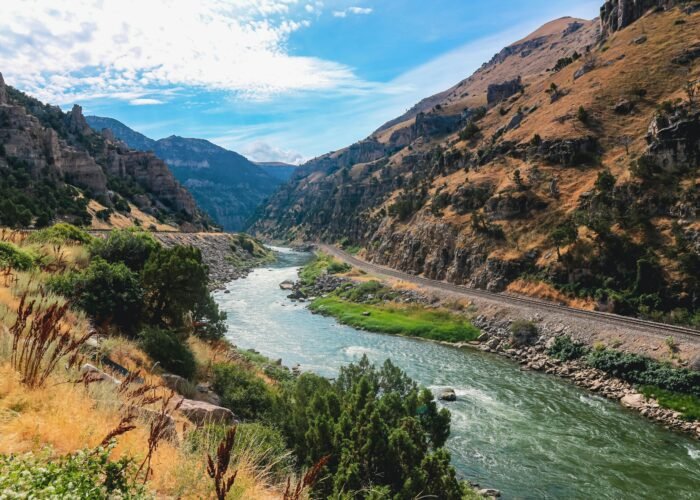
Junba Fishing Village, often called “Tibet’s Fishing Village”, is one of the most culturally unique settlements in Tibet. Located in Chabalong Village, Qushui Town, it sits on the northern bank of the confluence of the Lhasa River and the Yarlung Tsangpo River, about 45 kilometers southwest of Lhasa at an altitude of roughly 3,600 meters.
In Tibetan, Junba refers to “catching” or “holding”, which by extension means “fisherman.” This name reflects the village’s identity perfectly—it is the only traditional Tibetan village where fishing has been a way of life for centuries, standing in sharp contrast to the wider Tibetan custom of avoiding fish consumption.
Geographic Setting at the Two Rivers’ Meeting Point
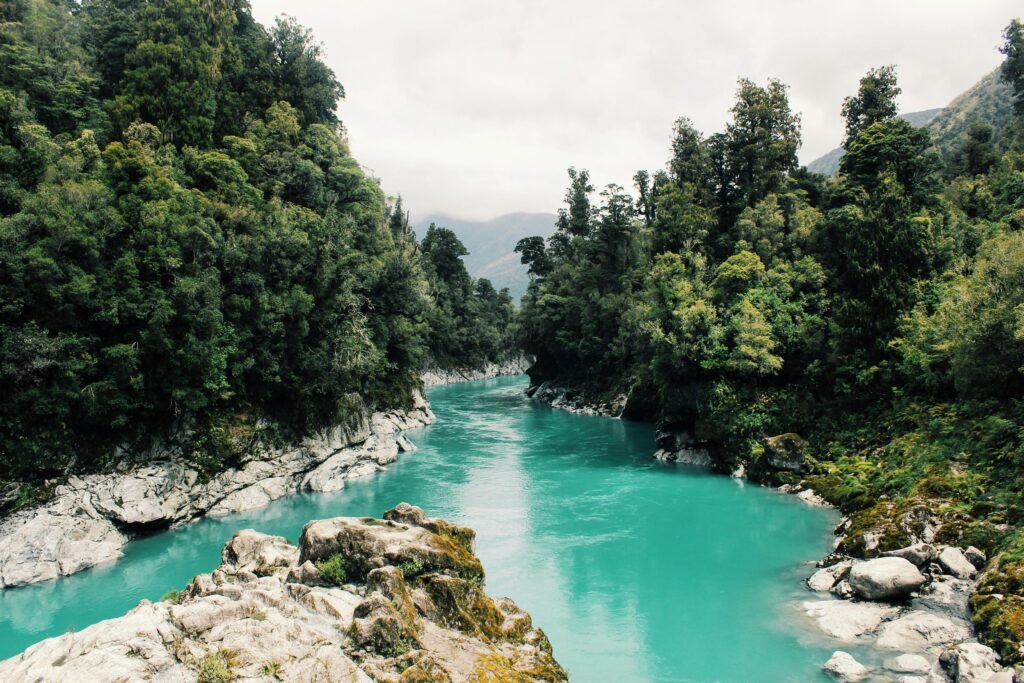
Junba Fishing Village is naturally enclosed by mountains on three sides and water on one, forming a dramatic and secluded landscape. Historically, this geography made Junba an isolated river island, where cowhide boats were once the only means of transportation across the Lhasa River.
Today, modern infrastructure has transformed accessibility. The completion of bridges, tunnels, and improved roads—including the Junba Bridge along National Highway 318—has connected the village directly with Lhasa, turning it into a popular half-day cultural excursion from the city. Despite these changes, the village still preserves its original riverside character.
A Thousand-Year-Old Fishing Community in Tibet
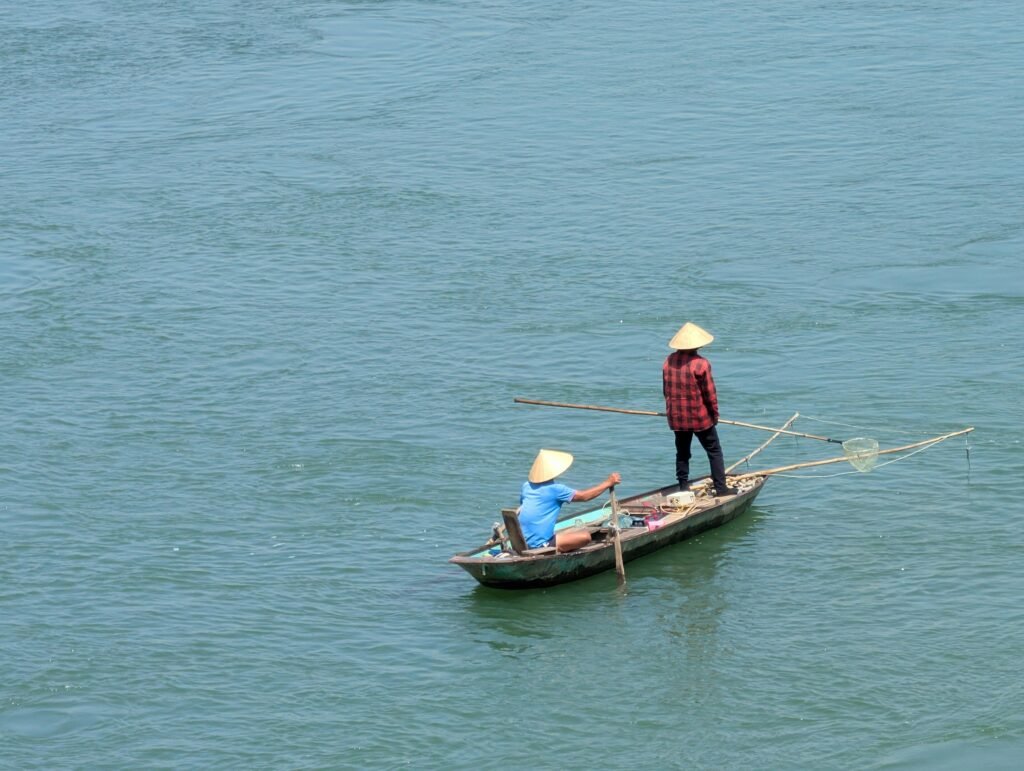
Junba is home to hundreds of families, many of whom can trace their ancestry back generations of fishermen. For hundreds of years, villagers relied almost entirely on fishing for survival, developing specialized skills, tools, and rituals tied to river life.
While farming land was scarce, the rivers provided cold-water fish in abundance. Over time, Junba developed a distinct fishing culture, including unique netting techniques, seasonal fishing practices, and boat-making skills that remain rare anywhere else on the Tibetan Plateau.
The Myth of Ancestral Fishing in Junba
Local legend explains how fishing became sacred rather than forbidden in Junba. According to the story, in ancient times the fish at the confluence of the Yarlung Tsangpo River and the Lhasa River multiplied uncontrollably. Some even grew wings and flew into the sky, blocking sunlight and threatening all life on Earth.
Moved by the crisis, Buddha Shakyamuni instructed a fisherman named Barley Zengba, believed to be a divine incarnation living near White Mara Lake, to lead the villagers in restoring balance. After nine days and nights of struggle, the winged fish were defeated. To celebrate, the villagers ate fish and drank wine, symbolizing renewal and harmony.
From that moment, fishing and eating fish were no longer taboo in Junba but became a blessed tradition, passed down through generations.
Cowhide Boats: The Symbol of Junba Culture
One of Junba’s most iconic cultural elements is the cowhide boat. Made from stretched yak or cowhide over a wooden frame, these boats were traditionally used for fishing, transport, and even recreation.
Cowhide boats are so central to Junba identity that they inspired the Cowhide Boat Dance (Guozhuang-style performance), which imitates rowing and river navigation movements. This dance, along with cowhide boat-making techniques and traditional fishing skills, has earned Junba recognition as the only village in Tibet with three registered intangible cultural heritage items.
Daily Life and Cultural Experiences in Junba Village
Walking through Junba Fishing Village today, visitors can still see echoes of its fishing past. Traditional houses line the riverbank, fishing nets hang in courtyards, and elders share stories of life on the water.
Travelers can experience:
- Demonstrations of traditional fishing tools
- Performances of cowhide boat dances
- Hands-on fishing activities with local villagers
- Insight into Tibetan fishing weddings and customs
These experiences make Junba an ideal destination for cultural exploration, academic research, and slow-paced sightseeing near Lhasa.
Junba Fishing Village as a Travel Destination
Thanks to its proximity to Lhasa and its rare cultural heritage, Junba has become a popular stop before or after visiting Lhasa. The village is easily reached by car, tour vehicle, or local transport, making it suitable for short visits as well as longer cultural stays.
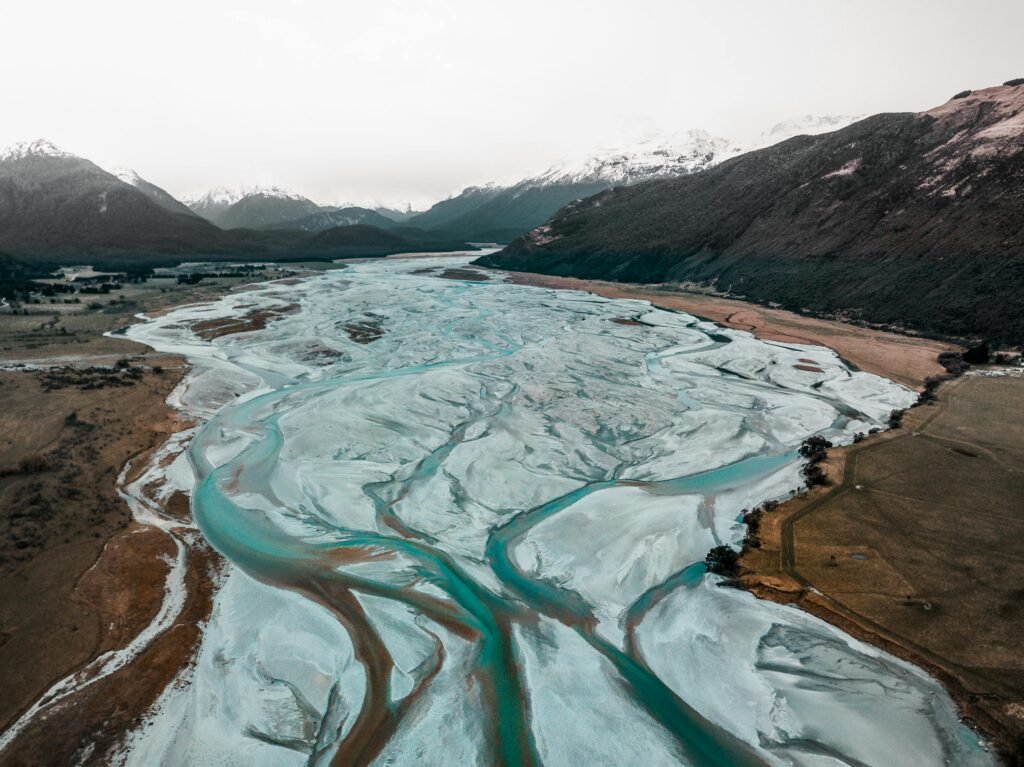
Nearby family-run inns in Chabalong Village offer simple accommodations, while riverside walking paths and viewing platforms provide scenic perspectives of the two rivers merging—a powerful symbol in Tibetan geography.
Traditional Cuisine: The Famous Junba Fish Dishes
Unlike most Tibetan regions, Junba has developed a distinctive fish-based cuisine. Using cold-water fish from the Lhasa River and Yarlung Tsangpo, villagers prepare a variety of dishes, including:
- Clear-braised fish
- Fried river fish
- Fish dumplings
- Traditional full-fish banquets
These meals are now an essential part of the “Intangible Heritage Junba” cultural brand, drawing food lovers eager to experience a side of Tibetan cuisine rarely seen elsewhere.
Ecology, Protection, and Sustainable Development
Modern Junba balances tourism growth with strict ecological protection. Seasonal fishing bans protect river ecosystems, while reforestation projects on surrounding hillsides reduce erosion and preserve biodiversity.
As part of rural revitalization efforts, Junba is transitioning from pure fishing to a “culture + tourism + dining” model. Improved roads, visitor centers, walking trails, and docks now support sustainable tourism while helping villagers increase income without losing their cultural identity.
Best Time to Visit Junba Fishing Village
- Summer (June–August): Clear rivers, lush greenery, ideal for cowhide boat experiences
- Autumn (September–October): Pleasant weather, red and golden foliage, cultural festivals
- Winter: Fewer visitors, snow-capped mountains, quiet village atmosphere
Each season offers a different perspective on this rare Tibetan fishing settlement, shaped by water, myth, and centuries of river life.