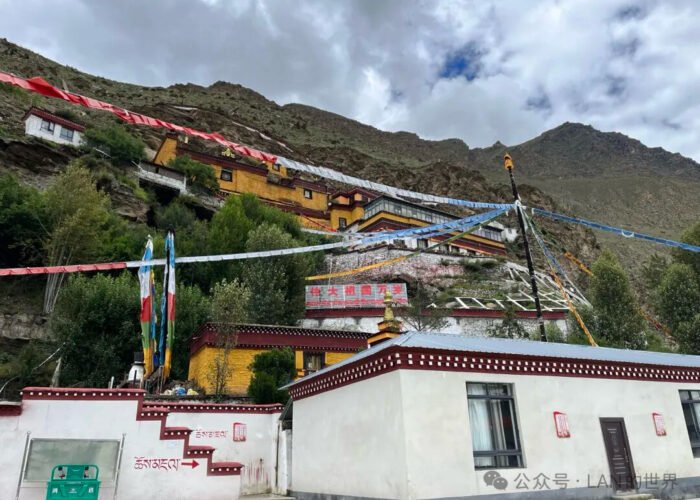
Located in Loni Village, Loni Township of Mangkang County, Loro Monastery (Blo-ra-dgon) stands as the most prominent Gelugpa (Yellow Sect) monastery in the region. With a history spanning more than four centuries, Loro Monastery is not only a vital religious institution but also a powerful symbol of the resilience and continuity of Tibetan Buddhism in eastern Tibet.
Founding History and Gelugpa Legacy
Loro Monastery was founded in 1617 by the Fourth Phakpala, Choekyi Gyalpo, during a period when the Gelug tradition was rapidly expanding across Tibet. At its height, the monastery supported a thriving monastic community of nearly 500 monks, making it a major center for Buddhist study, ritual practice, and community life in Mangkang County.
As a Gelugpa monastery, Loro Monastery has long upheld the teachings of Je Tsongkhapa, emphasizing monastic discipline, philosophical study, and tantric practice.
Period of Decline and Modern Restoration
Like many monasteries in Tibet, Loro Monastery experienced severe hardship during the democratic reforms, when it was closed and its monks were forced to disperse. The situation worsened during the Cultural Revolution, when much of the monastery’s original architecture was destroyed.
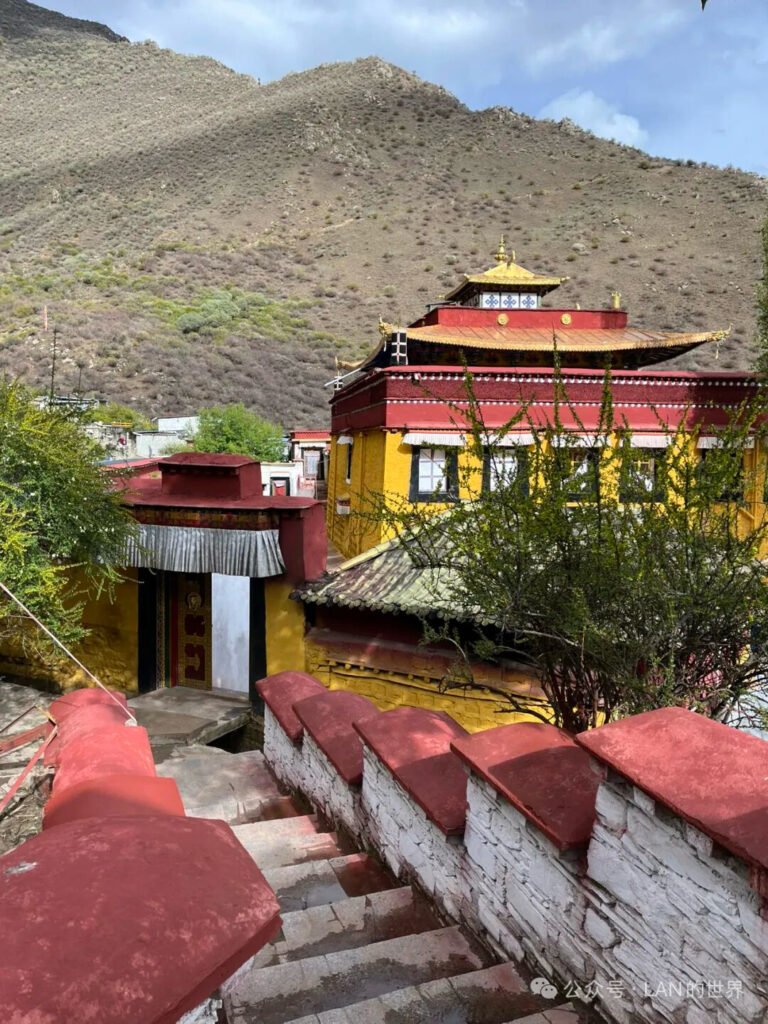
In 1987, restoration efforts began, marking a new chapter in the monastery’s history. Today, the rebuilt complex includes:
- A main prayer hall
- Maitreya Chapel
- Protector Deity Chapel
- Monks’ residential quarters
The monastery currently houses 99 monks, once again serving as an active center of Buddhist worship and education.
Main Prayer Hall and Sacred Deities
The main prayer hall is the largest and most sacred space within Loro Monastery. It enshrines important figures central to the Gelug tradition and Mahayana Buddhism, including:
- Shakyamuni Buddha
- Je Tsongkhapa
- Arya Tara
- Green Tara
- White Tara
This hall functions as the spiritual heart of the monastery, hosting daily prayers, teachings, and major ceremonial gatherings.
Protector Deity Chapel and Guardians of the Dharma
The Protector Deity Chapel plays a crucial role in the monastery’s ritual life. It is dedicated to three highly revered protectors:
- Saraswati, the goddess of wisdom and learning
- The King of Dharma, symbolizing righteous authority
- Six-Armed Mahakala, the fierce protector of the Gelug tradition
These deities are invoked to safeguard the Dharma, protect practitioners, and remove obstacles to spiritual progress.
Annual Religious Festivals and Ceremonies
Loro Monastery observes six major religious gatherings each year, each lasting approximately four days. These events draw monks and lay devotees from across the region and reflect the monastery’s active ritual calendar.
Key annual ceremonies include:
- Ganden Ngamchoe, commemorating the parinirvana of Je Tsongkhapa
- Avalokiteshvara Empowerment, focused on compassion practice
- Saka Dawa, celebrating the enlightenment and parinirvana of Shakyamuni Buddha
- Vajrabhairava Ritual, dedicated to a powerful wrathful deity
- Propitiation Ceremony, invoking protective forces
- Lamp Offering Ceremony, honoring Tsongkhapa with hundreds of butter lamps
These gatherings reinforce Loro Monastery’s role as a spiritual center for the surrounding communities.
Green Tara: The Swift Saviouress
Green Tara (Sgrol-ljang) is one of the most beloved deities worshipped at Loro Monastery. Known as the “Saviouress” or “Holy Tara,” she is celebrated for her swift and compassionate response to the prayers of beings in distress.
Considered an emanation of Avalokiteshvara, Green Tara is depicted as a youthful and radiant figure, her body glowing like emerald. Her right hand, extended in the gesture of generosity, symbolizes her readiness to help, while her left hand, holding a blue lotus, represents purity and spiritual awakening.
Green Tara embodies fearlessness, protection, and enlightened activity, making her especially important in daily devotional practice.
White Tara: Goddess of Longevity and Healing
White Tara (Sgrol-ma Dkar-po), also known as Sita Tara, is revered for her association with long life, healing, and compassion. She is said to have manifested from the tears of Avalokiteshvara, reflecting her deep concern for the suffering of sentient beings.
White Tara is easily recognized by her seven eyes, located on her face, hands, and feet. These eyes symbolize her constant vigilance and ability to perceive suffering in all realms. Her calm expression and gentle smile convey boundless compassion and protection, making her practice especially meaningful for those seeking health and longevity.
Vijaya: The Victorious Mother
Vijaya (Rnam-par-rgyal-ma), known as the “Victorious Mother” or “Buddha-Crown Vijaya,” is another important deity honored at Loro Monastery. She is regarded as an emanation of Vairocana Buddha and is closely associated with overcoming obstacles, illness, and untimely death.
Depicted with three faces and eight arms, Vijaya represents compassionate yet urgent action to protect the world. Her practice is believed to increase lifespan, remove karmic obstacles, and bestow powerful blessings, making her worship especially valued among practitioners seeking spiritual protection and growth.
Loro Monastery as a Living Center of Gelug Tradition
With its long history, restored structures, active monastic community, and rich ritual calendar, Loro Monastery remains a cornerstone of Gelugpa Buddhism in Mangkang County. Its continued devotion to Tsongkhapa’s teachings, combined with deep reverence for Tara, Vijaya, and protective deities, reflects the enduring vitality of Tibetan Buddhist faith in the region.