Every year, Tibet transforms into a vibrant winter destination during the Spring Festival holidays. While many travelers traditionally visit in summer, winter tourism has grown rapidly in recent years. The combination of festive celebrations, snowy Himalayan scenery, and improving travel infrastructure has made Tibet an increasingly popular destination during this period.
Domestic travelers from across China gather in Lhasa and other parts of the plateau to celebrate the holiday season. Streets, monasteries, and markets come alive with energy as ancient traditions blend with the excitement of national festivities.
Record-Breaking Tourism Growth During the Holiday
Tourism across China reaches enormous levels during the Spring Festival. In 2026 alone, the holiday generated 596 million domestic trips nationwide, making it one of the largest annual travel periods in the world.
Tibet has benefited strongly from this travel boom. According to statistics released by the Tibet Tourism Bureau, tourist arrivals during the Spring Festival holiday have increased significantly in recent years.
During one recent holiday period, more than 216,400 visitors arrived in Tibet within the first four days, representing a 30.7% increase compared with the previous year. Overall, tourist numbers during the Spring Festival period have risen by more than 50% year-on-year, showing the growing appeal of winter travel to Tibet.
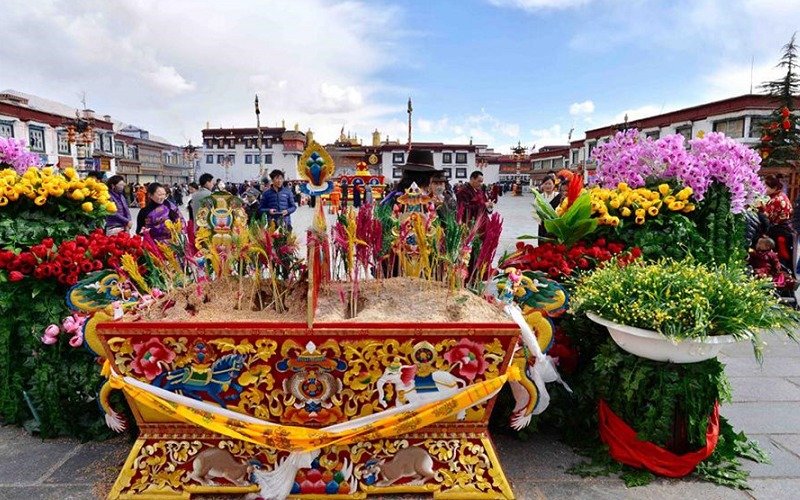
In Lhasa, markets are crowded with shoppers purchasing festive foods and decorations. Prayer flags flutter in the winter breeze, and monasteries host special prayers as locals and visitors celebrate together.
Losar and Spring Festival: A Double Celebration
One of the most unique aspects of visiting Tibet during this period is the overlap between the Chinese Spring Festival and Losar, the traditional Tibetan New Year.
This coincidence creates a festive atmosphere across the region. Families gather for celebrations, wear colorful traditional clothing, and participate in rituals that have been practiced for centuries.
Visitors can witness many cultural scenes during this time, including:
- Festive lights and fireworks illuminating the Potala Palace
- Pilgrims and travelers walking along the sacred Barkhor Street
- Monks chanting prayers inside monasteries such as Jokhang Temple
Traditional foods and drinks are also an important part of the celebration. Guests are often offered roasted barley flour known as Tsampa along with warm yak-butter tea.
Winter Landscapes and Clear Himalayan Views
Despite the common belief that winter travel is difficult, Tibet offers beautiful conditions during the Spring Festival period. Days in Lhasa are often sunny with temperatures between 10°C and 15°C, creating comfortable sightseeing weather.
The winter season also provides exceptionally clear skies and crisp mountain views. Famous landmarks appear even more dramatic when surrounded by snow. Sites such as the Potala Palace and the great monasteries of Lhasa stand out sharply against the bright blue Himalayan sky.
Beyond the capital, travelers can explore breathtaking natural landscapes. In eastern Tibet, Nyingchi begins to show early signs of spring, while the high plateau near Mount Everest reveals powerful winter scenery rarely seen by summer tourists.
Fewer international visitors during winter also allow for quieter monastery visits and more opportunities to explore historic sites.
Infrastructure Improvements Driving Tourism Growth
One major reason for the increase in tourism is the steady improvement of transportation and travel infrastructure across Tibet.
New airports, improved highways, and the development of high-speed rail connections have made the region far easier to reach than in the past. These improvements allow more travelers to visit during the short holiday period.
Direct flights from major Chinese cities now connect to Lhasa, and improved road networks make travel between cities and scenic areas smoother. These developments have played a key role in supporting the growth of winter tourism.
Cultural Events and Festive Performances
During the Spring Festival season, Tibetan cities and towns host a wide variety of cultural activities. Streets are filled with performances, traditional dances, and festive gatherings.
Visitors may see:
- Traditional Tibetan opera performances
- Folk dances in local squares
- Colorful parades celebrating the New Year
- Monastery ceremonies and prayer gatherings
These events offer travelers the chance to witness authentic Tibetan cultural traditions while sharing the holiday atmosphere with local residents.
Natural Beauty Across the Tibetan Plateau
In addition to cultural celebrations, Tibet’s natural landscapes continue to attract travelers from around the world.
The region is known for dramatic scenery that includes towering mountains, high grasslands, and crystal-clear lakes. The presence of Mount Everest, the highest mountain on Earth, remains one of the most powerful attractions for visitors exploring the Tibetan Plateau.
During winter and early spring, these landscapes appear especially striking. Snow-covered mountains and quiet valleys create a peaceful atmosphere that many travelers find unforgettable.
Economic Impact of the Tourism Boom
The growth of tourism during the Spring Festival has had a strong impact on the local economy.
Increasing visitor numbers generate income for hotels, restaurants, transport services, and local businesses. Tourism also creates new job opportunities for guides, drivers, and hospitality workers throughout the region.
At the same time, rapid growth has created new challenges, including managing large visitor numbers and protecting fragile natural environments.
Sustainable Tourism and Environmental Protection
To address these challenges, local authorities have introduced measures aimed at promoting sustainable tourism.
These efforts include:
- Limiting visitor numbers in environmentally sensitive areas
- Encouraging responsible travel practices
- Strengthening environmental protection policies
- Improving tourism facilities and visitor management systems
These steps aim to ensure that tourism growth continues while preserving Tibet’s natural landscapes and cultural heritage.
Planning a Spring Festival Trip to Tibet
Travelers planning to visit Tibet during the Spring Festival holiday should make preparations well in advance.
Accommodation, flights, and travel permits often fill quickly during the holiday period. Booking early helps ensure a smoother travel experience.
Visitors should also become familiar with local customs and prepare for high-altitude conditions. Taking time to acclimatize and following basic altitude precautions helps travelers enjoy the region safely.
Careful planning allows visitors to fully experience Tibet’s festive atmosphere, cultural traditions, and spectacular winter scenery during one of the most exciting travel seasons of the year.