
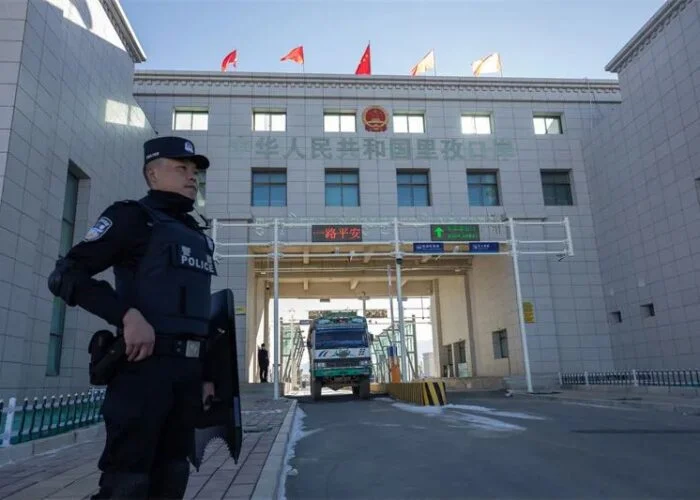
Zhangmu Port Reopens: The Historic China–Nepal Border Gateway Resumes Freight Transport
Exciting news for traders, travelers, and Tibet enthusiasts. Zhangmu Port has officially resumed freight transport operations after years of reconstruction and preparation.
Located in Nyalam County of the Tibet Autonomous Region, this historic border port once again connects the Tibetan Plateau directly with Kathmandu and the rest of South Asia.
At an altitude of about 2,300 meters, Zhangmu Port sits among the dramatic foothills of the Himalayas. It remains one of the shortest and most scenic overland routes between China and Nepal, making it an important hub for trade and tourism.
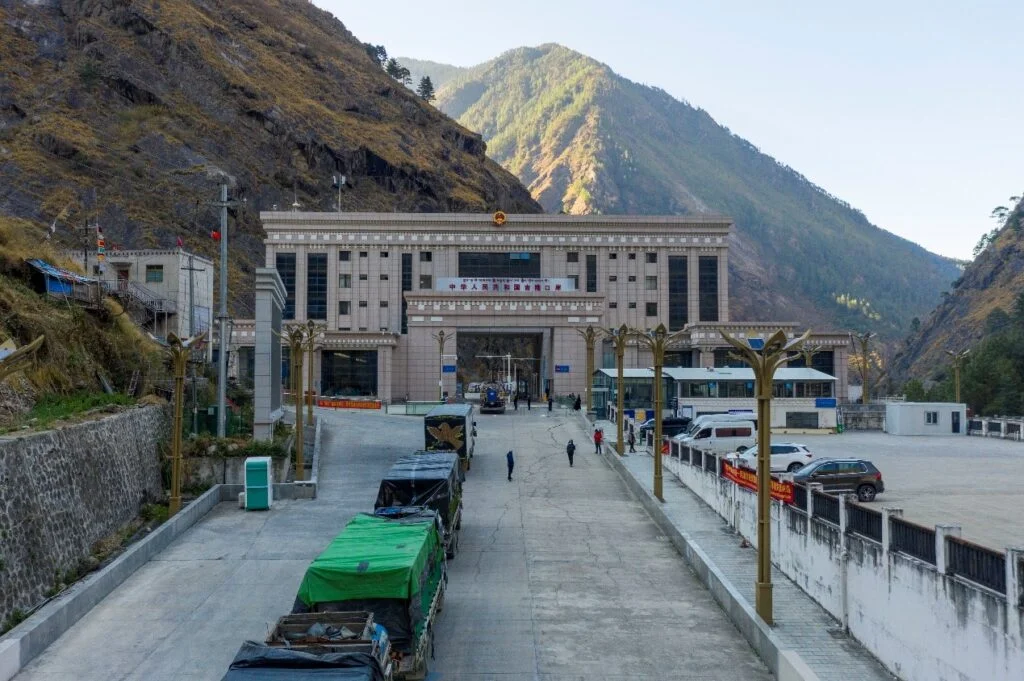
Zhangmu Port: Gateway Between Tibet and Nepal
Situated in the town of Zhangmu, Zhangmu Port plays a vital role in cross-border exchange between China and Nepal. The port functions as an international land gateway where goods, vehicles, and travelers move between the two countries.
Because of its strategic location in the Himalayan foothills, Zhangmu Port has long been an important connection between the Tibetan Plateau and South Asia.
The surrounding region offers stunning mountain landscapes and a vibrant mix of Tibetan and Nepali cultural influences.
History of Zhangmu Port
Zhangmu Port was first opened in 1963 as a simple border crossing between China and Nepal. Over time, it developed into one of the busiest land trade routes between the two countries.
A major symbol of this connection is the Sino–Nepal Friendship Bridge, built in 1964. The bridge connects Zhangmu on the Chinese side with the Nepali town of Kodari.
For decades, this crossing handled the majority of trade between China and Nepal and served as a key route for travelers entering Tibet from Nepal.
Impact of the 2015 Nepal Earthquake
In 2015, the devastating 2015 Nepal earthquake severely damaged infrastructure around the Zhangmu border area.
Roads, bridges, and border facilities were affected, forcing the closure of the port. As a result, trade and travel between the two countries were disrupted for several years.
Extensive reconstruction and geological stabilization were required to restore the border crossing safely.
Reconstruction and Modern Infrastructure
Following the earthquake, major reconstruction projects were launched to rebuild Zhangmu Port and improve its facilities.
Today, the port covers an area of approximately 2.5 square kilometers and includes modern infrastructure such as:
- Customs inspection facilities
- Border security services
- Logistics and cargo handling areas
- Quarantine and inspection departments
These upgrades allow the port to efficiently handle both freight transportation and passenger movement.
Freight Transport Officially Resumes
After successful consultations between China and Nepal, Zhangmu Port has now fully resumed freight transport operations.
The reopening allows trucks carrying goods to once again cross the Sino–Nepal Friendship Bridge, restoring an important trade corridor between the two countries.
Early shipments already demonstrate strong momentum. For example, washed wool products from Tibetan companies are among the first goods exported through the revived port.
Strict safety protocols and customs procedures are in place to ensure efficient and secure operations.
Boosting China–Nepal Trade
The revival of Zhangmu Port is expected to significantly strengthen trade between China and Nepal.
Goods commonly exchanged through the port include:
- Agricultural products
- Minerals
- Handicrafts
- Wool and textiles
Nepalese products such as tea, spices, and handicrafts are particularly popular among Chinese consumers.
The restored trade route reduces transportation costs and improves logistics efficiency, benefiting businesses on both sides of the border.
Role in the Belt and Road Initiative
The reopening of Zhangmu Port also supports the broader goals of the Belt and Road Initiative.
As part of this regional development strategy, the port helps create a stronger trade corridor connecting China with South Asia.
Improved connectivity encourages economic cooperation, cultural exchange, and tourism between China and Nepal.
Zhangmu Port as a Tourism Gateway
Beyond trade, Zhangmu Port is also an important entry point for travelers exploring Tibet from Nepal.
The border crossing is only about 120 kilometers from Kathmandu, making it one of the quickest overland routes into Tibet.
After crossing the border, travelers immediately enter the dramatic landscapes of the Himalayan region.
From Zhangmu, popular travel routes lead to destinations such as:
- Everest Base Camp
- Lhasa
- The vast Tibetan Plateau
The journey offers views of deep valleys, powerful rivers, and snow-covered peaks.
Cultural Charm of Zhangmu Town
The border town of Zhangmu has long been known for its lively atmosphere and cultural diversity.
Visitors walking through the town may notice:
- Colorful markets and shops
- Tibetan and Nepali cultural influences
- Local restaurants serving Tibetan cuisine
This unique blend of cultures reflects the long history of interaction between Tibet and Nepal.
Practical Travel Information for Crossing Zhangmu Port
Travelers planning to cross the border at Zhangmu should prepare the required travel documents and plan their itinerary carefully.
Travel Requirements
Visitors entering Tibet from Nepal typically need:
- A valid passport
- A Chinese group visa issued in Kathmandu
- A Tibet Travel Permit
Travelers are usually met by guides on the Tibet side of the border before continuing their journey.
Border Crossing Hours
Typical crossing hours are:
- 10:00 – 13:00
- 14:30 – 18:00
Schedules may vary depending on local border procedures.
Best Time to Visit
The best time to cross Zhangmu Port is usually March to October, when road conditions are more stable.
Summer brings lush greenery in the Himalayan valleys, while autumn often offers clearer mountain views.
The Friendship Bridge: A Symbol of China–Nepal Relations
The Sino–Nepal Friendship Bridge remains one of the most recognizable landmarks at the border.
After suffering damage during the 2015 earthquake, the bridge underwent major reconstruction starting in 2018. The restoration project aimed not only to rebuild the physical structure but also to strengthen cooperation between China and Nepal.
Today, the bridge once again carries trucks, cargo, and travelers across the border, symbolizing the continued partnership between the two neighboring countries.
A Revived Himalayan Gateway
With freight transport fully restored and modern infrastructure in place, Zhangmu Port is once again an important gateway between China and Nepal.
The reopening of this historic border crossing strengthens trade routes, supports tourism, and reconnects travelers with one of the most scenic overland routes across the Himalayas.