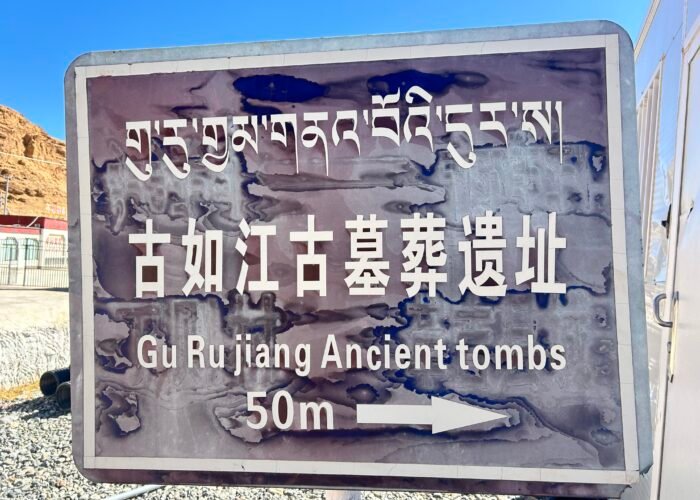
Gurugyam Cemetery, also known as the Guru Gyal Ancient Tombs Site, is one of the most significant archaeological discoveries in western Tibet. Located in the remote Ngari (Ali) region, this ancient burial ground preserves the deepest and most concentrated elite tombs from the Zhangzhung period, a civilization that flourished long before the rise of the Tibetan Empire.
Closely linked to the nearby ruins of Qionglong Silver City (Kar Dong)—widely regarded as the legendary capital of the Zhangzhung Kingdom—the cemetery offers rare, physical evidence of early Tibetan aristocracy, ritual life, and long-distance cultural exchange.
Overview of Gurugyam Cemetery
| Item | Details |
|---|---|
| Tibetan Name | གུ་རུ་གྱམ་དུར་ས། (Guru Gyam Dursa) |
| Common Names | Gurugyam Cemetery, Guru Gyal Ancient Tombs |
| Location | Kar Dong Village, Menshi Township, Ngari, |
| Setting | North bank terrace of the Langchen Tsangbu (Sutlej/Xiangquan River), near Guru Gyal Monastery |
| Period | Zhangzhung era (c. 2 BCE – 3rd AD), with some later Tibetan-period tombs |
| Type | Royal and aristocratic burial ground |
| Access | Archaeological site; guided access required |
| Best Time to Visit | May–June and September–October |
Accidental Discovery Beneath the Plateau Sands
Gurugyam Cemetery was discovered by chance in 2005, when a heavy vehicle caused the collapse of a deeply buried tomb near Guru Gyal Monastery. Emergency clearing revealed unexpected artifacts such as silk fragments and bronze objects, drawing attention to what lay hidden beneath centuries of river sediment.
This discovery revealed that the flat river terrace near Kar Dong concealed a major ancient cemetery, preserved by layers of silt deposited by the Langqin Zangbu River.
Archaeological Exploration and Historical Context
Systematic archaeological surveys and excavations conducted between 2012 and 2014 identified a total of 11 tombs:
- 8 tombs dating to the Zhangzhung period
- 3 tombs from the later Tibetan period
The cemetery’s location—at the western foothills of Qionglong Silver City—strongly suggests that it served as the burial ground for Zhangzhung nobles or royal family members, reinforcing the identification of Kar Dong as a political and ritual center of the ancient kingdom.
Tomb Architecture and Burial Structure
Vertical Shaft Stone-Chamber Tombs
The most prominent tomb type at Gurugyam is the vertical shaft stone-chamber tomb, a burial form rarely preserved elsewhere on the Tibetan Plateau.
Key characteristics include:
- Burial shafts reaching 5–6 meters deep, the deepest known in the Ngari region
- Rectangular vertical pits with carefully arranged stone walls
- Square stone burial chambers, typically around two meters wide
- Wooden coffins placed inside stone chambers
- Timber sealing structures used in some tombs
The depth of these tombs helped protect human remains and grave goods from erosion and looting.
Cave-Style Tombs
Some tombs were constructed as cave-style chambers, carved into compacted sediment and reinforced with stone. The tomb discovered in 2005 belongs to this category, demonstrating the variety of burial practices within the cemetery.
Burial Customs and Ritual Practices
Burial customs at Gurugyam Cemetery reveal important aspects of Zhangzhung belief systems:
- Animal sacrifice was common, with horse, cattle, and sheep remains found in many tombs
- Tombs share consistent orientation, indicating organized clan or royal burial planning
- Sacrificial practices reflect early Bon-related ritual traditions, centered on ancestral worship and offering rites
Exceptional Grave Goods and Archaeological Finds
Silk Textiles and Early Trade Networks
Among the most important discoveries is a silk brocade bearing the Chinese characters “王侯”, meaning “royalty” or “nobility.”
- Dated to approximately the 3rd–5th centuries CE
- Decorated with mythical animals, guardian figures, and sacred tree motifs
- Closely comparable to silks found in Central Asia and the Tarim Basin
This silk provides strong evidence that Zhangzhung elites were connected to early Silk Road exchange networks, linking western Tibet with Central Asia and inland regions.
Gold, Bronze, and Iron Artifacts
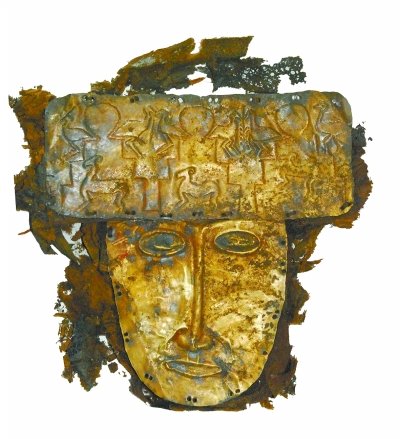
The tombs contained numerous high-status objects, including:
- Miniature gold masks
- Gilded silver plates and ornaments
- Gilded copper earrings
- Iron swords, spears, arrowheads, and horse fittings
These items reflect a warrior-aristocratic society with advanced metalworking skills and strong equestrian traditions.
Daily Life Objects and Ritual Items
Excavations also revealed objects associated with everyday life and ritual use:
- Wooden coffins, boxes, combs, and fire-making tools
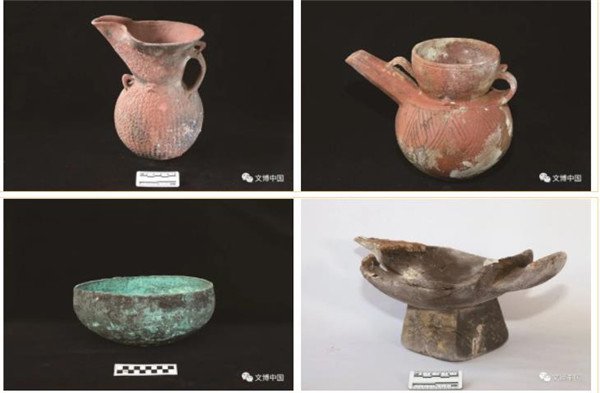
- Ceramic jars, bowls, and high-footed cups typical of Zhangzhung culture
- Bronze cooking vessels and ritual containers
Together, these artifacts offer a rare glimpse into the material culture of ancient western Tibet.
Early Physical Evidence of Tea
One of the most surprising discoveries at Gurugyam Cemetery is the presence of physical tea residue, making it among the earliest confirmed tea remains in the world. This finding suggests that tea reached the Tibetan Plateau far earlier than previously believed, likely through early trans-regional trade routes.
Cultural Importance of Gurugyam Cemetery
Gurugyam Cemetery is crucial for understanding early Tibetan history because it:
- Fills a major archaeological gap in pre–Tibetan Empire western Tibet
- Provides direct evidence of Zhangzhung elite society and burial customs
- Confirms long-distance cultural exchange with Central Asia, South Asia, and inland regions
- Forms an integrated archaeological landscape with Qionglong Silver City and Guru Gyal Monastery
Together, these sites define the historical and spiritual heartland of the ancient Zhangzhung civilization, preserved beneath the high plateau of Ngari.