
The bar-headed goose (Anser indicus) is widely regarded as one of the most extraordinary migratory birds on Earth. Known for its ability to soar above some of the world’s highest mountain ranges, this remarkable species has fascinated scientists, birdwatchers, and travelers alike. From breeding in remote high-altitude wetlands to crossing the Himalayas during migration, the bar-headed goose represents resilience, adaptation, and the raw beauty of nature on the Tibetan Plateau.
For travelers planning a Tibet birdwatching tour, spotting these iconic geese is an unforgettable experience—especially during the winter months when large flocks gather around Lhasa.
A True High-Altitude Marvel
Bar-headed geese breed in elevated wetlands across Central Asia, including Mongolia, Kazakhstan, and the vast Tibetan-Qinghai Plateau. Their nesting grounds are typically located near lakes and rivers at altitudes often exceeding 4,000 meters, where harsh weather and thin air create a challenging environment for most wildlife. Yet these birds thrive where others struggle.
Their lifecycle is closely tied to these pristine alpine ecosystems, making them an important indicator of environmental health across the plateau.
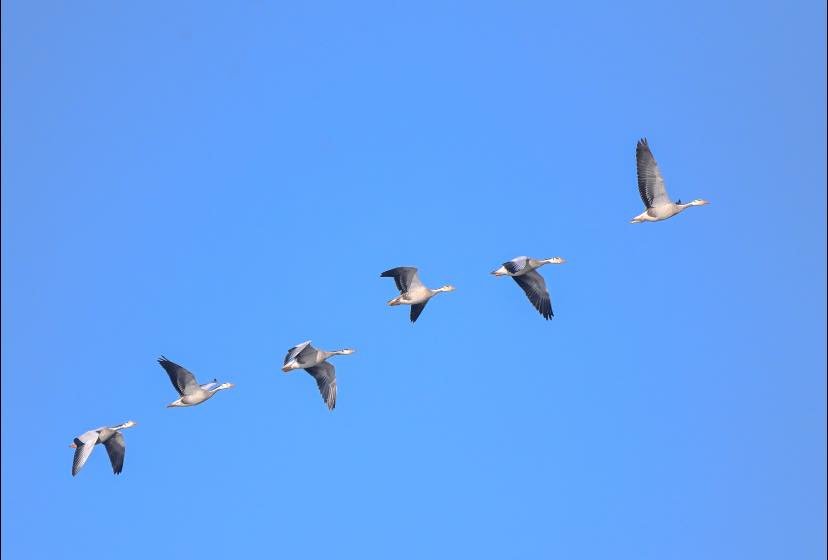
The Legendary Himalayan Migration
What truly sets the bar-headed goose apart is its astonishing migration route. Each year, these birds travel southward, crossing the mighty Himalayas—a journey considered one of the most physically demanding in the avian world.
- Typical flight elevations range between 5,000 and 8,000 meters
- Some individuals have been recorded flying as high as 7,290 meters
- They regularly clear mountain passes that challenge even experienced climbers
Flying at such heights means coping with freezing temperatures, powerful winds, and extremely low oxygen levels. Few species on Earth are capable of such endurance.
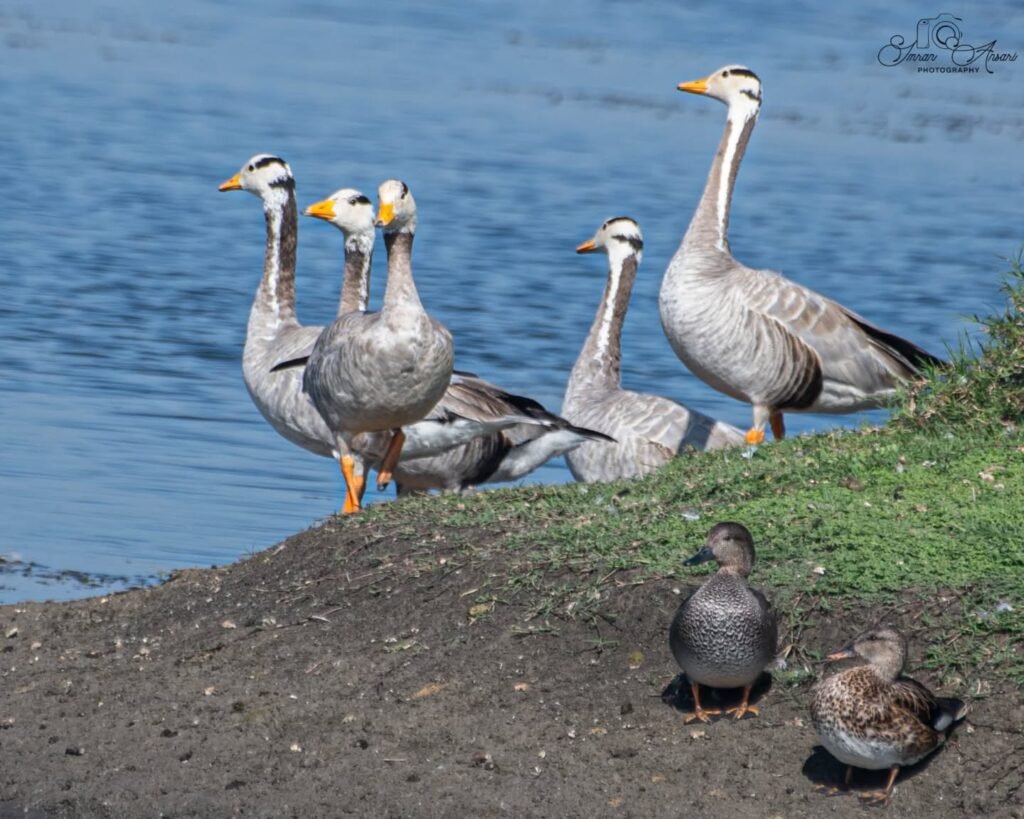
Unique Adaptations for Thin Air
The bar-headed goose is perfectly engineered for high-altitude flight. Several biological adaptations allow it to perform where most birds cannot:
- Highly efficient lungs that maximize oxygen absorption
- Specialized hemoglobin capable of binding oxygen more effectively
- Powerful wing muscles that sustain long-distance flight
- Optimized breathing patterns that reduce energy expenditure
These features make the species a frequent subject of scientific research on extreme physiology and migration.
Winter on the Tibetan Plateau
While many bar-headed geese migrate to warmer regions such as India, Nepal, and Myanmar, a significant number remain on the Tibetan Plateau during winter—particularly in the southern areas surrounding Lhasa. Over recent decades, this wintering population has grown dramatically:
- Around 10,000 birds were recorded in the early 1990s
- Numbers surpassed 68,000 by 2017
Researchers attribute this increase to several factors:
- Expansion of agricultural land providing reliable forage like winter wheat
- Improved wetland ecosystems
- Stronger wildlife protection measures
- Climate-related habitat shifts
This population growth has transformed Lhasa into an increasingly attractive destination for bird enthusiasts.
Daily Life of Bar-Headed Geese
During daylight hours, bar-headed geese are highly active feeders. They commonly graze in:
- Wetlands
- Marshy grasslands
- Farmlands
- Lakeshores
- Shallow riverbanks
Their flocks can number in the thousands, filling the air with constant calls and movement. At night, the geese typically roost on open water, a strategy that helps protect them from land-based predators.
Migration and Habitat
These geese breed in high-altitude lakes and wetlands across Central Asia during summer. When winter approaches, they migrate south to warmer regions filled with rivers, marshes, and agricultural fields that provide reliable food sources.
Diet
Primarily herbivorous, bar-headed geese feed on grasses, aquatic plants, and grains. Their feeding habits also support the balance of wetland ecosystems.
Conservation Status
Currently listed as “Least Concern,” the species maintains a stable population. However, threats such as climate change, habitat loss, and human disturbance continue to impact their environment, highlighting the importance of wetland conservation.
The bar-headed goose stands as a powerful symbol of endurance and natural beauty, captivating birdwatchers and travelers across Asia with its legendary Himalayan flight.
Why Lhasa Is Ideal for Birdwatching
Situated at about 3,650 meters above sea level, Lhasa offers relatively milder winter conditions compared to much of the plateau. From November to March, migratory flocks concentrate around accessible wetlands and waterways, making this period perfect for wildlife viewing. For photographers and nature lovers, late fall and early spring are especially rewarding, as you may witness large groups arriving or preparing for departure.
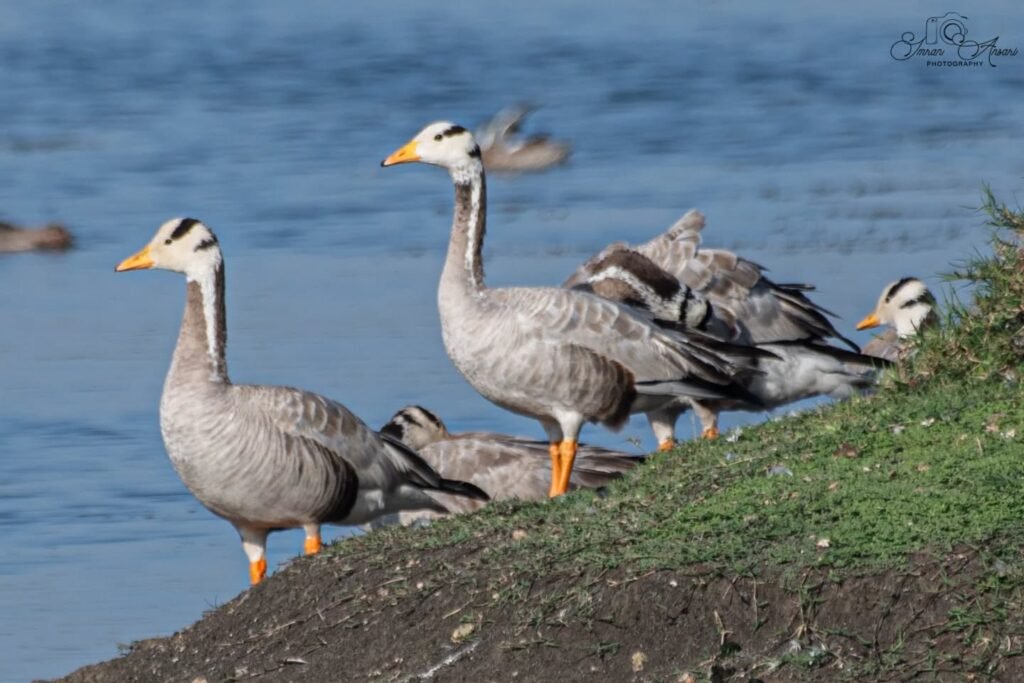
Best Places to Spot Bar-Headed Geese in Lhasa
Dzongyab Lukang Park (Behind the Potala Palace)
This peaceful urban park is one of the easiest places to observe bar-headed geese without leaving the city center. Surrounded by traditional Tibetan architecture, the park features tranquil ponds and willow-lined paths.
Visitors often see geese sharing the water with ruddy shelducks, creating a lively winter bird scene just steps from one of Tibet’s most famous landmarks.
Lalu Wetland Nature Reserve
Known as the world’s highest and largest urban wetland, Lalu Wetland sits northwest of Lhasa and serves as a crucial ecological refuge. The reserve supports more than 100 bird species, including:
- Bar-headed geese
- Black-necked cranes
- Tibetan sandgrouse
Shallow waters and marsh habitats provide ideal feeding grounds. Because the area is protected, entry regulations may apply, and guided visits often enhance the experience.
Lhasa River and Hutoushan Reservoir
The river valley creates natural foraging habitats that attract mixed flocks of waterfowl. Shallow stretches along the banks are particularly productive for sightings. Located just a short drive from downtown, this area is ideal for travelers who want to combine scenic landscapes with wildlife observation.
Best time: Early morning or late afternoon for softer light and increased bird activity.
Practical Travel Tips for Birdwatchers
To make the most of your bar-headed goose experience in Tibet:
- Bring binoculars or a telephoto lens for clearer views
- Dress in layers, as plateau weather can change quickly
- Maintain a respectful distance from wildlife
- Avoid feeding birds, which can disrupt natural behaviors
- Hire a knowledgeable local guide for deeper ecological insights
Pairing birdwatching with cultural exploration—such as visiting the Potala Palace or nearby monasteries—creates a richer and more memorable Tibet journey.
Planning Your Tibet Birdwatching Tour
If you are considering a wildlife-focused trip, winter in Lhasa offers a rare opportunity to witness one of nature’s greatest aerial athletes against the dramatic backdrop of the Himalayas.
International travelers should remember that special permits are required to enter Tibet, and arrangements must be made through a licensed travel agency. Planning ahead ensures a smooth journey and allows you to focus on the extraordinary landscapes and wildlife that define this region.