
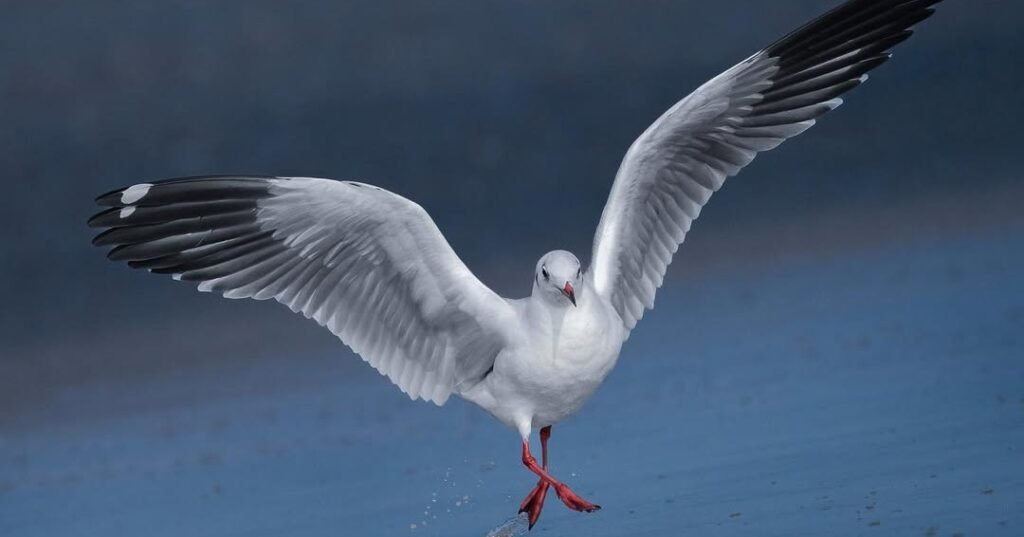
The Brown-headed Gull (Chroicocephalus brunnicephalus) is a charismatic waterbird that brings movement and energy to the tranquil lakes of the Tibetan Plateau. Recognized for its soft chocolate-brown hood during breeding season, bright red bill and legs, and pale gray wings, this medium-sized gull creates a striking contrast against snow-capped mountains and mirror-like alpine waters.
Often described as one of the “restless spirits” of high Asia, these social birds transform quiet wetlands into vibrant ecosystems filled with sound, flight, and activity.
How to Identify a Brown-Headed Gull
Spotting a Brown-headed Gull becomes easier once you know what to look for. Key features include:
- A chocolate-brown hood that appears during breeding season
- Clean white body with light gray wings
- Distinctive white patches, or “mirrors,” near the black tips of their wings
- Bright red bill and legs
- Slightly larger and sturdier build than similar gull species
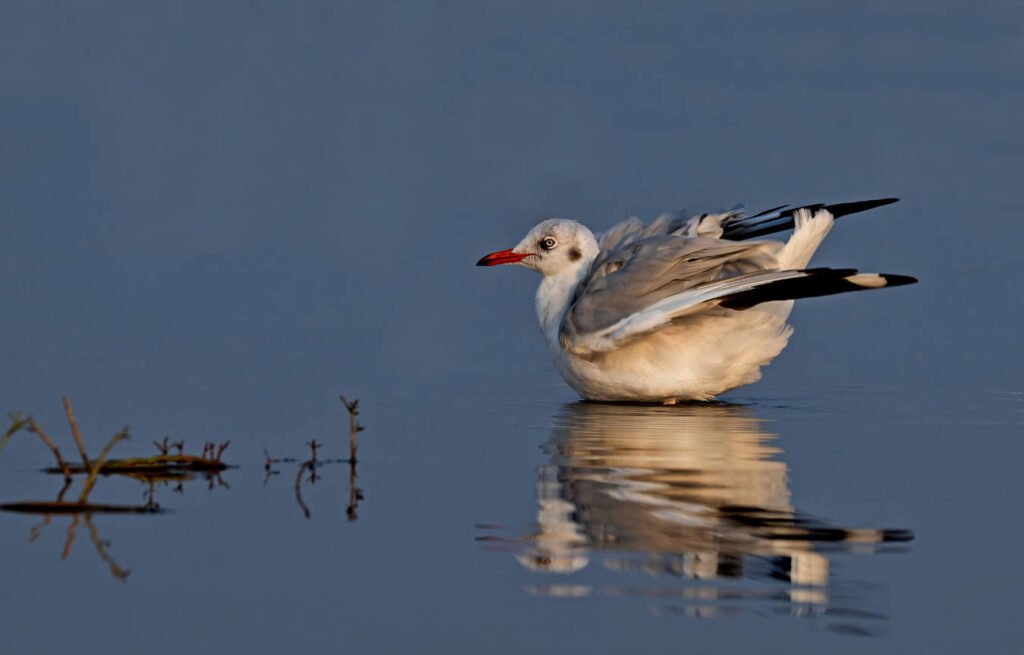
In winter, the dark hood fades, leaving only a small smudge behind the eye—an important detail for birdwatchers traveling outside the breeding season.
Life at High Altitudes
Unlike many gulls associated with coastlines, the Brown-headed Gull is a specialist of high-elevation environments. It breeds across Central Asia—from Tajikistan to Mongolia—with major nesting sites on the Qinghai-Tibet Plateau at elevations reaching 4,500 meters.
Preferred nesting locations include:
- Small islands within large lakes
- Reedbeds and marshy edges
- Brackish or freshwater wetlands
These sites provide safety from predators and ideal conditions for raising chicks.
Colonial Breeding and Social Behavior
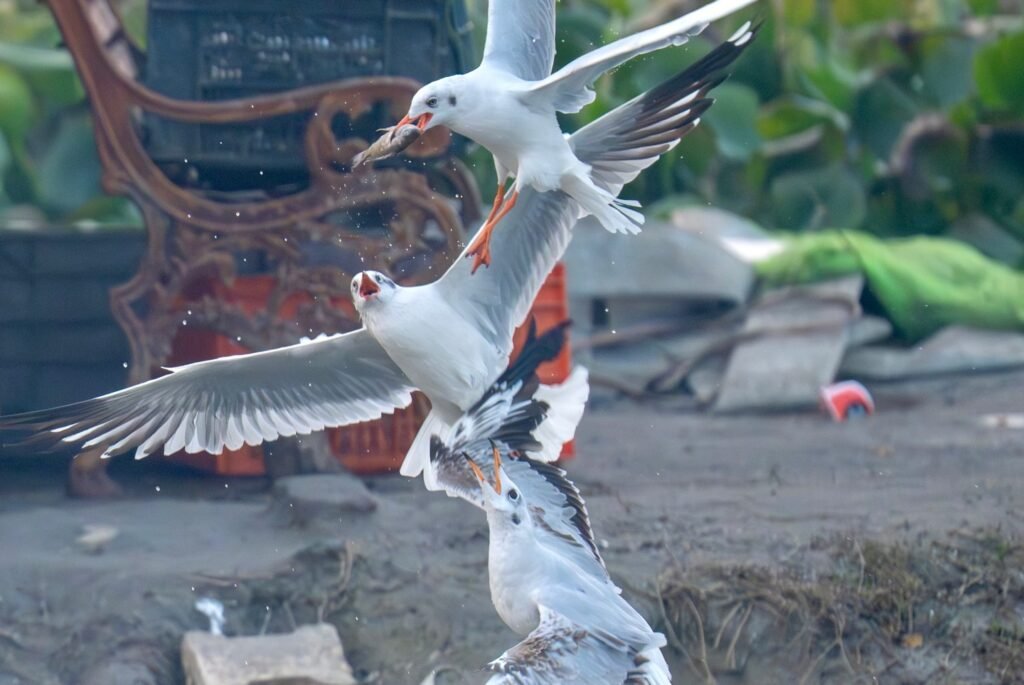
Brown-headed Gulls are highly social birds. During the breeding season, typically May through July, they form colonies ranging from hundreds to thousands of individuals.
Their behavior is lively and often entertaining:
- Constant chuckling calls echo across the water
- Dramatic aerial displays fill the sky
- Groups gather on rocks and sandbars to preen
- Territorial squabbles reveal complex social dynamics
They frequently share habitats with other plateau waterbirds such as Bar-headed Geese, Ruddy Shelducks, and occasionally Black-headed Gulls.
Migration Across the Himalayas
After breeding, these gulls undertake impressive migrations, flying south across the Himalayas toward the coasts, estuaries, and inland wetlands of the Indian Subcontinent.
Recent GPS tracking has identified multiple flyways—western, central, and eastern—demonstrating their adaptability and navigation skills. Many birds stop at staging lakes before continuing their journey.
While most migrate, a few individuals may pass through or linger in southern Tibet during transitional seasons.
Diet and Intelligent Foraging
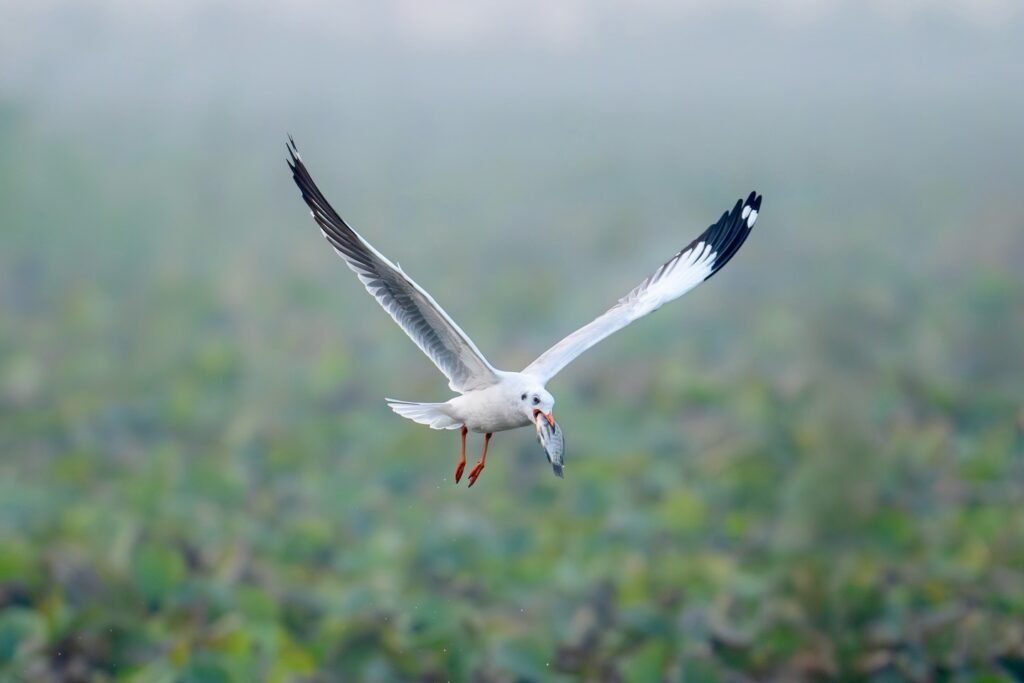
The Brown-headed Gull is an opportunistic feeder with a highly adaptable diet that includes:
- Fish and shrimp
- Mollusks
- Aquatic insects
- Invertebrates from agricultural fields
- Scraps near human settlements
They are also known for kleptoparasitism, a behavior where they steal food from other birds—and occasionally attempt to snatch an easy meal from unsuspecting visitors.
Conservation Status
Currently classified as “Least Concern,” the Brown-headed Gull has a stable global population estimated between 100,000 and 1,000,000 individuals. Wetland protection efforts have supported their numbers, but localized threats remain.
Primary challenges include:
- Habitat loss
- Pollution in high-altitude wetlands
- Human disturbance near breeding colonies
Protecting these fragile ecosystems is essential for the long-term health of plateau birdlife.
Best Time to See Brown-Headed Gulls in Tibet
For wildlife enthusiasts and photographers, the breeding season (May–August) is the most rewarding time to observe these gulls. Colonies are active, reflections shimmer on calm lakes, and the surrounding landscapes provide dramatic natural backdrops.
During winter months, sightings become less common as most birds migrate south, though occasional early arrivals or stragglers may appear in milder regions.
Photography Tips for Capturing Brown-Headed Gulls
Photographing these birds at high altitude can be incredibly rewarding with the right preparation.
Helpful tips:
- Use a telephoto lens (300mm or longer) for detailed shots
- Arrive at dawn for soft lighting and glassy water reflections
- Focus on communal resting areas for dynamic group images
- Dress in layers to handle cold plateau temperatures
- Maintain a safe distance to avoid stressing nesting birds
Calm mornings often create perfect mirror reflections, turning simple photos into dramatic landscape compositions.
Top Places to Spot Brown-Headed Gulls in Tibet
Yamdrok Lake
Located about two hours south of Lhasa, Yamdrok Lake sits at 4,441 meters and is famous for its turquoise waters. Breeding colonies often forage along the shoreline, offering exceptional photography opportunities paired with scenic drives.
Lake Manasarovar
Near Mount Kailash, this sacred freshwater lake rises to approximately 4,590 meters. Its vast, peaceful shoreline attracts feeding gulls and provides serene sunrise viewing for dedicated travelers on multi-day tours.
Lalu Wetland Nature Reserve
As the world’s highest urban wetland, Lalu hosts diverse birdlife. Brown-headed Gulls appear especially during transitional seasons, often feeding alongside geese and shelducks in shallow marshes.
Qinghai Lake
Home to massive “Bird Island” colonies, Qinghai Lake is one of the region’s most important breeding hubs. Thousands of gulls gather here during summer, making it a paradise for birdwatchers seeking close yet ethical encounters.
Planning a Birdwatching Journey in Tibet
Exploring Tibet’s lakes offers more than scenic beauty—it opens a window into one of Asia’s most dynamic bird habitats. International travelers should arrange Tibet Travel Permits through licensed operators and consider guided tours for access to prime wildlife locations.
Pair birdwatching excursions with visits to cultural landmarks such as the Potala Palace, sacred lakes, or even Everest-region viewpoints to create a richer high-altitude travel experience.