
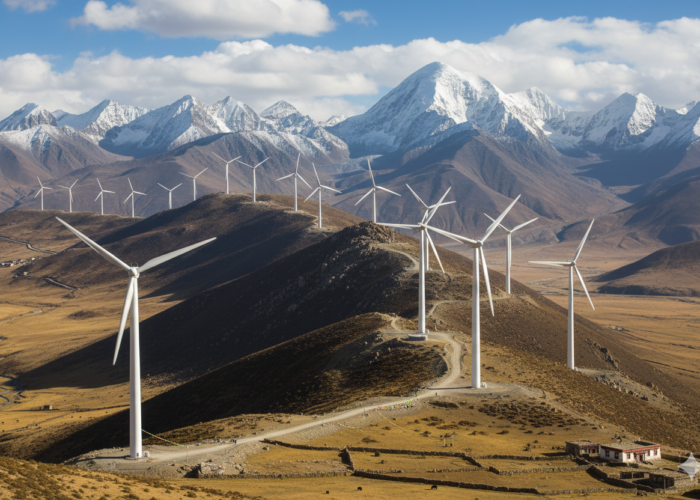
On February 8, Huaneng Group officially connected its first wind power project in Tibet to the grid, achieving a historic milestone in the region’s renewable energy development. The project, known as the Huaneng Caipeng Wind Power Project, represents a major breakthrough for wind energy on the Tibetan Plateau and highlights new progress in Tibet’s clean energy transition.
This achievement signals an important step forward in expanding new energy infrastructure in high-altitude regions, where harsh natural conditions have long limited large-scale wind power development.
High-Altitude Wind Power on the Tibetan Plateau
The Huaneng Caipeng Wind Power Project is located in Nêdong District of Shannan City, situated on the Tibetan Plateau at an average altitude of about 5,050 meters. Operating at such an extreme elevation presents unique technical challenges, including low air density, strong winds, and complex weather conditions.
Despite these challenges, the project has been successfully designed and implemented to meet the plateau’s demanding environment, setting a new benchmark for high-altitude wind energy projects in Tibet.
Installed Capacity and Energy Storage Configuration
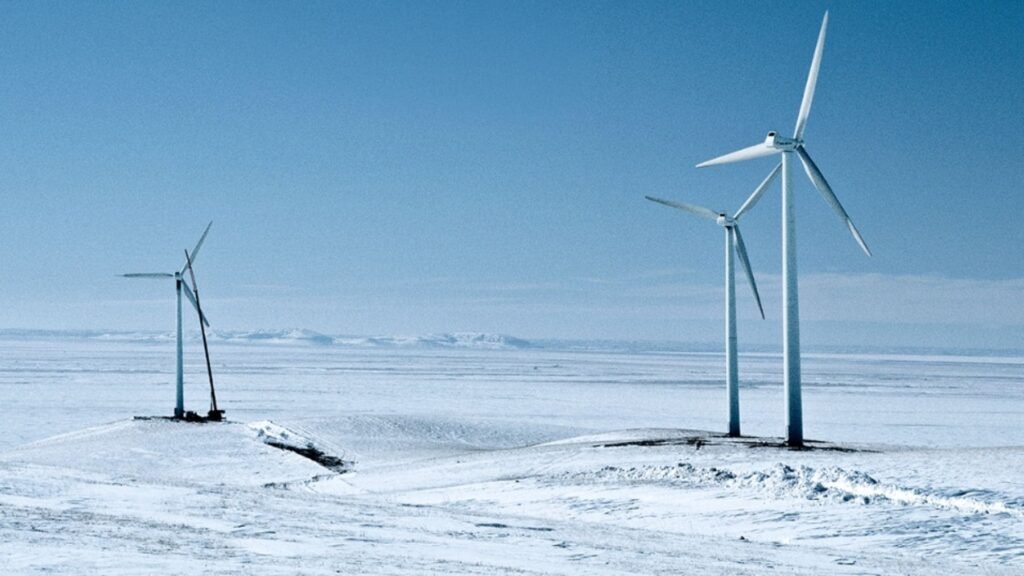
The project has a total installed capacity of 80,000 kilowatts (80 MW) and is equipped with a grid-forming energy storage system rated at 16 MW / 64 MWh. This advanced storage configuration plays a key role in stabilizing power output and improving grid reliability in Tibet’s remote energy network.
The wind farm is planned to include:
- 15 wind turbines, each with a capacity of 5 MW
- 1 demonstration turbine with a capacity of 6.25 MW
Notably, the 6.25 MW unit is currently the largest single-capacity wind turbine ever installed in Tibet, marking a significant technological advancement for wind power on the plateau.
Annual Power Generation and Environmental Benefits
According to project estimates, the Huaneng Caipeng Wind Power Project is expected to generate more than 223 million kilowatt-hours of electricity annually. This level of clean power production will deliver substantial environmental and economic benefits, including:
- Saving approximately 60,000 tons of standard coal per year
- Reducing carbon dioxide emissions by about 164,000 tons annually
- Strengthening local energy security and supply stability
By replacing traditional fossil fuel-based power generation, the project significantly supports Tibet’s low-carbon development goals and contributes to broader climate and sustainability targets.
Advanced Lightning Protection and Monitoring Technology
In addition to its scale and altitude, the project also stands out for its use of nationally leading wind turbine blade lightning protection technology. The wind farm is equipped with an advanced blade lightning monitoring system, designed to ensure operational safety in regions prone to severe weather.
This system uses:
- Optical vibration sensors
- Fiber-optic communication technology
By replacing traditional communication cables and metal sensors, the system effectively eliminates additional risks caused by lightning strikes, electrical surges, and electromagnetic interference. This innovation greatly enhances the safety and reliability of wind turbines operating in Tibet’s extreme lightning and weather conditions.
A New Chapter for Wind Energy Development in Tibet
The successful grid connection of the Huaneng Caipeng Wind Power Project demonstrates that large-scale wind power development is now feasible even in ultra-high-altitude areas. It provides valuable technical experience and a replicable model for future renewable energy projects across Tibet and other plateau regions.
As wind, solar, and energy storage technologies continue to advance, projects like this are expected to play an increasingly important role in building a clean, resilient, and sustainable energy system in Tibet, while supporting regional development and environmental protection.