Tibet offers some of the world’s most remarkable high-altitude camping experiences. With numerous campsites situated at extraordinary elevations across the Tibetan Plateau, this guide showcases the premier destinations for high-altitude camping adventures — from sacred pilgrim routes to remote glacial valleys. Whether you’re an adventure seeker, a spiritual traveler, or a nature lover, these spots deliver both thrill and tranquillity.
1. Mount Everest Region: The Roof of the World
1.1 Everest Base Camp (Tibet side) (≈ 5,200 m)


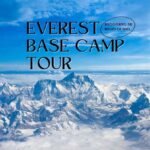
Located on the northern (Tibetan) side of Mount Everest, Everest Base Camp on the Tibetan side is the starting point for arguably the highest accessible trek by vehicle and foot. At around 5,200 m, it is sometimes called “Driver’s Camp”.
Here you’ll find basic amenities: tents, meal services, acclimatisation support. The scenery is extreme—towering peaks, glacial expanses, the silence of high elevation. It’s a gateway to the “Roof of the World”.
Why this site matters:
- First major high-altitude campsite many trekkers reach on the Tibetan side.
- Provides good exposure to extreme mountain terrain, glacial systems, and high-altitude atmosphere.
- Accessible by road + short trek, which makes it more logistic-friendly than deeper camps.
Tips for visiting:
- Spend at least a day here to acclimatise properly before going higher.
- Nights are very cold—even in summer. Bring serious cold-weather sleeping gear.
- The thin air means you must move slowly, hydrate well, sleep early.
- For photography: dawn and dusk offer spectacular light on the North Face of Everest and the neighbouring peaks.
1.2 Intermediate Camp (Rongbuk Glacier) (≈ 5,800 m)
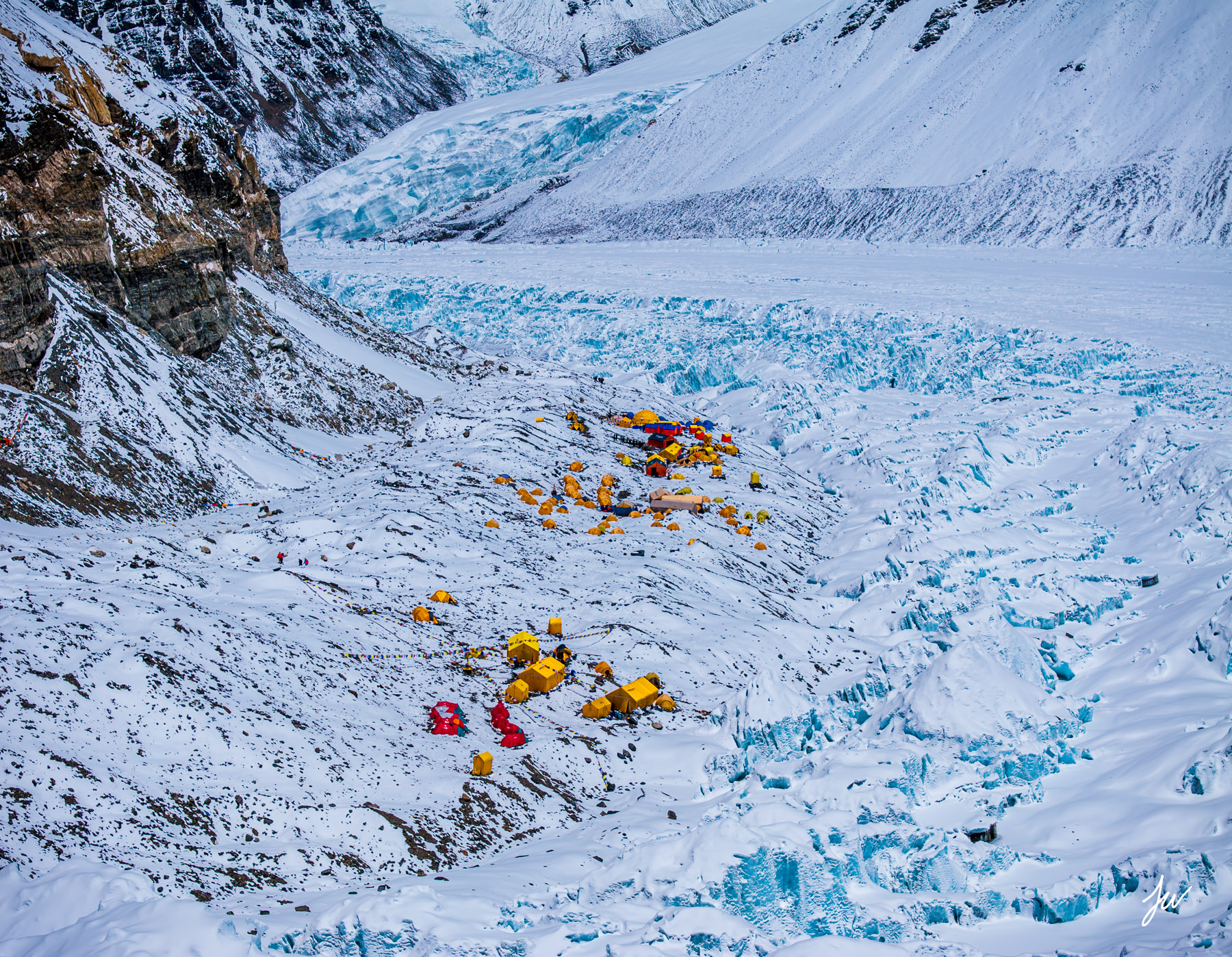
Situated along undulating moraine hills beside the Rongbuk Glacier, this Intermediate Camp at approximately 5,800 m forms the next stage on the trek from Base Camp toward the advanced camps. The backdrop of glacial formations adds to the dramatic setting.
What makes it special:
- Higher altitude = stronger sense of wilderness, fewer crowds.
- Unique vantage of moraines and glacier environment.
- Important acclimatisation stop for those pushing to greater elevations.
Considerations:
- Less infrastructure; expect rougher camping conditions.
- The altitude means you must move very slowly, rest frequently, and monitor symptoms of altitude sickness.
- As you ascend further, the logistics (cold, wind, thin air) intensify.
1.3 Advanced Base Camp (East Rongbuk) (~6,500 m)

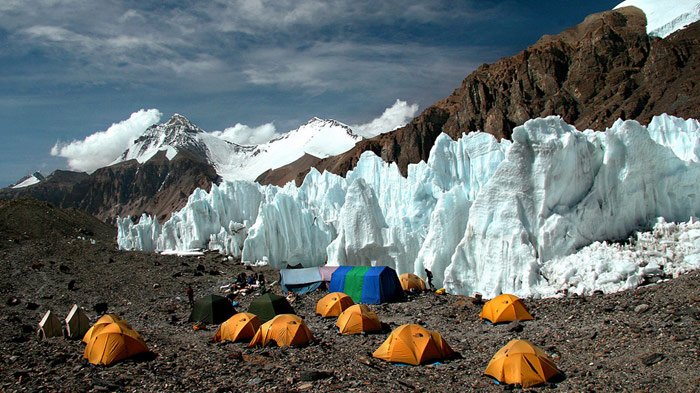
Perched alongside the East Rongbuk Glacier, the Advanced Base Camp at around 6,500 m marks one of the highest trekking camps in the world. Many research and mountaineering teams set up here. From this vantage point you’ll see the East route of Everest, the imposing North Col, ice pinnacles and alpine meadow remnants.
Highlights:
- Extreme elevation: the atmosphere and experience are uniquely raw.
- Dramatic panoramas: surreal ice, glacier, and rock formations at very high altitude.
- A place not for beginners: this level of camping demands serious acclimatisation and physical readiness.
Important safety notes:
- Very thin air; sleeping and moving become significantly harder.
- Carry oxygen, be extremely cautious with altitude symptoms.
- Weather changes fast; night temperatures plunge, winds intensify.
- Suitable only for experienced high-altitude campers/trekkers.
1.4 Rongbuk Monastery Campground (~5,009 m)
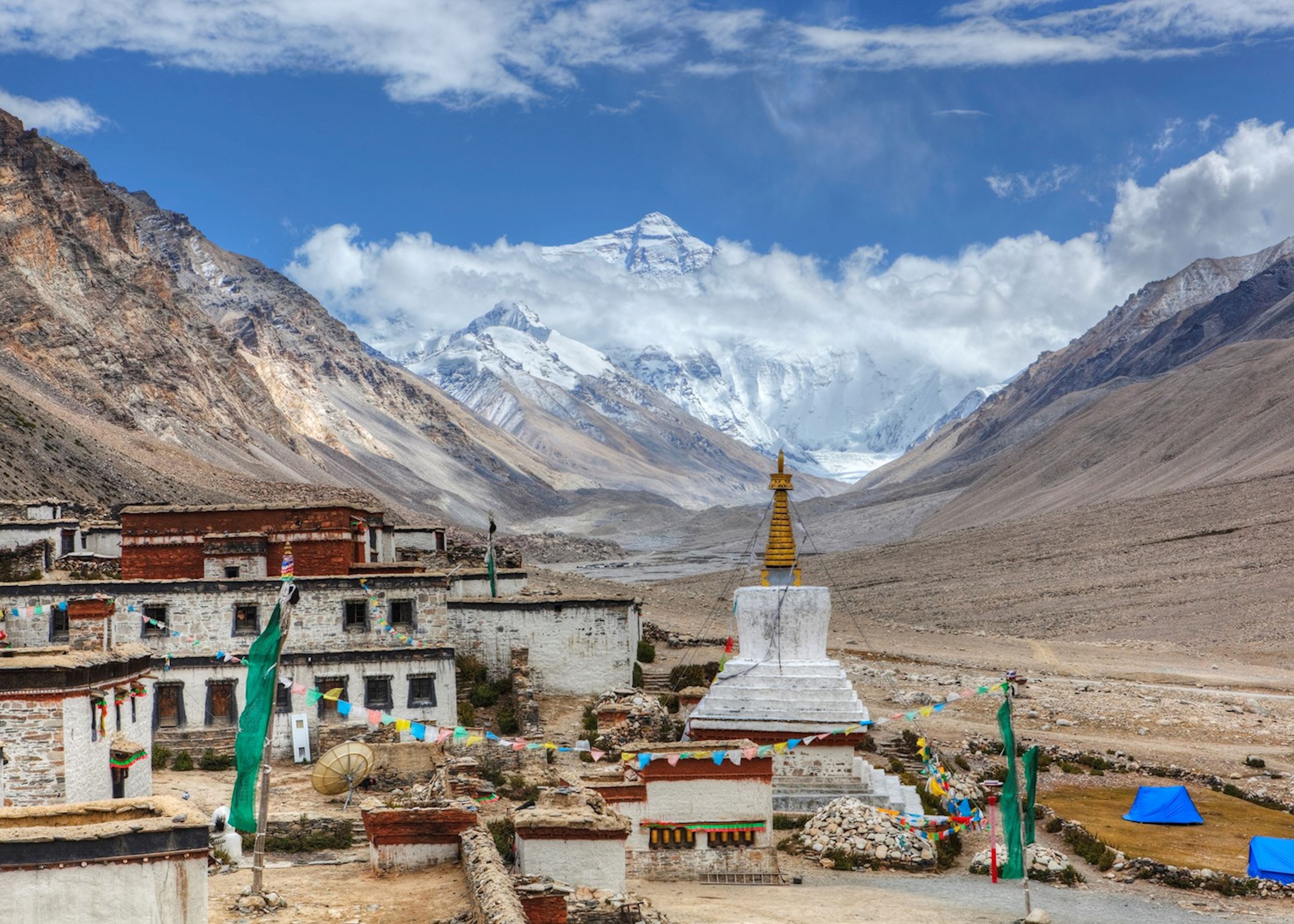
Located at the foot of Everest above the Rongbuk Glacier, the campground near the monastery offers a slightly lower-altitude but still high-altitude camping experience (~5,009 m). The monastery (often called the highest in the world) adds a spiritual atmosphere to the surroundings.
Why choose this site:
- Easier than the 6,000 m camps yet still dramatic.
- Combines cultural/spiritual setting (monastery) + high mountain views.
- Ideal for travellers who want the high altitude feel without going to the extreme 6K+ level.
Best practices:
- Allocate time for acclimatisation.
- Use the monastery’s infrastructure for rest before going higher.
- Capture sunrise over Everest North Face—especially memorable.
2. Mount Kailash: The Sacred Pilgrimage Route
2.1 Darchen Base Camp (≈ 4,560 m)


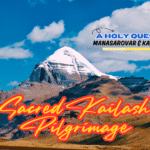
At around 4,560 m, Darchen serves as the staging area for the sacred circumambulation (kora) of Mount Kailash (6,638 m). From this campsite, pilgrims begin the 56-kilometre, three-day route around the peak.
Why it stands out:
- Spiritual significance: the journey begins here, imbued with Tibetan – Bön and Buddhist meaning.
- Less extreme altitude than the 6K sites, making it accessible to more travellers.
- Opportunity to connect with pilgrimage culture and high-altitude trekking.
Tips for staying:
- Use this camp to acclimatise before heading higher along the kora.
- Respect pilgrimage customs: walk clockwise, show reverence at monasteries and holy sites.
- Weather can still be challenging: pack layers, sleeping bag rated for cold.
2.2 Dirapuk Monastery Campsite (~5,210 m)
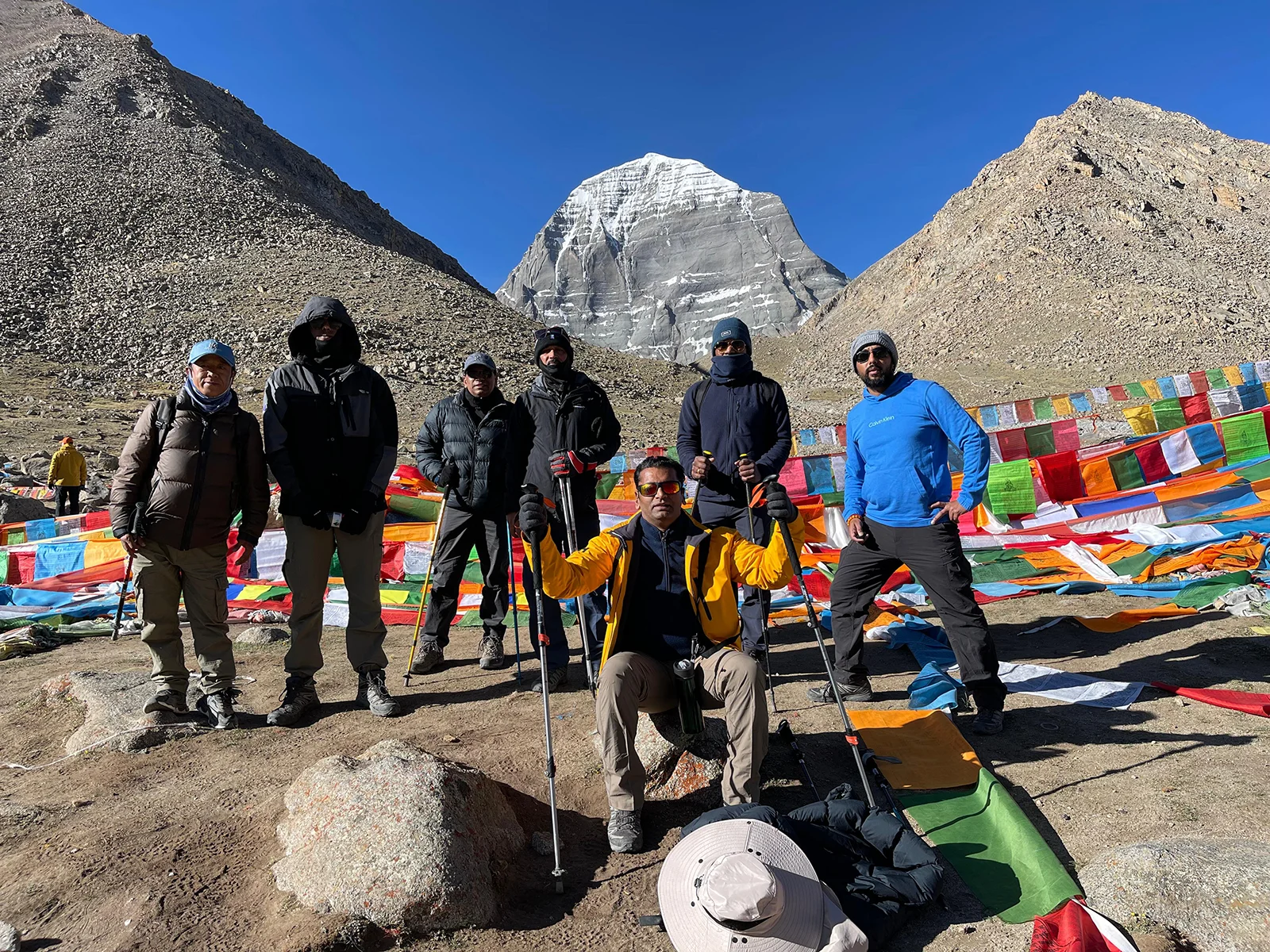
On the west slope of Mount Kailash, the Dirapuk Monastery campsite at ~5,210 m is the highest overnight stop of the kora. From here, you can see the north face of the mountain, considered highly sacred.
What makes it special:
- Mixture of spiritual and alpine scenery: night-camping with the mountain looming.
- Typically less crowded; the elevation adds an element of challenge.
- Ideal for travellers seeking meaningful spiritual connection + high-altitude immersion.
Considerations:
- Weather can change fast. Cold nights, wind, snow may appear even in “summer”.
- Ensure good sleeping gear and insulation.
- Acclimatise well in Darchen or lower before heading here.
2.3 Drolma La Pass Area (~5,630 m)


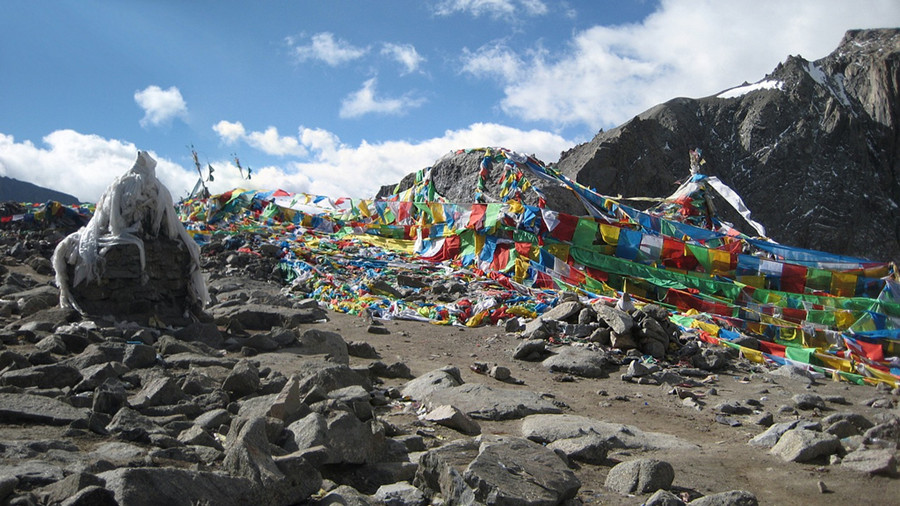
Reaching approximately 5,630 m, the Drolma La Pass is the highest point on the Kailash Kora and also offers camping opportunities in one of the most dramatic landscapes of the trek.
Why this is a highlight:
- The culminating high-point of the pilgrimage circuit.
- Exceptional views across the sacred landscape, pristine terrain, and sense of achievement.
- A remarkable place to camp — remote, high-altitude, spiritually charged.
Important notes:
- The altitude means greater risk of symptoms; ensure you are well acclimatised.
- Temperatures drop significantly at night; wind-proof gear essential.
- Ensure your contingency plan includes descent if symptoms worsen.
3. Cho Oyu Base Camp Region (4,800 m – 7,000 m)
3.1 Cho Oyu Base Camp (~4,800 m)

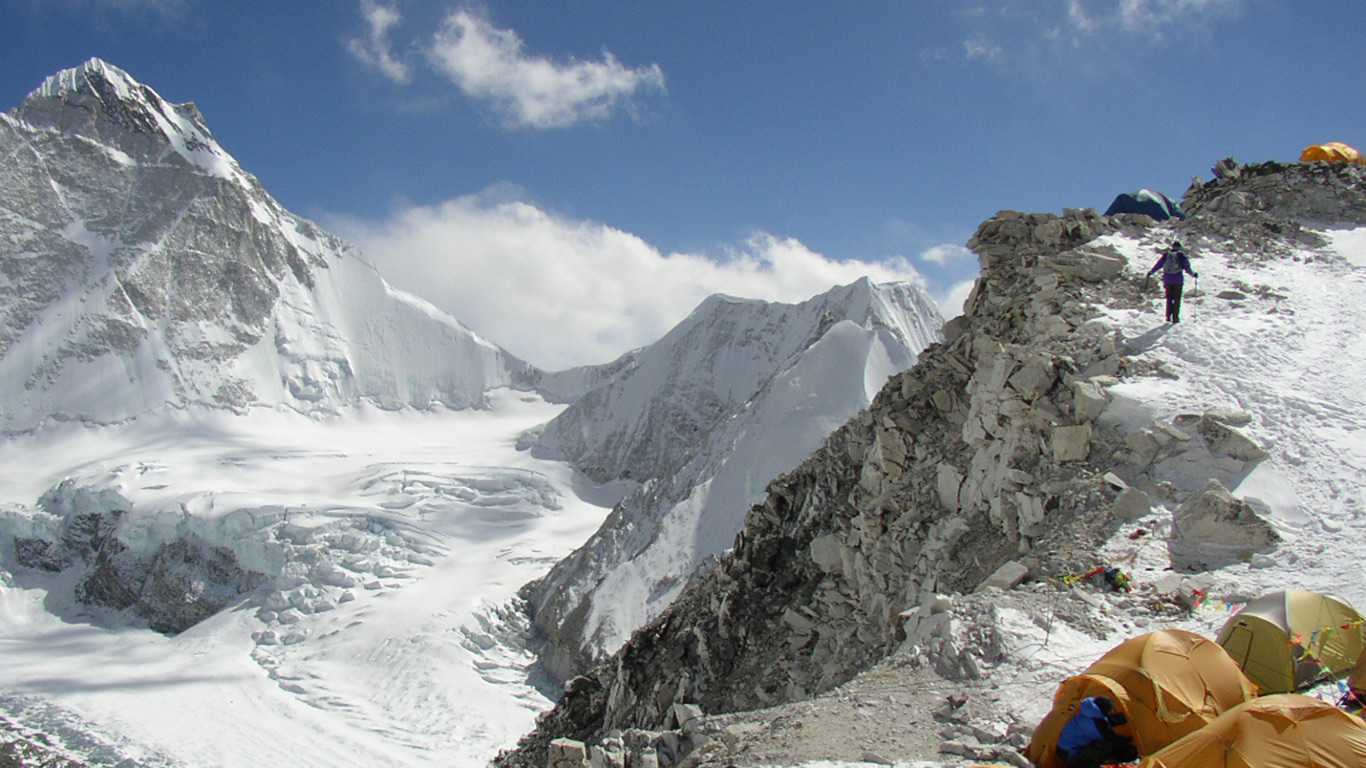
Located about 29 km northwest of Mount Everest in the Himalayas, Cho Oyu Base Camp at ~4,800 m serves as a starting point for expeditions. Accessible by road from Lhasa, it offers a gentler entry into high-altitude camping.
Perks:
- Easier altitude compared to 6K+ camps; good acclimatisation site.
- Beautiful scenes of the middle Himalayan region, less extreme than Everest’s highest camps, but still very high.
- Suitable for travellers who want high-altitude experience without the “extreme” level.
3.2 Cho Oyu Advanced Base Camp (~5,650 m)

At ~5,650 m, the advanced base camp for Cho Oyu comes with expedition-level infrastructure: heated dining tents, communication facilities, internet access. This blend of high altitude and relative comfort makes it unique.
Why it’s notable:
- Comfortable accommodation at very high altitude — rare.
- Ideal for those who may not want “rough camping” but want serious height and mountain environment.
- Strong platform for photographers, nature lovers, and high-altitude camping enthusiasts.
Recommendations:
- Even though amenities exist, acclimatisation and altitude caution remain essential.
- Use this camp to transition to higher altitudes or simply enjoy high-altitude comfort.
- Respect the expedition environment and the fact that you’ll be sharing a base camp with serious mountaineering teams.
4. Gama Valley (Orchid Valley)
4.1 Orchid Valley Campsite
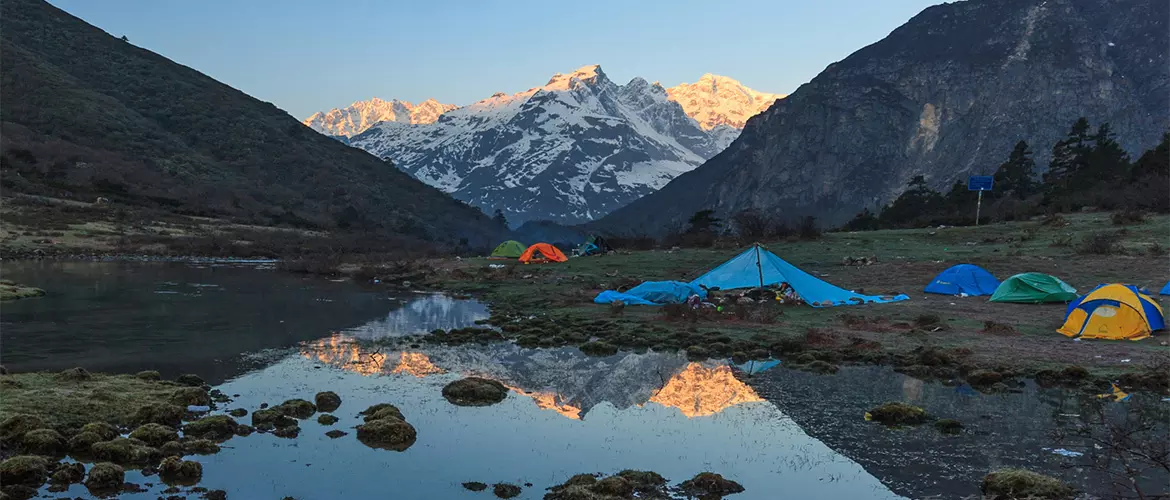
This beautiful campsite sits within Gama Valley and is known for its blooming orchid flowers in May, all framed by dramatic mountain scenery on the eastern slope of Everest.
What draws visitors:
- Botanical beauty + high-altitude wilderness — a rare combination.
- Springtime bloom of orchids adds colour to the high-altitude environment.
- A great alternative to “just” mountain peaks — nature, flora, high altitude.
4.2 Tangsung Camp
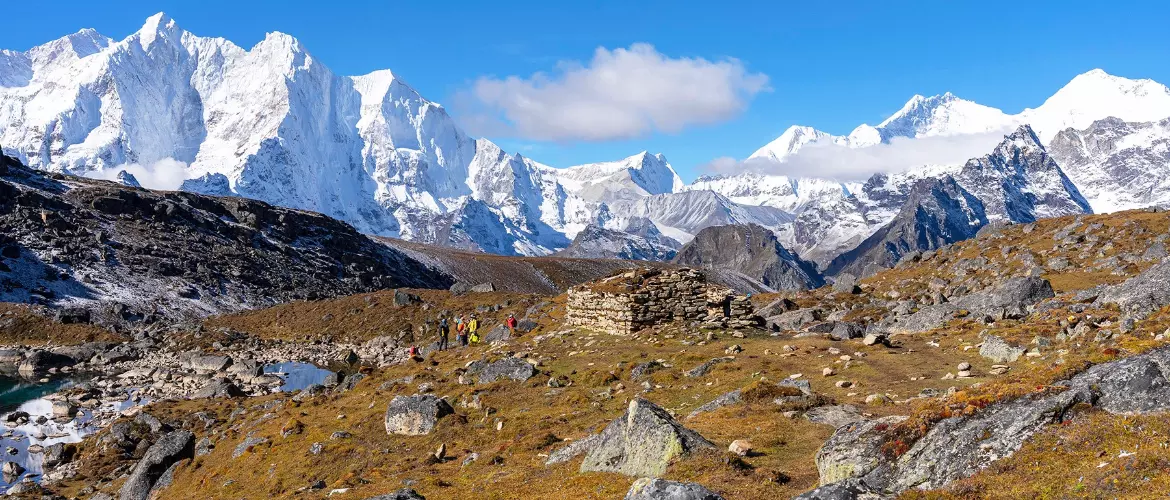
Situated along the Gama Valley trek circuit, Tangsung offers strategic views of multiple 8,000-metre peaks — including Everest, Lhotse and Makalu’s subsidiary peaks — from one vantage point.
Highlights:
- Exceptional multi-peak views from a single campsite.
- Less crowded than major “base camps”, more sense of wilderness.
- Ideal for trekkers who want high-altitude camping with spectacular panoramas.
4.3 Paltang Campsite
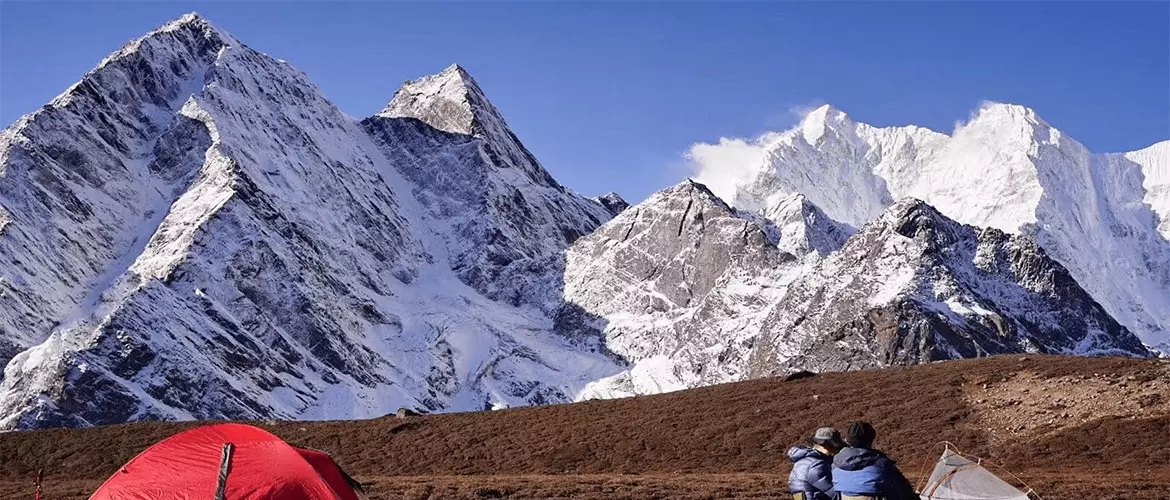
Accessible after navigating through rugged rocky terrain, Paltang represents the final camping point of the Gama Valley trek. The sense of achievement blends with high-altitude immersion.
Why stay here:
- More remote and less frequented — ideal for solitude and “wild Tibet”.
- Final camp – feeling of completion, remote terrain, raw nature.
- Rewarding for trekkers who have made the effort to reach it.
Precautions:
- Terrain is rough; the approach may be physically demanding.
- Conditions may be rudimentary; expect fewer amenities.
- Good acclimatisation before arrival recommended.
5. Ganden to Samye Trek Route
5.1 Ganden Monastery Campground (~4,180 m)

Situated 32 km from Lhasa on a ridge above the Kyichu River at around 4,180 m, this camp begins one of Tibet’s most famous pilgrimage hiking routes: from Ganden Monastery to Samye Monastery.
Why this route & camp stand out:
- Combines cultural and religious significance with high-altitude trekking.
- Starting altitude is “moderate high”, ideal for gradual acclimatisation.
- Offers a more accessible high-altitude adventure compared to the 6 K sites.
5.2 Tsotup Chu Valley Herders Camp (~4,465 m)

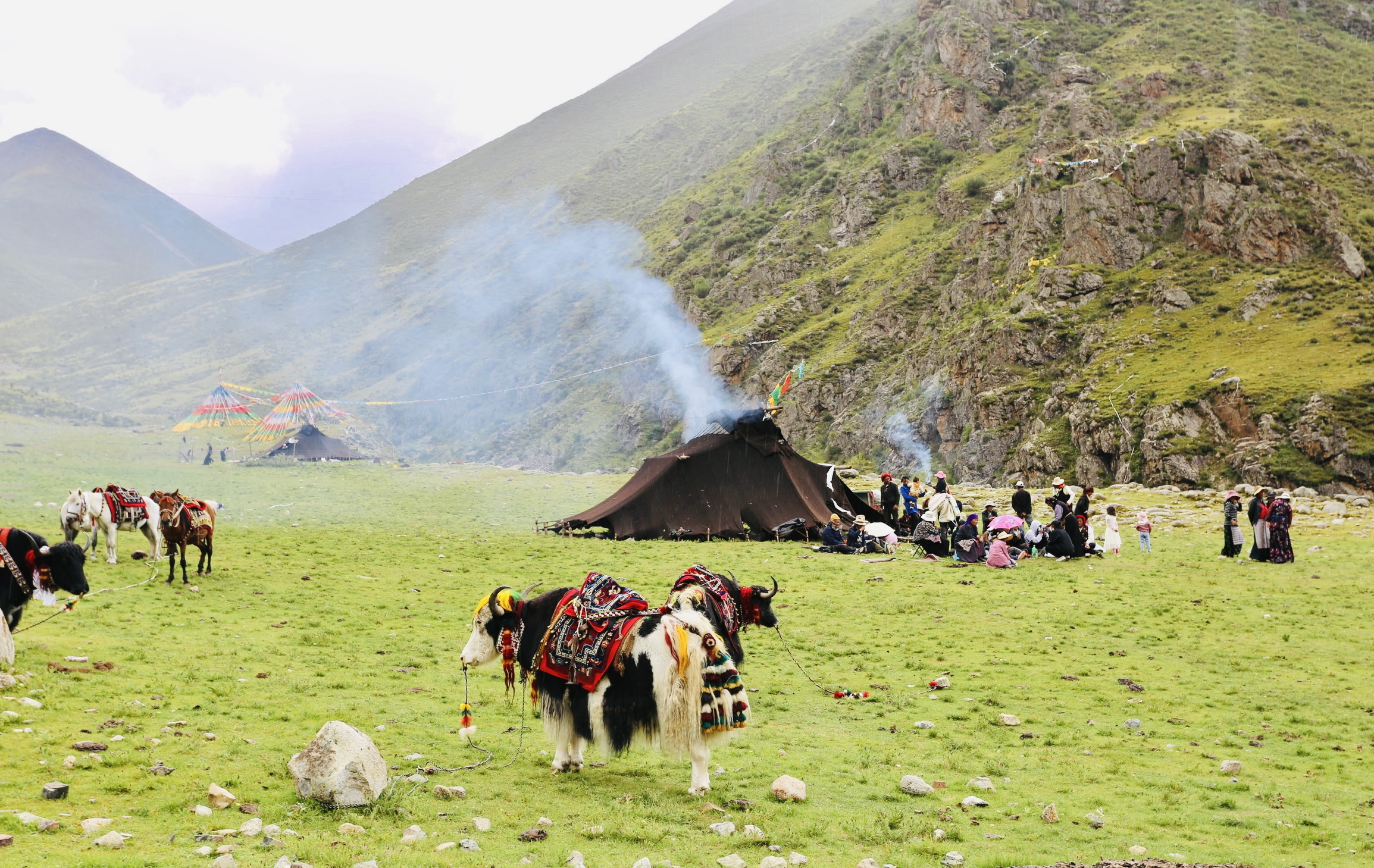
Located midway through the Ganden to Samye trek at about 4,465 m, this herders’ camp offers cultural immersion — stay amidst Tibetan nomadic life and high-altitude landscape.
Why this is special:
- More than just altitude: gives cultural context, authentic experience.
- Moderate elevation makes it achievable for more travellers.
- Great for those seeking meaningful trekking with nature and culture combined.
5.3 Shogu La Pass Area (~5,250 m)

At approximately 5,250 m, this pass is the highest point on the Ganden → Samye route. The camp here rewards trekkers with alpine lakes, snow-capped peaks and sweeping high-altitude vistas.
Why it’s a highlight:
- Crossing the 5,000-metre mark adds both challenge and reward.
- Images of alpine lakes and ridges amplify the “wild Tibet” experience.
- Ideal for travellers who have acclimatised and are ready for 5K-plus camping.
Be prepared for:
- Thinner air, slower pace necessary.
- If you feel significant symptoms of altitude sickness, this is not the place to press ahead.
- Nights get very cold; camp gear must handle sub-zero.
6. High Altitude Lakes & Plateau Campsites
6.1 Yamdrok Lake Camping (~4,770 m)

Approximately 114 km southwest of Lhasa, near Khambala Pass, this lakeside campsite lies at ~4,770 m. Yamdrok means “turquoise” in Tibetan, reflecting the lake’s vivid colour amid snow-capped peaks like Mount Norjin Khangsar.
Why it appeals:
- Scenic lakeside camping at high altitude — unique combination.
- More accessible than extreme elevation camps; great for moderate high-altitude experiences.
- Ideal for photography, relaxing nights under stars, nature immersion.
6.2 Namtso Lake Camping (~4,718 m)
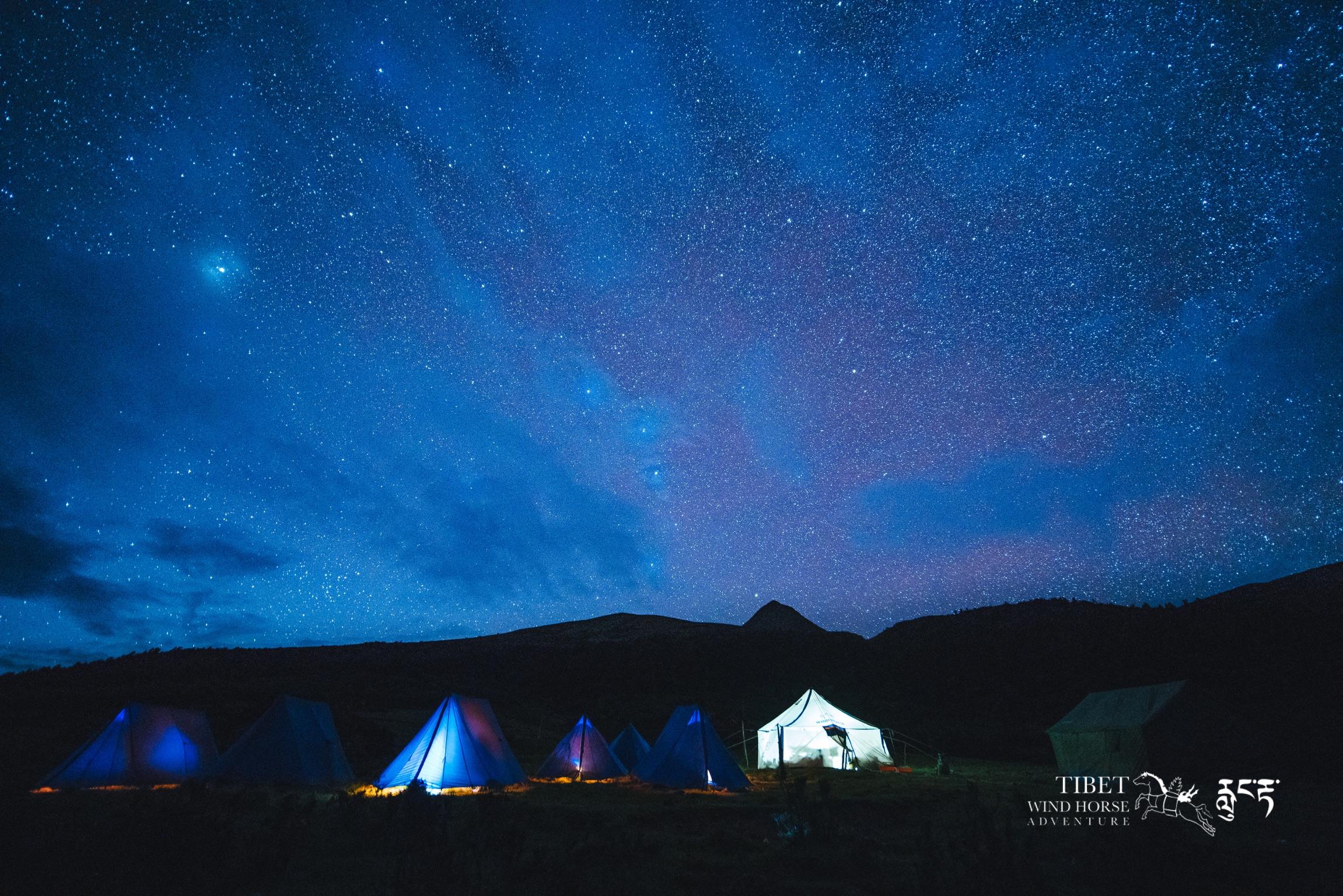
At around 4,718 m above sea level, Namtso is one of the world’s highest salt-water lakes and one of Tibet’s three sacred lakes. Campsites near the Zhaxi peninsula offer remarkable atmosphere and high-altitude experience without extreme elevation.
Benefits:
- Sacred lake + high altitude + accessible: a balanced option.
- Ability to camp near the shore or climb a nearby hill for elevated vantage points.
- Suitable for travellers who wish to “taste” high-altitude camping without the very steep ascents.
6.3 Changtang Plateau Nomadic Camps (4,500 – 5,000 m +)
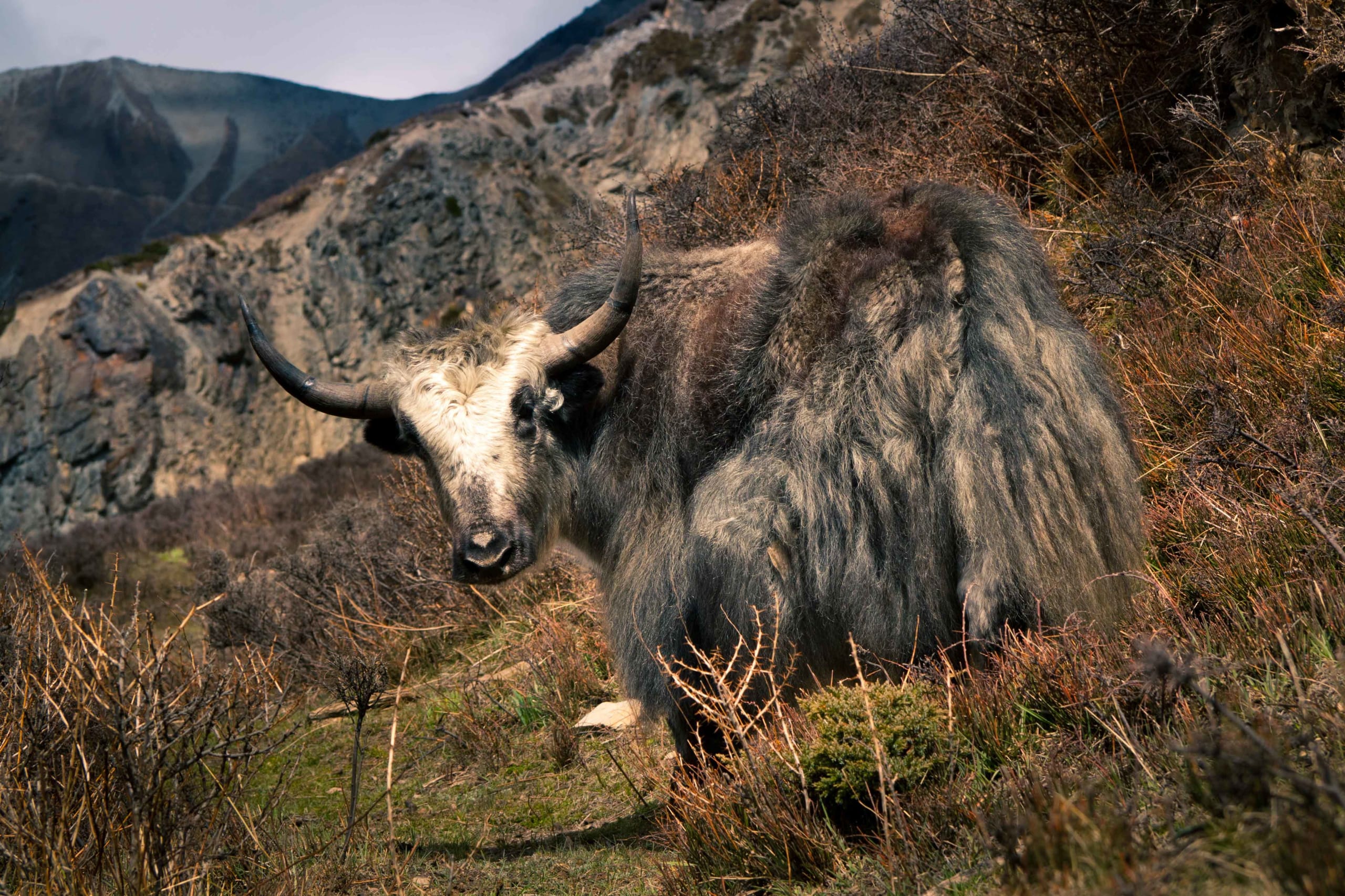
Spanning western and northern Tibet into southeastern Ladakh, the Changtang Plateau lies at altitudes of ~4,500 to over 5,000 m. Here you’ll find summer camps of nomadic Changpa herders, high-altitude lakes, and rare wildlife like wild yak and Tibetan antelope.
Why it’s extraordinary:
- True wilderness at high altitude: fewer tourists, more nature.
- Combining wildlife, nomadic culture, and camping above 4,500 m.
- Offers a different flavour — less “mountaineering”, more remote plateau life.
Best for:
- Nature-lovers who can handle simpler infrastructure.
- Travellers who value solitude, wildlife, untouched landscapes.
- Those prepared for more rugged conditions and minimal amenities.
7. Amne Machin Region Trekking Camps (~6,000 m + in parts)
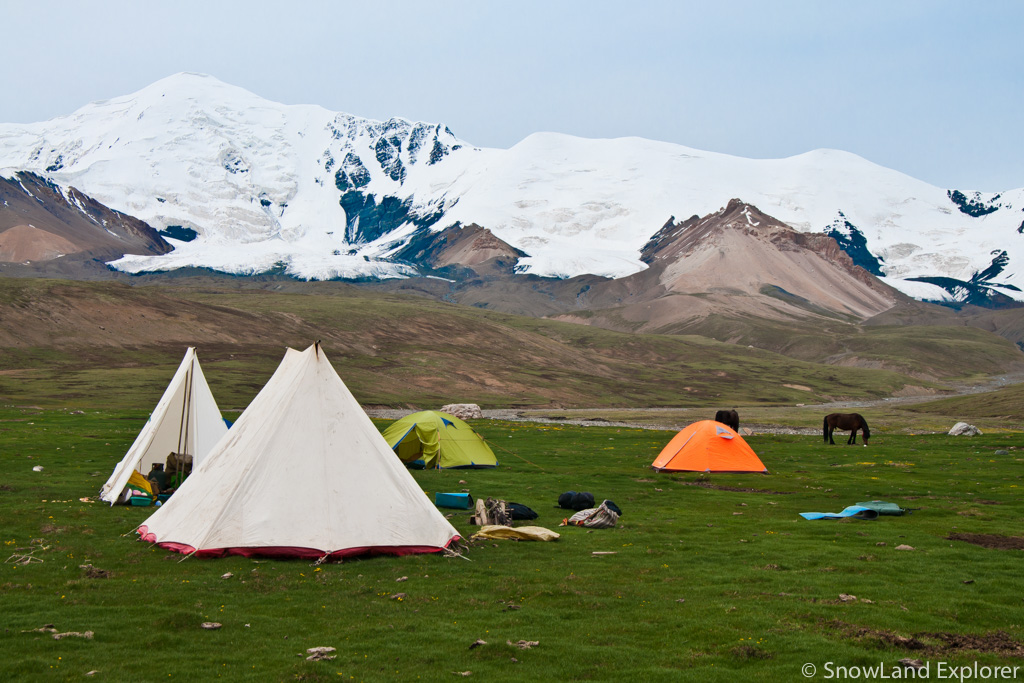
In Maqên County, Golog Prefecture, eastern Tibet, Amne Machin (also spelled Amnye Machen) rises to 6,282 m and offers challenging trekking opportunities through grasslands, bushes, and high passes. Camping here means true wilderness at altitude and deep immersion in Tibetan culture.
Why it’s for the adventurous:
- Remote region, fewer services, more authentic “edge”.
- Sacred mountain in Tibetan Buddhism — adds spiritual dimension to camping.
- High-altitude terrain, long treks, variable weather: expect challenge and reward.
Advice:
- Only for experienced high-altitude trekkers/campers.
- Need to carry more supplies, be prepared for less infrastructure.
- Acclimatisation and logistics are critical.
8. Preparation & Considerations for High-Altitude Camping in Tibet

Camping high in Tibet is incredible — but it demands respect for the altitude, environment, and your health. Here are key preparation points to ensure you have a safe and enriching time.
8.1 Timing & Season
- Best time: late April to early October when weather is relatively stable.
- For more remote or higher camps, early summer and autumn windows (late April-June, September-October) tend to offer clearer skies and fewer storms.
- Winter (Nov–Mar) is generally not recommended for most of these high camps due to ice, snow and closed facilities.
8.2 Acclimatisation & Altitude Safety
- Above approx. 2,500-3,000 m your body begins to feel the effects of thinner air.
- Ascend slowly: avoid overnight jumps in sleeping elevation of more than ~300-500 m if possible.
- Hydration is absolutely critical: drink 3-5 litres (or more) daily in high altitude.
- Avoid alcohol, heavy meals, and over-exertion in early days.
- Know the symptoms of acute mountain sickness (AMS), high-altitude pulmonary edema (HAPE) and high-altitude cerebral edema (HACE). If serious symptoms appear, descent is the best treatment.
- For high camps (5,000 m+), monitoring symptoms becomes vital.
8.3 Gear Checklist
- Layered clothing: moisture-wicking base layers, fleece or down mid-layer, waterproof/wind-proof outer shell.
- Boots broken in, trekking poles, insulated sleeping bag for sub-zero nights, camp mattress/insulation.
- Sun protection: sunglasses with UV filter, strong sunscreen (SPF 50+), lip balm, hat.
- Water bottle/hydration bladder, water purification tablets or filter (especially in remote camps).
- Personal first-aid kit: include altitude medication if prescribed (e.g., acetazolamide / Diamox) after doctor consultation.
- Portable oxygen canisters (useful in extreme camps).
- Light headlamp, batteries, power bank for essentials.
- Camping etiquette: leave no trace, pack out non-biodegradable waste.
8.4 Logistics & Permits
- Most trekking and camping in Tibet requires booking via a licensed local Tibetan tour agency and obtaining the appropriate permits (e.g., the Tibet Travel Permit, Alien’s Travel Permit, Military Permit for border/restricted zones).
- Remote high-altitude camps mean fewer amenities—carry appropriate supplies, plan for cold nights, fewer comforts.
- Travel insurance must cover high-altitude trekking and emergency evacuations.
8.5 Cultural & Environmental Respect
- Tibet is rich in cultural and spiritual heritage. Respect local customs: walking clockwise around monasteries, not pointing feet at sacred objects, asking permission before photographing monks/locals. (WindhorseTour)
- Environmentally: high-altitude ecosystems are fragile. Avoid littering, disturbance of wildlife, respect nomadic communities’ land and practices.
9. Why Tibet’s High-Altitude Campsites Are Unparalleled
- The sheer elevation: Many camps sit at 4,500 m, 5,000 m or higher—far beyond typical trekking zones elsewhere.
- The combination of nature, culture and spiritual landscapes: From Everest’s glaciers to Mount Kailash’s pilgrimage routes, from nomadic herders on the Changtang to sacred lakes such as Yamdrok and Namtso.
- The wildness and remoteness: Some camps are very remote, lightly trampled by tourism, offering an authentic “edge”.
- The visual drama: Glacier-carved terrain, snow-tipped peaks, high-altitude lakes’ surreal colours, expansive skies, star-filled nights.
- Versatility: Options exist for moderate high-altitude camping (4,500-5,000 m) and extreme high (6,000 m+). Whether you want “taste” or “full immersion”, Tibet has camps for you.
10. How to Choose the Right Campsite for Your Trip
Here’s a quick guideline to help you pick based on your goals, fitness & comfort level:
| Your Goal | Recommended Campsites |
|---|---|
| First time high-altitude, want stunning views but manageable elevation | Yamdrok Lake (~4,770 m), Namtso Lake (~4,718 m), Darchen Base (~4,560 m) |
| Moderate high-altitude experience, combining culture & nature | Ganden Monastery Camp (4,180 m) + Tsotup Chu (4,465 m) or Orchid Valley (Gama Valley) |
| Serious high-altitude challenge, expedition feel | Intermediate Camp (5,800 m), Dirapuk (5,210 m), Tangsung/Paltang in Gama Valley |
| Extreme high-altitude, for experienced trekkers/campers | Advanced Base Camp (6,500 m), Amne Machin region camps (6,000 m+), or Cho Oyu Advanced Base Camp (5,650 m) |
Factors to consider when choosing:
- Your current fitness & prior high-altitude experience.
- How many days you have (adequate time for acclimatisation).
- Level of comfort you’re willing to accept (infrastructure vs remote wilderness).
- Weather/season and logistics (road access, support services).
- Cultural/spiritual aspect vs pure nature/adventure focus.
11. Sample Itinerary Snippet (for High Altitude Camping)
Here is a brief conceptual snippet you can adapt depending on which region you choose:
- Day 1–2: Arrive Lhasa (3,650 m). Relax, gentle walk, hydrate, begin acclimatisation.
- Day 3: Transfer to first campsite at moderate altitude (~4,500 m). Camp overnight.
- Day 4: Gentle day, limited elevation gain. Explore surroundings, rest early.
- Day 5: Move to higher campsite (~5,200–5,300 m). Camp. Monitor how you feel.
- Day 6: Optional acclimatisation rest day. Light walk, enjoy the view.
- Day 7: Depending on route, ascend to high camp (~5,600–6,000 m). Overnight.
- Day 8: Summit of trek / major viewpoint. Camp at highest point or begin descent to safer altitude.
- Day 9: Descend toward lower campsite (~4,500 m) for recovery.
- Day 10: Return to Lhasa or onward travel.
12. Final Thoughts
High-altitude camping in Tibet truly is an extraordinary adventure. It combines remote wilderness, spiritual landscapes, towering mountains and unique cultural encounters. But with the elevation comes responsibility: good preparation, respect for altitude and environment, physical and mental readiness.
If you’re well-prepared, these campsites — whether at 4,500 m or at 6,500 m — can offer once-in-a-lifetime memories: silent nights beneath Himalayan stars, glaciers shimmering in dawn light, the turquoise lakes of the plateau, nomadic herders under a vast sky, the sacred presence of Mount Kailash or Everest looming overhead.
If you’d like, I can tailor a detailed itinerary that focuses on high-altitude camps in one of these regions (Everest, Kailash, or Changtang) — including logistics, approximate costs, best seasons and photography tips. Would you like me to create that?