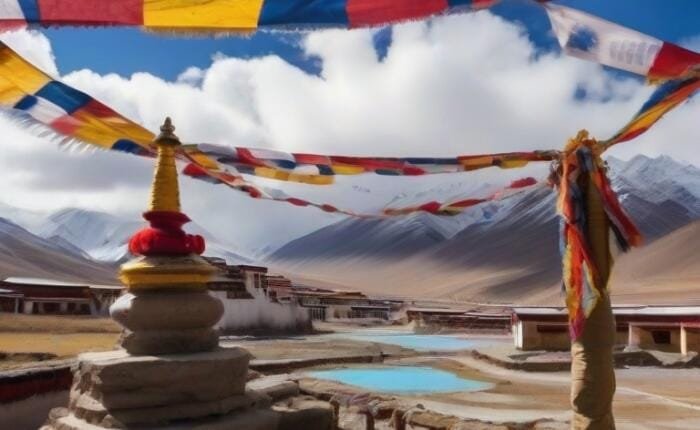
Rays of Warmth: Unmasking Tibet's Geothermal Treasures, Where Every Drop Tells a Tale of Timeless Serenity! Tibetan Tranquility: A Hot Springs Odyssey Beyond the Horizon, Bubbling Bliss in the Roof of the World!Read More
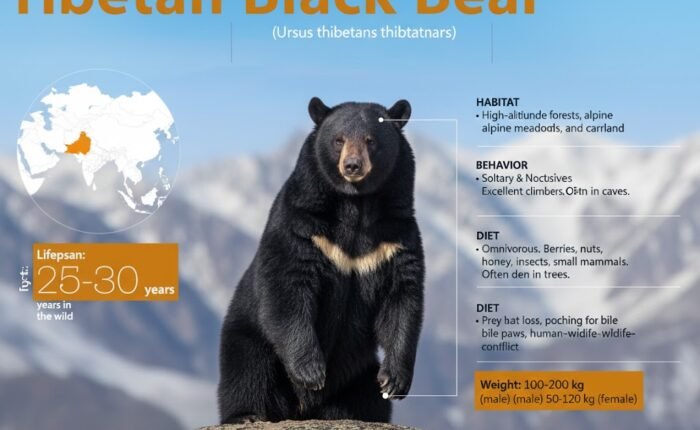
Trekking Tibet: A Brown Bear's Gaze, Journey into the wild – where nature holds the reins. In the Shadow of the Brown Bear: A Tibetan Tale, An encounter that blends thrill with wilderness wisdom.Read More
Dive into the heart of Tibetan spirituality with "Kyutsang Ritroe: Unveiling the Serenity of Tibet's Hidden Spiritual Oasis." This journey invites you to discover one of Tibet's most sacred and secluded hermitages, the Kyutsang Ritroe. Tucked away in the serene landscapes of the Himalayas, this hermitage stands as a testament to centuries of spiritual practice...Read More
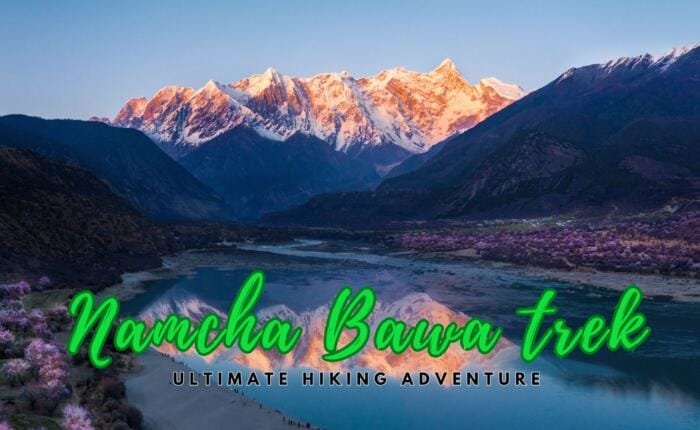
Embark on an extraordinary journey to the heart of the Himalayas with "Ascend to Mystique: Conquering Namchak Bawa Peak in Tibet." This ultimate hiking adventure leads you to one of the world's most awe-inspiring and least explored peaks. Namchak Bawa, revered for its breathtaking beauty and spiritual significance, presents a unique challenge for adventurers and...Read More
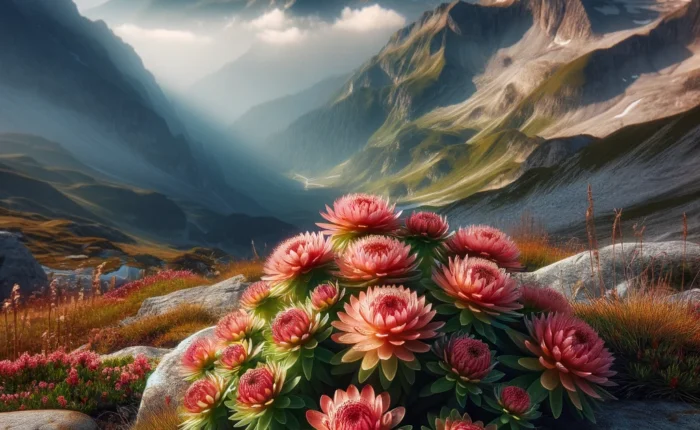
Explore the world of Rhodiola Rosea, a revered plant in traditional Chinese medicine known for its immune-boosting properties. Discover the comprehensive guide to its benefits, potential side effects, and important contraindications. Learn how to safely incorporate Rhodiola Rosea into your health regimen, especially if you have gastrointestinal sensitivities, are pregnant, or breastfeeding. Get expert insights...Read More
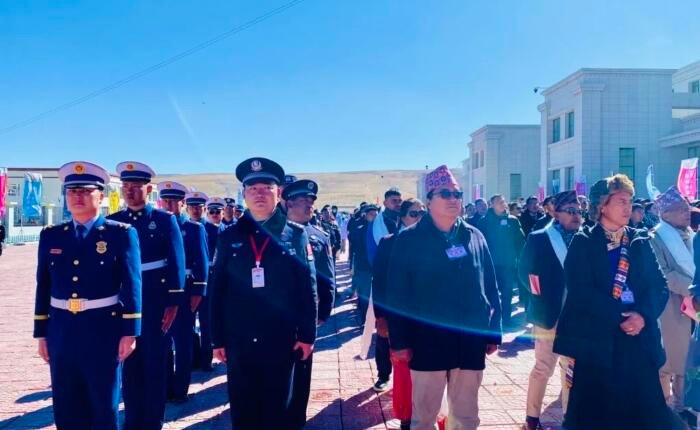
Explore Lizi Port, the newly opened international port in Tibet Autonomous Region, China. Learn about its advanced facilities with 8 passenger and 2 vehicle inspection channels, equipped with state-of-the-art inspection equipment. Uncover the strategic importance of Lizi Port in improving Tibet's port layout, facilitating sustainable foreign trade, and building the Himalayan Economic Cooperation Belt. Delve...Read More
Discover the unique world of Nepal-Tibet border ports, where ancient trade routes meet the majestic High Himalayas. Learn about the diverse roles these ports play in facilitating cultural, economic, and touristic exchanges between Nepal and Tibet. Each port, from Lizi to Riwu, tells a story of enduring relationships and evolving connectivity in the heart of...Read More
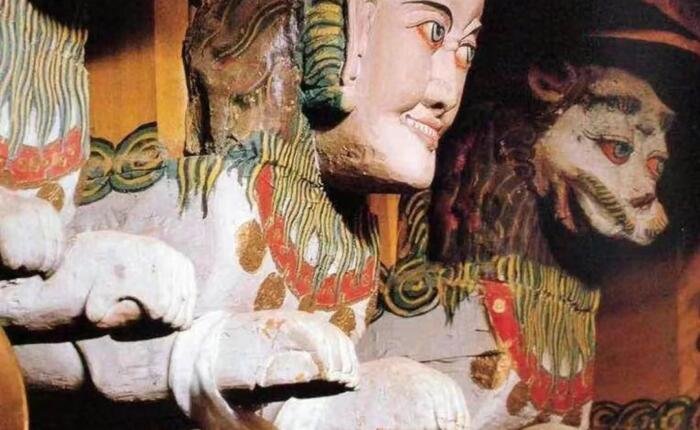
Discover the mystical allure of Jokhang Temple's Sphinx Lion-Human Sculpture, a captivating wood carving from the Tubo period. This unique masterpiece embodies the rich heritage of Tibetan artistry, merging mythical elements with intricate craftsmanship. Explore its enigmatic history and symbolic significance in the heart of Tibetan cultureRead More
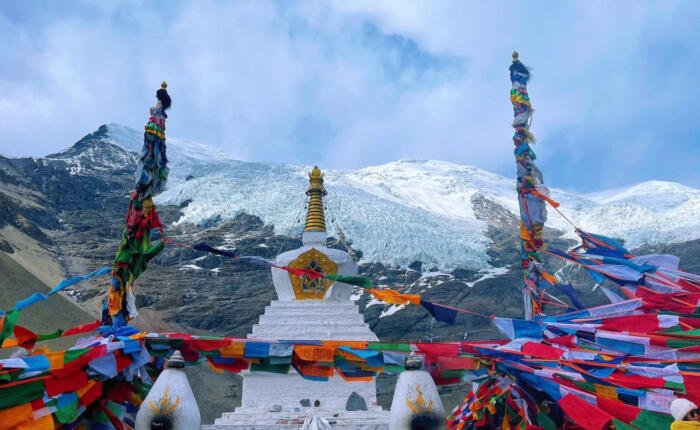
Discover the enchanting beauty of Tibet's Karola Glacier and Manla Reservoir. Experience the majesty of one of Tibet's largest glaciers and the serene splendor of the Manla Reservoir. Learn about their environmental significance and historical appeal in our comprehensive guide.Read More
Discover the seamless journey from Xining to Lhasa with our comprehensive guide. Uncover the enchantment of a Xining stopover, explore must-see local sights, and prepare for an unforgettable ascent to the Tibetan Plateau with direct flightsRead More
Your ultimate resource for traveling to Tibet. From essential preparation tips, seasonal clothing advice, to must-have equipment, this guide covers everything you need for a safe, comfortable, and unforgettable journey in the majestic landscapes of Tibet.Read More
Embark on a poignant journey through the sacred tradition of Tibetan Sky Burials - an ancient ritual where the mortal coil becomes a vessel for spiritual liberation. Uncover the emotional depths and cultural reverence behind this ethereal ceremony.Read More
Tibet Airlines, officially opening on October 29, is dedicated to fully implementing the Party’s strategy of governing Tibet in the new era. With a focus on the “four major events” and “four creations,” the airline is actively optimizing its high-altitude route structure. This winter season, Tibet Airlines plans to operate more than 130 domestic routes,...Read More
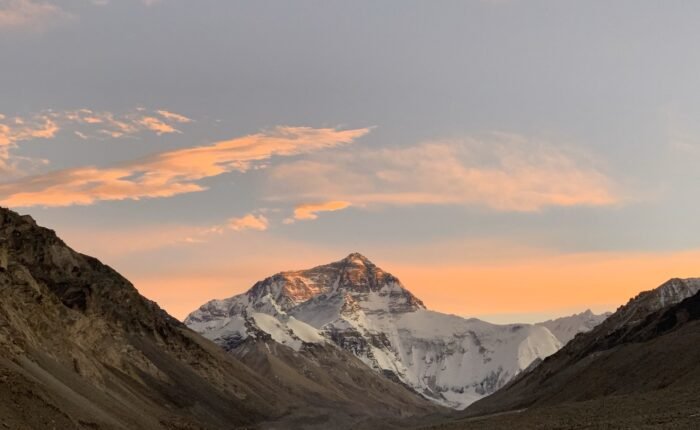
Explore the awe-inspiring grandeur of Mount Everest, Earth's tallest peak, and delve into the breathtaking beauty of the Himalayan region. Uncover the geological forces behind this iconic marvel, relive historic ascents, and embark on adventures amidst the world's highest peaks. Join us on a journey to Mount Everest and the Himalayas, where nature's majesty meets...Read More
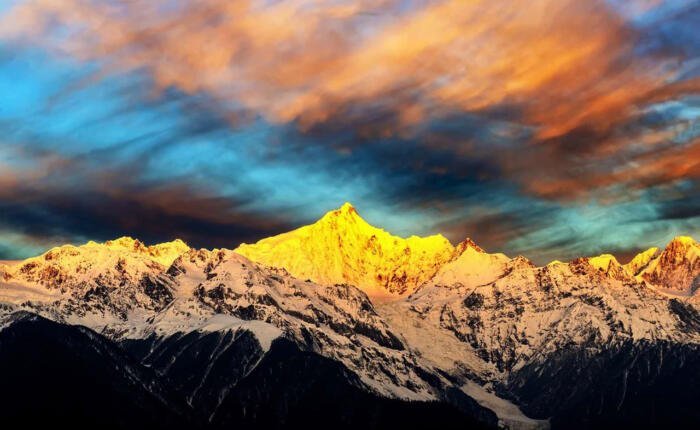
Tibet, often referred to as the “Roof of the World,” is a land shrouded in mystery and rich spiritual tradition. It is home to a remarkable array of sacred mountains, each with its own historical significance and breathtaking landscapes. The “Eight Holy Mountains,” considered the most revered sacred mountains in Tibet, hold a unique place...Read More
Experience the wonders of Tibet with the TTB Permit, your gateway to culture, spirituality, and natural beauty in the "Roof of the World." Learn how to obtain this crucial permission and unlock the enchanting region's treasures. #Tibet #travelRead More
Embark on a magical winter journey to Tibet with our guide to the latest free attractions and cultural experiences. Uncover the hidden beauty of Tibet during the off-peak season, engage with vibrant traditions, and support sustainable tourism. Explore more with our Winter Travel to Tibet campaignRead More
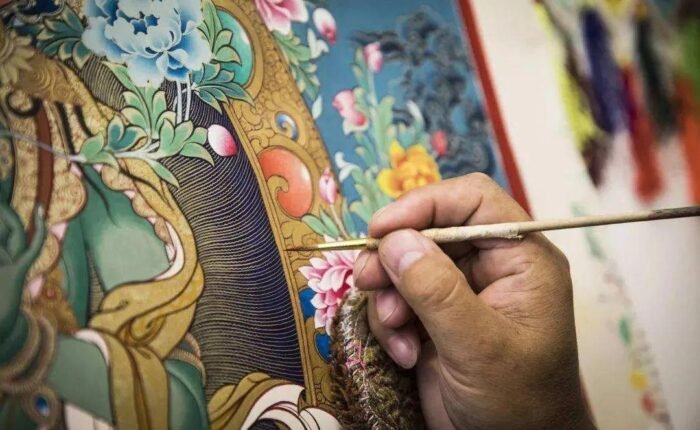
Dive into the spiritually profound world of Thangka art, rooted in the rich traditions of Tibetan culture and Buddhism. Explore the craftsmanship and spiritual significance of two extraordinary masterpieces: the "Pure Gold Thangka" and the "Silver Thangka," symbols of devotional artistry.Read More
Discover the best of Tibet in 2024! Explore curated travel packages, essential permit guidelines, and the most sought-after destinations. Dive deep into Tibetan culture, landscapes, and festivals. Your adventure awaits!Read More
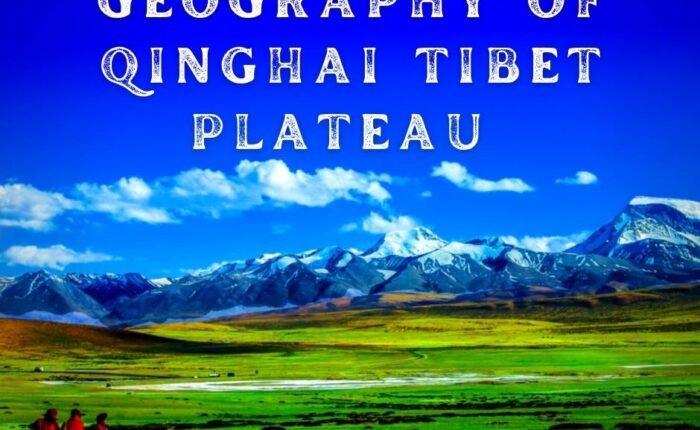
Embark on a journey to uncover the breathtaking beauty and geographical wonders of the Qinghai-Tibet Region. Discover its high-altitude plateaus, pristine lakes, and unique cultural treasures in this mesmerizing adventure.Read More