

The Common Cuckoo (Cuculus canorus) is one of the most culturally meaningful birds found across the Tibetan Plateau. Slender and hawk-like in appearance, this migratory bird is instantly recognizable by its famous two-note “cu-ckoo” call, a sound that echoes through valleys and forests as winter fades.
For many travelers and locals alike, hearing the cuckoo is more than a wildlife encounter—it is the unmistakable signal that spring has arrived in Tibet, bringing warmer days, blooming landscapes, and renewed spiritual energy.
A Hawk-Like Bird with a Distinctive Voice
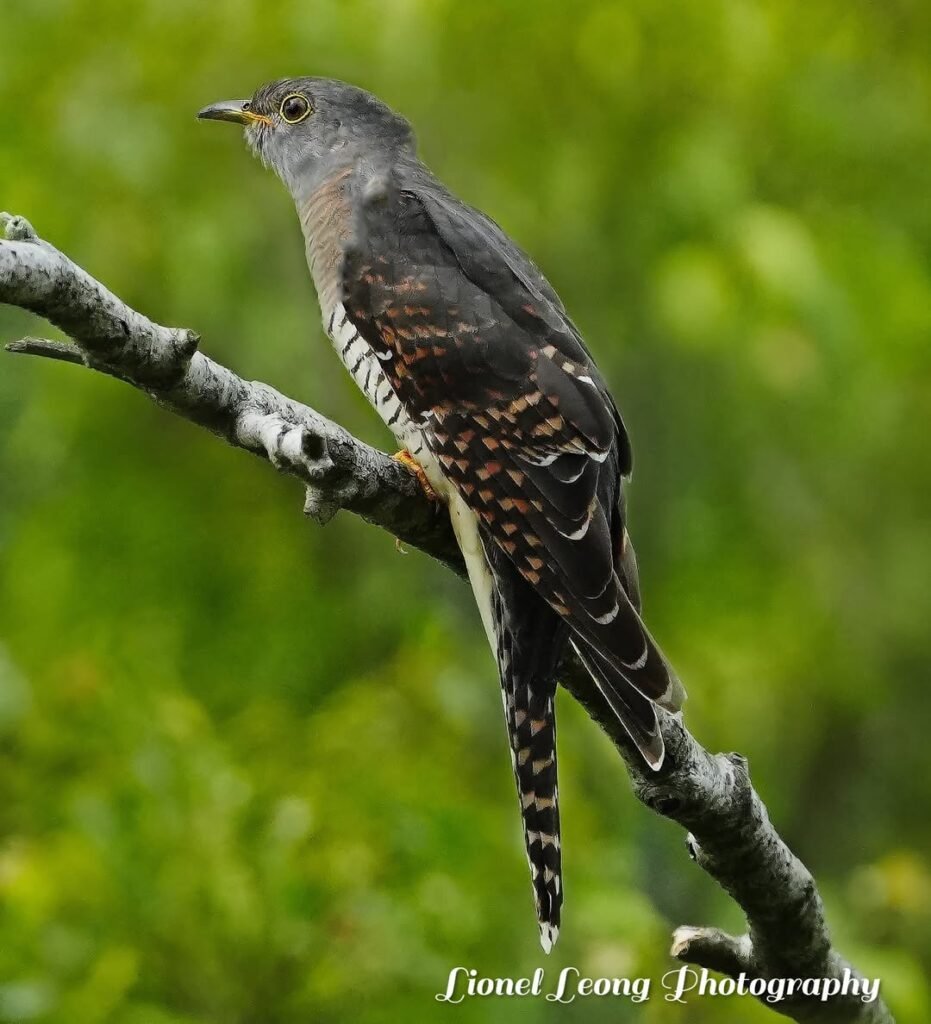
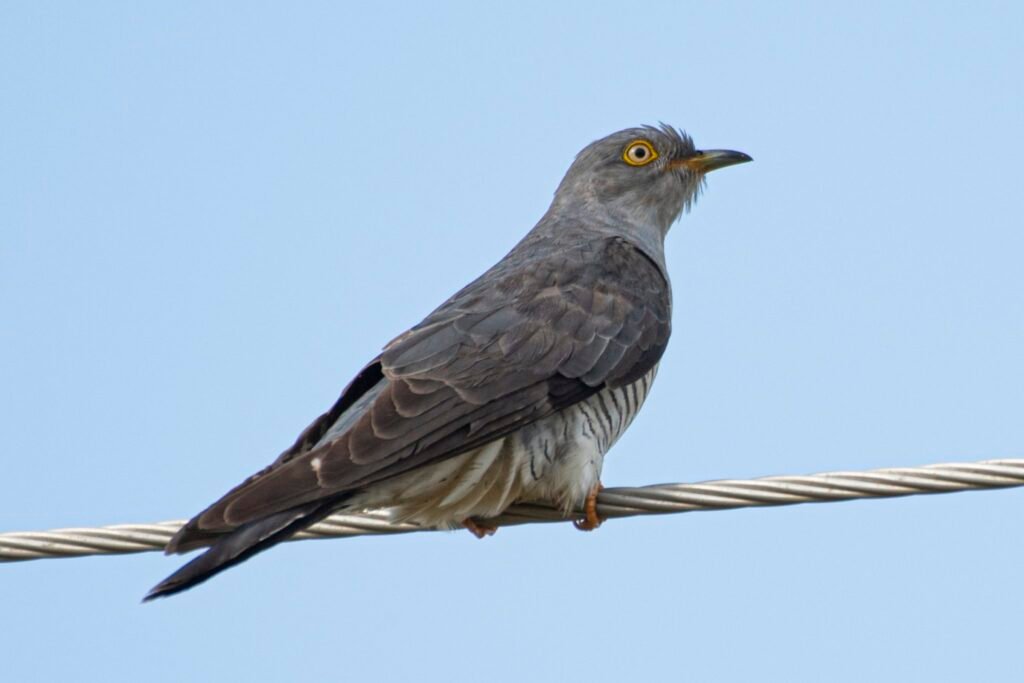
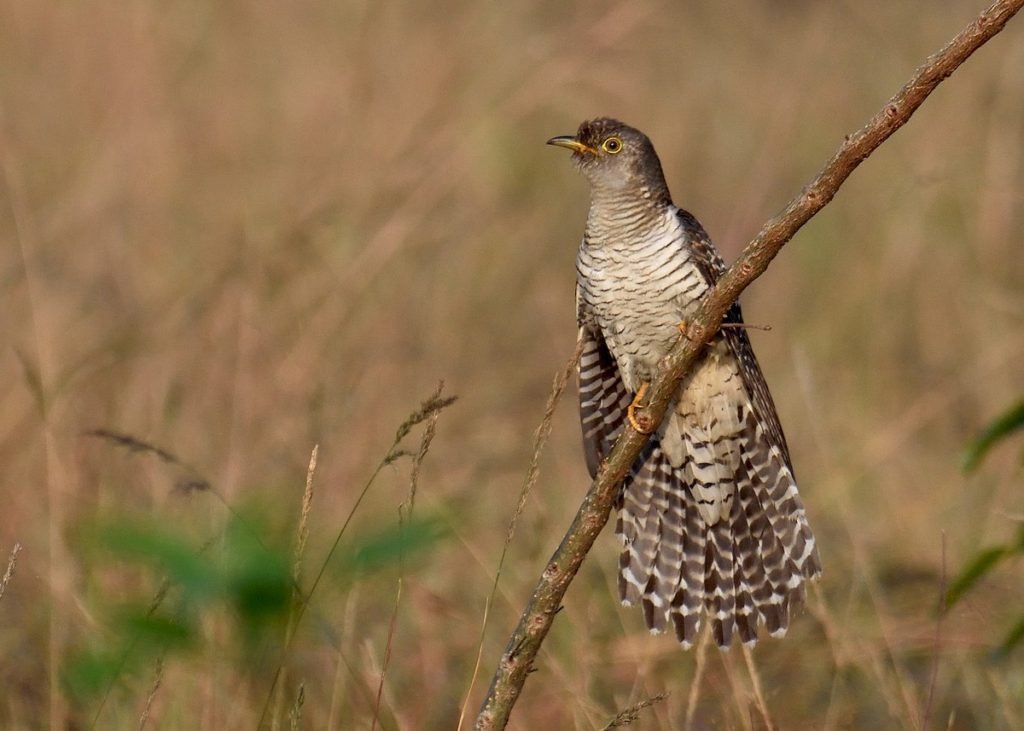
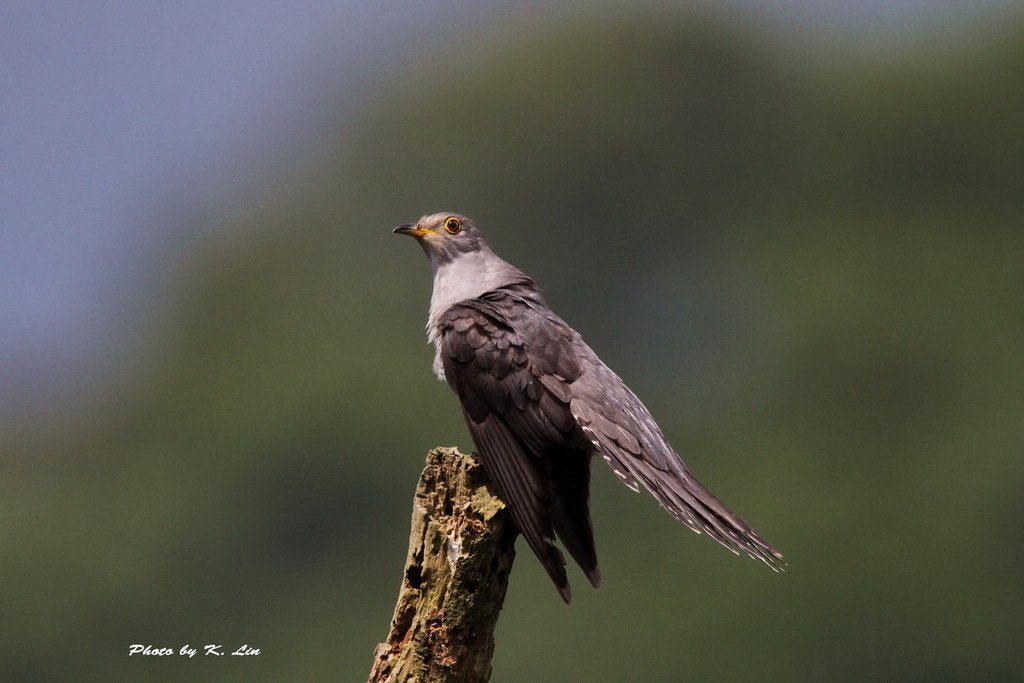
At first glance, the Common Cuckoo can easily be mistaken for a small raptor. Its slate-gray upperparts, finely barred underparts, and long, rounded tail give it a streamlined silhouette in flight. This resemblance helps protect the cuckoo from predators while allowing it to move quietly through its habitat.
However, the bird’s voice is what truly defines it. The male produces the iconic call that can carry for kilometers across open terrain, especially during calm spring mornings. The female, on the other hand, makes a softer, bubbling sound often compared to water pouring from a bottle—far less known but equally fascinating.
Across Tibet, this call functions like a natural calendar, announcing the shift from icy stillness to seasonal awakening.
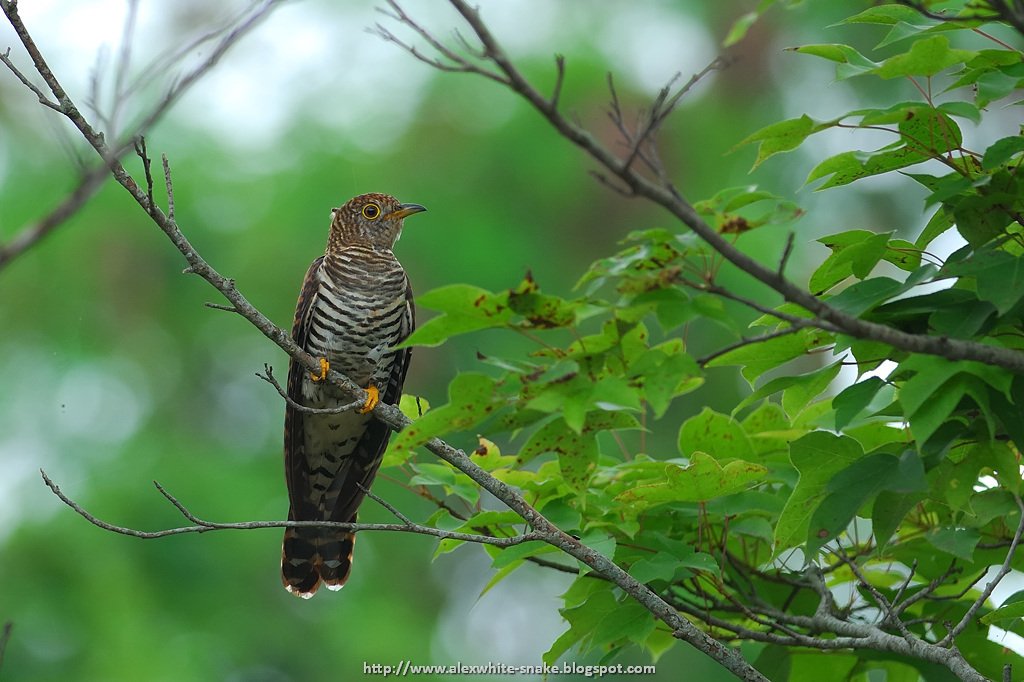
Migration: The Bird That Brings Spring
The Common Cuckoo is a remarkable long-distance migrant. It breeds across a vast range stretching from Europe to East Asia, including the Himalayan region and high-altitude areas of Tibet reaching up to 4,500 meters.
Each year, the species travels thousands of kilometers from its wintering grounds in Africa and southern Asia, typically arriving in Tibet between April and May. Their timing is no coincidence—the arrival aligns with rising temperatures, increased insect activity, and the first alpine blooms.
Because of this dependable seasonal return, the cuckoo has long been viewed as a living messenger of renewal.
Master of Deception: The Science Behind Brood Parasitism
Beyond its poetic symbolism lies one of nature’s most unusual reproductive strategies: brood parasitism.
Unlike most birds, the cuckoo does not build its own nest. Instead, the female carefully watches host birds such as warblers, pipits, or wagtails. When the moment is right, she lays her egg in the host’s nest—often in just 10–20 seconds.
Evolutionary Advantages
- Egg Mimicry: Cuckoo eggs closely resemble those of the host species, making detection extremely difficult.
- The Instinctive Evictor: After hatching, the cuckoo chick instinctively pushes other eggs or chicks out of the nest to secure all available food.
- Efficient Parenting Strategy: This allows adult cuckoos to invest energy in migration and survival rather than raising young.
Though it may seem ruthless, this strategy has allowed the species to thrive across continents.

Natural Pest Controller of the Highlands
The Common Cuckoo plays an important ecological role in Tibet. Its diet consists largely of insects, particularly hairy caterpillars that many birds avoid.
By feeding on these pests, cuckoos help maintain ecological balance in woodlands and meadows. Their presence often indicates a healthy ecosystem with strong insect diversity.
The “Turquoise Bird” in Bön Tradition
In Tibetan spiritual culture, few birds carry as much symbolic weight as the cuckoo.
Within the ancient Bön tradition, the bird is revered as the “turquoise bird” (yungdrung kugta)—a sacred messenger associated with Shenrab Miwo, the legendary founder of Bön. Its call is believed to echo divine teachings and reflect the eternal cycle of life.
Symbolism of Turquoise
Turquoise represents:
- Life and vitality
- Purity
- Protection
- The connection between heaven and earth
The cuckoo’s spring arrival mirrors the spiritual concept of awakening, making it a powerful metaphor for enlightenment.
Ancient Rituals in the Yarlung Valley
Historical records describe a remarkable spring ceremony held in the Yarlung Valley, the cradle of Tibetan civilization.
Each year, an official would visit a small temple to welcome the cuckoo with:
- Butter lamps glowing on altars
- Food offerings placed in courtyards
- Ritual prayers honoring seasonal rebirth
Legend says no other bird dared touch the offerings before the cuckoo arrived, reinforcing its reputation as the “sovereign of birds.”
Today, the valley remains a deeply spiritual destination where travelers can connect both with Tibetan history and the rhythms of nature.
The Romantic Bird of Tibetan Poetry
Despite its biologically competitive nesting habits, the cuckoo symbolizes romance and emotional awakening in Tibetan literature.
The Sixth Dalai Lama, Tsangyang Gyatso (1683–1706)—renowned for his passionate love poems—captured the bird’s essence in lines that remain beloved across Tibet:
From the southern forests comes the cuckoo,
As sap begins to flow through the trees.
Meeting my beloved,
Both body and soul are filled with joy.
Here, the cuckoo represents more than spring—it embodies love, vitality, and fleeting beauty.
Like the season itself, the bird arrives during the world’s most vibrant moment and departs before winter returns, reminding us of the bittersweet nature of connection.
How to Identify the Common Cuckoo
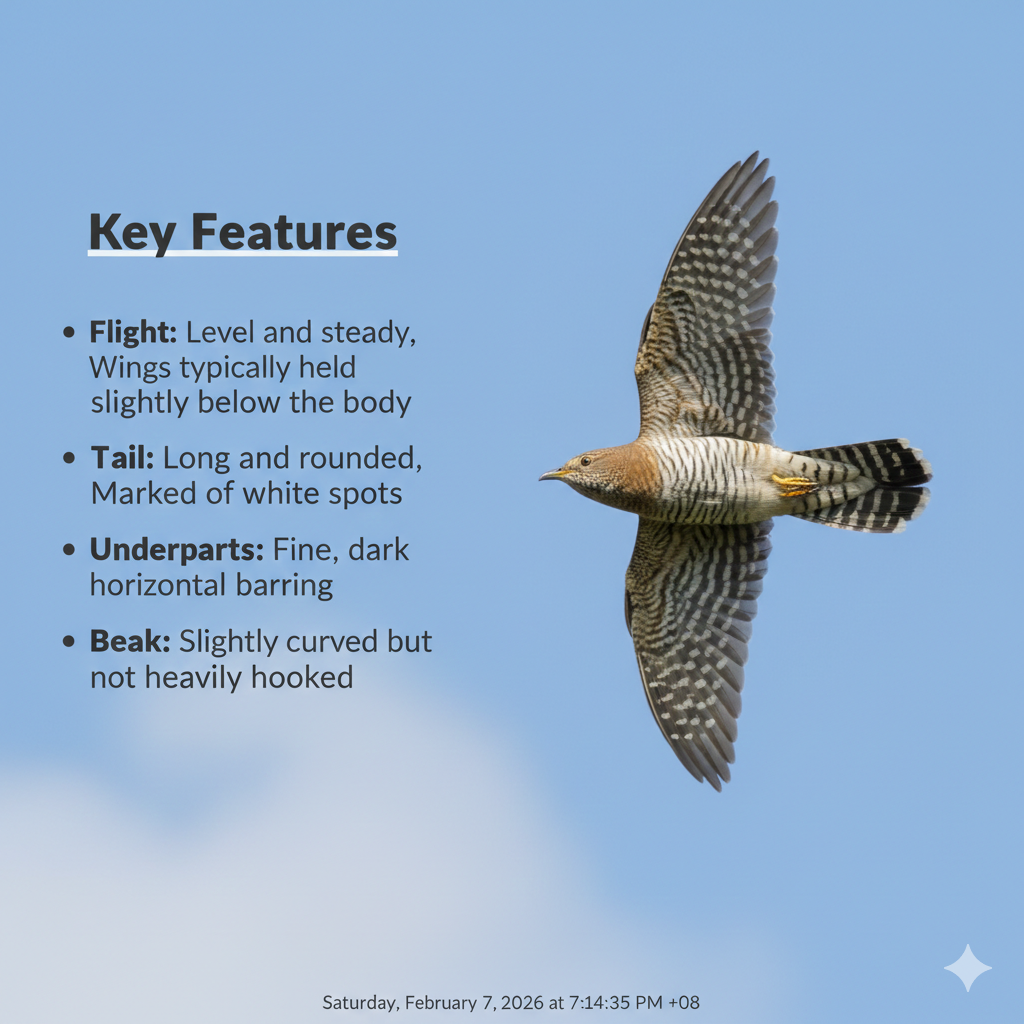
Because of its hawk-like profile, the cuckoo is often confused with birds of prey such as the sparrowhawk. Knowing a few field marks makes identification much easier.
Key Features
- Flight: Level and steady, Wings typically held slightly below the body
- Tail: Long and rounded, Marked with white spots
- Underparts: Fine, dark horizontal barring
- Beak: Slightly curved but not heavily hooked
Observation Tip
If you hear the classic “cu-ckoo,” you are listening to a male. Keep an eye on nearby perches or treetops—the singer is often surprisingly visible once located.
Conservation Status and Emerging Challenges
Globally, the Common Cuckoo is classified as Least Concern, with a population exceeding 25 million birds. Its vast range provides resilience against localized pressures.
However, some challenges are becoming more noticeable:
- Habitat loss in breeding areas
- Climate-driven shifts in migration timing
- Changes in host bird populations
On the Tibetan Plateau, warming trends may subtly influence arrival patterns, making long-term observation increasingly important for conservation.
Best Time to Spot the Common Cuckoo in Tibet
The prime window runs from April through June, with activity typically peaking in May.
For the best experience:
- Listen at dawn or dusk, when calls travel farthest
- Explore wooded valleys and meadow edges
- Watch for falcon-like silhouettes moving between perches
Their call often carries 1–2 kilometers, meaning you may hear one long before you see it.

Top Places to See Common Cuckoos in Tibet
Yarlung Valley (Near Shannan)
About a three-hour drive from Lhasa, this historic region blends spiritual heritage with ideal cuckoo habitat. Forested hills and open meadows provide excellent listening conditions.
Many travelers combine birdwatching with visits to Yumbulakhang Palace, deepening the cultural experience.
Nyingchi Prefecture
Often called Tibet’s “Switzerland,” Nyingchi features lush forests that attract migrating cuckoos.
The Basum Lake area is particularly rewarding in spring, when rhododendrons bloom and birdsong fills the mountain air.
Lhasa River Valley and Norbulingka Gardens
Tree-lined urban edges create inviting stopovers for early migrants. Norbulingka’s peaceful grounds offer a relaxed environment for listening while exploring one of Tibet’s most beautiful summer palaces.
Mount Kailash Region
Remote high meadows around Mount Kailash occasionally host calling cuckoos during trekking season. Encountering this sacred bird in a landscape revered by both Bön and Buddhist traditions can feel especially meaningful.
Travel Tips for Spring Birdwatching in Tibet
- Bring binoculars for spotting distant perches.
- Dress in layers, as spring mornings remain cool at altitude.
- Avoid audio playback to prevent disturbing natural behavior.
- Hire experienced guides for safer access to prime habitats.
International visitors must obtain Tibet Travel Permits, typically arranged through authorized tour operators. Pairing wildlife observation with cultural journeys—such as Bön heritage sites or historic valleys—creates a richer travel experience.
The Sound That Awakens the Plateau
As winter loosens its grip and rivers begin to flow again, the voice of the Common Cuckoo drifts across Tibet’s vast landscapes. Both biologically fascinating and spiritually resonant, this modest gray bird holds a rare ability to connect ecology, mythology, and human emotion.
When its call finally rings through the clear mountain air, it signals more than a seasonal change—it announces that the plateau is alive once again.