Discover the Bliss of Tibet’s Bon Pilgrimage Tour
Imagine walking a sacred path where every step connects you to a spiritual tradition older than Buddhism itself. Tibet’s Bon pilgrimage tours offer a rare opportunity to experience the ancient soul of the Tibetan Plateau. Unlike more familiar Buddhist journeys, a Bon pilgrimage invites you into the timeless world of Bönpo followers, with counterclockwise koras, remote monasteries, and mountains revered for thousands of years.
This is not just a tour—it is a deeply meaningful journey into Tibet’s indigenous faith, blending dramatic landscapes, spiritual rituals, and a quiet sense of inner peace.
The Ancient Roots of Bon: Tibet’s Indigenous Faith
Bon is the native spiritual tradition of Tibet, dating back more than 3,800 years, long before Buddhism arrived in the 7th century. It was founded by Tonpa Shenrab Miwoche, an enlightened teacher whose teachings emphasize harmony with nature, cosmic balance, and rituals for purification and protection.
Although Buddhism later became dominant in Tibetan culture, Bon survived in remote valleys and high mountains. Today, Bonpo communities continue to preserve their unique traditions, including the yungdrung (swastika symbol), anti-clockwise rituals, and deep reverence for sacred landscapes.
A Bon pilgrimage allows travelers to follow the spiritual paths of the ancient Zhangzhung Kingdom, the early cultural and spiritual foundation of Tibet.
What Makes a Bon Pilgrimage Unique?
The most striking difference lies in direction. While Buddhist pilgrims walk clockwise around sacred sites, Bon followers move counterclockwise. This reversal reflects a distinct worldview and creates a unique spiritual rhythm throughout the journey.
During a Bon pilgrimage, you will experience:
- Sacred mountains believed to be the center of the universe
- Ancient monasteries filled with murals, prayer flags, and continuous chanting
- Ritual practices such as offering juniper smoke and spinning prayer wheels in reverse
This difference in movement and ritual creates a sense of renewal and connection to pre-Buddhist wisdom.

Sacred Sites Every Bon Pilgrim Should Experience
1. Mount Kailash – The Crown Jewel
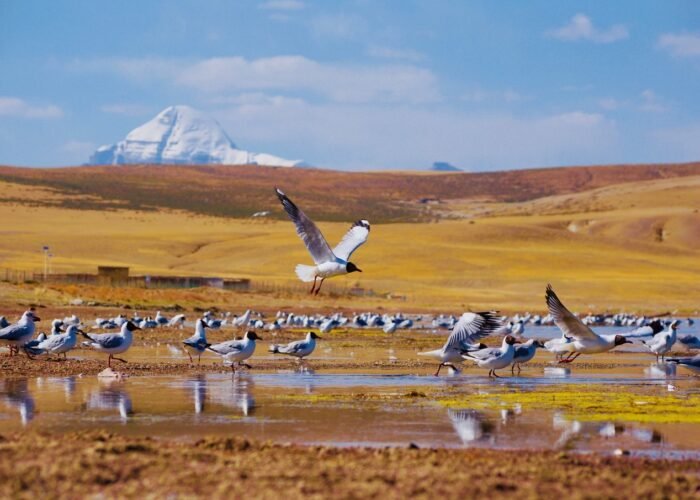
Known as Kang Rinpoche in Tibetan, Mount Kailash rises to 6,638 meters and is sacred to multiple religions. For Bon followers, it is associated with the sky goddess Sipaimen.
The 52-kilometer kora around the mountain usually takes 2–3 days to complete. Bon pilgrims walk this path counterclockwise, passing glaciers, clear streams, and vast open landscapes. The journey is physically demanding but spiritually rewarding.
2. Bonri Mountain – The Heart of Bon
Located near Nyingchi, Bonri Mountain is one of the most important sacred sites dedicated exclusively to Bon.
Pilgrims hike through forested slopes, visit nearby monasteries, and experience an environment that feels untouched. Snow peaks, prayer flags, and quiet surroundings create a strong sense of ancient spiritual presence.
3. Bon Monasteries – Living Treasures of the Faith
Important Bon monasteries preserve centuries-old teachings and rituals:
- Menri Monastery – a major center of Bon learning near Shigatse
- Guragyam Monastery and Kyunglung Monastery – linked to the ancient Zhangzhung culture
- Smaller hermitages across Nyingchi and central Tibet
Inside these monasteries, visitors will find colorful thangkas, glowing butter lamps, and monks performing rituals that have remained unchanged for centuries.
Sample Bon Pilgrimage Itinerary (12–15 Days)
Most Bon pilgrimage tours follow a structured route that combines acclimatization with visits to sacred sites:
- Days 1–3: Arrive in Lhasa. Visit Bon-influenced sites such as Drak Yerpa caves and prepare for altitude.
- Days 4–7: Travel to Nyingchi. Explore Bonri Mountain and nearby monasteries while hiking and meditating.
- Days 8–12: Journey west toward Mount Kailash. Visit Lake Manasarovar and complete the Kailash kora (counterclockwise).
- Days 13–15: Return via Saga or Shigatse, with optional monastery visits along the way.
Some itineraries also include remote sites connected to the Zhangzhung civilization for a deeper experience.
Practical Tips for Your Bon Pilgrimage
- Best Time to Visit: May to October offers the most stable weather and clear skies.
- Permits & Travel: A Tibet Travel Permit is required. All arrangements must be handled through a licensed tour operator.
- Health & Preparation: Spend at least 2–3 days acclimatizing in Lhasa. Stay hydrated and avoid overexertion early in the trip.
- Cultural Respect: Always walk counterclockwise at Bon sites. Ask before taking photos and follow your guide’s instructions.
- Packing Essentials: Bring layered clothing, sturdy hiking boots, and personal items such as prayer beads or a journal.
Why Choose a Bon Pilgrimage Tour?
A Bon pilgrimage offers a slower, deeper way to experience Tibet. It connects you with ancient traditions, remote landscapes, and a spiritual heritage that continues to thrive today.
It is a journey shaped not just by places, but by meaning—where each step reflects centuries of belief, devotion, and cultural continuity.