If you are searching for a truly unique travel experience in 2026, far beyond crowded landmarks and standard sightseeing routes, an authentic Tibetan nomadic life tour offers something rare and deeply meaningful. This journey takes you into the heart of remote Tibet, where life still follows ancient rhythms shaped by nature, tradition, and spirituality.
Imagine waking up inside a traditional yak-hair tent, stepping out into crisp mountain air, and seeing herds of yaks grazing freely across endless grasslands. You sip warm butter tea with a nomad family while the sun slowly rises over the vast Changtang Plateau. There are no city noises, no distractions—only the sound of wind, animals, and life unfolding naturally.
For travelers from anywhere, this experience goes far deeper than visiting temples in Lhasa. It is about connection, participation, and understanding a way of life that has remained unchanged for centuries.
All foreign travelers must join a licensed tour with a guide and driver, making it essential to plan your journey carefully. This complete guide will help you understand everything you need to know about Tibetan nomadic life tours in 2026.
What Is Authentic Tibetan Nomadic Life?
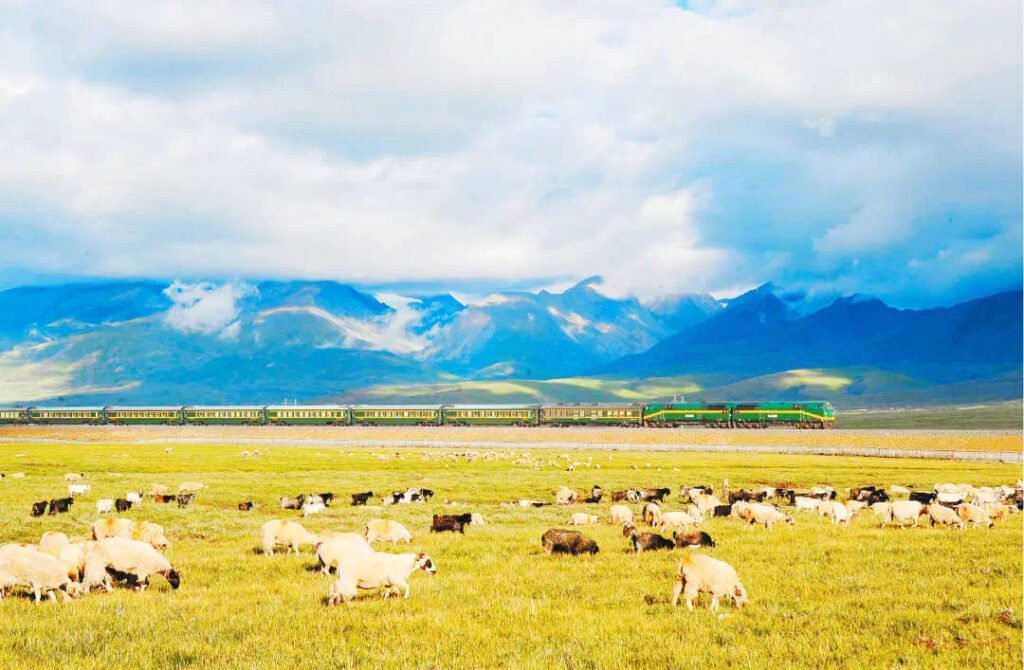
Tibetan nomads, known as drokpa, are pastoral communities who have lived on the high plateau for thousands of years. Their lifestyle is based on seasonal movement, following grazing patterns for their animals, mainly yaks and sheep.
Living at altitudes often above 4,000 meters, these nomads inhabit strong, weather-resistant black tents made from woven yak hair. These tents are perfectly suited to the harsh environment, providing warmth and protection against strong winds.
Daily life revolves around simple yet essential activities. Herding animals, milking yaks, producing butter and cheese, and preparing traditional food form the core of their routine. Despite the simplicity, their lifestyle reflects deep knowledge of the land and a strong connection with nature.
A Tibetan nomadic life tour allows you to step directly into this world. Rather than observing from a distance, you participate in daily life. You stay in traditional tents, share meals with families, and learn hands-on skills that have been passed down through generations.
This is not a staged cultural show. It is real life—authentic, respectful, and immersive.
Best Remote Regions for Authentic Nomadic Experiences
Tibet is vast, and nomadic culture is spread across several regions. Each area offers a slightly different experience, but all require proper permits and guided travel.
Northern Tibet – Changtang Plateau and Namtso Region
Northern Tibet is the most iconic destination for nomadic experiences. The wide-open landscapes of the Changtang Plateau represent the true spirit of Tibetan nomadic life.
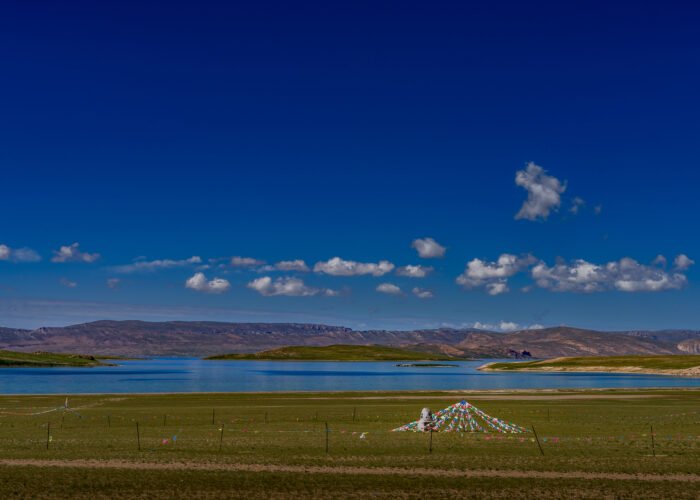
Around Namtso Lake, as well as areas like Bange and Nagchu, you will see black yak-hair tents scattered across vast grasslands. The scenery is dramatic, with snow-capped mountains, deep blue skies, and open plains stretching endlessly.
This region is considered the best choice for first-time travelers because it combines accessibility from Lhasa with an authentic and visually stunning nomadic environment.
Eastern Tibet – Amdo and Kham Regions
Eastern Tibet, including areas in Qinghai and western Sichuan, offers a slightly different nomadic experience. Near Xining, the grasslands are rolling and green, and the culture is vibrant and lively.
Nomads in this region are known for their strong horse culture. Summer festivals often include horse racing, traditional music, and large community gatherings. These regions are generally easier to access and can be a good option for travelers who want a softer introduction to nomadic life.
Western Tibet – Kailash and Manasarovar Region
Western Tibet provides a more remote and spiritual experience. Near Mount Kailash and Lake Manasarovar, nomadic communities live in harsher conditions at even higher altitudes.
The environment here is rugged, and the focus is often as much spiritual as cultural. This region is ideal for travelers who want to combine pilgrimage experiences with nomadic life.
Top Tibetan Nomadic Life Tours & Packages (2026)
To explore Tibetan nomadic regions, travelers must join organized tours arranged by licensed agencies. These tours are designed for safety, comfort, and cultural immersion.
Northern Tibet Grassland + Namtso Nomadic Tour (7–10 Days)
This is the most popular option for first-time visitors. The journey begins in Lhasa and continues to Namtso Lake before heading deeper into grassland regions.
You will stay in nomadic tents, interact with local families, and experience daily life activities. The price typically ranges between USD 1,200 and 1,800 per person.
Amdo Nomadic Life Experience (5–8 Days)
Starting from Xining, this tour focuses on grassland life, yak herding, and homestays. It is an excellent option for travelers who prefer a shorter or more accessible experience.
Extended Overland Nomadic Adventure (12–15 Days)
This longer journey combines multiple highlights, including Lhasa, Everest regions, northern grasslands, and areas near Mount Kailash.
It includes several nights in nomadic tents and offers a deeper, more comprehensive exploration of Tibet’s landscapes and cultures.
Travelers are encouraged to book 3–4 months in advance through reliable operators such as Explore Tibet and Tibet Vista, who handle permits and tailor itineraries for international visitors.
Must-Do Activities on a Tibetan Nomadic Tour
A Tibetan nomadic life tour is defined by meaningful, hands-on experiences that connect you with local culture.
Stay Overnight in a Yak-Hair Tent
Sleeping inside a traditional nomadic tent is one of the most memorable parts of the journey. The environment is simple but comfortable, and the experience feels completely different from any hotel stay.
Herding and Milking Yaks
You can join nomads as they guide herds across grasslands. Learning how to milk a yak or churn butter offers a direct understanding of their daily life.
Enjoy Traditional Tibetan Food
Meals typically include butter tea, tsampa, yak meat, and fresh dairy products. Sharing food inside the tent is also an important part of cultural exchange.
Horseback Riding Across Grasslands
Riding horses across wide open plains is both peaceful and exciting. Local guides ensure that the activity is safe and enjoyable, even for beginners.
Cultural Exchange with Nomad Families
Spending time with nomad families allows you to learn basic Tibetan phrases, observe rituals, and listen to stories. These moments create lasting connections.
Wildlife Exploration
The remote grasslands of the Changtang Plateau are home to unique wildlife, including Tibetan antelope, wild donkeys, and rare bird species.
Festival Experiences
If your timing is right, you may witness local festivals in eastern regions, where nomads gather for celebrations, competitions, and social events.
How to Join a Nomadic Tour
Traveling to Tibet requires careful planning due to regulations and permits.
First, you must book your tour with a licensed Tibet travel agency. They will provide the necessary invitation letter required for visa applications.
Next, apply for a Chinese Tourist Visa (L Visa). Once approved, your agency will arrange the Tibet Travel Permit on your behalf.
Most travelers fly to Chengdu or Xining before continuing to Tibet. Upon arrival, you will meet your guide and begin your journey.
It is highly recommended to spend at least 2–3 days in Lhasa for acclimatization before traveling to higher-altitude nomadic regions.
Overall, the planning process takes about 4 to 6 weeks.
Best Time for a Tibetan Nomadic Life Tour
Timing plays a crucial role in shaping your experience.
Summer (June to August 2026)
This is the best time to visit. Grasslands are green, temperatures are comfortable, and nomads are actively living in their summer pastures. The landscapes are vibrant, with wildflowers and clear skies.
Shoulder Seasons (May and September)
These months offer fewer crowds and peaceful travel conditions. The weather remains stable, making it a good alternative to peak season.
Winter and Monsoon Considerations
Winter is not suitable because many nomads move away and tents are not set up. Heavy afternoon rain can occur during peak monsoon periods, especially in mid-summer.
Practical Tips for Remote Nomadic Travel
Traveling in remote Tibet requires preparation and awareness.
Altitude is one of the biggest challenges. Many nomadic regions are above 4,500 meters, so acclimatization in Lhasa is essential.
Packing should include warm clothing, waterproof gear, sturdy shoes, and personal essentials. Even in summer, temperatures can drop quickly.
Respecting local culture is very important. Always ask before taking photos, remove shoes when entering tents, and accept hospitality politely.
Connectivity is limited, so do not expect reliable internet access. Carry cash or set up local payment options in advance.
Travel insurance with high-altitude coverage is necessary, and all tours include oxygen support for safety.
Sample 10-Day Tibetan Nomadic Life Itinerary
Days 1–3: Arrival and Acclimatization in Lhasa
Explore key landmarks such as the Potala Palace and Jokhang Temple while adjusting to the altitude.
Day 4: Journey to Namtso Lake
Travel to Namtso Lake and begin to see nomadic settlements.
Days 5–7: Changtang Grassland Experience
Spend time deep in the Changtang Plateau, staying in tents, herding yaks, and sharing meals with nomad families.
Day 8: Return via Bange
Visit local markets and observe daily trade among nomadic communities.
Days 9–10: Return to Lhasa and Departure
Relax, explore more of the city, and prepare for departure or further travel.
Why Choose a Tibetan Nomadic Life Tour in 2026
A Tibetan nomadic life tour offers more than just travel—it provides a meaningful connection with a way of life that is increasingly rare in the modern world.
It allows you to slow down, experience simplicity, and understand how humans can live in harmony with nature. The memories created in these remote landscapes stay with you long after the journey ends.
From sharing meals in a warm tent to watching herds move across endless plains, every moment feels genuine and powerful.
If you are looking for an experience that goes beyond sightseeing and into real cultural immersion, this journey across the Changtang Plateau offers exactly that.