
Experience the best of Beijing, Lhasa, and Kathmandu by combining imperial history, high-altitude spirituality, and Himalayan culture into one seamless overland or rail-and-flight journey. This legendary route links three of Asia’s most fascinating capitals, offering travelers a rare chance to move from ancient Chinese dynasties to the spiritual heart of Tibet and finally into the vibrant cultural valleys of Nepal.
Ideal for a 2026 Asia adventure, this multi-country itinerary delivers world-class landmarks, dramatic landscapes, and deeply immersive local experiences—all within a single, unforgettable journey across the roof of the world.
Why This Route Stands Out
Traveling from Beijing to Lhasa and onward to Kathmandu is more than a simple point-to-point trip. It is a carefully layered cultural experience that reveals how history, religion, and geography shape civilizations across Asia.
This route connects three legendary capitals—China’s imperial heart, Tibet’s spiritual center, and Nepal’s cultural hub—within one coherent itinerary. Each destination feels distinct, yet the journey between them creates a powerful narrative of transition from plains to plateau to Himalayan foothills.
Travelers also gain access to bucket-list UNESCO World Heritage sites, including the Great Wall, Potala Palace, Jokhang Temple, and Kathmandu’s Durbar Squares. Many of these landmarks are not just historical monuments but living spaces where rituals, pilgrimages, and daily life continue uninterrupted.
Another major appeal is the variety of travel styles available. Depending on preference, travelers can experience the Qinghai–Tibet Railway, scenic high-altitude road trips across Everest landscapes, and short Himalayan flights—making the journey as memorable as the destinations themselves.
Best of Beijing: China’s Imperial Capital
Beijing anchors the journey with a powerful introduction to Chinese civilization, blending monumental history with fast-paced modern life. Most travelers spend two to three days in Beijing before heading west toward Tibet.
The Great Wall of China (Mutianyu or Badaling)
No visit to Beijing is complete without walking along the Great Wall. Sections like Mutianyu and Badaling offer restored ramparts, stone watchtowers, and sweeping mountain views just outside the city. These stretches allow visitors to appreciate the scale and strategic genius of one of the world’s greatest architectural achievements.
Forbidden City and Tiananmen Square
At the heart of Beijing lies the Forbidden City, a vast imperial palace complex that once housed Ming and Qing emperors. Exploring its courtyards, halls, and ceremonial gates reveals how power and ritual shaped China’s dynastic rule. Just beyond the palace gates, Tiananmen Square opens into one of the world’s largest public squares, symbolizing China’s modern history and transformation.
Hutongs and the Temple of Heaven
Beijing’s historic hutongs—narrow alleyways lined with courtyard homes—offer a glimpse into traditional urban life. A rickshaw ride through these neighborhoods contrasts sharply with the city’s modern skyline. Nearby, the Temple of Heaven showcases elegant architecture set within a vast park, where emperors once prayed for good harvests and locals now gather for tai chi, music, and games.
Best of Lhasa: The Spiritual Heart of Tibet
Lhasa introduces travelers to the soul of Tibetan Buddhism and the unique rhythm of life on the high plateau. Sitting at 3,650 meters above sea level, the city requires a slower pace, and most itineraries include at least three days for sightseeing and acclimatization.
Potala Palace: Icon of Tibet
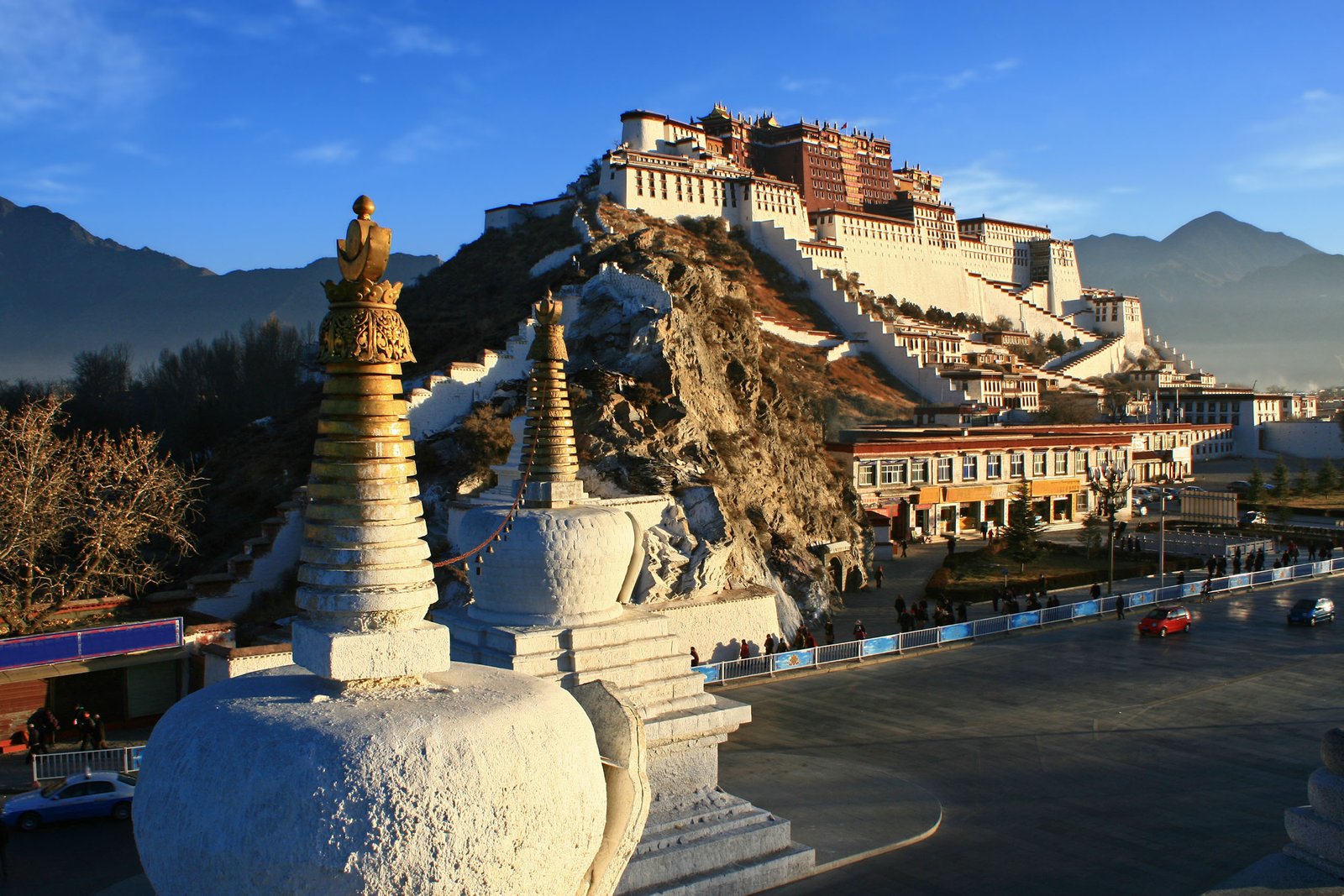
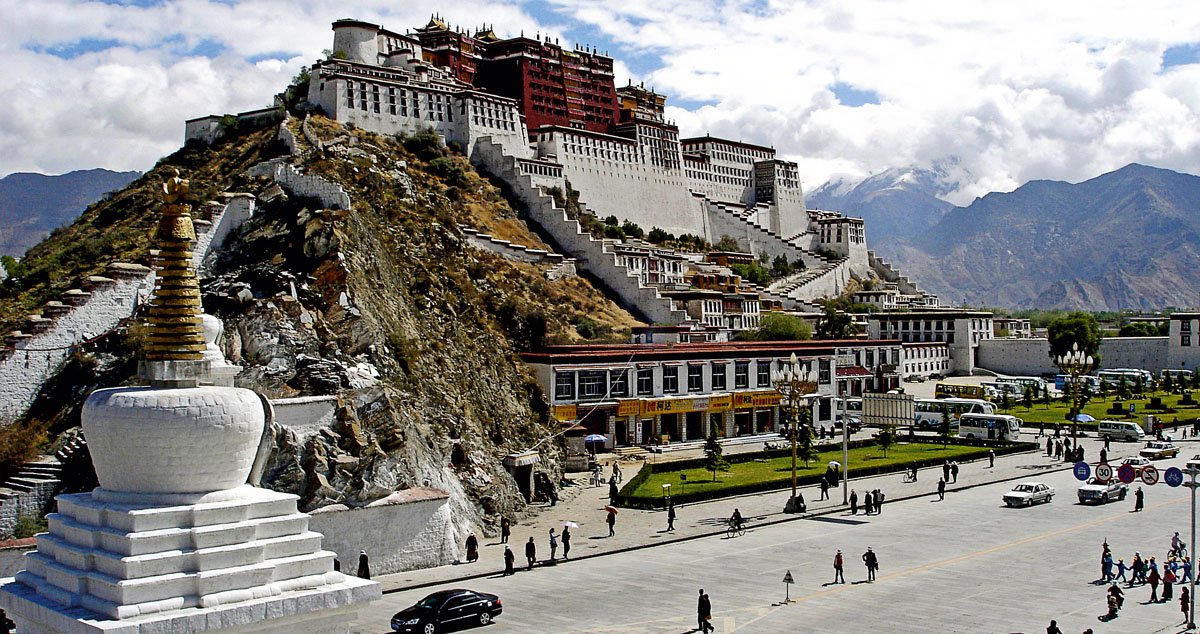
Rising above the city like a fortress of faith, the Potala Palace is Tibet’s most recognizable landmark. Once the winter residence of the Dalai Lamas, it contains sacred chapels, golden stupas, ancient manuscripts, and panoramic views across Lhasa. The climb through its stairways is both a physical and spiritual experience.
Jokhang Temple and Barkhor Street
The Jokhang Temple is the holiest site in Tibetan Buddhism. Pilgrims from across the plateau gather here, prostrating and praying before entering the temple. Encircling it is Barkhor Street, a lively kora route filled with prayer wheels, incense smoke, traditional shops, and chanting pilgrims—offering one of the most authentic cultural scenes in Tibet.
Monasteries and Local Tibetan Life
Beyond the city center, monasteries like Sera and Drepung provide insight into monastic education and debate traditions. Watching monks engage in animated philosophical debates is a highlight for many visitors. Exploring local markets, tea houses, and old-town neighborhoods introduces travelers to yak-butter tea, barley snacks, and handmade Tibetan crafts.
Best of Kathmandu: Gateway to the Himalayas
Kathmandu marks a dramatic shift in landscape and atmosphere. Descending from Tibet’s high plateau into Nepal’s fertile valley, travelers encounter warmer air, dense cultural layers, and a vibrant mix of Hindu and Buddhist traditions.
Kathmandu, Patan, and Bhaktapur Durbar Squares
The Kathmandu Valley contains three historic royal centers—Kathmandu, Patan, and Bhaktapur—each with its own Durbar Square. These areas showcase palace courtyards, pagoda temples, stone sculptures, and intricate wood carvings that reflect centuries of Newari craftsmanship and urban culture.
Boudhanath and Swayambhunath Stupas
Two of Nepal’s most sacred Buddhist sites sit within the valley. Boudhanath Stupa, one of the largest in the world, draws pilgrims who walk clockwise while spinning prayer wheels. Swayambhunath, perched atop a hill, offers sweeping views over Kathmandu, especially at sunset when prayer flags flutter in the breeze.
Pashupatinath and Thamel
Along the Bagmati River lies Pashupatinath Temple, Nepal’s most important Hindu shrine. Here, visitors can observe sacred cremation rituals that highlight Hindu beliefs about life, death, and rebirth. Nearby Thamel provides a contrasting scene, filled with cafes, trekking shops, artisan stores, and nightlife, making it a popular base for travelers.

Iconic Experiences Between Beijing, Lhasa, and Kathmandu
The journey between these cities is as unforgettable as the destinations themselves. In 2026, improved logistics and fixed-departure tours make trans-Himalayan travel more accessible than ever.
Qinghai–Tibet Railway Experience
The Qinghai–Tibet Railway is one of the world’s highest train routes, traveling from Xining to Lhasa across vast grasslands, salt lakes, and mountain passes exceeding 5,000 meters. Oxygen-supplied carriages and panoramic windows make this journey both comfortable and visually stunning.
Lhasa to Everest to Kathmandu Overland Route
For adventurous travelers, the overland route from Lhasa to Kathmandu is a highlight. Driving through Shigatse and Rongbuk Monastery, travelers stay near Everest Base Camp (Tibetan side) before crossing into Nepal via the Gyirong border. This route offers dramatic mountain scenery and a true sense of geographic transition.
Best Time to Travel This Route in 2026
The ideal travel seasons are April to June and September to November. These months provide clear skies, stable road conditions, and excellent visibility of Himalayan peaks in both Tibet and Nepal, making them perfect for photography, sightseeing, and overland journeys.
Connecting the Dots: Sample Itinerary and Travel Tips
Traveling from Beijing to Lhasa and onward to Kathmandu is best approached with a well-paced itinerary that allows time for sightseeing, acclimatization, and overland exploration. Below is a sample route that balances comfort, culture, and scenery—ideal for travelers planning this journey in 2026.
Sample Beijing–Lhasa–Kathmandu Itinerary
Days 1–4: Beijing – History and Culture
Arrive in Beijing and spend the first few days exploring China’s imperial capital. Visit highlights such as the Great Wall, Forbidden City, Tiananmen Square, and the Temple of Heaven, while also allowing time to explore traditional hutongs and local markets. These days provide a strong cultural foundation before heading west toward the Tibetan Plateau.
Days 5–9: Lhasa – Acclimatization and Tibetan Spiritual Life
Travel from Beijing to Lhasa either by scenic train or domestic flight. The Qinghai–Tibet Railway journey takes around 44 hours and is renowned for its dramatic high-altitude landscapes, while flying offers a faster alternative.
Once in Lhasa, allow several days for altitude acclimatization while visiting major landmarks such as the Potala Palace, Jokhang Temple, Barkhor Street, and nearby monasteries. The slower pace is essential for comfort and safety, especially for first-time visitors to high elevations.
Days 10–13: Kathmandu – Himalayas and Living Traditions
From Lhasa, continue to Kathmandu either by direct flight or via an overland journey through the Gyirong border. The overland option adds 2–3 extra days but rewards travelers with unforgettable scenery, including views near Everest Base Camp on the Tibetan side, deep valleys, and dramatic Himalayan passes.
In Kathmandu, explore the historic Durbar Squares, sacred stupas such as Boudhanath and Swayambhunath, and the lively streets of Thamel, where culture, cuisine, and traveler energy converge.
Practical Travel Tips for 2026
Planning ahead is key for a smooth Beijing–Lhasa–Kathmandu journey, especially when crossing international borders and high-altitude regions.
Budget Planning
Expect an average budget of USD 150–300 per person per day, excluding international flights. Costs vary depending on accommodation level, transport choices, and whether you choose the overland Everest route or direct flights.
Permits and Travel Rules
Travel in Tibet requires joining an organized group tour with a licensed guide and pre-arranged permits. Independent travel is not permitted. In contrast, Nepal offers greater flexibility, with visa-on-arrival options for many nationalities and independent travel allowed.
Packing for Altitude and Climate
This journey spans vastly different elevations and climates. Pack warm layers, a windproof jacket, comfortable walking shoes, sun protection, and basic altitude medication if recommended by your doctor. Weather can change quickly, especially in mountainous regions.
Planning Ahead for 2026
Check updates on visa policies, train schedules, and border regulations well in advance, as rules and services may evolve. Booking early is especially important for Tibet permits and peak travel seasons.
This route is far more than a sightseeing trip—it is a deep cultural passage from China’s imperial heart, through Tibet’s spiritual soul, and into Nepal’s living traditions, offering one of Asia’s most rewarding long-distance journeys.