

Nayu Hot Spring is one of the most soothing natural attractions in Bomi County, Nyingchi, Tibet. Located east of the county town in Nayu Village, within Left Like Gully, this geothermal site lies directly inside a geological fault zone, making it rich in underground heat and minerals.
The hot spring area features two natural springs with a temperature difference of about 5°C. Flowing across the Left Like River, the springs are surrounded by flat open land—approximately 90 square meters on the eastern side and 150 square meters on the western side. The underground water passes through mineral-rich rock layers, absorbing trace elements and natural compounds believed to support physical well-being.
Local Tibetans value Nayu Hot Spring for its therapeutic properties, especially for easing rheumatoid arthritis, tooth pain, digestive discomfort, polio-related symptoms, and various skin conditions. The calm surroundings and fresh mountain air further enhance its healing atmosphere.
How to Reach Nayu Hot Spring
- Distance: About 74 kilometers from Bomi County town
- Route:
- Bomi County to Songzong: 41 km via the paved National Highway G318
- Songzong to Nayu Village: 31 km by road
Nayu Village: Nature and Culture
Nayu Village is home to 78 Tibetan households with a population of over 400 residents. The area enjoys a mild, humid climate, dense vegetation, and abundant wildlife. Its peaceful rural scenery makes it an ideal stop for travelers seeking a blend of hot spring relaxation and authentic Tibetan village life.
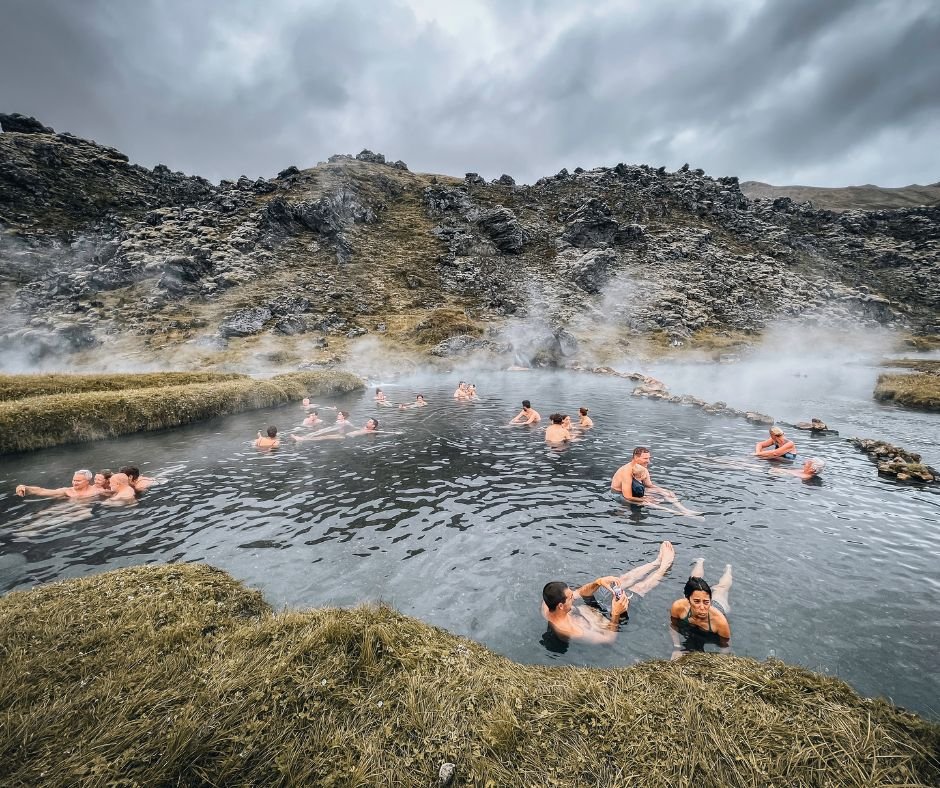
Pailong Hot Spring: A Wild Bathing Experience Along G318
Pailong Hot Spring offers a more adventurous and intimate experience for travelers driving the Sichuan–Tibet Highway (G318). Located north of Pailong Menba Ethnic Township, this hot spring is tucked beside a fast-flowing river and shaded by ancient trees.
The site includes two small stone bathing pools, each suitable for 3–5 people, making it ideal for quiet, low-key soaking. Warm spring water flows through wooden channels into stone and cement pools, allowing visitors to bathe directly under the running geothermal stream. The surrounding lush valley landscape, combined with the sound of rushing water, creates a true wilderness bathing atmosphere.
How to Reach Pailong Hot Spring
- Distance: Around 140 kilometers from Bayi Town, Nyingchi
- Access Point:
- From Pailong Township government, walk a few hundred meters west along G318
- Follow a discreet path down to the Luolang River
Bathing Tips
- A small maintenance fee of 10 yuan is charged by local residents
- Avoid soaking for too long to reduce the risk of altitude discomfort
- Best enjoyed in short sessions with breaks
Longya Han Spring: The Mysterious “Shouting Spring”
Longya Han Spring is one of the most unusual natural attractions in Bomi County. Located near Longya Village in Songzong Township, the spring emerges from a rock face on a hillside beside the road. A thin stream of water flows through a wooden chute, appearing modest at first glance.
What makes this spring extraordinary is its legendary response to sound. According to local belief, shouting “Let the water flow!” or striking the rock with a stone causes the water volume to increase dramatically, with the stronger flow lasting for about 40 minutes.
Local Legend Behind the Spring
An ancient Tibetan tale tells of a young hunter who rescued the Dragon King’s daughter from drowning. As a reward, she promised to offer him water or tea whenever he passed by. This promise is believed to have manifested as the Longya Han Spring, which locals regard as having medicinal benefits for various ailments.
How to Reach Longya Han Spring
- Route:
- Drive 28 kilometers from Bomi County town along National Highway G318
- Continue with a 400-meter uphill walk through a spruce forest
Natural Hot Springs and Legends of Bomi County
From the mineral-rich waters of Nayu Hot Spring to the untamed pools of Pailong and the myth-filled Longya Han Spring, Bomi County offers a rare combination of geothermal wellness, Tibetan folklore, and pristine Himalayan landscapes. These hot springs reflect the deep connection between nature, healing traditions, and local culture in southeastern Tibet.