Discover the Natural Wonders of Kangding County
Tucked away in the western reaches of Sichuan Province, Kangding County is one of China’s best-kept travel secrets. Far from the crowds of Beijing or Shanghai, this high-altitude destination draws visitors with dramatic mountain scenery, ancient Tibetan culture, and warm local hospitality. Whether you are an adventure traveler, a culture enthusiast, or simply looking for a peaceful retreat, Kangding has something remarkable to offer.
Where Is Kangding County?
Kangding County sits on the southeastern edge of the Qinghai-Tibet Plateau, making it a vital gateway between Sichuan and Tibet. Its strategic location has shaped its character over centuries, blending Han Chinese and Tibetan influences into a culture that is entirely its own. The county’s landscape is defined by towering mountains, deep canyons, rolling grasslands, clear alpine lakes, and natural hot springs — an extraordinary variety of terrain within a single destination.
In recent years, growing interest from both domestic and international travelers has helped Kangding develop into a well-rounded tourism destination without losing its authentic charm.
Explore Mount Gongga: China’s Majestic Giant
The crown jewel of Kangding County is undoubtedly Mount Gongga (also known as Minyak Gangkar), rising to a staggering 7,556 meters above sea level. Ranked among China’s top ten famous mountains, it dominates the skyline and offers a humbling sense of nature’s scale and power.
Located near Moxi Town, Mount Gongga is a trekker’s paradise. The journey begins at a base camp surrounded by lush forests and crystal-clear mountain streams. Trails vary in difficulty, so whether you are an experienced mountaineer or a casual hiker, you can find a route that suits your pace. From the upper trails, sweeping panoramic views of the entire Kangding County unfold before you — a reward that makes every step worthwhile.
Witness the Hailuogou Glacier Up Close
Kangding is also home to the Hailuogou Glacier, an extraordinary natural phenomenon recognized as the modern glacier with the lowest altitude in the world. Unlike remote Arctic glaciers that require serious expeditions to reach, Hailuogou is remarkably accessible. Visitors can walk close to the glacier’s edge and experience the surreal beauty of ancient blue ice set against a backdrop of green forest and mountain peaks. It is a sight that consistently leaves travelers speechless.
Rest and Recharge in Xinduqiao Town
After days of exploring mountains and glaciers, Xinduqiao Town offers a perfect base for rest. Known among photographers as the “photography paradise of China,” the town sits in a wide valley framed by the Gongga Mountain range. Accommodation options here range from cozy guesthouses to comfortable hotels, all offering stunning views of the surrounding peaks.
Waking up to a sunrise over snow-capped mountains from the comfort of your room is an experience that stays with you long after you return home.
Find Peace at Tagong Temple
No visit to Kangding is complete without spending time at Tagong Temple, one of the most revered Tibetan Buddhist monasteries in the region. The monastery’s vivid red walls and golden rooftops stand in striking contrast to the open grasslands that surround it.
Inside, the atmosphere is one of deep calm. Monks move through their daily rituals with quiet focus — meditative walks, the rhythmic spinning of prayer wheels, and the soft murmur of chanted prayers. Even visitors with no religious background often find themselves moved by the profound sense of peace that fills the air. The surrounding Tagong Grassland, dotted with yaks and wildflowers, adds another layer of beauty to the experience.
Step Back in Time at Kangding Ancient Town
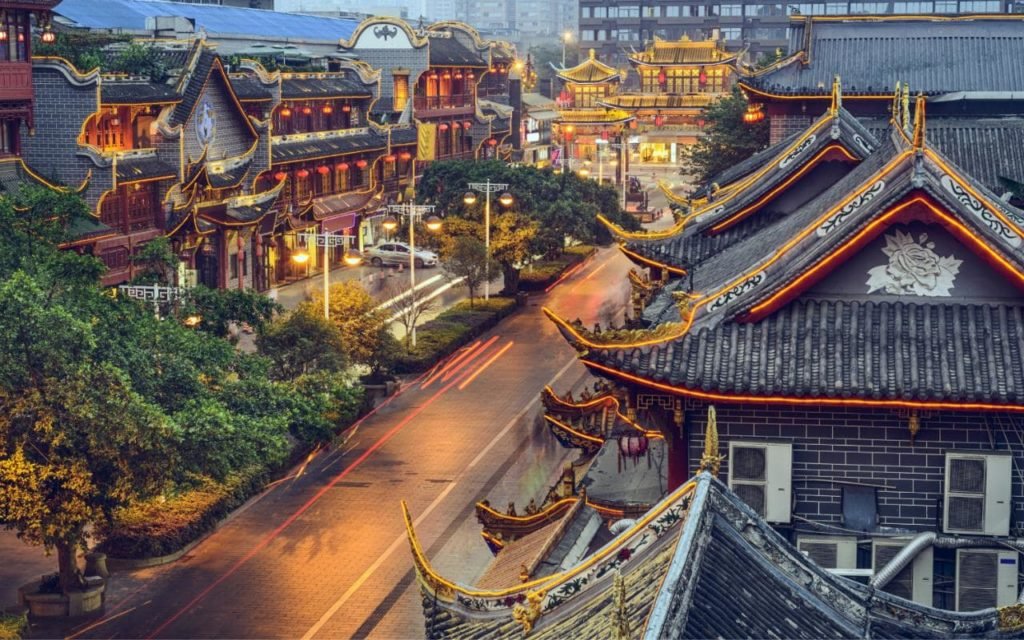
Kangding’s historical roots run deep. The ancient town, which dates to the Tang Dynasty, is recognized as one of China’s historic and cultural cities. Walking its narrow lanes, you pass centuries-old architecture including the iconic Kuixing Tower and the elegant Wenfeng Pagoda, both of which have stood witness to Kangding’s long and layered history.
As one of the birthplaces of Tibetan culture, Kangding Ancient Town immerses visitors in the sights, sounds, and traditions of the Tibetan people. From the style of local dress to the smell of butter lamps drifting from doorways, the cultural experience here is authentic and deeply engaging.
Conquer Paoma Mountain
For those seeking a quicker adrenaline fix, Paoma Mountain sits right on the edge of Kangding’s city center. Visitors can reach the summit by cable car or on foot via traditional hiking trails. At the top, the reward is a breathtaking 360-degree view of Kangding’s ancient urban landscape and the winding river that runs through it.
After the descent, local restaurants near the mountain are the perfect place to try authentic Tibetan cuisine. Yak yogurt, tangy and rich, and butter tea, warming and nourishing, are essential tastes to seek out. Roasted whole lamb is another local specialty that reflects the high-altitude cooking traditions of the region.
Taste the Local Cuisine
Kangding’s food is shaped by its geography. At high altitude with a cold climate, the local diet centers on calorie-dense, protein-rich ingredients that fuel active mountain lifestyles. Beyond yak yogurt and butter tea, tsampa — roasted barley flour mixed with butter or tea — is a dietary staple that has sustained Tibetan people for generations. These are not just meals; they are a window into a way of life intimately connected to the land.
Unwind in Kangding’s Natural Hot Springs
After days of hiking and sightseeing, Kangding’s abundant hot spring resources offer ideal natural relaxation. Soaking in mineral-rich thermal water while surrounded by mountain scenery is one of the more quietly memorable experiences this destination provides. Several hot spring facilities across the county cater to visitors, making it easy to build a soothing soak into your itinerary.
Practical Travel Information
- Location: Kangding County, Ganzi, (Karzey)
- Paoma Mountain Cable Car: RMB 30 admission fee
- Getting There: Regular bus connections run from Chengdu, Luding, Litang, and Tagong
Kangding is best visited between May and October when weather conditions are most favorable. High altitude means temperatures can drop significantly at night even in summer, so bring warm layers regardless of the season.