The 5-Day Lhasa and Ganden Monastery Tour is a perfect introduction to Tibet’s cultural and spiritual heart. This journey focuses on Lhasa, the historic capital at 3,650 meters above sea level, and includes a scenic day trip to Ganden Monastery, one of the most important monasteries in Tibetan Buddhism.
All foreign travelers must obtain a Tibet Travel Permit (TTP) through a licensed tour operator before entering Tibet, along with a valid Chinese visa. Independent travel is not permitted. Tours include a professional guide, private vehicle, and driver.
This itinerary is designed with proper acclimatization in mind to help prevent altitude sickness while allowing you to explore Tibet’s most iconic landmarks.

Tour Cost and Best Travel Time
Estimated Cost:
Around 4,000–7,000 RMB (approximately $550–$950 USD) per person for a small group tour.
The price generally includes:
- 3–4 star hotel accommodation
- Entry tickets to attractions
- Meals as listed in the itinerary
- Tibet Travel Permit
- Guide and transportation
Prices may vary in 2026 depending on season and group size.
Best Time to Visit
The ideal travel season is May to October, when the weather is milder and skies are clearer. Winter travel is not recommended due to colder temperatures and possible road closures.
What to Pack
- Layered clothing
- Sunscreen and lip balm
- Medication for altitude sickness (consult your doctor)
- Comfortable walking shoes
Respect local customs. Photography inside temples is not allowed without permission.
5-Day Lhasa and Ganden Monastery Itinerary
This small-group tour allows time for rest and gradual altitude adjustment. Accommodation is typically in central Lhasa hotels such as the Yak Hotel or similar standard.
Meals are marked as:
B = Breakfast | L = Lunch | D = Dinner
Day 1: Arrival in Lhasa (3,650m)
Upon arrival at the airport or train station, your guide will transfer you to your hotel. The rest of the day is dedicated to acclimatization.
If you feel well, you may take a short walk in the old town. Keep activity light and stay hydrated.
Highlights:
- First views of the Tibetan Plateau
- Lhasa River scenery
Avoid strenuous activity on arrival day.
Day 2: Lhasa City Tour
Potala Palace
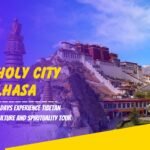
Begin your day at the iconic Potala Palace. Climb the steps slowly and take your time adjusting to the altitude. Entry is timed, and visits inside are limited to about one hour.
The palace once served as the winter residence of the Dalai Lama. It combines palace, fortress, and monastery architecture across 13 stories.
Jokhang Temple
In the afternoon, visit Jokhang Temple, the spiritual center of Tibet. Pilgrims prostrate outside while spinning prayer wheels and offering butter lamps.
Barkhor Street
Walk around Barkhor Street, a lively 1-kilometer circuit surrounding Jokhang Temple. It is a vibrant place for local culture, souvenirs, and people-watching.
Day 3: Lhasa Monasteries
Drepung Monastery
In the morning, visit Drepung Monastery. It was once the largest monastery in the world and housed up to 10,000 monks.
Sera Monastery
In the afternoon, head to Sera Monastery. Around 3 PM, watch the famous monk debates in the courtyard. Monks clap their hands and use expressive gestures during philosophical discussions.
Both monasteries belong to the Gelug sect of Tibetan Buddhism.
Day 4: Day Trip to Ganden Monastery
Drive approximately 40–50 km east of Lhasa (1–1.5 hours) to Ganden Monastery. It sits at 4,300 meters on Wangbur Mountain and offers panoramic views of the Lhasa River valley.
Founded in 1409 by Tsongkhapa, Ganden Monastery is one of the “Three Great Monasteries” of the Gelug tradition.
Explore the main halls and chapels. You may also complete the optional kora (pilgrimage circuit), which takes 1–2 hours and provides stunning mountain views decorated with colorful prayer flags.
The monastery was partially destroyed in the 1950s but has since been restored. Return to Lhasa in the evening.
Optional: Add Drak Yerpa Hermitage for a deeper spiritual experience.
Day 5: Departure from Lhasa
Enjoy a free morning for rest or short sightseeing before transfer to the airport or train station.
If time allows, you may revisit Barkhor Street or stop at Norbulingka, the former summer residence of the Dalai Lama.
Extensions to destinations like Namtso Lake can be arranged separately.
Key Attractions Explained
- Potala Palace: A UNESCO World Heritage Site, this architectural landmark houses priceless relics, murals, and chapels. It is one of Tibet’s most recognizable symbols.
- Jokhang Temple: Over 1,300 years old, Jokhang Temple remains the spiritual heart of Lhasa. Devotees gather daily to pray and offer butter lamps.
- Barkhor Street: This traditional pilgrimage route is filled with local shops selling thangkas, turquoise jewelry, and Tibetan handicrafts.
- Drepung and Sera Monasteries: Together with Ganden, they form the “Three Great Monasteries” of the Gelug school. Sera’s lively debates are a cultural highlight.
- Ganden Monastery: Less crowded than central Lhasa sites, Ganden offers peaceful surroundings and sweeping valley views.
Practical Travel Tips
Altitude Sickness Prevention
- Drink plenty of water
- Eat light meals
- Avoid alcohol and smoking during the first 48 hours
- Rest if experiencing headache or nausea
- Oxygen cans are available at many hotels.
Permits and Travel Arrangements
Your tour operator will handle the Tibet Travel Permit. Apply 15–20 days in advance by submitting passport scans.
Group sizes are usually small (4–12 people), allowing a more personalized experience.
Sustainable Travel
Support local communities by purchasing handmade crafts directly from artisans. Avoid single-use plastics in this fragile high-altitude environment.
2026 Travel Notes
As of early 2026, there are no major changes to Tibet travel regulations. Festival dates such as the Ganden Thangka Unveiling (usually in June or July) may enhance your experience if your travel dates align.
Customizations such as homestays or light hiking can be arranged depending on traveler preferences.