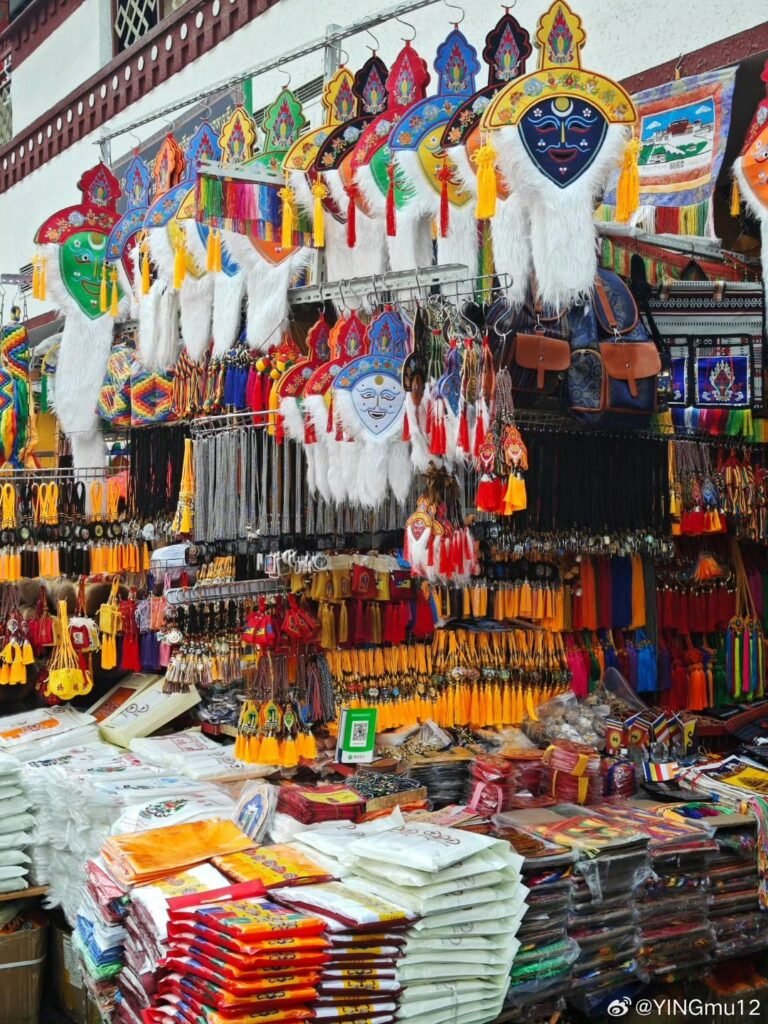
While bustling markets and souvenir streets in Tibet offer convenience and variety, they often present only a surface-level glimpse of Tibetan culture. To truly connect with the spirit of the land—and to bring home something meaningful—you need to go deeper. The real treasures of Tibet are found not in generic stalls, but in places where tradition is still alive: artisan workshops, cultural institutes, and community-based cooperatives.
These spaces are more than shops. They are guardians of Tibetan heritage—where skills are taught, preserved, and practiced with devotion. Visiting them transforms shopping into a cultural experience, where every purchase supports craftsmanship, identity, and continuity.
A Complete Guide to What to Buy in Tibet: Souvenirs, Handicrafts
For travelers, a journey to Tibet is not just about witnessing majestic snow-capped mountains or experiencing Tibetan Buddhism—it is also about bringing home a piece of this mystical land.
From intricately crafted handicrafts and sacred religious art to traditional clothing, herbal medicines, and unique local delicacies, Tibet offers a wide range of meaningful and memorable items. Each object reflects the wisdom, beliefs, and lifestyle of the Tibetan people, shaped by centuries of tradition and the unique high-altitude environment.
This comprehensive guide explores the best things to buy in Tibet, helping you choose authentic, valuable, and culturally rich souvenirs while avoiding common pitfalls.
Traditional Tibetan Handicrafts: A Living Legacy of Culture
Tibetan handicrafts are among the most treasured souvenirs you can take home. They represent centuries-old techniques passed down through generations and are deeply connected to Tibetan spiritual and daily life.
Thangka Paintings: The Sacred Art of Tibetan Buddhism
Thangka paintings are one of the most iconic forms of Tibetan art. Often referred to as the “encyclopedia of Tibetan culture,” these scroll paintings depict Buddhist deities, mandalas, historical figures, and spiritual stories.
Traditional Thangkas are hand-painted on cotton or silk using natural mineral and plant-based pigments. Some even include gold, silver, or crushed gemstones, giving them a rich and vibrant appearance that can last for centuries without fading.
There are two main types available in the market:
- Printed Thangkas: Affordable and widely available, typically priced from a few dozen to a few hundred yuan. Ideal for decoration.
- Hand-painted Thangkas: Created by skilled artists over months or even years. These are highly valuable, ranging from thousands to hundreds of thousands of yuan, depending on craftsmanship and materials.
When purchasing a Thangka, look for:
- Smooth, precise lines and balanced composition
- Natural pigments with deep, layered colors
- Calm and well-proportioned facial expressions
- Artist signatures or workshop certification
Avoid extremely cheap options that may be low-quality prints.
Tibetan Buddhist Statues and Ritual Objects
Tibetan Buddhist statues and ritual items are central to the region’s spiritual tradition. These items are not only decorative but also hold religious significance.
Common statues include:
- Buddha Shakyamuni
- Green Tara and White Tara
- Manjushri (Bodhisattva of Wisdom)
- Wealth deities
Materials range from bronze and copper to gold-plated finishes. Many are handcrafted with intricate detailing and symbolic motifs.
Popular ritual items include:
- Prayer wheels
- Butter lamps
- Gau boxes (portable amulet containers worn as pendants)
Gau boxes are particularly meaningful. Often decorated with turquoise and coral, they can hold scriptures or miniature images of deities, serving both as jewelry and spiritual protection.
Tibetan Carpets: A Masterpiece of Weaving Tradition
Tibetan carpets are globally renowned and rank alongside Persian and Turkish carpets as some of the finest in the world.
Made from highland sheep wool or yak hair, these carpets are durable, warm, and beautifully textured. High-end pieces may include silk for added softness and shine.
Traditional designs feature:
- Auspicious symbols (Eight Auspicious Signs)
- Floral patterns
- Clouds and mythical animals
Product types include:
- Small coasters or mats (budget-friendly souvenirs)
- Medium-sized rugs for home decoration
- Large, high-density carpets for collectors
Each piece is hand-knotted, making every carpet unique.
Tibetan Incense: Natural Fragrance from the Himalayas
Tibetan incense is made using ancient techniques, especially in regions like Nyemo, known for its traditional craftsmanship.
Unlike commercial incense, Tibetan incense is entirely natural. Ingredients include:
- Sandalwood
- Saffron
- Rhodiola
- Cypress
These are ground, mixed, and hand-rolled without chemical additives.
Tibetan incense is known for:
- A mild, earthy fragrance
- Air-purifying properties
- Stress relief and meditation support
Choose incense that smells gentle and natural, and produces fine, even ash when burned.
Wooden Bowls and Traditional Crafts
Hand-carved wooden bowls, especially from regions like Gyaca, are made from rhododendron or birch roots. These bowls are smooth, durable, and naturally patterned, making them both practical and decorative.
They are traditionally used for:
- Butter tea
- Tsampa (roasted barley flour)
Other crafts include Tibetan knives, which feature detailed carvings and metalwork. However, due to travel restrictions, these cannot be carried on flights and must be shipped through proper channels.
Traditional Clothing and Jewelry: Expressions of Tibetan Identity
Tibetan clothing and accessories reflect the region’s climate, lifestyle, and cultural aesthetics.
Tibetan Robes (Chuba)
The Chuba is the traditional Tibetan robe, designed to adapt to the harsh high-altitude environment.
Features include:
- Thick wool or Pulu fabric
- Long sleeves and loose fit
- Wide waist tied with a belt
Women often wear:
- Colorful striped aprons (Bangdian), symbolizing marital status
Men typically pair their robes with boots and traditional hats.
Tibetan Jewelry and Accessories
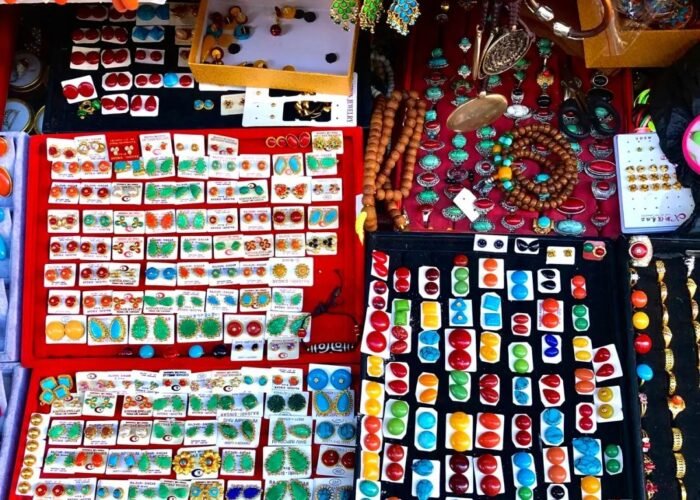
Tibetan jewelry is bold, vibrant, and deeply symbolic. Common materials include:
- Turquoise
- Coral
- Amber
- Dzi beads
These stones are believed to offer protection, health, and spiritual blessings.
Popular items:
- Necklaces and bracelets
- Earrings and rings
- Amulet pendants
Yak wool scarves are another excellent choice—soft, warm, and uniquely textured compared to cashmere.
Tibetan Medicine and Wellness Products: Natural Healing from the Plateau
Tibet’s unique environment has nurtured a rich tradition of herbal medicine. Tibetan medicine combines natural ingredients with ancient knowledge.
Popular Tibetan Medicinal Products
- Cordyceps (Caterpillar Fungus): Boosts immunity and energy
- Saffron: Supports blood circulation and relaxation
- Rhodiola: Helps combat fatigue and altitude sickness
- Snow Lotus: Used for improving circulation and reducing inflammation
Classic Tibetan medicines include:
- Seventy-Taste Pearl Pills
- Renqing Mangjue
- Zuozhu Daxi
These are used for cardiovascular and digestive health.
Important Tip: Always buy from certified pharmacies or Tibetan hospitals. Avoid street vendors to ensure authenticity and safety.
Local Tibetan Food Products: Authentic Flavors of the Plateau
Tibetan cuisine reflects simplicity, nutrition, and adaptation to the high-altitude environment.
Yak Meat Products
Yak meat is one of Tibet’s most popular specialties. It is:
- High in protein
- Low in fat
- Rich in flavor
Types include:
- Air-dried yak meat (chewy and natural)
- Spiced or braised yak meat (softer and more flavorful)
Authentic yak meat should have:
- A dark red color
- Firm texture
- No artificial additives
Highland Barley (Tsampa) Products
Highland barley is Tibet’s staple food. It is nutritious, filling, and versatile.
Popular products:
- Tsampa flour (easy to store and prepare)
- Barley cookies and snacks
- Barley wine (mild and aromatic)
- Instant barley cereal
Other Specialty Foods
- Butter tea powder and sweet tea powder
- Dried cheese (rich in calcium)
- Wild mushrooms like matsutake and morels
- Highland honey
- Yak milk products
These items are often vacuum-packed for convenience, making them perfect for travel.
Shopping Tips: How to Buy Smart in Tibet
To ensure a smooth shopping experience, keep these tips in mind:
Where to Shop
Popular shopping areas include:
- Barkhor Street in Lhasa
- Barkhor Shopping Mall
- Chongsaikang Market
These places offer a wide variety of goods, from souvenirs to high-end crafts.
What to Watch Out For
- Compare prices before buying
- Be cautious of extremely cheap items
- Check authenticity certificates for valuable goods
- Avoid impulse buying
Travel and Shipping Considerations
- Restricted items (like Tibetan knives) must be shipped
- Fragile items should be securely packed
- Keep receipts for expensive purchases
Respect Cultural Significance
Many items, especially Thangkas and Buddhist statues, are sacred. Treat them with respect and avoid placing them casually or disrespectfully.
Bringing Tibet Home
Every item you purchase in Tibet carries more than material value—it carries a story. Whether it’s a hand-painted Thangka, a woven carpet, a strand of turquoise beads, or a packet of yak meat, each souvenir connects you to the spirit of the Tibetan plateau.
These objects preserve memories of vast landscapes, spiritual encounters, and cultural discoveries. They serve as lasting reminders of a journey that is both external and deeply internal.
As you explore Tibet, take your time to choose meaningful items. Let them reflect your experience, your appreciation, and your connection to this extraordinary land.