
Introduction to Mount Kailash (Gang Rinpoche)
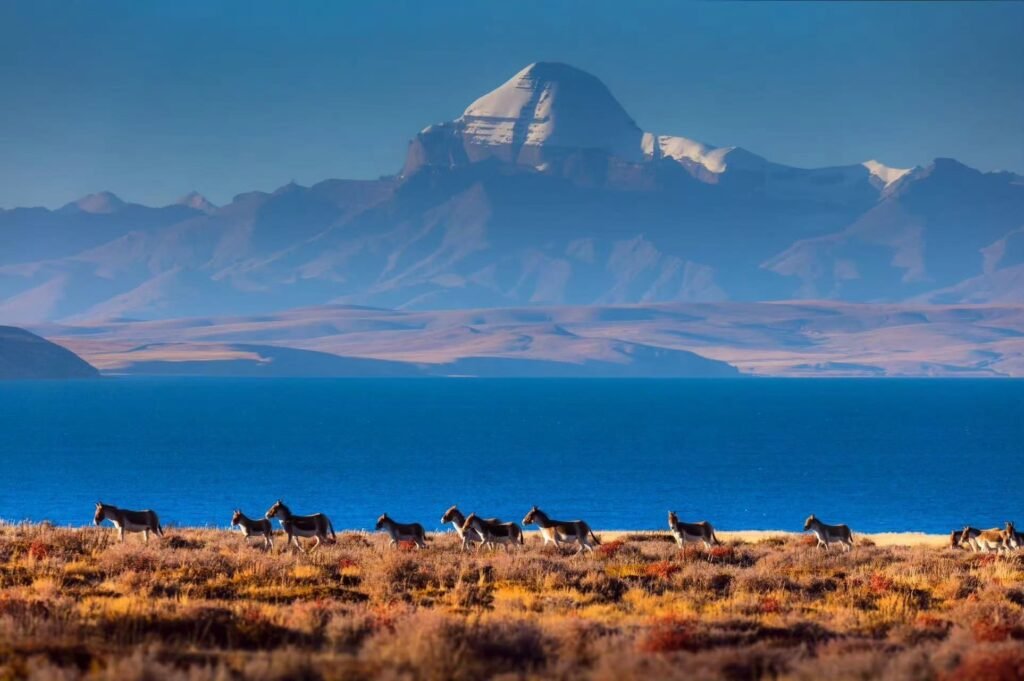
Mount Kailash, also known as Gang Rinpoche, is a striking peak situated in the Gangdise mountain range of Tibet. Standing at an elevation of 6,638 meters, it is revered not only for its majestic beauty but also for its deep spiritual significance across various religions. Mount Kailash is considered a sacred site by followers of Buddhism, Hinduism, Jainism, and Bön, making it a central hub of pilgrimage and devotion.
The geographical location of Mount Kailash is remarkable, nestled in the heart of the Tibetan Plateau. Its unique pyramidal shape is often identified with the essence of spiritual ascension, drawing countless devotees and trekkers eager to experience its profound tranquility. The mountain is surrounded by several lakes, with Lake Mansarovar and Lake Rakshastal being the most notable. These lakes are believed to be imbued with healing and purifying qualities, further enhancing the pilgrimage experience.
For Buddhists, Mount Kailash is revered as the dwelling place of Buddha Demchok, who represents supreme bliss. Likewise, Hindus regard it as the abode of Lord Shiva, with the mountain symbolizing his spiritual power and the source of life. Jainism holds a particular reverence for the site, considering it the place where the first Tirthankara, Rishabhadeva, attained liberation. The Bön religion venerates the mountain as the center of the universe, attributing it with mythic significance.
Understanding the cultural and spiritual importance of Mount Kailash is essential for any traveler aiming to embark on a pilgrimage to this iconic site. The diverse religious connections reflect a shared reverence for the mountain, compelling visitors from around the world to engage with its rich heritage and extraordinary beauty. Whether seeking spiritual enlightenment or an unforgettable adventure, Mount Kailash serves as a transformative destination that resonates deeply with all who encounter it.
Overview of Mount Kailash
Mount Kailash, also known as Gang Rinpoche, is a prominent and sacred peak located in the western part of Tibet. Rising to an elevation of 6,638 meters (21,778 feet), it stands as a striking pyramidal mountain that has attracted spiritual pilgrims and explorers for centuries.
Significance Across Religions
This mountain holds profound spiritual importance for multiple faiths:
- Hinduism: Revered as the abode of Lord Shiva, Mount Kailash symbolizes divine power and the source of creation. It is considered the spiritual center of the universe, where Shiva meditates in eternal bliss.
- Buddhism: Seen as the axis mundi or cosmic center, it represents enlightenment and spiritual awakening. Devotees undertake circumambulation (kora) around the mountain to attain merit and purify sins.
- Jainism: Recognized as the site where the first Tirthankara, Rishabhadeva, attained liberation, making it a vital pilgrimage destination.
- Bön: The indigenous Tibetan religion venerates Mount Kailash as the source of all spiritual teachings and cosmic energy.
Geographical Features
Nestled within the Tibetan Plateau, Mount Kailash is surrounded by several sacred lakes, notably Lake Manasarovar and Lake Rakshastal. These lakes are believed to possess healing properties and are integral to pilgrimage rituals. The mountain’s distinctive pyramidal shape is often associated with spiritual ascent and transcendence.
Cultural and Spiritual Practices
Pilgrims from diverse backgrounds participate in circumambulation around Mount Kailash, known as the Kora—a ritual walk that spans approximately 52 kilometers. This practice is believed to cleanse karmic debts and bring spiritual merit. The journey often takes three days and involves navigating rugged terrain at high altitudes.
Preparing for Pilgrimage
Travelers intending to visit Mount Kailash should prepare physically through endurance training and acclimatization to high altitudes. Proper clothing, medical supplies, and respectful engagement with local customs are essential for a safe and meaningful experience. Respect for local traditions and environmental preservation are paramount during this sacred journey.
Surrounding Sacred Sites
Beyond Mount Kailash itself, notable sites include:
- Lake Manasarovar: Considered one of the holiest lakes in Hinduism and Buddhism; bathing in its waters is believed to purify sins.
- Lake Rakshastal: Known as the “lake of demons,” it symbolizes duality—representing both destructive forces and spiritual challenges.
These sites enrich the pilgrimage experience by offering diverse perspectives on spirituality and divine connection.
Cultural and Spiritual Significance
Mount Kailash, also known as Gang Rinpoche, holds immense cultural and spiritual significance across various religions, primarily Hinduism, Buddhism, Jainism, and Bon. Revered as the abode of Lord Shiva in Hinduism, it is believed that this sacred mountain is where he meditates, thus making it a pivotal pilgrimage site for millions of devotees seeking spiritual enlightenment and divine blessings. The unique position of Mount Kailash as a sacred entity draws pilgrims from different faiths, enhancing its status as one of the holiest mountains in the world.
In Buddhism, Mount Kailash is considered the axis mundi, or the center of the universe, symbolizing spiritual and physical elevation. Devotees embark on the kora, a ritual circumambulation of the mountain, which is believed to cleanse sins and bring spiritual merit. Pilgrims often express deep reverence during this journey, recognizing the tangible connection between their personal spiritual quests and the larger cosmic significance embodied by the mountain.
Jainism also acknowledges Mount Kailash as a significant site; it is linked to the first Tirthankara, Rishabhdev, who is believed to have attained liberation here. Meanwhile, the Bon religion venerates the mountain as the source of their spiritual teachings, adding to the multicultural tapestry woven around this sacred site. In addition to its spiritual narratives, the historical architecture found in the region, such as temples and monasteries, resonates with centuries of devotion and cultural heritage. These structures not only symbolize the artistic prowess of past civilizations but also serve as reminders of the enduring quest for spiritual understanding and connection.
Collectively, the multifaceted beliefs and rituals associated with Mount Kailash underscore its significance in promoting unity among diverse cultures and spiritual ideologies, making it a cornerstone of faith for those who seek to embark on a pilgrimage to this revered mountain.
Preparing for the Journey
Embarking on a pilgrimage to Mount Kailash, also known as Gang Rinpoche, requires thorough preparation to ensure a safe and fulfilling experience. The journey, revered by many as a sacred trek, involves not only physical exertion but also cultural sensitivity. Preparing physically is essential; hence, travelers should engage in cardiovascular training, strength building, and stamina-enhancing exercises several months prior to the journey. Hiking in similar terrains can be beneficial, allowing pilgrims to adapt to the demands of the altitude and rugged environment.
In addition to physical training, packing the right items is crucial. A comprehensive packing checklist should include lightweight, moisture-wicking clothing, a waterproof jacket, warm layers, and sturdy hiking boots. Basic medical supplies such as altitude sickness medication, personal prescriptions, and a first aid kit are vital. Travelers should also carry essentials like a reusable water bottle, snacks high in energy, and a map of the area. Technology such as portable chargers and GPS devices can enhance navigation, but it is important to remain mindful of local regulations regarding electronic use.
Acclimatization for Mount Kailash Pilgrim
Acclimatization is another critical component for a successful pilgrimage. Upon arrival, travelers should allow for at least a couple of days to adjust to the high altitude prior to commencing their trek. Drinking plenty of water and consuming light meals can aid in this process. Moreover, respecting local culture and traditions is paramount. Engaging with local customs, observing religious practices, and maintaining a respectful demeanor will enhance the overall experience and foster positive relationships with the indigenous communities. Travelers are encouraged to learn a few local phrases and to dress modestly, particularly when visiting temples and sacred sites.
By following these guidelines for preparation, pilgrims can ensure that their journey to Mount Kailash is not only physically manageable but also culturally enriching. Careful planning and respect for the local environment will greatly contribute to a memorable pilgrimage.
Sacred Sites Around Mount Kailash
Mount Kailash, revered as Gang Rinpoche, stands as a center of spiritual significance in Tibetan Buddhism, Hinduism, Bon, and Jainism. Its surrounding sacred sites are equally important, attracting pilgrims from various cultures. Among these revered locations, Lake Manasarovar and Lake Rakshastal hold prominent places, steeped in mythology and religious significance.
Lake Manasarovar is considered one of the holiest lakes in the world. According to Hindu mythology, it is believed that the lake was created by Lord Brahma and represents purity and perfection. Pilgrims often undertake arduous journeys to bathe in its clear waters, which are said to cleanse one of sins and facilitate spiritual liberation. The lake is also seen as a source of immense blessings, providing spiritual merit to those who visit. Its pristine waters, surrounded by the majestic backdrop of the Himalayas, offer not only a space for reflection but also an opportunity to connect deeply with spiritual traditions.
In contrast, Lake Rakshastal is steeped in darker legends. It is referred to as the “lake of the demons,” associated with the deities of destruction. According to local lore, it is said that the waters of Rakshastal are bitter, unlike those of Manasarovar. This lake is not regarded as a destination for purification; instead, it symbolizes the balance of good and evil within the spiritual realm. Pilgrims often visit both lakes as part of their journey, acknowledging the dichotomy represented between divine grace and fearsome challenges.
Both Lake Manasarovar and Lake Rakshastal complement the experience of visiting Mount Kailash by providing diverse perspectives on the nature of spirituality. These landmarks, steeped in lore and spiritual importance, engage pilgrims and travelers alike, enriching their journey through this sacred land.
The Kora: The Pilgrimage Circuit
The Kora is a revered pilgrimage circuit that encircles the majestic Mount Kailash, also known as Gang Rinpoche. This sacred trek holds immense significance for followers of various spiritual traditions, particularly within Tibetan Buddhism, Bon, and Hinduism. The distance of the Kora is approximately 52 kilometers (32 miles), typically undertaken in a clockwise direction, which is believed to align with traditional spiritual practices. Pilgrims generally allocate around three days to complete the route, an experience that combines physical endurance with profound spiritual reflection.
The experience of undertaking the Kora is steeped in Tibetan culture, where spiritual rituals play a critical role. Many devotees engage in prostrations, chant mantras, or spin prayer wheels along the circuit, thus adding layers of sacred intention to their pilgrimage. These practices not only enrich their journey but also contribute to a communal atmosphere as pilgrims from diverse backgrounds unite in their shared devotion. This pilgrimage circuit is more than just a physical journey; it embodies the essence of seeking enlightenment and spiritual purification, firmly establishing the Kora as a transformative experience for those who tread this hallowed path.
Starting and Ending Points: Darchen and Drirapuk Monastery
Mount Kailash, revered as a sacred pilgrimage site, offers a unique experience for trekkers and spiritual seekers alike. The journey around this monumental mountain, known as the kora, commences in Darchen, a small town that serves as the primary gateway for pilgrims embarking on this transformative trek. Darchen is situated at an altitude of approximately 4,570 meters, providing a stunning backdrop for the beginning of the pilgrimage. The town is equipped with various accommodations ranging from basic guesthouses to more comfortable hotels, catering to the diverse needs of travelers. Several local amenities, including shops, restaurants, and medical services, can also be found in Darchen, ensuring that pilgrims are well-prepared for their journey.
As an indispensable part of the pilgrimage experience, Darchen offers insight into the rich culture and traditions of those who come to pay homage to Mount Kailash. It is not uncommon to see devotees from various backgrounds engaging in spiritual practices here, creating a vibrant atmosphere filled with devotion. Travelers are encouraged to spend some time in this town to acclimatize to the altitude and prepare mentally and physically for the trek ahead.
The kora typically concludes at Drirapuk Monastery, located approximately 18 kilometers from Darchen. This significant monastery provides a serene environment for contemplative practices and is often regarded as a spiritual sanctuary for pilgrims. Drirapuk is characterized by its stunning views of Mount Kailash and offers basic accommodations for those wishing to rest before completing the kora. The monastery features prayer halls and chapels where visitors can participate in rituals, further enriching their pilgrimage experience. It acts as a reflection of the spiritual journey travelers embark upon, marking not just an ending point for the trek but a profound culmination of personal devotion and exploration.
Suggested 7-Day Itinerary for the Kailash Kora
The 7-day itinerary for the Kailash Kora provides travelers with an organized approach to fully experience the spiritual and natural wonders surrounding Mount Kailash. The journey begins in Lhasa, the capital of Tibet, and culminates in Darchen before embarking on the sacred kora, a ritual circumnavigation of the mountain.
Day 1: Lhasa to Shigatse –
Depart Lhasa in the morning and travel to Shigatse, the second-largest city in Tibet. This approximately 6-7 hour drive offers stunning views of the Tibetan landscape. Upon arrival, visit the Tashilhunpo Monastery, one of the most significant Gelug monasteries in Tibet, known for its impressive statue of Maitreya.
Day 2: Shigatse to Darchen –
After breakfast, proceed on the journey to Darchen, the base for the Kailash Kora. This trip takes around 6-7 hours, passing through beautiful valleys and quaint Tibetan villages. Once in Darchen, familiarize yourself with the area and prepare for the kora. Acclimatization is vital at this altitude, so rest appropriately.
Day 3: Darchen to Dirapuk –
Begin your kora by hiking from Darchen to the first campsite at Dirapuk, taking in majestic views of Mount Kailash. This trek covers approximately 12 kilometers, usually taking 5-6 hours. Along the way, engage in daily prayers and enjoy the tranquil atmosphere that surrounds this sacred site.
Day 4: Dirapuk to Zuthulpuk –
The most challenging day involves trekking over the Drolma La Pass at 5,636 meters. Expect a 7-8 hour hike before arriving at Zuthulpuk, where pilgrims often spend time reflecting on their journey and the significance of this sacred mountain.
Day 5: Zuthulpuk to Darchen –
After a restful night, return to Darchen retracing your path. This 10-kilometer trek typically takes around 5-6 hours. As you arrive, take moments to appreciate the extraordinary sights and sounds of the region surrounding Mount Kailash.
Day 6: Darchen to Lake Manasarovar –
Following the kora, travel to Lake Manasarovar, another significant pilgrimage site, for scenic views and serene reflections. Spend time at the lakeshore, engaging in spiritual practices and soaking in the tranquility it provides.
Day 7: Return to Lhasa –
The final day involves the journey back to Lhasa, concluding this 7-day exploration of Mount Kailash and its sacred surroundings. This reflective return allows for further appreciation of the profound experiences gathered along the journey.
Throughout this itinerary, travelers are encouraged to respect the local customs and traditions, making their pilgrimage not only a physical challenge but also a spiritual journey.
Health and Safety Considerations
Embarking on a pilgrimage to Mount Kailash (Gang Rinpoche) and its surrounding sacred sites requires careful health and safety considerations, chiefly due to the challenging altitude and remote conditions. Travelers may face altitude sickness as they ascend to elevations exceeding 5,000 meters (16,404 feet), where the air pressure is considerably lower and oxygen levels become limited. Symptoms may include headaches, nausea, difficulty sleeping, and dizziness. It is advisable to increase altitude gradually, allowing for proper acclimatization and monitoring any onset of altitude sickness closely.
General health precautions are paramount for all pilgrims. It is recommended to consult a healthcare professional before the journey to discuss any existing medical conditions and receive guidance on necessary vaccinations. A comprehensive first aid kit, including medications for the common cold, altitude sickness, and any personal prescriptions, should be packed as a precautionary measure. Additionally, travelers should ensure they are physically fit for the pilgrimage and consider engaging in preparatory exercises to strengthen stamina and endurance.
Food and water safety is another vital aspect of maintaining health during the pilgrimage. Travelers should avoid consuming raw or undercooked food and opt for bottled water or well-cooked meals to minimize the risk of gastrointestinal infections. When purchasing bottled water, ensure the seal is intact. It is also prudent to pack some non-perishable snacks, like energy bars and nuts, to maintain energy levels throughout the trek.
Finally, establishing a list of emergency contacts before setting off can be a significant safety measure. This includes local authorities, healthcare facilities, and the nearest embassy. Having a reliable means of communication—be it a satellite phone or local SIM card—can further guarantee assistance in emergency situations. By remaining vigilant and informed, pilgrims can enjoy a rewarding and safe experience while visiting Mount Kailash and its sacred surroundings.
Conclusion: Embracing the Pilgrimage Experience
Undertaking a pilgrimage to Mount Kailash, also known as Gang Rinpoche, provides an enriching and transformative experience that resonates deeply with those who embark on this sacred journey. As one navigates the diverse landscapes surrounding this revered mountain, they are not merely traversing a physical path but are also engaging in a profound spiritual quest. The majestic vistas, serene surroundings, and the aura of reverence that envelops Mount Kailash create an environment that invites introspection and personal growth.
The pilgrimage is a unique opportunity to connect with both the natural world and the diverse cultures that inhabit the region. Travelers will have the chance to interact with local communities, enriching their journey with unique cultural exchanges that often include traditional customs, rituals, and stories passed down through generations. These interactions foster a deeper appreciation of the spiritual and cultural significance of Mount Kailash, extending beyond mere sightseeing into the realm of meaningful exchange and connection.
Moreover, the physical challenge of the pilgrimage, encompassing the high-altitude trek and dedication required for its completion, often leads to heightened self-awareness and personal resilience. Participants may find themselves reflecting on their own beliefs and values while navigating the older paths taken by millions over centuries. This alignment of physical, spiritual, and cultural elements culminates in a pilgrimage that is both demanding and rewarding, encouraging a deeper understanding of one’s personal spirituality.