Tibetan people
Tibetan Customs
Major Festivals in Tibet
Tibetan Language
Embark on a once-in-a-lifetime journey with the Mount Kailash Tour from Gyirong, a 10-day pilgrimage that blends spiritual depth with raw Himalayan adventure. Starting from Kathmandu, this route leads you through Nepal’s lush valleys to the dramatic highlands of Tibet, offering a gradual and scenic ascent toward the sacred Mount Kailash. Unlike longer routes, the Gyirong entry provides a smoother acclimatization while still allowing you to experience the complete and traditional 3-day Kora—an ancient circumambulation believed to cleanse karma and bring profound blessings.
This journey is more than just a trek; it is a deeply transformative experience. Along the way, you’ll witness breathtaking landscapes, from turquoise lakes and vast plateaus to the awe-inspiring presence of Mount Kailash itself. Walking alongside pilgrims from around the world, spinning prayer wheels, and passing monasteries steeped in centuries of devotion, you’ll feel the spiritual energy that makes this destination one of the most revered on Earth. Designed for pilgrims, trekkers, and cultural explorers alike, this itinerary offers the perfect balance of challenge, comfort, and meaning.
Your journey begins in Kathmandu as you drive toward the Nepal-Tibet border. The road winds through terraced hills, rivers, and traditional villages, offering a beautiful introduction to the Himalayas. As you ascend gradually, you’ll notice the air getting fresher and the landscapes more dramatic.
After approximately 6–8 hours (around 160 km), you reach Rasuwa, a quiet border town. In the evening, attend a briefing about the upcoming journey, including border crossing procedures, altitude tips, and the significance of the Mount Kailash pilgrimage.
After breakfast, head to the Rasuwagadhi border to complete exit formalities from Nepal. Cross into Tibet via the Gyirong Port, where your Tibetan guide will assist with immigration and permits.
Once inside Tibet, drive a short distance to Gyirong town, located in a green valley surrounded by forests and waterfalls. This lower-altitude stop is ideal for acclimatization. Spend the afternoon exploring the town or relaxing.
Today’s drive marks a dramatic shift in scenery. Leaving behind the lush valley, you ascend into the vast Tibetan plateau. The route passes through mountain passes, open grasslands, and river valleys.
The journey is long (about 350 km, 7–9 hours), but filled with stunning views and photo stops. By late afternoon, arrive in Saga, a small town on the plateau and an important stop for acclimatization.
Continue your journey across the plateau toward Darchen, the base camp for Mount Kailash. The drive (approx. 450 km, 8–10 hours) offers expansive views of arid plains, distant snow peaks, and sacred sites.
Along the way, you may catch glimpses of Lake Manasarovar, a revered lake known for its spiritual significance. Arrive in Darchen by evening, where pilgrims gather before beginning the Kora.
The first day of the Kora begins with a gradual trek along the Lha Chu Valley. The path is lined with prayer flags, mani stones, and small monasteries, creating a deeply spiritual atmosphere.
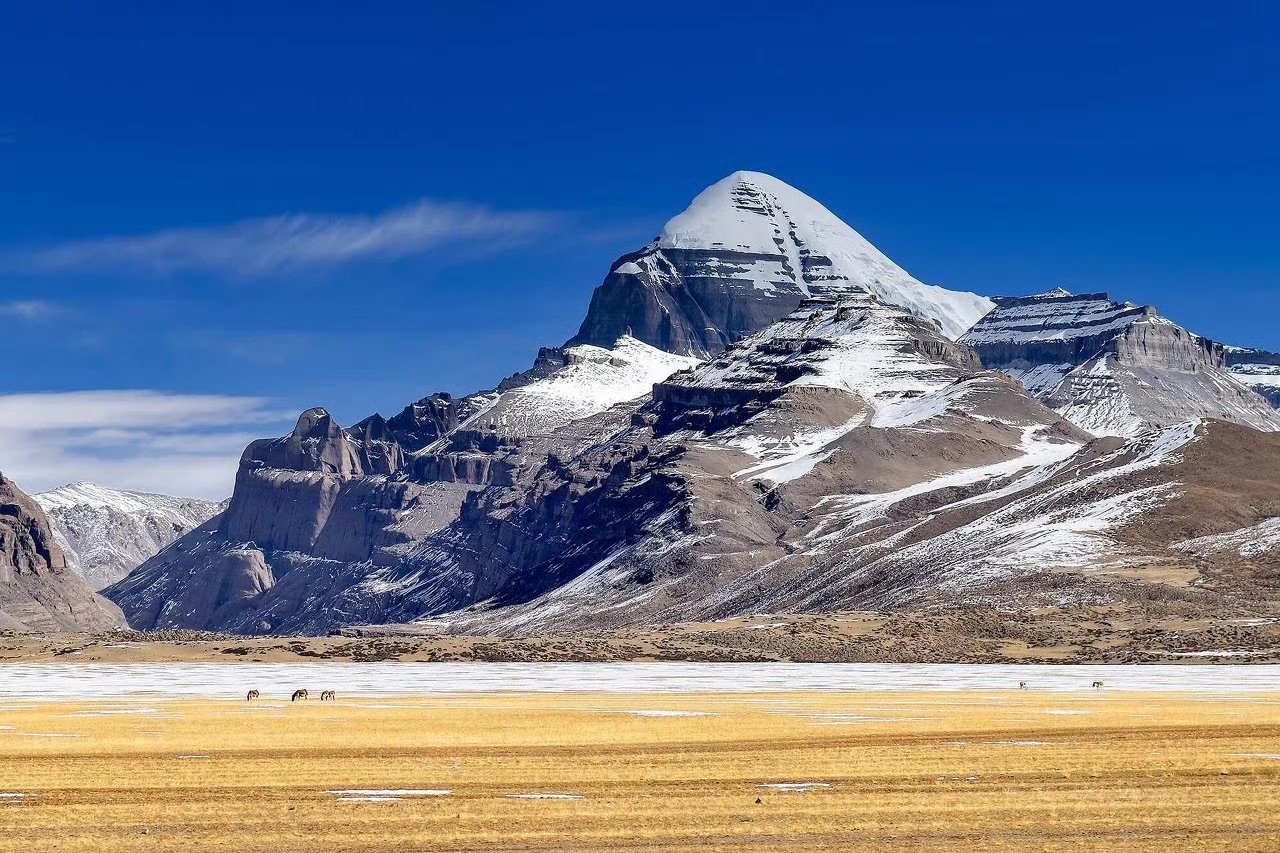
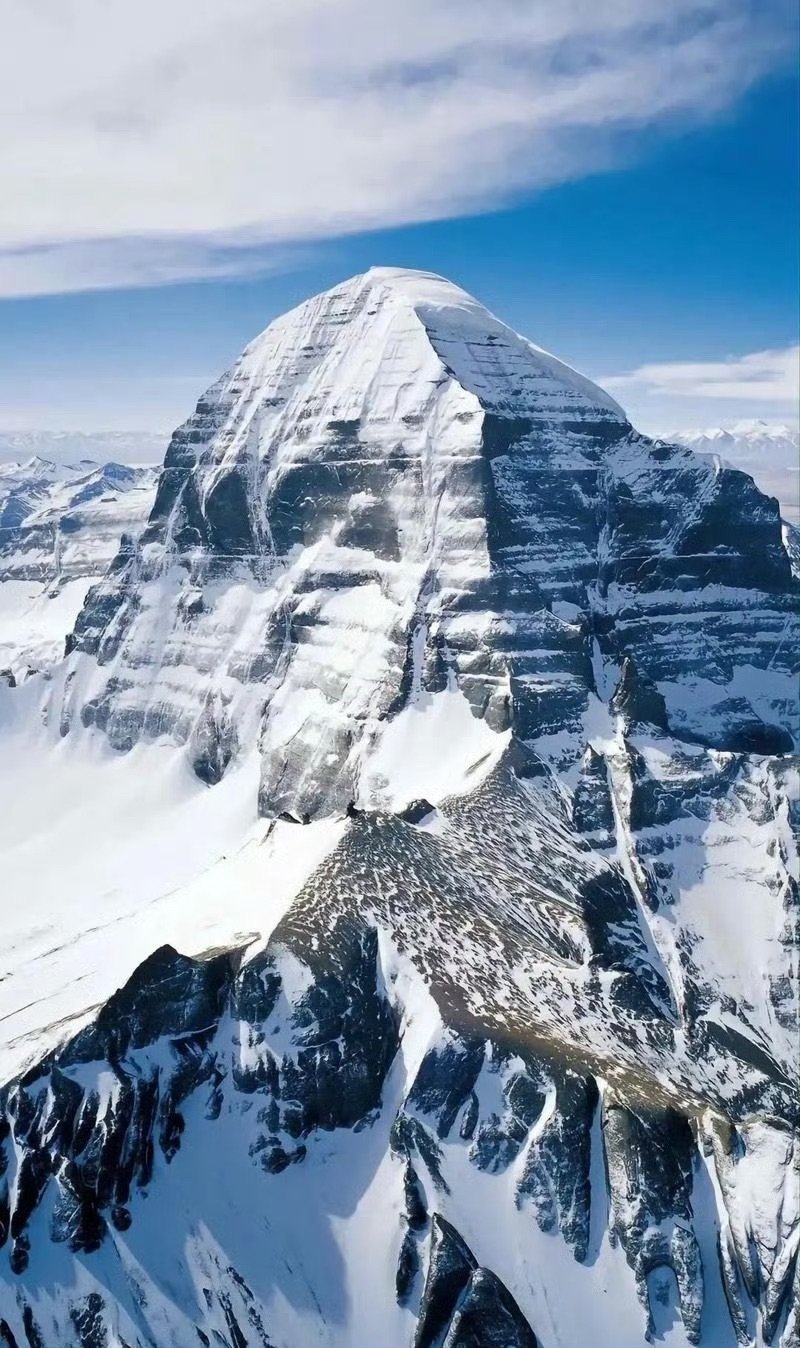
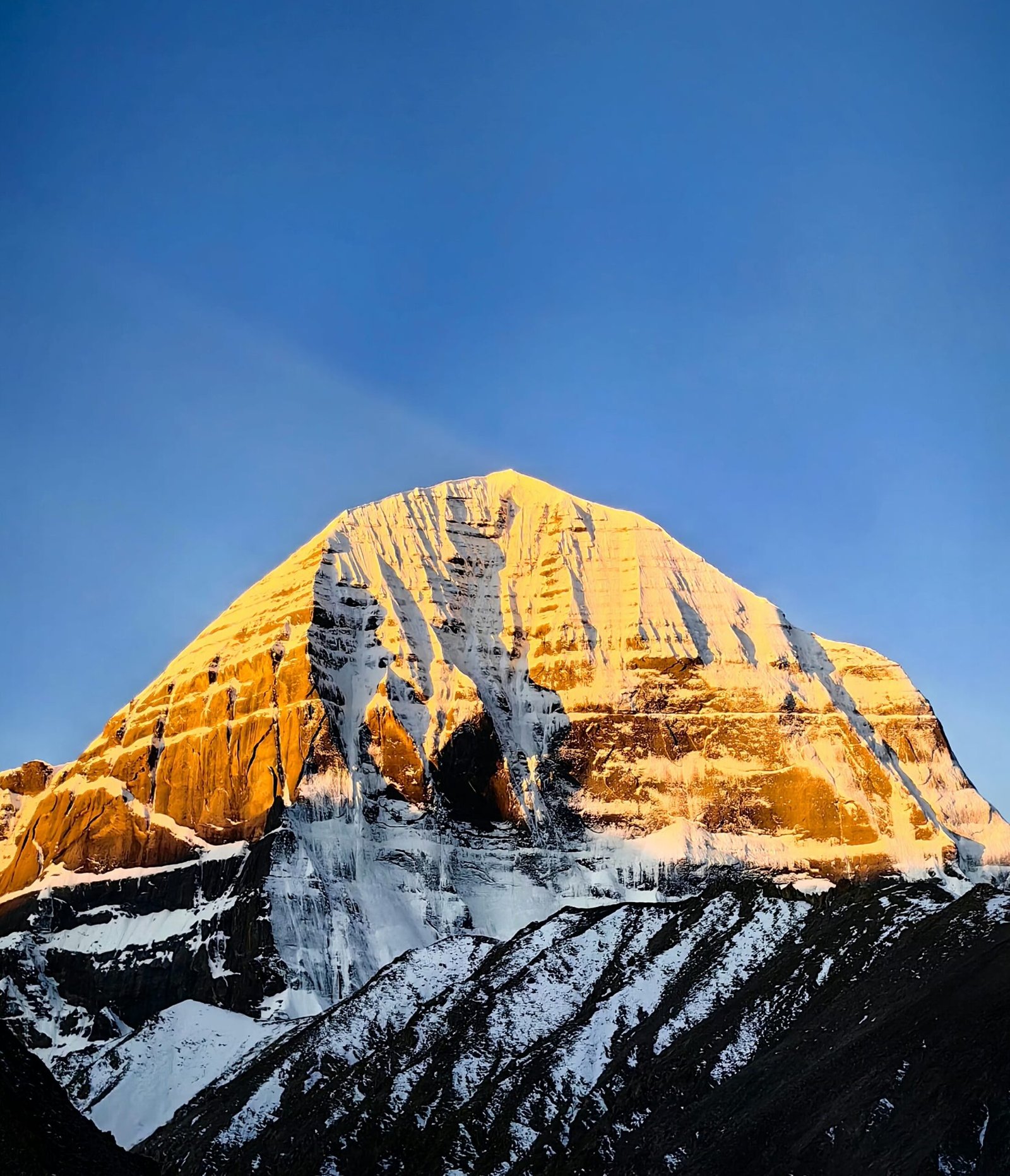
After 6–7 hours of trekking (around 20 km), you reach Dirapuk Monastery, located directly beneath the north face of Mount Kailash. The view here is one of the most breathtaking of the entire journey.
This is the most demanding and spiritually significant day of the Kora. Begin early with a steep ascent toward Dolma La Pass (5,630m), the highest point of the trek.
The climb is tough but rewarding, symbolizing spiritual rebirth. At the pass, prayer flags flutter in the wind, marking a place of deep devotion. After crossing, descend past a sacred lake and continue toward Zutulpuk.
The final day of the Kora is easier, with a gradual descent through scenic valleys. After 4–5 hours of walking (around 14 km), you return to Darchen, completing the full 52 km circuit.
Celebrate this achievement with your group and enjoy a well-deserved rest.
Begin the return journey along the same route. The familiar landscapes now carry deeper meaning after completing the pilgrimage.
Drive back to Saga (approx. 450 km, 8–10 hours) and relax after a long day of travel.
Continue driving back toward Gyirong (350 km, 7–9 hours). As you descend, the air becomes thicker and the landscape greener.
This transition brings comfort after days at high altitude. Spend your final night in Tibet enjoying the peaceful valley atmosphere.
After breakfast, cross the border back into Nepal. Complete immigration formalities and drive back to Kathmandu.
As the journey concludes, carry with you unforgettable memories, spiritual insights, and the sense of accomplishment from completing one of the world’s most sacred pilgrimages.
Expect a journey that is both physically demanding and deeply rewarding. This Mount Kailash tour via Gyirong takes you from the green valleys of Nepal to the stark, breathtaking landscapes of the Tibetan plateau, with altitudes ranging from around 2,800 meters to over 5,600 meters at Dolma La Pass. Long driving days, basic accommodations in remote areas, and high-altitude trekking are all part of the experience. However, the itinerary is designed with gradual acclimatization in mind, allowing your body to adjust as you move higher. The 3-day Kora itself is the highlight—challenging yet achievable for those with reasonable fitness and determination.
Beyond the physical aspect, expect a powerful spiritual and cultural immersion. You will walk alongside pilgrims from different traditions, pass ancient monasteries, spin prayer wheels, and witness landscapes that feel untouched by time. The atmosphere around Mount Kailash is unlike anywhere else—quiet, sacred, and deeply moving. Simple meals, shared stories, and moments of reflection under vast Himalayan skies create a sense of connection that goes far beyond a typical यात्रा, making this experience truly transformative.
This Mount Kailash tour via Gyirong stands out for its perfect balance of accessibility, authenticity, and spiritual depth. Unlike longer routes that require extended acclimatization in Lhasa, this itinerary begins from Kathmandu and enters Tibet through the scenic Gyirong border, allowing for a more gradual altitude gain. This makes the journey smoother and more manageable while still including the complete and traditional 3-day Kora around Mount Kailash. The route itself is incredibly diverse—transitioning from Nepal’s lush valleys to Tibet’s vast, dramatic plateau—offering a rich visual and cultural experience in a shorter timeframe.
What truly makes this tour special is the way it combines meaningful pilgrimage with well-organized logistics. You travel in small groups, guided by experienced Tibetan experts, with all permits, transportation, and support carefully arranged. Despite the remote setting, the journey remains comfortable and thoughtfully paced, allowing you to focus on the spiritual experience rather than the challenges. Walking alongside pilgrims, passing sacred sites, and completing the Kora creates a deep sense of accomplishment and connection, making this tour not just a trip, but a life-changing journey.
No, independent travel is not permitted in Tibet. All travelers must book their journey with a licensed tour operator who will arrange the necessary permits and provide a local guide for the duration of the tour.
The trek around Mount Kailash is physically challenging due to the high altitude (over 5,000 meters) and rugged terrain. It is suitable for people in good physical condition, with prior experience in high-altitude trekking.
Travelers should bring warm, layered clothing, including a down jacket, gloves, hat, and trekking gear. Proper trekking boots and accessories like walking sticks are also recommended for the Kailash Kora.
Guides assess conditions daily. If altitude sickness or fatigue strikes, you’ll descend to lower elevations or return to Darchen with a support vehicle. Travel insurance with emergency evacuation is mandatory.
Yes, but options are limited. Meals are carb-heavy (noodles, rice, momos) with occasional veggies. Carry protein bars or snacks if you have strict dietary needs.