Tibetan people
Tibetan Customs
Major Festivals in Tibet
Tibetan Language
Tibet is a land where ancient history, deep-rooted spirituality, and vast high-altitude landscapes blend into an experience that feels both powerful and timeless. The Historic Lhasa–Tsedang Tour is crafted for travellers who want more than sightseeing—it offers a meaningful journey into the origins of Tibetan civilization, combining sacred monasteries, royal heritage, and authentic cultural encounters. From quiet valleys to vibrant pilgrimage sites, every stop reveals a different layer of Tibet’s identity.
The journey begins in Tsedang, known as the birthplace of Tibetan culture, where you can explore landmarks like Yumbulagang Palace, believed to be Tibet’s first palace, and Samye Monastery, a cornerstone of Tibetan Buddhism. Continuing toward Lhasa, the spiritual heart of Tibet, the tour unfolds through iconic sites such as Potala Palace, Jokhang Temple, and Barkhor Street. Together, these destinations offer a rich narrative of Tibet’s royal past, religious devotion, and living traditions, creating a journey that is both educational and deeply immersive.
Your journey begins with your arrival in Lhasa, either by air or rail. A dedicated team will be on hand to welcome you and arrange a comfortable transfer to your hotel. The drive itself offers a wonderful introduction to Tibet, with views along the Yarlung Tsangpo River, intricate roadside engravings, and the colourful flutter of prayer flags.
The remainder of the day is set aside for rest and gentle acclimatisation to Lhasa’s high-altitude environment. Taking it slowly on the first day ensures you are well prepared for the experiences ahead.
The second day is fully devoted to exploring Lhasa’s most revered spiritual sites. The morning begins at Norbulingka Park, the elegant summer residence of the Dalai Lama. Its well-tended gardens and historical significance make it a peaceful and enlightening starting point for your cultural journey.
The tour then moves to Drepung Monastery, once the largest monastic institution in the world, home to around 10,000 monks at its peak. A visit here offers genuine insight into the daily routines, spiritual practices, and discipline that define Tibetan monastic life.
The day concludes at Sera Monastery, celebrated for its “Buddhism Scriptures Debating” sessions. These debates are both intellectually stimulating and visually captivating — a living tradition that offers a rare look into the philosophical depth of Tibetan Buddhist education.
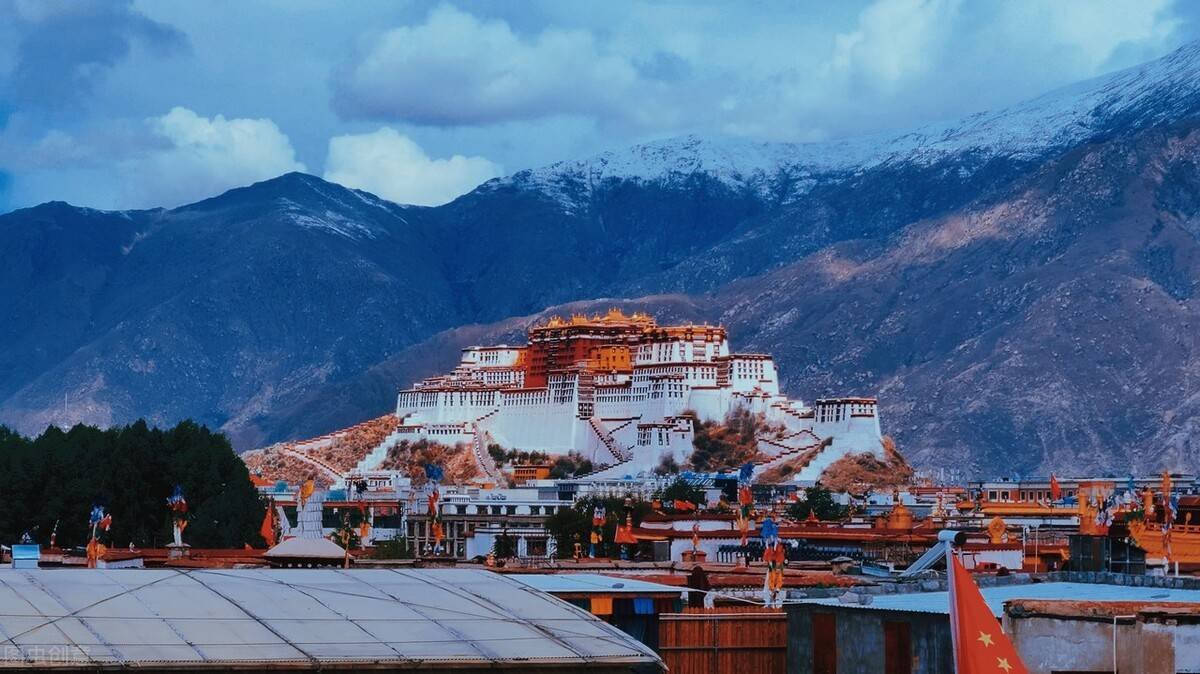
Day three brings you face to face with Lhasa’s most iconic landmarks. The morning is spent at the Potala Palace, a structure that dates back to 641 AD and served as the winter residence of the Dalai Lama. Its vast halls, golden Buddha statues, and the steady presence of devoted pilgrims make it one of the most extraordinary sites in Asia. The palace stands as a powerful symbol of Tibetan architectural brilliance and spiritual significance.
The afternoon takes you to Jokhang Temple, regarded as the spiritual heart of Tibet. Pilgrims travel from every corner of the region to worship here, and the atmosphere within its ancient corridors carries a palpable sense of devotion and faith.
The evening ends with a walk along Barkhor Street, a traditional pilgrimage route that circles the Jokhang Temple. The street doubles as a lively market, offering a chance to observe local life, interact with residents, and perhaps find a traditional Tibetan keepsake to take home.
After breakfast, the tour departs for Tsedang, situated in the fertile Yarlung Valley. This town holds a mythical place in Tibetan history and legend — it is believed to be where the first Tibetans originated, descended from a monkey and a demoness. Beyond its legendary status, Tsedang was central to the development of early Tibetan dynasties and remains a cornerstone of the country’s cultural identity.
Two remarkable sites are visited during this day:
Yumbulakang Palace is considered Tibet’s first palace. Its ancient halls are adorned with sculptures and paintings that tell the story of Tibet’s earliest history, giving visitors a vivid connection to the region’s distant past. Trandruk Monastery is home to one of Tibet’s most extraordinary religious artefacts — a Thangka made from 29,026 pearls. The monastery’s spiritual atmosphere and artistic heritage make it a genuinely memorable stop on the journey.
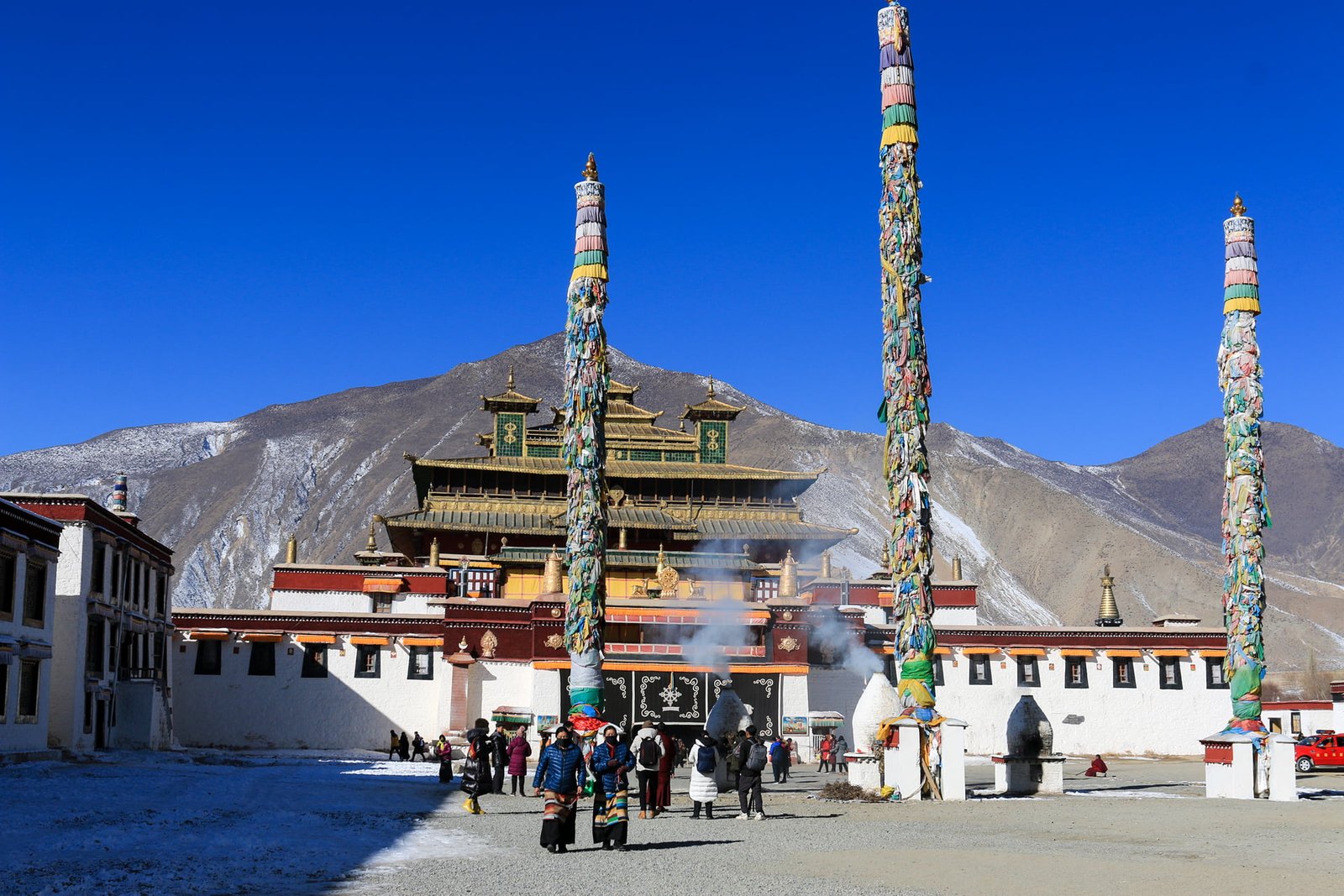
The fifth day involves a 40-kilometre drive from Tsedang to Samye Monastery, the first monastery ever built in Tibet. With a history spanning over a millennium, Samye is a remarkable blend of Tibetan, Han, and Indian architectural influences, and its layout is said to reflect Buddhist cosmology.
A couple of practical tips for your visit: bring a small flashlight, as some interior areas can be dimly lit, and do not be surprised to encounter friendly dogs roaming the monastery grounds — they are a well-known part of the experience there.
After exploring Samye, the tour returns to Lhasa, allowing time to reflect on the depth of history and spirituality encountered throughout the day.
The final morning in Lhasa is free for leisure — a last chance to stroll through the city, revisit a favourite spot, or simply take in the atmosphere one more time. When it is time to depart, your tour guide will arrange a smooth and comfortable transfer to either the airport or the train station, bringing your Tibetan journey to a relaxed and well-organised close.
Begin your journey in Tsedang, the birthplace of Tibetan civilization, where ancient history and legends blend seamlessly into everyday life. This tour offers a meaningful spiritual experience, allowing you to go beyond sightseeing and truly connect with the essence of Tibetan Buddhism and its living traditions. As you travel onward to Lhasa, you’ll explore the most important cultural and historical landmarks in a well-structured and enriching way—making it ideal for first-time visitors seeking a deeper understanding of Tibet.
Designed with comfort in mind, this journey is accessible for seniors, students, and travellers looking for a less physically demanding Tibet experience. With a balanced pace and manageable altitude, it ensures you can fully enjoy each destination without feeling rushed. Travelling outside the peak months also offers better value, with fewer crowds, lower costs, and a more experience, immersive atmosphere across Tibet’s sacred landscapes.
Here are our contact options for your convenience:
Feel free to reach out anytime!
Yes, you have the option to cancel your tailor-made tour. However, be aware that cancellation charges will be applied as per the Tour Tibet cancellation policy. For detailed information, please review our Terms and Conditions.
Arranging a tour in Tibet independently is not possible due to the mandatory Tibet Travel Permit. This essential document is a requirement for all foreign visitors traveling to the region and can only be obtained through a local travel agency authorized by the Tibet Tourism Bureau.
Absolutely! We encourage you to visit our office and discuss your travel plans directly with our experienced travel consultants. Together, we can create a tailor-made Tibet tour that suits your preferences and requirements.
After confirming your tour arrangements, a deposit of 20% of the total trip cost is required to secure your booking. This deposit can be made via PayPal, Credit Card, Western Union, or Wire Transfer. The remaining balance is due at the start of your tour.