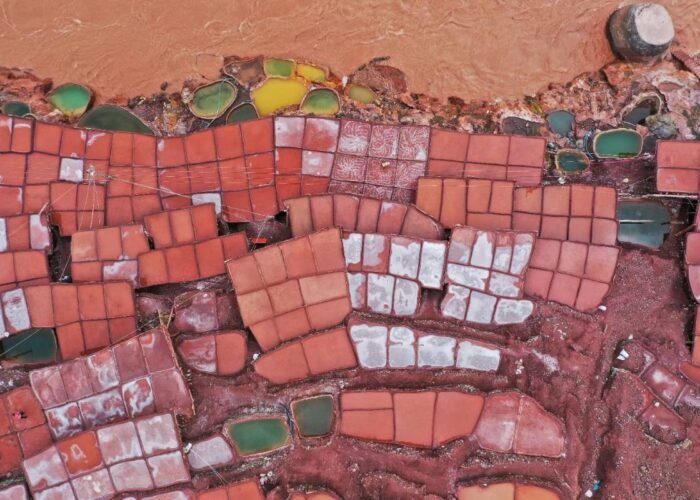
Traveling from Mangkang (Markham) County to Yanjing is more than a road trip—it is a journey through one of eastern Tibet’s most historically layered corridors. Stretching approximately 120 kilometers, this route follows the legendary Yunnan–Tibet Highway (National Highway 214) and traces an ancient artery of trade, belief, and cultural exchange along the Tea Horse Road.
Yanjing: The First Town of Tibet on the Yunnan–Tibet Highway
Yanjing holds a unique geographical and cultural position. It is widely regarded as the first small town encountered after entering Tibet from Yunnan, making it a historic gateway between regions. For centuries, Yanjing functioned as a crucial passage linking the Tubo Empire (Tibet Empire) with the Nanzhao Kingdom, and later became an essential route for transporting Pu’er tea from Yunnan into Tibet.
The town is traditionally divided into Upper Yanjing and Lower Yanjing, each reflecting distinct ethnic and religious identities:
- Upper Yanjing is primarily inhabited by Tibetans and is notable for its coexistence of Tibetan Buddhism and Catholicism, a rare cultural blend in Tibet.
- Lower Yanjing is dominated by the Naxi ethnic group, where Tibetan Buddhism and the Dongba religion are both practiced, preserving ancient ritual traditions.
This dual-town structure makes Yanjing a living example of cultural diversity shaped by trade and migration.
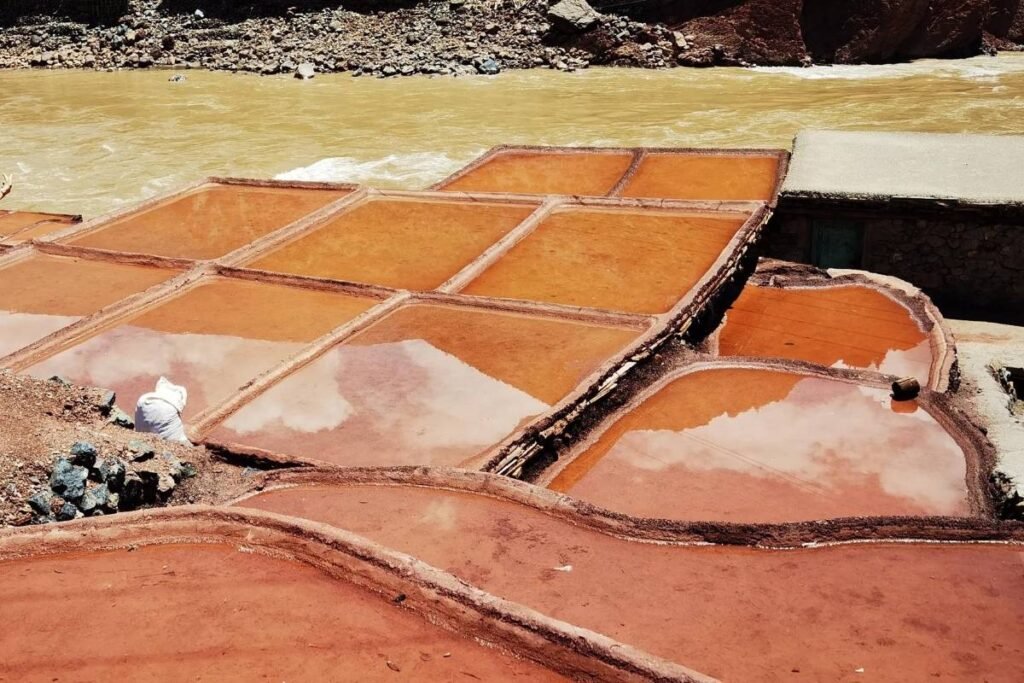
The Ancient Salt Industry of Lower Yanjing
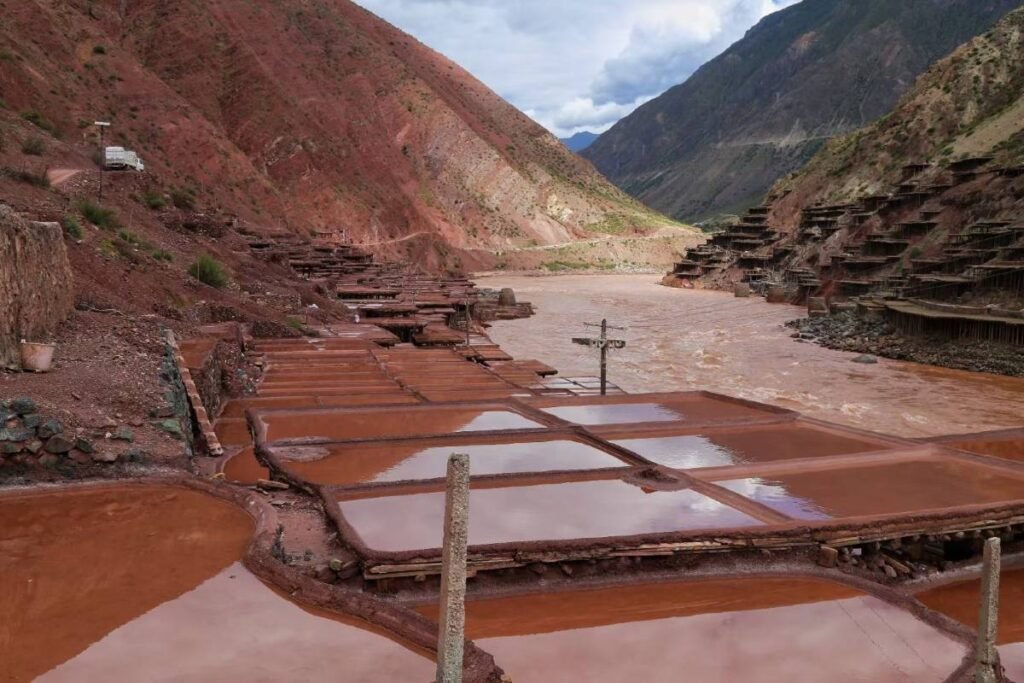
One of Yanjing’s most enduring traditions is its ancient salt production, especially concentrated in Lower Yanjing. Today, more than 70 households continue to produce salt using methods passed down through generations.
Yanjing salt has long been a vital commodity, historically traded across vast regions, including:
- Zogang, Mangkang, and Chayu (Zayul) in Tibet
- Deqin and Lijiang in Yunnan
- Batang and Litang in Sichuan
Salt was once as valuable as tea and horses along the Tea Horse Road, and control over salt resources often determined regional power. The salt fields of Yanjing are not only an economic heritage but also a symbol of survival and adaptation on the high plateau.
Yanjing in Epic History and Regional Conflicts
Yanjing’s strategic value made it a frequent site of historical conflict. One of the most famous stories appears in the Epic of King Gesar, Tibet’s greatest heroic saga. The Battle of Jiangling recounts a dramatic war over Yanjing’s salt ponds between King Gesar of Ling and the Naxi king, highlighting how essential salt resources were to political power.
During the Ming Dynasty, Yanjing was occupied by the Naxi Kingdom, and many residents today are believed to be descendants of Naxi soldiers who settled here during that era. This layered history explains why Yanjing retains such a strong Naxi cultural presence despite being located deep within Tibetan territory.
Yanjing and the Tea Horse Road Legacy
As a vital stop on the Ancient Tea Horse Road, Yanjing connected Yunnan, Tibet, and Sichuan, serving caravans that transported tea, salt, horses, and medicinal herbs across treacherous mountain routes. The town thrived as a supply point where traders rested, exchanged goods, and shared stories, languages, and beliefs.
This continuous movement of people helped shape Yanjing into a crossroads of ethnic cultures, religions, and economic systems, leaving behind a rich historical footprint still visible today.
Yanjing Historical and Cultural Exhibition Hall
To preserve and present this remarkable legacy, the China Tea Horse Road Tibet Yanjing Historical and Cultural Exhibition Hall was established along National Highway 214 in Yanjing Naxi Ethnic Township.
Covering an area of 1,500 square meters, the exhibition hall is divided into two main thematic sections:
The Ancient Road and Millennium Salt Fields
This section focuses on the Tea Horse Road, salt production techniques, and Yanjing’s role in regional trade networks.
Snow Land Jewel · Plateau Scenery
This section highlights the natural landscapes, ethnic cultures, and spiritual traditions of eastern Tibet.
The exhibition includes:
- 24 exhibition units
- Three large outdoor sculpture groups
- Over 400 historical photographs
- More than 150 cultural relics and historical objects
- Six modern display technologies, including multimedia, animation, electronic touchscreens, and film
- A designed exhibition route of approximately 160 meters, offering an immersive experience
The exhibition hall serves as an essential stop for travelers seeking to understand the deeper historical and cultural significance of Yanjing and the Tea Horse Road.
A Cultural Corridor Worth Exploring
The journey from Mangkang to Yanjing reveals how geography, trade, and belief systems shaped eastern Tibet. From ancient salt fields and epic battles to multicultural towns and modern museums, Yanjing stands as a powerful reminder of Tibet’s role as a bridge between civilizations rather than a remote frontier.
For travelers interested in Tibetan history, Tea Horse Road culture, ethnic diversity, and living traditions, Yanjing offers an experience that is both educational and deeply atmospheric—etched into the landscape and the lives of its people.