

A Vast Protected Landscape of Yanjing nature Reserve
The Yanjing Nature Reserve is one of Mangkang County’s most important ecological treasures. Covering an area of approximately 1,853 square kilometers, the reserve has a forest coverage rate of nearly 47.9 percent. Its terrain ranges dramatically, from river valleys at 2,300 to 3,000 meters to the towering Pengbola Mountain, which rises to 5,084 meters above sea level.
This variation in elevation creates a rich mix of ecosystems, supporting forests, alpine vegetation, and riverine habitats.
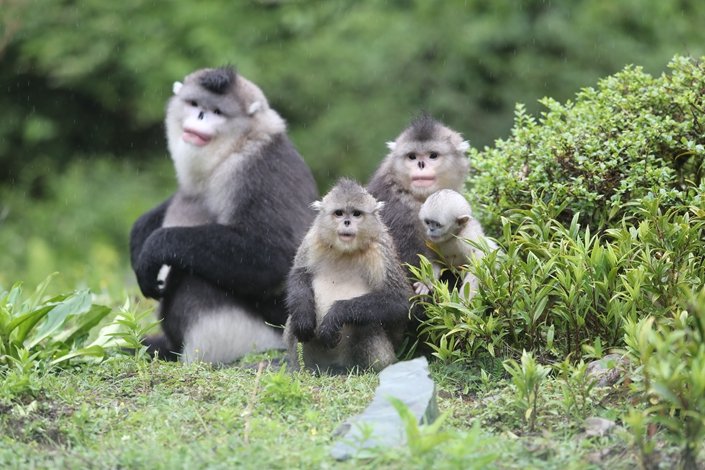
Home of the Yunnan Snub-Nosed Monkey
Yanjing Nature Reserve is best known as the “Home of the Snub-Nosed Monkey.” It protects nearly 50 species of wildlife listed under national and regional protection programs. Among them is the Yunnan snub-nosed monkey, a national first-class protected species and one of the rarest primates in the world.
The reserve also shelters other mammals, birds, and plant species that thrive in this relatively untouched environment, making it an ideal destination for nature lovers and wildlife enthusiasts.
Strategic Location and Pleasant Climate
Yanjing sits at a strategic crossroads where Tibet, Sichuan, and Yunnan meet, stretching along the banks of the Lancang River. The area borders Mangkang County to the north, Batang County in Sichuan to the east, Deqin County in Yunnan to the south, and Zogang County to the northwest.
With an average elevation of around 2,500 meters, Yanjing enjoys a surprisingly mild climate compared to many other parts of Tibet. Average annual temperatures typically range from 20°C to 25°C, creating comfortable conditions for travel, agriculture, and long-term settlement.
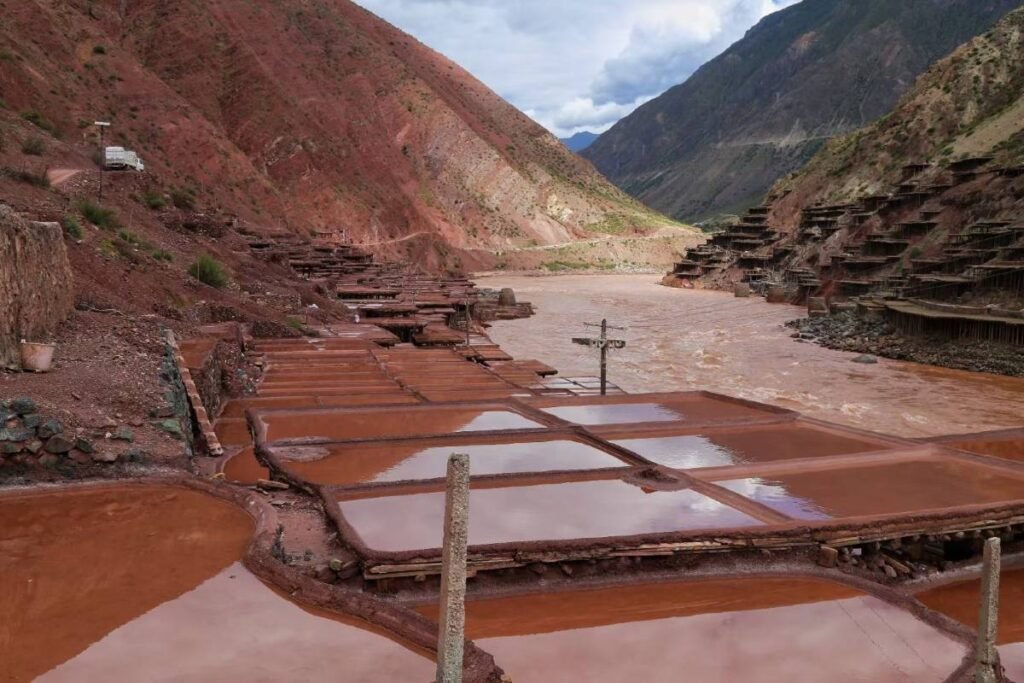
Exploring Yanjing, Along the Ancient Tea Horse Road
Yanjing salt town, Mangkang County, located in eastern Tibet, is a land where history, culture, and dramatic landscapes meet along the legendary Tea Horse Road. For centuries, this ancient trade route connected Tibet with Yunnan and Sichuan, leaving behind a rich legacy of cultural exchange and spiritual heritage.
Today, Mangkang offers travelers an impressive collection of attractions, including Tibetan cliff sculptures dating back to the time of Princess Wencheng, centuries-old salt fields, snow-capped mountains, deep river canyons, sacred monasteries, hot springs, and unique wildlife reserves. This diverse region is also home to Quka Hot Springs, Mangtso Scenic Area, Nigo Monastery, and even a historic Catholic church, reflecting its long history of cultural interaction.
Yanjing Salt Fields: An Ancient Salt-Making Tradition
The Meaning of Yanjing
The name “Yanjing” literally means “salt well.” In Tibetan, the area is known as Chakarlo, a name that reflects its long and uninterrupted history of salt production. For generations, salt from Yanjing has been an essential commodity along the Tea Horse Road, traded across Tibet and neighboring regions.
Natural Salt Springs of the Lancang River
Salt springs naturally emerge along the banks of the Lancang River, flowing through layers of Triassic red sandstone and conglomerate rock. These springs have an exceptionally high salt concentration, measuring about 30.7 grams per liter.
Over time, local residents expanded these natural salt springs, transforming them into an extensive and highly organized salt production system unlike any other in the world.
The Unique Structure of Yanjing Salt Fields
To harvest salt, workers construct square, flat-roofed wooden shelters over the salt springs. These structures are then sealed with a 10-centimeter-thick layer of impermeable red clay, forming what are locally known as “salt fields.”
Today, salt production is mainly concentrated in Naxi Township and Quka Township. More than 320 households are involved in salt making, managing over 3,000 individual salt fields across the region.
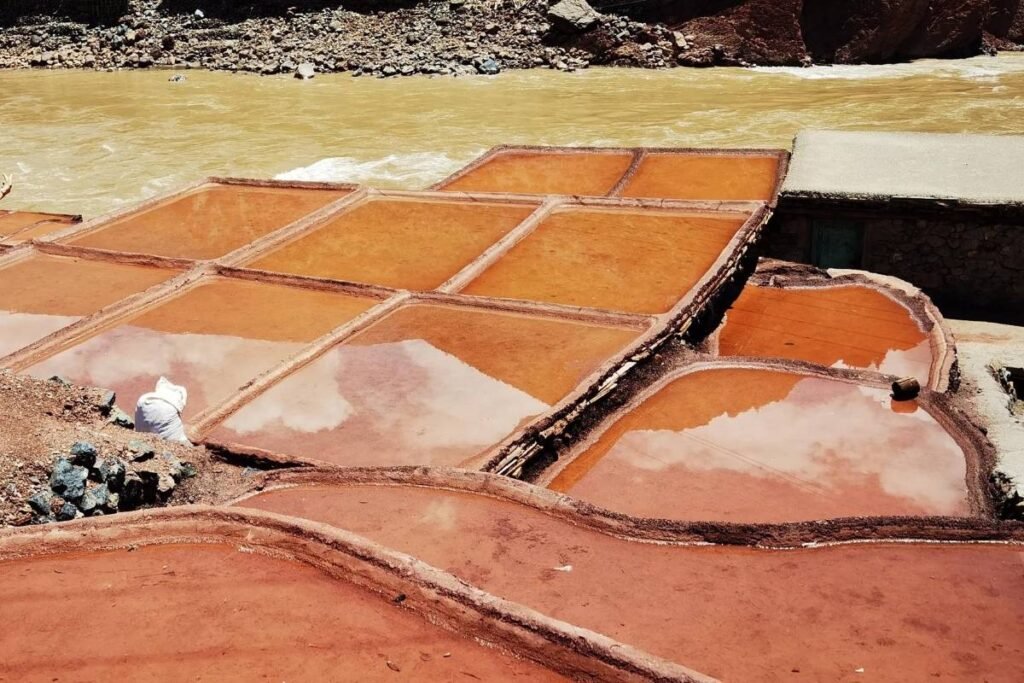
A Dramatic Landscape of Terraced Salt Fields
On the west bank of the Lancang River, more than 2,600 salt fields rise from the river’s edge up the mountainside in carefully arranged terraces. The sight resembles giant steps carved into the slope, shimmering under the sun.
On the east bank, where the terrain is steeper and narrower, salt fields cling tightly to the mountain face. These fields look like slim mountain paths suspended above the river, creating a breathtaking and almost surreal landscape.
Traditional Salt Production Methods
Dozens of salt wells, each around five to six meters deep, line the riverbanks. Warm steam often rises from their openings, surrounding them in a mysterious mist.
Salt brine is drawn from caves along the river and carried in buckets to salt fields built on wooden platforms, sometimes several stories high. The brine is first clarified in salt pools before being poured into the salt fields for natural evaporation. Once the water has fully evaporated, salt crystals are collected by hand, producing the well-known Tibetan salt, prized for its purity and traditional value.
This centuries-old method of salt production remains one of the most unique and visually striking salt-making techniques found anywhere in the world.