
Zhada Earthen Forest: Discover Tibet’s Extraordinary Natural Earth Forest in Ngari
If you are a nature enthusiast or a traveler searching for extraordinary landscapes, the Zhada Earthen Forest in the Ngari Region is a destination that deserves a place on your travel list. This spectacular natural formation is widely regarded as a masterpiece shaped by the forces of nature.
Often described as one of the most remarkable geological landscapes, the Zhada Earthen Forest stands out for its dramatic formations and vast scale. Its unique terrain creates a surreal landscape that attracts geologists, photographers, and travelers who are eager to witness one of the most extraordinary natural wonders in Tibet.
This remarkable site offers a fascinating combination of geological significance, striking scenery, and ancient cultural heritage.
A Geological Marvel in Western Tibet
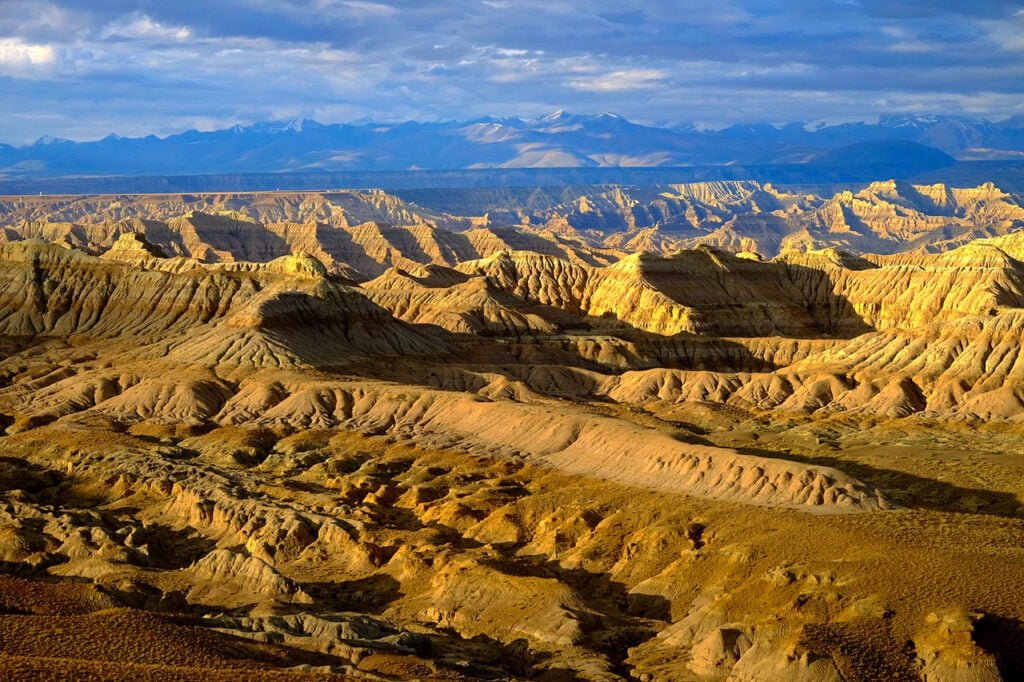
The Zhada Earthen Forest lies near the Langchen Tsangpo, widely known as the Indus River. The landscape spreads across an enormous area of around 5,000 square kilometres, while its core scenic region covers approximately 800 square kilometres.
Among the most impressive parts of this vast terrain are Zhada Gully and Sangda Gully, which showcase the most spectacular earthen formations in the region. These dramatic gullies reveal towering pillars, deep valleys, and unique earth structures that form the most iconic views of the landscape.
Recognizing its geological importance and tourism value, the area was designated as a National Geographic Park in 2005, highlighting its significance as a natural heritage site.
The Powerful Forces that Shaped the Landscape
The formation of the Zhada Earthen Forest is closely linked to the uplift of the Himalayas. Powerful orogenic movements caused ancient lakebeds in the region to rise gradually, creating the foundation for the distinctive terrain seen today.
Over long periods, natural forces such as water erosion, wind action, and weathering sculpted the land into the dramatic earthen formations that define the landscape.
Walking through these narrow clay valleys feels like entering a forgotten kingdom. The towering pillars and intricate shapes create a landscape that feels both mysterious and majestic, blending stark desolation with breathtaking beauty.
Discovering Zhada County
The Zhada County is located within the Ngari Prefecture. In Tibetan, the name Zhada means “the place where there is grass in the lower reaches of the river.”
This historic region is also home to the famous Tholing Monastery and the ancient ruins of the Guge Kingdom.
As travelers enter Zhada County, they are greeted by long stretches of clay forests rising on both sides of the Elephant Spring River. These formations extend for more than five kilometres, creating a spectacular natural corridor.
The shapes of the clay pillars appear almost alive. Some resemble warriors guarding mountain passes, others look like galloping horses, while some resemble monks deep in meditation. Each viewpoint offers a new and captivating perspective of this remarkable terrain.
Unique Geological Features of the Zhada Earthen Forest
Geologists classify the Zhada Earthen Forest as a type of “Level Terrane Physiognomy.” This landform developed mainly through the erosive power of water acting on layers of sediment.
The sedimentary structure in this region consists largely of sandstone and clay, which contributes to the unusual shapes found across the landscape.
The upright formations, combined with the strength of sandstone layers, have created dramatic valleys and deep canyons. In some areas, these valleys reach depths of 100 to 200 meters, giving the terrain a powerful and striking appearance.
These geological features make the Zhada Earthen Forest one of the most fascinating natural landscapes in western Tibet.
Ancient Caves and the Legacy of Early Civilizations
Beyond its geological importance, the Zhada Earthen Forest also preserves traces of ancient human activity.
During the time of the Shang Shung Kingdom and the Guge Kingdom, people used the clay cliffs of this region to carve caves for living spaces.
Today, more than 400 ancient caves created by Tibetan ancestors can still be seen within the clay forest. These caves form an intriguing historical complex that reflects the ingenuity of early inhabitants who adapted to the unique environment of western Tibet.
How to Reach the Zhada Earthen Forest
Traveling to the Zhada Earthen Forest is an exciting journey through the remote landscapes of western Tibet.
Visitors can begin their trip from Sengge Tsangpo, traveling approximately 255 kilometres toward Zhada County.
A common option is to hire a vehicle for a three- or four-day round trip, which typically costs around 800 yuan per day. This allows travelers to explore the dramatic scenery of the region at a comfortable pace.
The earthen forest is located close to the county seat of Zhada County, and in some areas it can even be reached on foot.
Exploring the Zhada Earth Forest Landscape
The Earth Forest landform in Zhada represents an extraordinary display of natural craftsmanship. The landscape features many different types of formations, each with its own unique character.
Some sections display large and dramatic earth pillars, while others present more delicate shapes carved by erosion. These formations reveal the dynamic changes that have shaped the terrain over thousands of years.
Among the most fascinating formations are structures resembling Aquarius-style earth forests and nose-shaped soil forests, reflecting the incredible diversity of shapes created by natural forces in this remarkable region of Tibet.
A Landscape Shaped by Legends and Science
The remarkable landscape of the Zhada Earthen Forest is often associated with fascinating local legends. According to traditional stories, the Zanda region was once submerged beneath a vast ocean. While this may sound mythical, scientific research provides a similar explanation rooted in geology.
Studies show that the area was once covered by a massive ancient lake stretching more than 500 kilometres in radius. Over time, the powerful Himalayan orogeny caused the lake basin to rise gradually. As the land elevated, the water level slowly declined, exposing layers of rock and sediment.
Once exposed, these rocks were shaped by wind, rain, and long-term erosion, eventually forming the extraordinary earth pillars, valleys, and ridges that define the landscape today.
The Geological Marvel of Earth Forests
From a geomorphological perspective, the Earth Forest is known as a horizontal rock formation. This distinctive terrain represents a secondary landform created primarily by the erosion of water.
The geological layers consist of sedimentary deposits from Pliocene lakes and rivers, reaching depths of up to 800 meters. The rock composition mainly includes fine siltstone and claystone, occasionally mixed with coarse sandy conglomerate.
The harder sandstone and conglomerate layers often act as protective caps. These dense layers rest horizontally above softer rock surfaces or extend outward from cliff faces. Their interaction with softer sediments produces tall and dramatic formations.
Over time, this process has created towering rock structures and vividly coloured cliffs that resemble ancient castles, city walls, and watchtowers across the landscape of Zhada County.
A Living History within the Earth Forest
The Zhada Earthen Forest is not only a geological wonder but also an important historical site.
During the periods of the Zhangzhung Kingdom and the Guge Kingdom, people carved caves into the cliffs of the earth forest to create homes and settlements.
Today, more than 400 ancient caves built by Tibetan ancestors remain within the landscape. Many of these caves are located in the Xiangquan River Basin, forming a complex network of ancient dwellings.
These cave structures reflect the ingenuity of early inhabitants who adapted to the dramatic terrain of western Tibet.
Nature’s Imagination Unleashed
Walking through the earth forest feels like stepping into a landscape shaped by imagination. The hills appear like towering castles, while deep ravines cut across the terrain in dramatic lines.
From different angles, the rock formations resemble many shapes. Some look like soldiers standing in formation, others resemble officials gathering before an emperor, while certain cliffs appear like galloping animals or ancient totems.
Every section of the Zhada Earthen Forest offers a new visual experience, allowing visitors to interpret the shapes through their own imagination.
Travel Tips for Visiting Zanda Tulin National Geopark
Location
The Zanda Tulin National Geopark is located within Zhada County. The geopark lies near the border of Purang County to the east and the region of Kashmir to the west.
To the south lies the majestic Himalayas, while the northern boundary is defined by Ayila Mountain and Gar County.
The main geological highlights of the park are its extensive soil and earth forest landforms.
Accessibility
The geopark is located about 1,500 kilometres from Lhasa and approximately 280 kilometres from Shiquanhe Town, the administrative centre of Ngari Prefecture.
Visitors can travel to the site via a well-maintained asphalt road, making the journey relatively convenient despite the remote location.
Frequently Asked Questions (FAQs)
What is the significance of the Zhada Earthen Forest?
The Zhada Earthen Forest is considered one of the most remarkable geological landscapes in China. Its unique terrain and exceptional scientific value led to its designation as a National Geographic Park in 2005.
How did the Zhada Earthen Forest form?
The formation of the earth forest is closely linked to the uplift of the Himalayas. As the region rose, an ancient lake gradually disappeared. The exposed sediments were then shaped by water erosion, wind, and weathering, creating the dramatic landforms visible today.
What else can visitors see in Zhada County?
Apart from the spectacular earth forest landscape, visitors to Zhada County can explore the historic Tholing Monastery and the ancient ruins of the Guge Kingdom.
Travelers can also see the fascinating clay formations that stretch along the Elephant Spring River.
What is the geological classification of the Zhada Earthen Forest?
Geologists classify the terrain as Level Terrane Physiognomy, a landform created through the erosion of sedimentary layers composed mainly of sandstone and clay.
How can travelers reach the Zhada Earthen Forest?
Visitors can travel from Sengge Tsangpo and cover approximately 255 kilometres to reach the site. Many travelers hire a vehicle for a three- to four-day journey, with an average cost of about 800 yuan per day. The earth forest is located close to the Zanda County seat, and some sections can even be reached on foot.