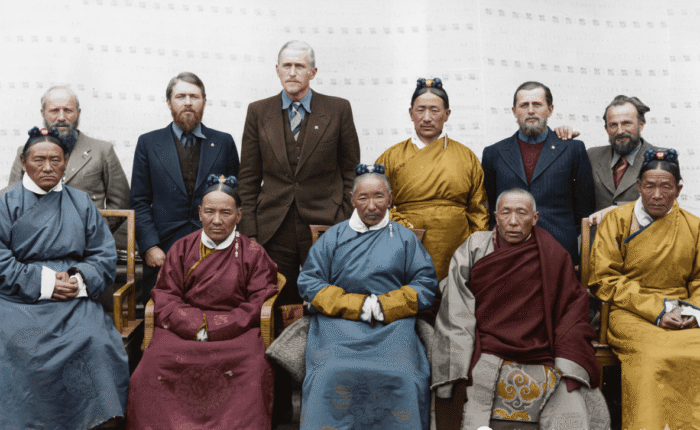
In the mid-17th century, the rise of the Ganden Phodrang government marked a turning point in Tibet’s political and cultural history. Tibet entered a period of centralized administration led by the Dalai lama institution. Amid this transformation, one issue drew immediate attention — the lack of standardized official clothing. During major ceremonies, Tibetan and Mongolian...Read More
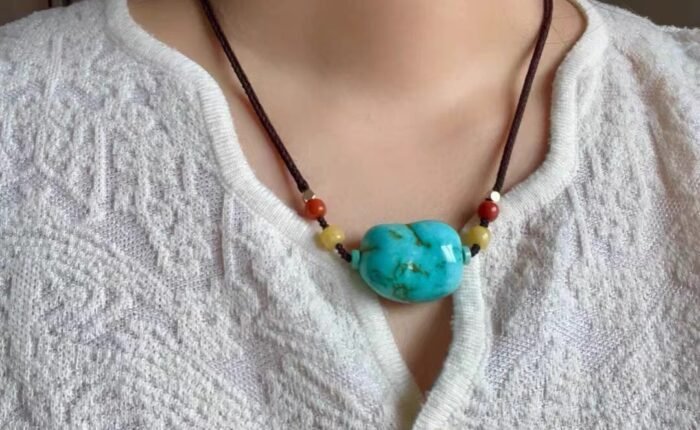
Used in amulets, crowns, and prayer adornments, turquoise reflects the artistic spirit of the Himalayan region and spiritual pathways rooted in Vajrayana.Read More
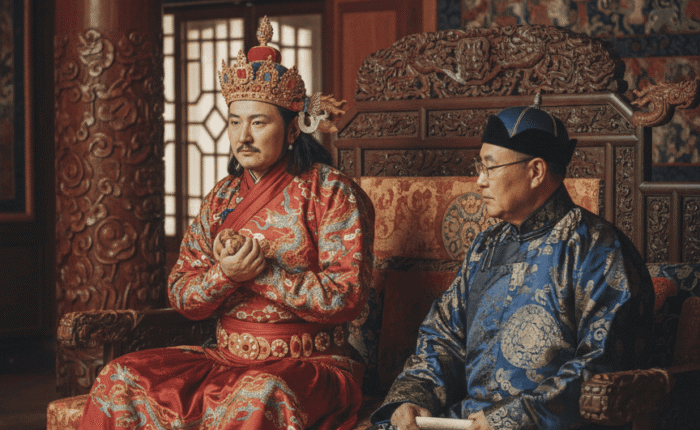
Tugh Temur (1304–1332), Mongolian: ᠲᠦᠪᠲᠡᠮᠦ known posthumously as Emperor Wenzong of the Yuan dynasty, was one of the most politically active rulers of the Mongol Empire’s later period. Bearing the Mongolian khan title Jayaγatu Khan, he became the eighth emperor of the dynasty and ruled twice—first from 1328 to 1329, and again from 1329 until his...Read More