Tibet to Nepal or Nepal to Tibet: Which Route Is Better?
When planning a journey between Nepal and Tibet, travelers usually consider two options: traveling from Nepal to Tibet or from Tibet to Nepal. Choosing the right direction can make a big difference in time, comfort, and overall experience. Based on practical factors, the Tibet to Nepal route is widely considered the better option.
Save Time by Traveling from Tibet to Nepal
Time is an important factor when organizing an overland journey across the Tibetan Plateau. Traveling from Nepal to Tibet requires extra waiting time due to visa procedures.
To enter Tibet from Nepal, travelers must obtain a Chinese group visa in Kathmandu. This process takes around three working days and can only be arranged through a travel agency. As a result, you need to stay in Kathmandu for at least three days before starting your Tibet tour.
In contrast, starting your journey from Tibet avoids this delay, making the Tibet to Nepal route more time-efficient and convenient.
Altitude Changes and Acclimatization Matter
The Tibetan Plateau, often called the “Roof of the World,” has an average elevation of around 4,500 meters. Nepal, on the other hand, sits at a much lower altitude.
Traveling from Kathmandu to Lhasa involves a rapid ascent, which increases the risk of altitude sickness. The journey quickly climbs from around 1,400 meters in Kathmandu to higher elevations in Tibet, giving your body less time to adjust.
When traveling from Tibet to Nepal, the process is reversed. You begin in high-altitude areas such as Lhasa and gradually descend toward lower elevations. This allows your body to acclimatize more naturally and reduces the risk of altitude-related discomfort.
Entering Tibet via Gyirong Port
Travelers entering Tibet from Nepal cross the border through Gyirong Port. From there, the journey continues through Gyirong County and beyond.
- Kathmandu: 1,400 meters
- Gyirong Port: 1,850 meters
- Gyirong Town: 2,700 meters
Most itineraries include a short stay in Gyirong Town before heading toward higher destinations like Everest Base Camp or Mount Kailash.
However, the rapid increase in altitude becomes more noticeable as you continue:
- Everest Base Camp: around 5,200 meters
- Gawula Pass: 5,211 meters
- Tingri: about 4,348 meters
This steep climb over a short distance can be physically challenging, especially without proper acclimatization.
A Gradual and Safer Journey from Lhasa
Starting from Lhasa allows for a more gradual ascent and better altitude adjustment. Travelers usually spend a few days in Lhasa before heading west across Tibet.
The route typically includes stops at:
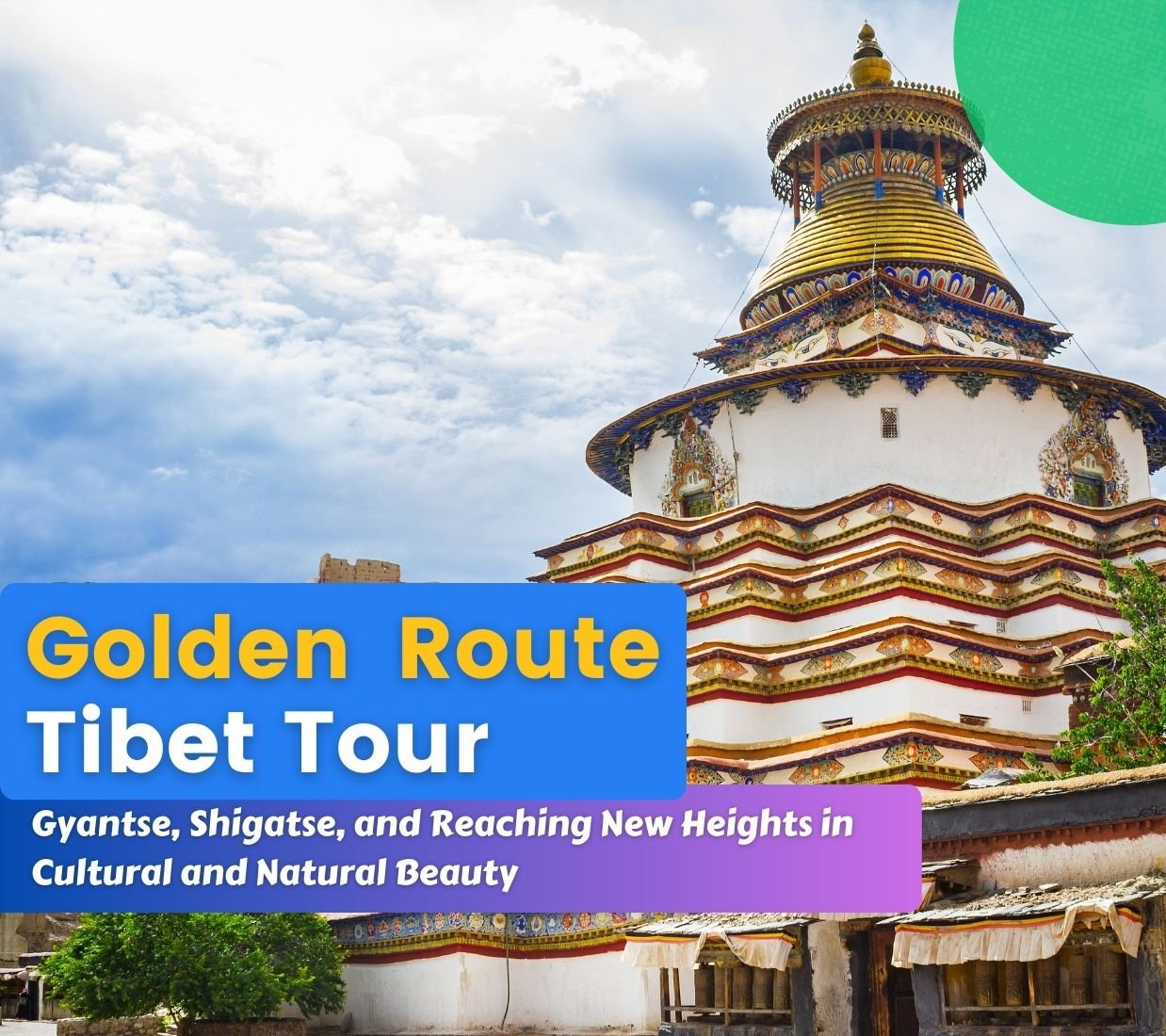
- Gyantse (3,977 meters)
- Shigatse (3,900 meters)
- Tingri (around 4,390 meters)
By the time you reach Everest Base Camp, your body is better prepared for high altitude. After visiting these high نقاط, the journey continues toward Nepal with a steady descent, making the overall experience smoother and safer.
Better Experience at Everest Base Camp
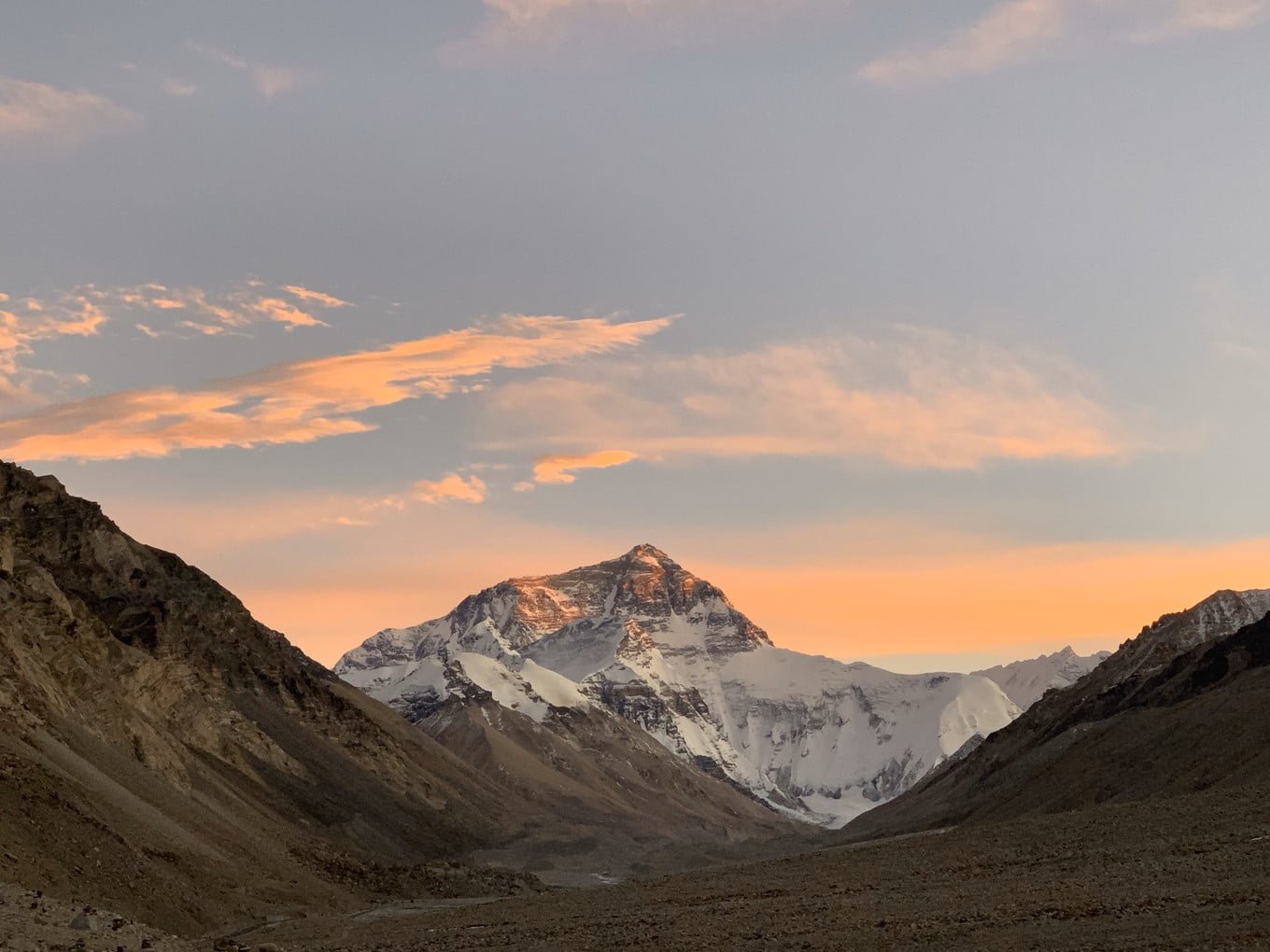
Traveling from Tibet to Nepal gives you more flexibility at Everest Base Camp. Since you are already acclimatized, you can stay overnight at the base camp.
This allows you to enjoy:
- Stunning sunset and sunrise views over the Himalayas
- Clear night skies filled with stars and the Milky Way
- A stay in traditional tent guesthouses near the base camp
On the other hand, travelers coming from Nepal usually cannot stay overnight at Everest Base Camp due to limited acclimatization time. Instead, they visit briefly and continue to Tingri the same day, missing some of the most memorable experiences.
Mount Kailash Tours Are Easier from Tibet
For those planning a pilgrimage to Mount Kailash, starting from Tibet offers more flexibility and better tour options.
Travel routes from Lhasa can include extended journeys to Mount Kailash, passing through places like Zhongba County and Lake Manasarovar. These routes are more accessible and often more cost-effective.
In contrast, organizing a Mount Kailash tour from Kathmandu is more complex and expensive, as it requires additional arrangements and longer travel distances.
Flexible and Scenic Travel Routes
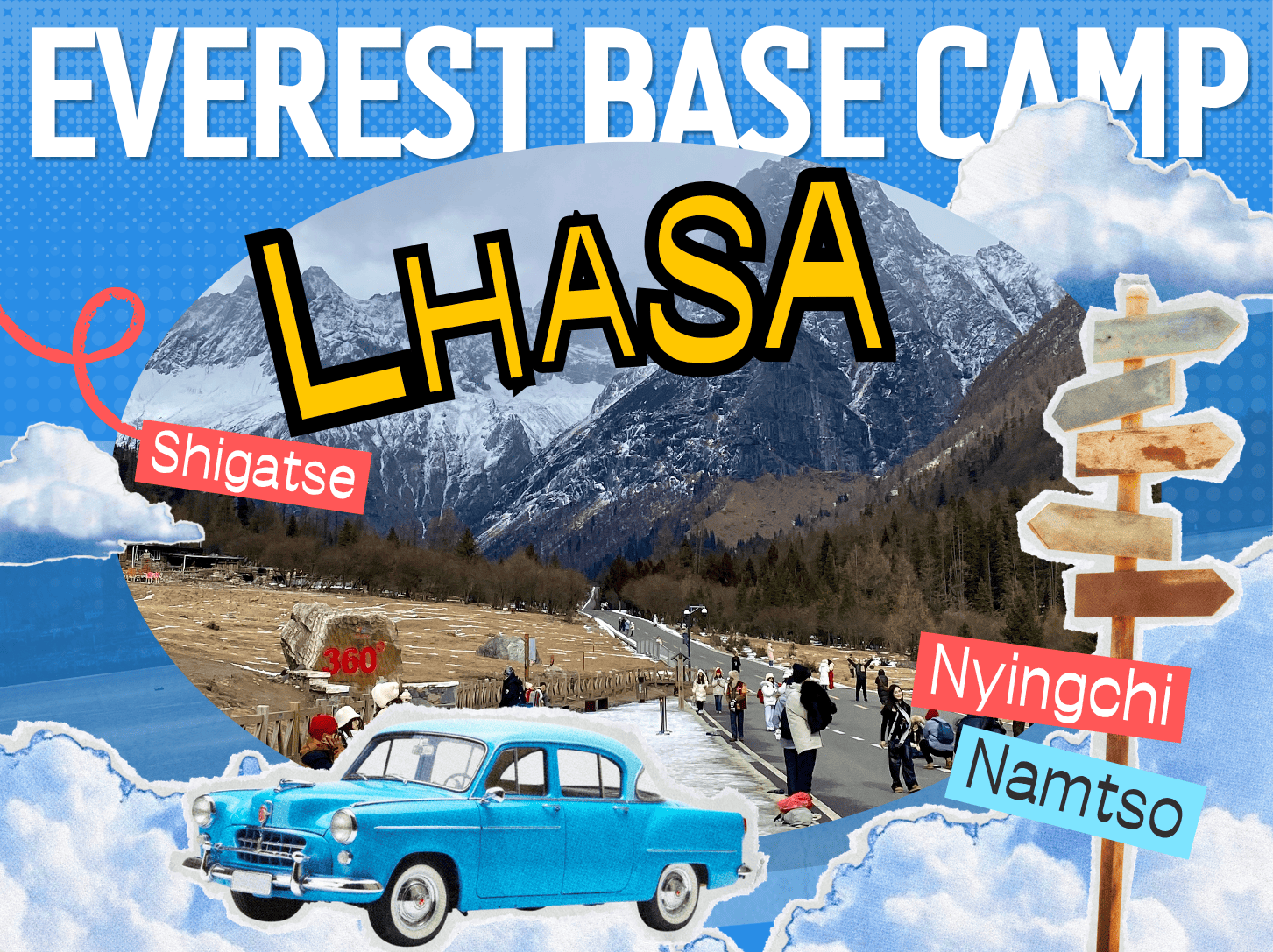
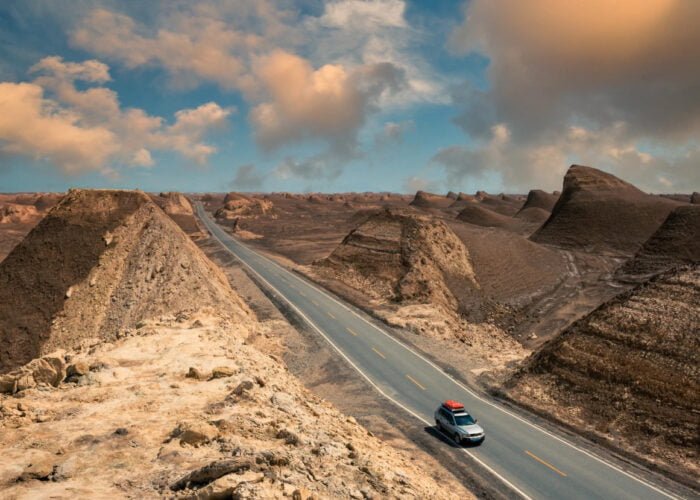
The overland route from Lhasa to Kathmandu is one of the most scenic journeys in the region. Covering over 1,270 kilometers, it passes through some of Tibet’s most iconic landscapes.
Key stops along the way include:
- Lhasa
- Gyantse
- Shigatse
- Everest Base Camp
- Gyirong
This route offers diverse scenery, from high mountain passes to vast plateaus and deep valleys, making the journey itself a highlight.
A Popular Route for Cycling Enthusiasts
Cycling from Lhasa to Kathmandu is considered one of the most remarkable long-distance cycling routes in the world. The route offers breathtaking views and a gradual descent, making it more manageable for cyclists.
Cycling in the opposite direction—from Kathmandu to Tibet—is far more difficult. Road conditions near the border and the steep uphill climb make it impractical and physically demanding.
Additionally, travelers entering Tibet must spend time acclimatizing in Gyirong County before continuing, which limits flexibility for cyclists starting from Nepal.
Why Tibet to Nepal Is the Better Choice
Choosing the Tibet to Nepal route offers clear advantages:
- Saves time by avoiding visa delays in Kathmandu
- Allows gradual acclimatization to high altitude
- Provides better access and experience at Everest Base Camp
- Makes Mount Kailash tours easier and more affordable
- Offers more flexible and scenic travel routes
- Supports smoother cycling and overland journeys
For travelers planning to cross the Himalayas, starting in Lhasa and ending in Kathmandu provides a more comfortable, efficient, and rewarding travel experience.