The Concept of Buddha mother in Tibetan Buddhism
The concept of Buddha mother carries both historical and profound philosophical significance in Tibetan Buddhism. In its earliest sense, the term referred to Queen Maya, the biological mother of Siddhartha Gautama (the historical Buddha), and Mahaprajapati, his aunt who raised him after Maya’s passing. These women are honored as the physical and nurturing mothers of the Buddha.
However, as Buddhist philosophy developed, the meaning of Buddhamother expanded far beyond biological motherhood. In doctrinal Buddhism, Buddhamother represents the source of enlightenment itself, symbolizing Dharma nature, ultimate truth, and transcendent wisdom. She is not merely the mother of one Buddha, but the origin from which all Buddhas arise.
Buddhamother as the Embodiment of Dharma and Wisdom
In Mahayana and Tibetan Buddhist thought, Buddhamother is closely associated with Prajñā (wisdom). Wisdom is what gives rise to awakening, making it the true “mother” of Buddhahood. For this reason, the Buddhamother is often described as the personification of Buddhist philosophy, embodying emptiness (śūnyatā), compassion, and enlightened awareness.
Rather than representing a single historical figure, Buddhamother symbolizes the feminine principle of wisdom that nurtures realization and liberation. This understanding elevates the role of feminine energy within Tibetan Buddhism, placing it at the very heart of spiritual awakening.
Buddhamother in Vajrayana (Tantric Buddhism)
In Vajrayana Buddhism, the concept of Buddhamother becomes even more central and explicit. Vajrayana views the Dharma itself as the Buddhamother, because it teaches the path that leads beings to enlightenment. Since the Dharma gives birth to realization, it is revered as the mother of all Buddhas.
One of the most important representations of Buddhamother in Vajrayana is Prajñāpāramitā, the Perfection of Wisdom. She is regarded as the ultimate Buddhamother, because all Buddhas arise from the realization of wisdom and emptiness. In tantric imagery, Buddhamother is typically depicted in female form, often as a serene or dynamic female Bodhisattva.
These female figures are not symbolic ornaments; they are active manifestations of wisdom, inseparable from compassion and method in Vajrayana practice.
The Feminine Form of Enlightenment in Tibetan Buddhism
In Tibetan Buddhism, enlightenment is often expressed through the union of method and wisdom, with wisdom commonly represented as female. The Buddhamother embodies this wisdom aspect, while male deities often represent compassionate action or skillful means.
This symbolism highlights the indispensable role of the Buddhamother: without wisdom, enlightenment cannot arise. Thus, female deities are not secondary figures but are foundational to Vajrayana philosophy and practice.
Iconography of Buddhamother in Tibetan Thangka Art
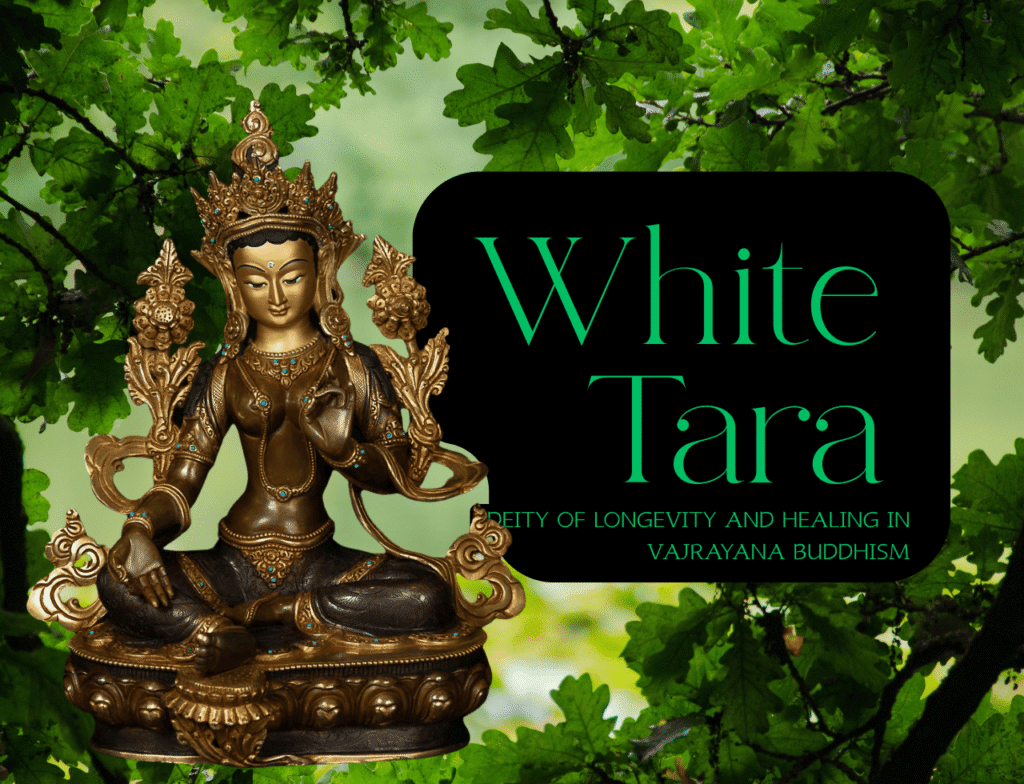
Traditional Thangka paintings offer a rich visual language to express the qualities of Buddhamother. According to the Making Buddha Image Measurement Sutra (Supplementary), Buddhamother is depicted as a beautiful sixteen-year-old maiden, symbolizing perfect balance, vitality, and spiritual maturity.
Her iconographic features often include:
- A calm, radiant facial expression
- Harmonious body proportions
- Graceful posture reflecting wisdom and compassion
- Elegant ornaments symbolizing spiritual qualities
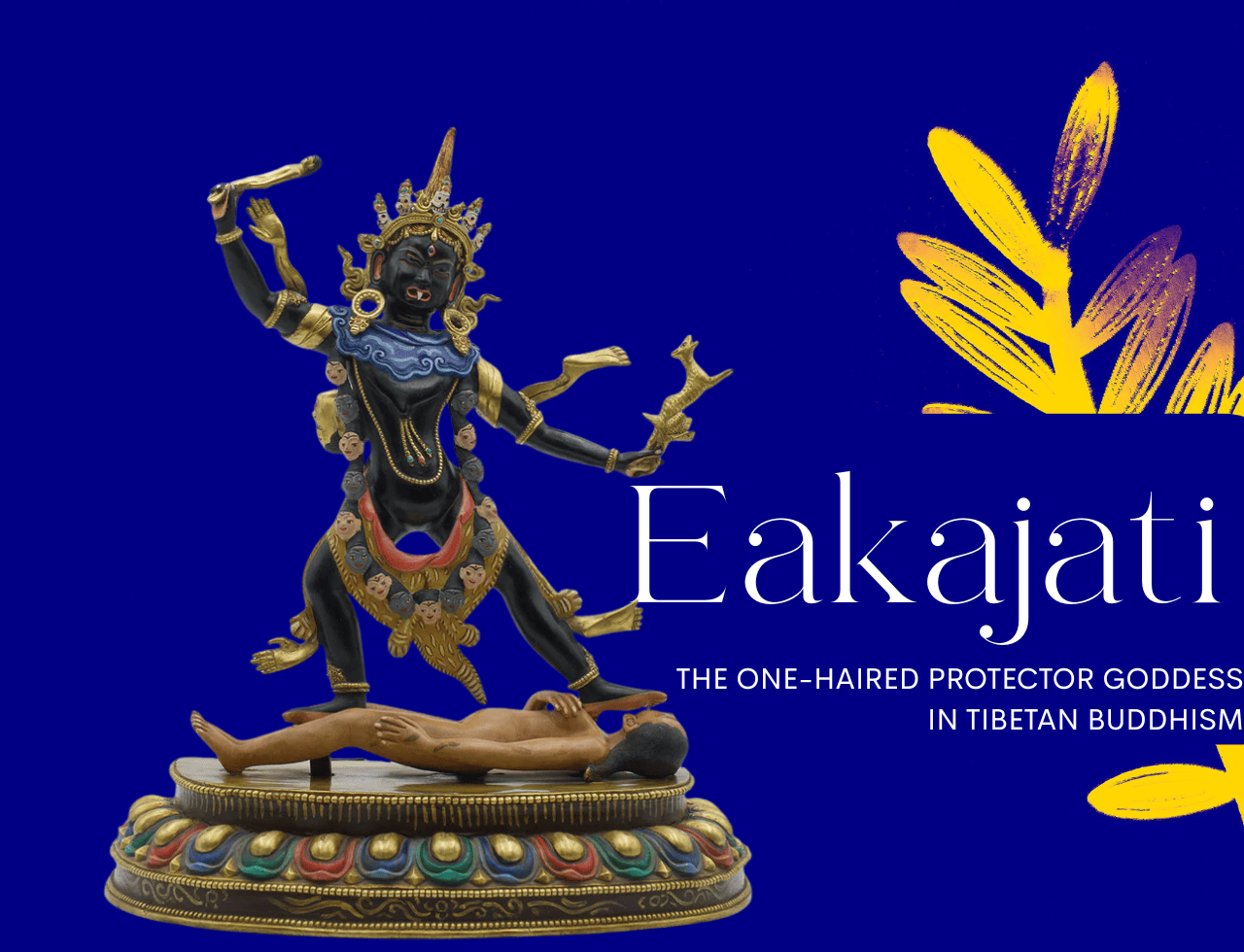
In contrast, the consort of a male deity, sometimes called the Ming Consort, shares similar physical beauty but may appear with wrathful attributes, such as skull crowns, bone ornaments, or animal skin garments. These elements represent the fierce transformation of ignorance and ego into wisdom.
Symbolic Differences Between Buddhamother and Consort Figures
While Buddhamother and tantric consorts may appear visually similar, their symbolic roles differ. The Buddhamother primarily represents primordial wisdom and the source of enlightenment, while consorts emphasize the union of wisdom and method within tantric practice. Both play crucial roles, but Buddhamother remains the ultimate origin of realization.
Prominent Buddhamothers in Tibetan Thangka Paintings
Tibetan Thangka art features a wide range of Buddhamothers, each expressing unique aspects of enlightened feminine energy. Some of the most revered Buddhamothers include:
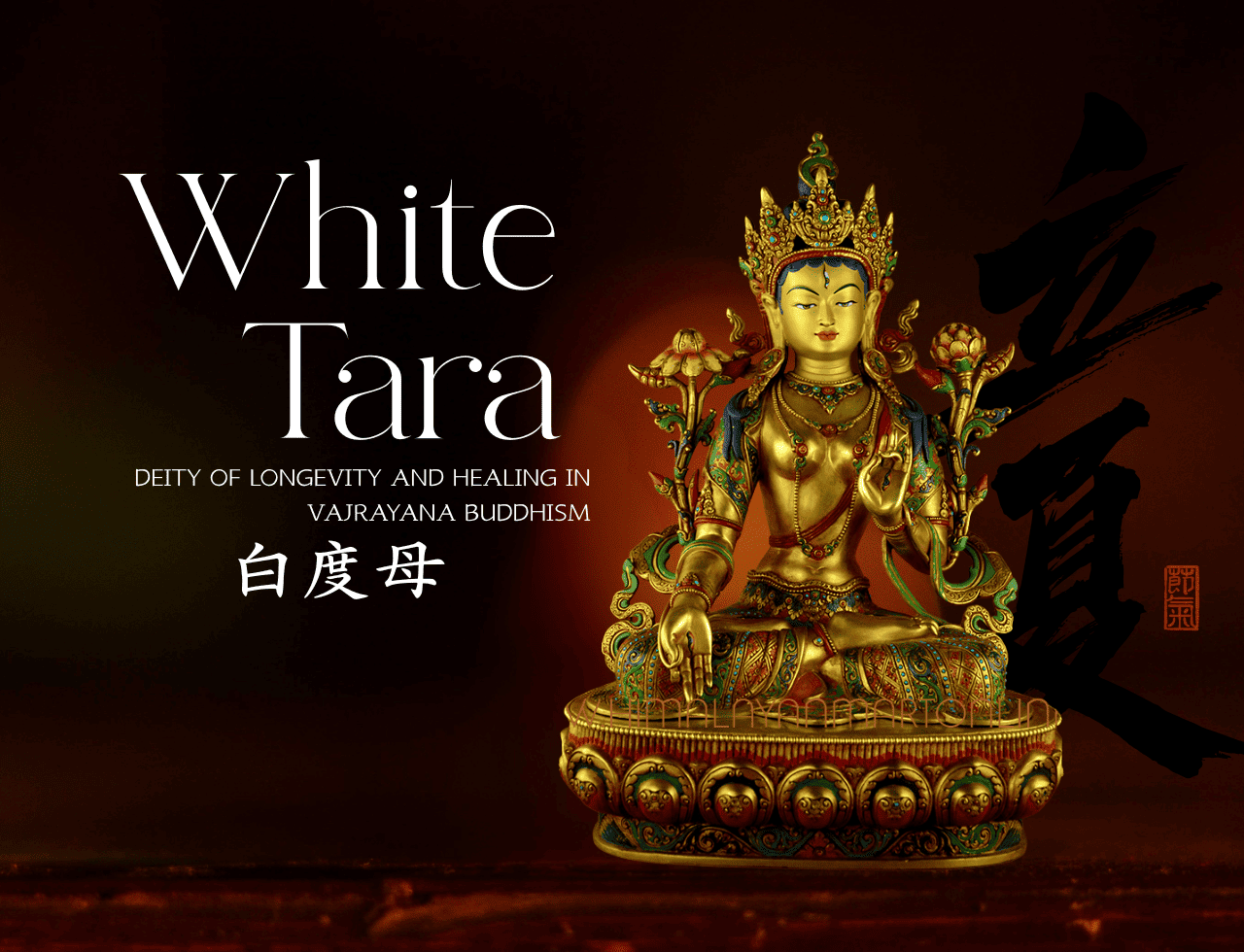
- White Tara – Buddhamother of longevity, healing, and serenity
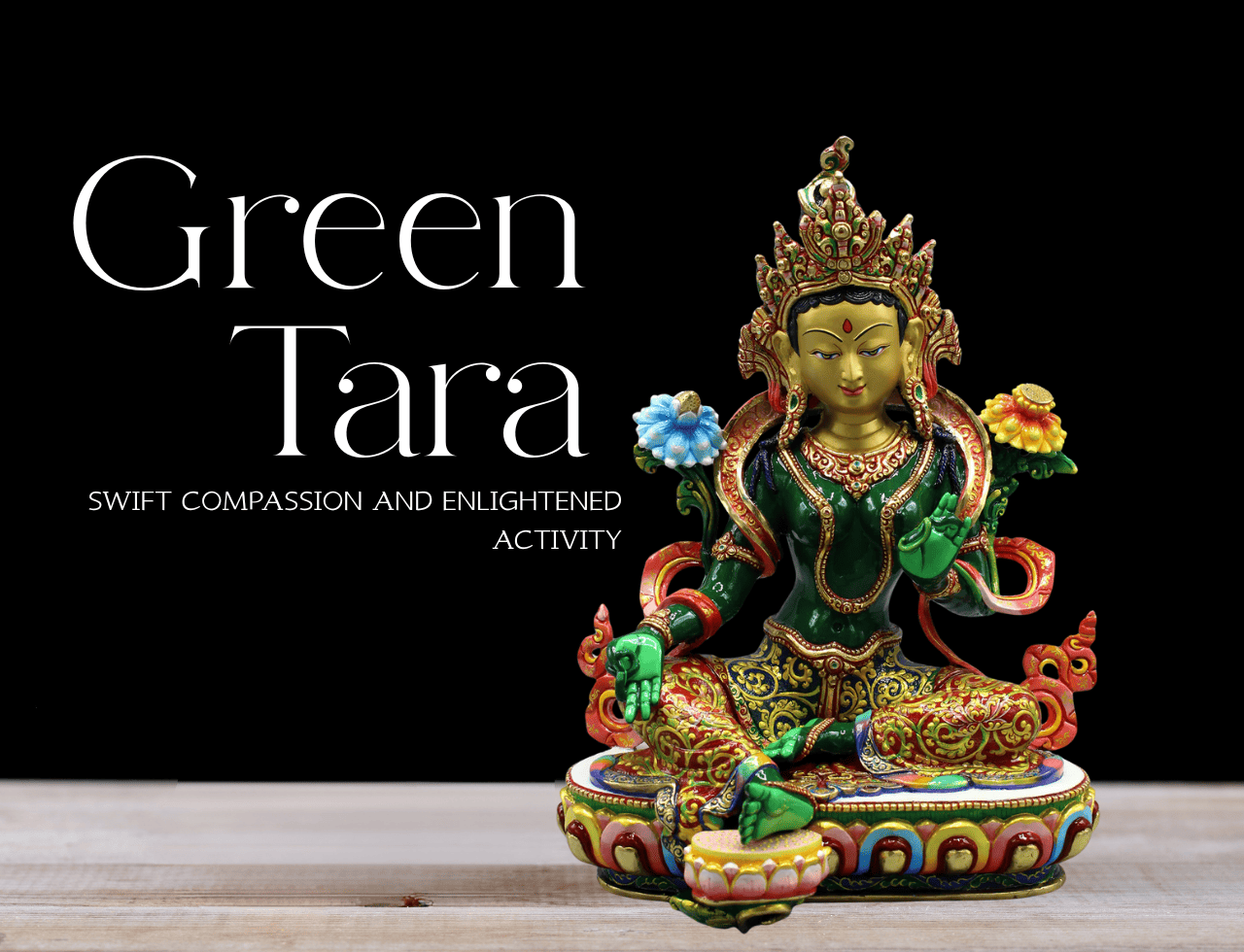
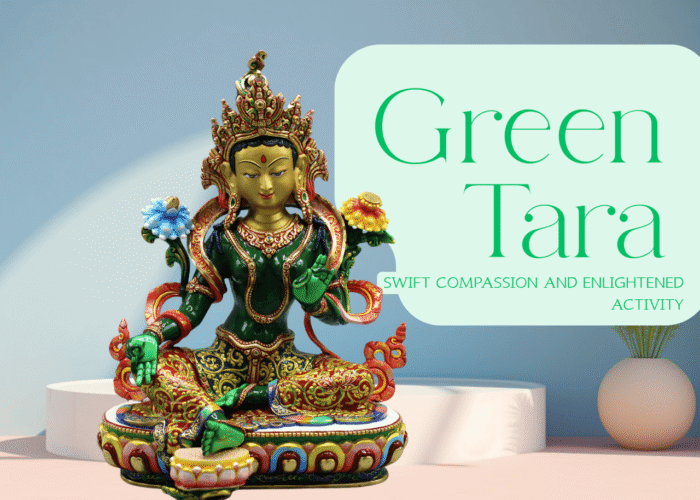
- Green Tara – Swift protector and compassionate savior
- Tara Who Saves from the Eight Great Dangers – Guardian against fear and calamities
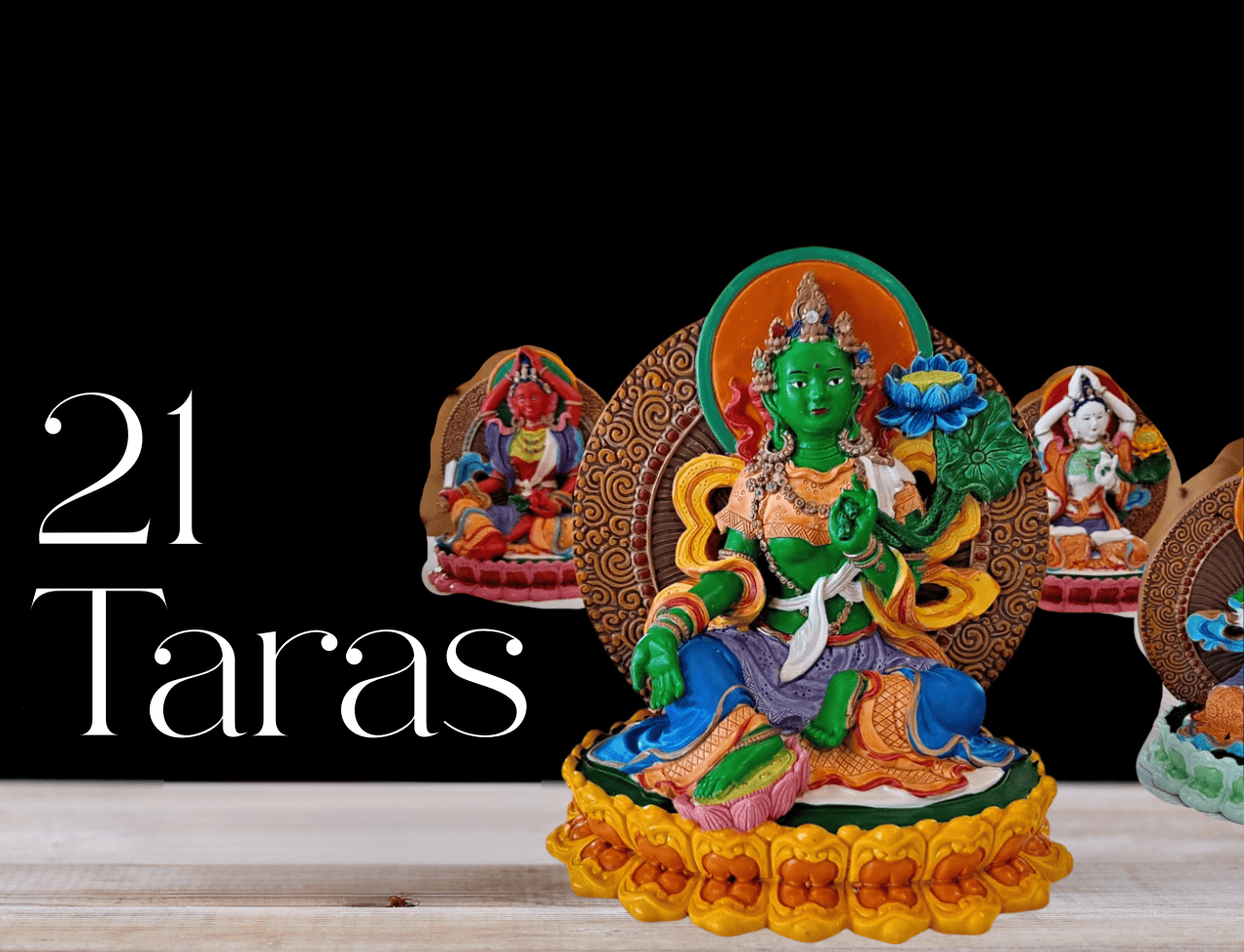
- Twenty-One Taras – Multiple manifestations of enlightened activity
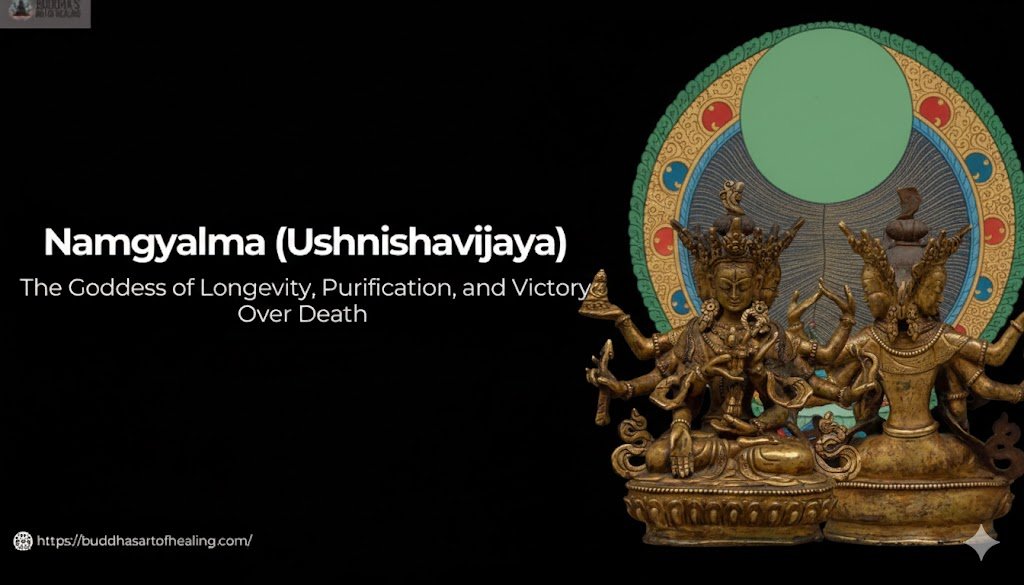
- Supreme Victorious Buddhamother (Ushnisha Vijaya) – Longevity and purification deity
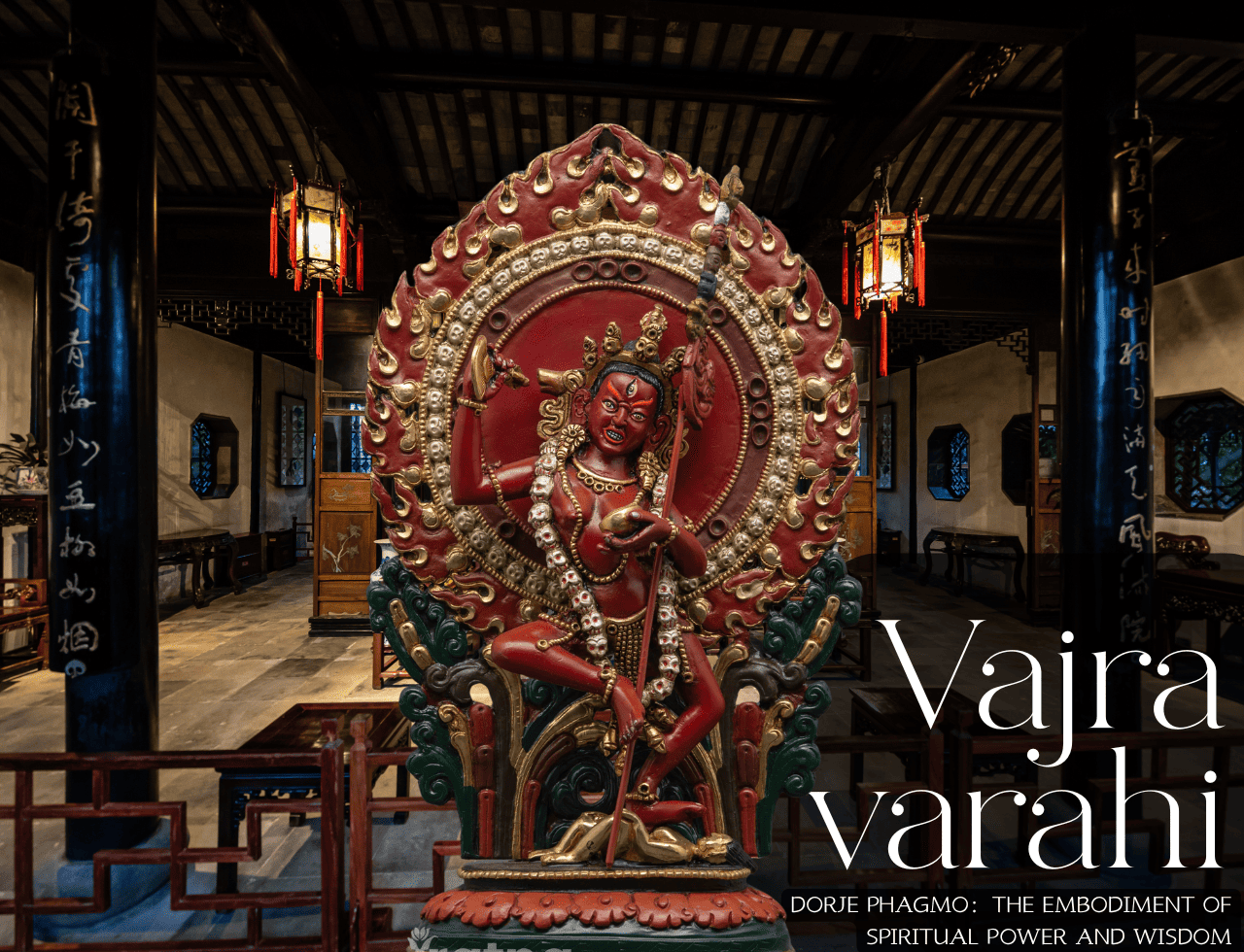
- Vajra Varahi (Dorje Phagmo) – Embodiment of profound wisdom and tantric power
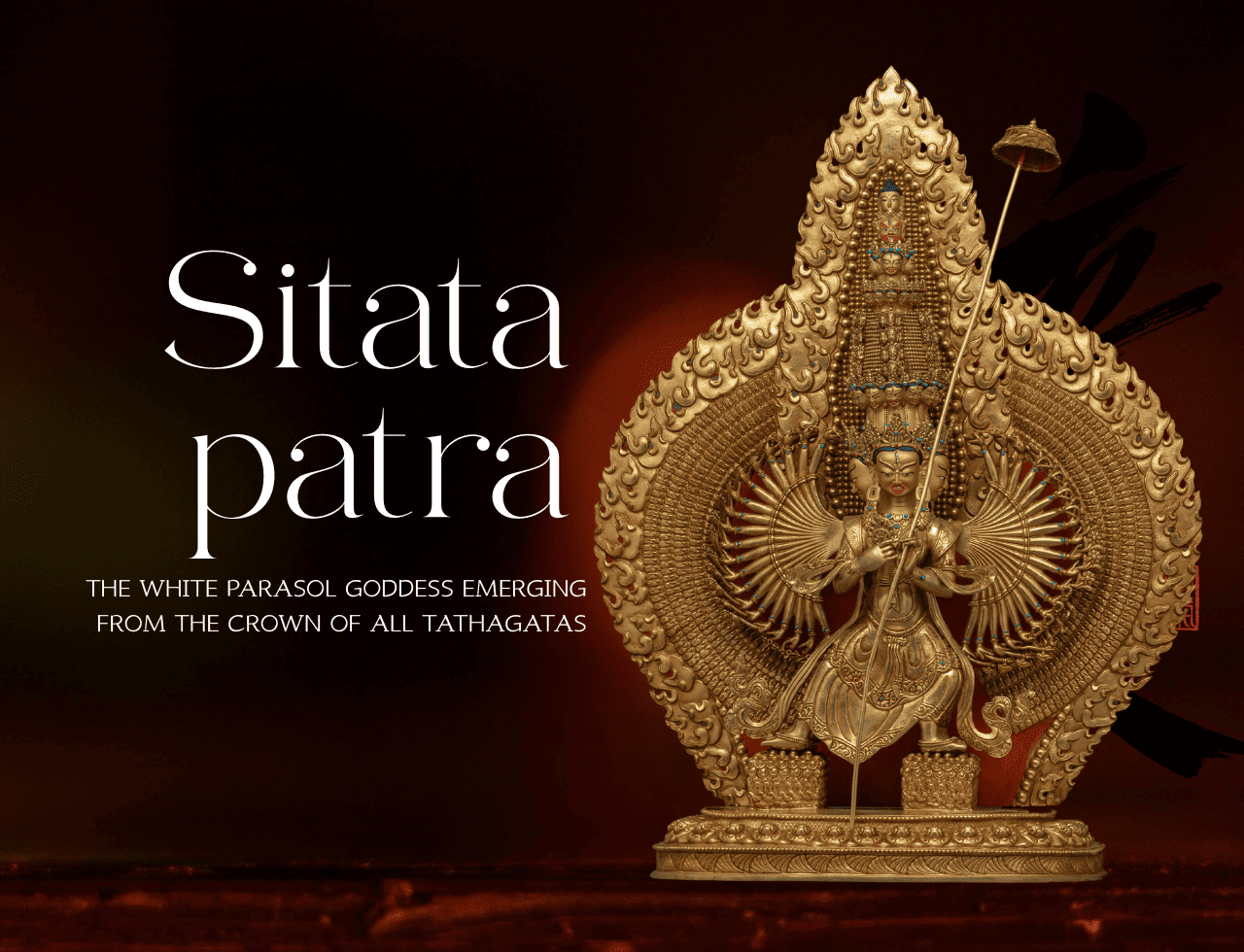
- Great White Umbrella Buddhamother (Sitatapatra) – Supreme protector against obstacles
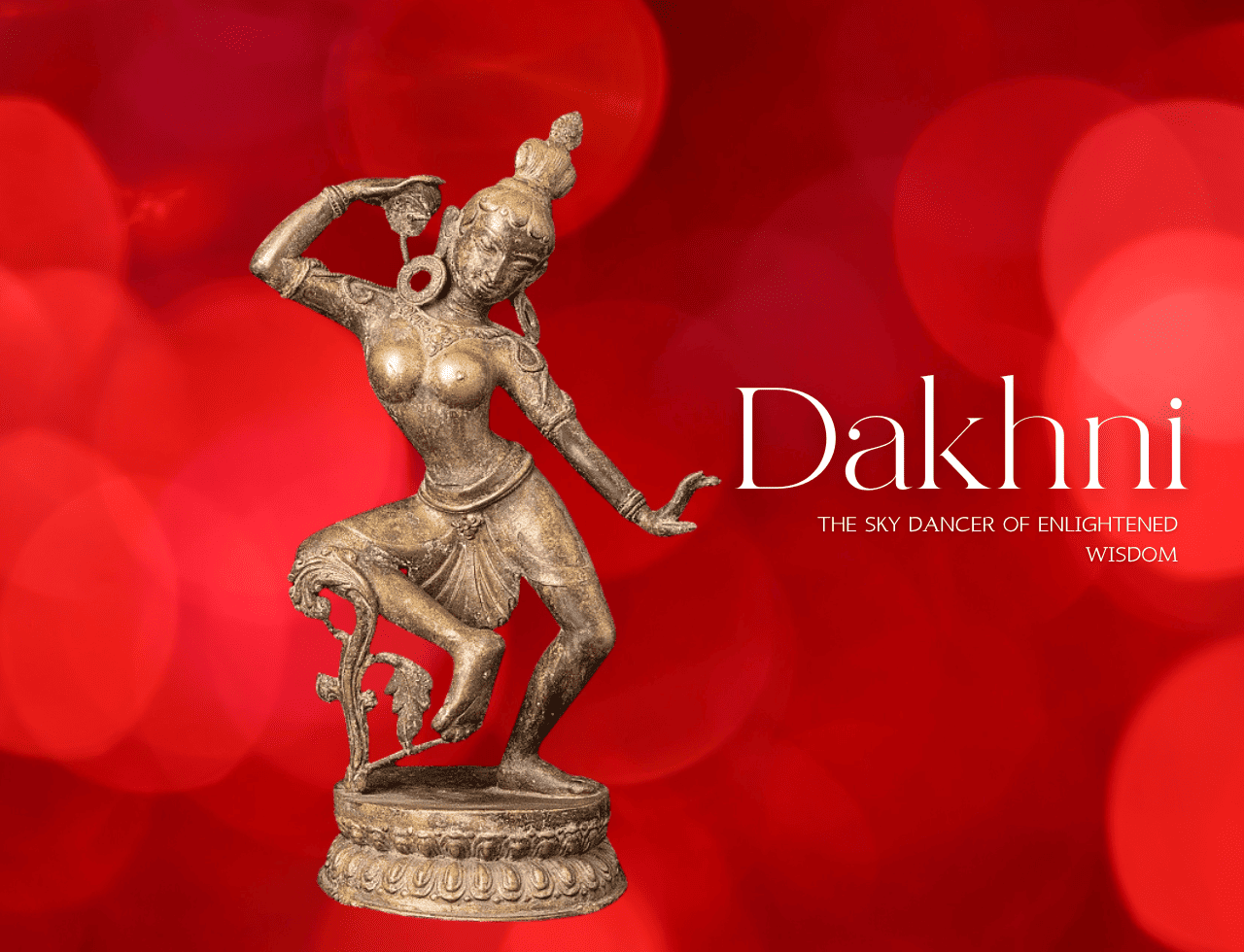
- Singhamukha (Lion-Faced Dakini) – Fierce Buddhamother who subdues negative forces
Each of these Buddhamothers represents a different dimension of compassion, wisdom, protection, and spiritual transformation, reflecting the vast and dynamic role of the divine feminine within Tibetan Buddhism.