The Ngari region of western Tibet is known for its vast plateaus, snow-covered mountains, and deep spiritual atmosphere. Among its many natural wonders, Gurla Mandhata Peak and Nacha Mountain stand out as powerful symbols of both natural beauty and pastoral life. These mountains are not only visually striking but also essential to the livelihoods of local Tibetan communities.
Gurla Mandhata Peak: The Mountain of the Three Summits
Location and Elevation
Gurla Mandhata Peak, also known simply as Gurla Mandhata, lies along the border of Gar County and Zanda County in the Ngari Prefecture of Tibet. Rising to an impressive 6,112 meters above sea level, it is one of the most prominent peaks in the region.
Locally, Gurla Mandhata is revered as the “Mountain of the Three Peaks,” a name inspired by its distinctive triple summits that dominate the surrounding landscape.

Snow-Capped Beauty and Sacred Presence
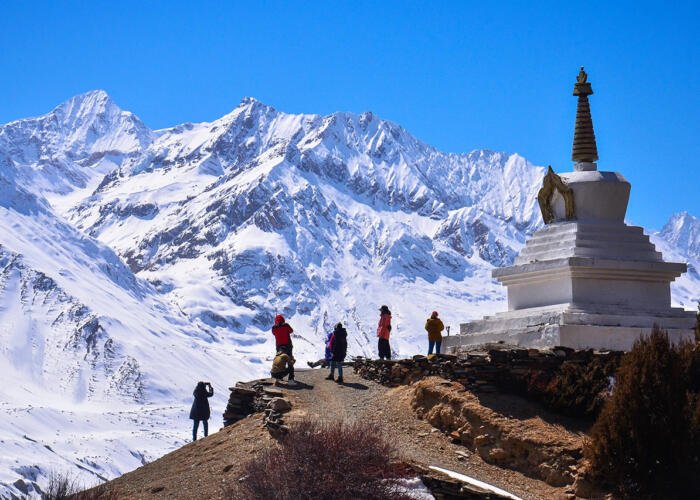
The mountain remains covered in snow throughout the勉 year, giving it a majestic and mysterious appearance. Its towering white peaks stand in sharp contrast to the brown and golden tones of the Tibetan plateau, making it a striking landmark visible from great distances.
For local Tibetans, Gurla Mandhata is more than a geographical feature. Like many mountains in Tibet, it is associated with spiritual significance and deep respect, forming part of the sacred natural environment of Ngari.
Vital Pastures at the Mountain’s Base
At the foot of Gurla Mandhata Peak lie vast natural grasslands, nourished by mountain runoff and seasonal weather patterns. These fertile pastures play a crucial role in the local pastoral economy.
Livestock commonly grazing in this area include:
- Yaks
- Hybrid yaks (dzo and dzomo)
- Cows
- Tibetan sheep
These grazing lands support traditional nomadic and semi-nomadic lifestyles that have existed in Ngari for generations.
Nacha Mountain: The Black Flower of Ngari
Meaning and Location
Nacha Mountain, also known locally as Namoza, is located in the southeastern part of Gar County in the Ngari region. The name Nacha translates to “Black Flower Mountain,” a poetic description that reflects both its appearance and its symbolic value.
Rich Grasslands and Water Sources
Nacha Mountain is especially renowned for its lush grasslands. Compared to the harsher terrain found elsewhere in Ngari, the foothills of Nacha Mountain benefit from relatively abundant water sources, creating fertile grazing grounds.
These rich pastures support a diverse range of livestock, including:
- Yaks
- Hybrid yaks
- Cows
- Sheep
- Goats
- Horses
The availability of high-quality grass makes Nacha Mountain a key area for animal husbandry and a vital resource for local herding families.
A Pillar of the Pastoral Economy
The grasslands around Nacha Mountain are central to the pastoral economy of Gar County. Seasonal grazing patterns allow herders to move their animals according to weather and grass growth, maintaining a sustainable relationship with the land.
Natural Beauty and Biodiversity of Ngari
Together, Gurla Mandhata Peak and Nacha Mountain represent the rugged beauty and ecological richness of western Tibet. Their snowfields, grasslands, and open skies form an environment where wildlife, livestock, and human life coexist closely.
These mountains contribute to:
- Biodiversity preservation
- Sustainable pastoral livelihoods
- The cultural identity of local Tibetan communities
They also serve as awe-inspiring backdrops for travelers exploring Ngari, offering a deeper understanding of Tibet’s connection between nature, culture, and survival.
Mountains That Shape Life in Western Tibet
In the vast and remote landscapes of Ngari, mountains are not merely scenery. Gurla Mandhata Peak and Nacha Mountain shape weather patterns, provide water and grazing land, and sustain ancient ways of life. Their presence reflects the enduring relationship between Tibet’s people and the high-altitude world they inhabit.
Gurla Mandhata: The Sacred Mother Mountain of Tibet
Rising to 7,694 meters, Gurla Mandhata, also known as Naimona’nyi, is one of the most majestic peaks in western Tibet. Located in Purang County, Ngari Prefecture, the mountain stands south of Lake Manasarovar and faces Mount Kailash across the sacred waters, forming one of Tibet’s most revered spiritual landscapes.
A Mountain of Faith and Legend
In Tibetan belief, Mount Kailash represents the Sun (Father Deity), while Gurla Mandhata is the Moon (Mother Goddess). Together with Lake Manasarovar, they create a sacred balance of masculine and feminine energy. The mountain is worshipped by followers of Tibetan Buddhism, Hinduism, Bön, and Jainism, making it a key stop for pilgrims during the Kailash and Manasarovar kora.
Natural Beauty and Landscape
Unlike most Himalayan giants, Gurla Mandhata stands apart from the main range, giving it a powerful, isolated presence. Its snow-covered ridges, vast glaciers, and alpine meadows feed Lake Manasarovar and support wildlife such as Tibetan antelope and wild yaks. The mountain is especially stunning at sunrise and sunset, when golden light reflects across the lake.
Climbing and Viewing
The peak was first climbed in 1985 by a Chinese-Japanese expedition. While mountaineering requires special permits, most travelers enjoy Gurla Mandhata from scenic viewpoints near the south shore of Lake Manasarovar and Jiwu Monastery, where four sacred sites can be seen at once.
Best Time to Visit
The ideal seasons are May–June and September–October, when skies are clear and the mountain is fully visible. Early mornings offer the best light for photography.
Travel Tips
Visitors must arrange Tibet Travel Permits and Border Permits through a licensed agency. High altitude preparation is essential, as the area averages 3,900 meters. Respect local customs, avoid stepping on prayer stones, and always walk clockwise around sacred sites.