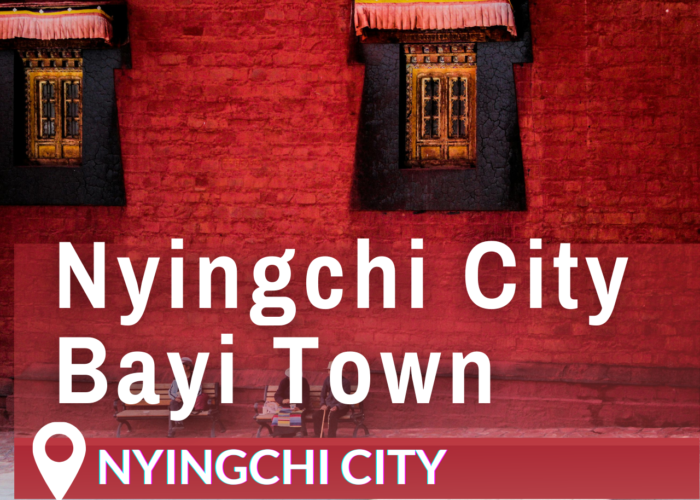
Nyingchi: The Throne of the Sun in Eastern Tibet
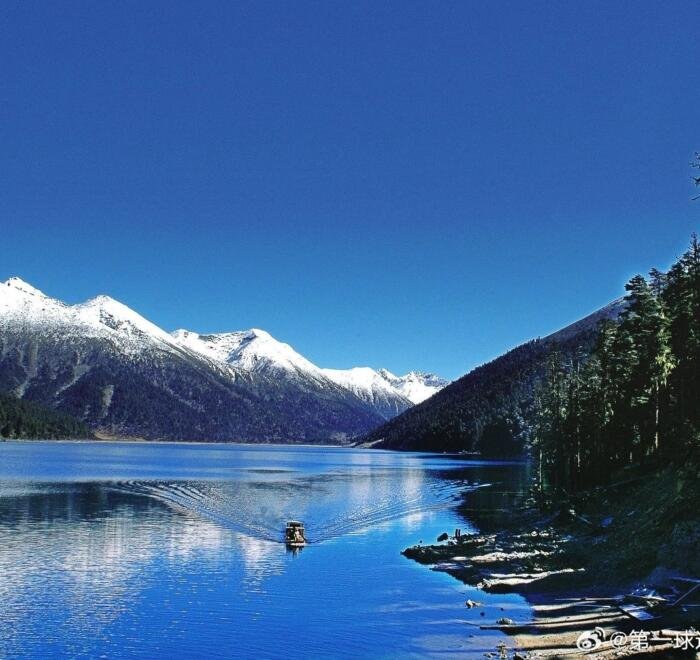
Nyingchi, known in Tibetan as ཉིང་ཁྲི་, carries the poetic meaning “The Throne of the Sun.” Tucked away in the green valleys of eastern Tibet, Nyingchi stands apart from the stark, high-altitude landscapes commonly associated with the plateau. Its name, history, climate, and natural wealth together tell the story of a region deeply rooted in tradition and blessed with rare ecological richness.
The name “Nyingchi” reflects both legend and lineage. It honors the influential Nyang family, an important clan in regional history, marking the area as a place of prestige, reverence, and long-standing human settlement.
Origins of the Name Nyingchi
The name Nyingchi originates from the Tibetan term “nyang-khri,” meaning “the throne of the Nyang family.” Here, “nyang” refers to the Nyang family of the region, while “khri” is associated with the Chishi family of eastern Taidai during the Tubo period.
After 1959, Chinese survey teams officially adopted the name Nyingchi based on local characteristics and produce. Since then, Nyingchi has remained the official and widely recognized name, representing both its historical roots and modern identity.
Nyingchi Bayi District: The Heart of Modern Nyingchi
Formation and Administrative Evolution
Nyingchi Bayi District (བྲག་ཡིབ་ཆུས།) is the political, economic, and cultural center of Nyingchi. Originally established as Nyingchi County in September 1959, the region underwent steady development over several decades.
In March 2015, the State Council approved the establishment of Bayi District, and it was officially inaugurated in June of the same year. Covering an expansive 10,238 square kilometers, Bayi District is characterized by fertile farmland, vast grasslands, and dense forest coverage.
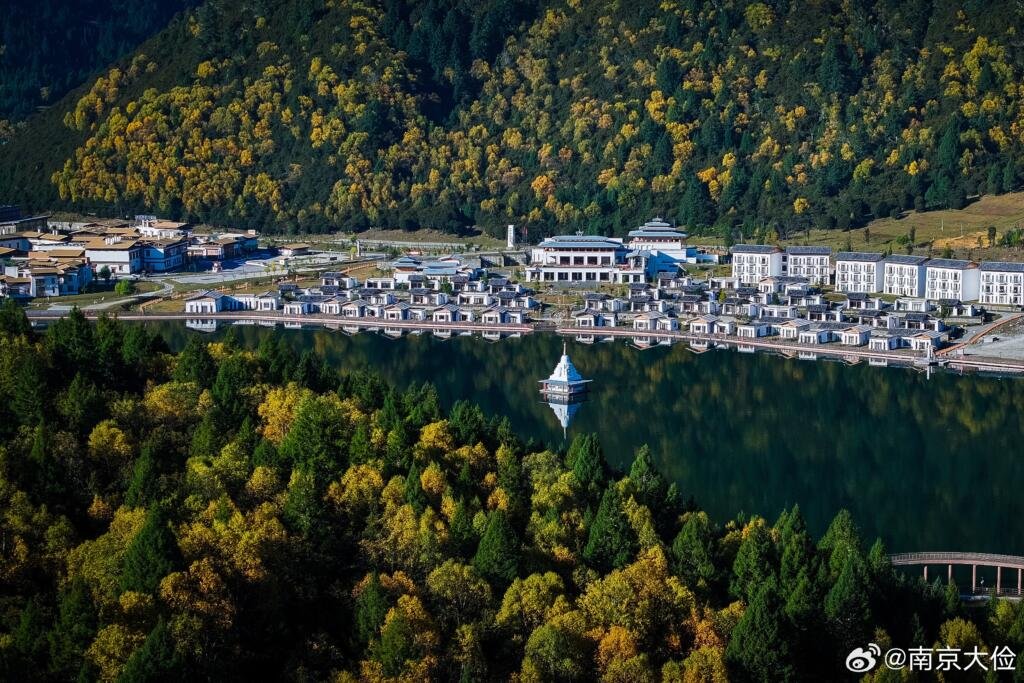
The district is home to a population of over 84,000 residents, representing a diverse mix of ethnic groups, including Tibetans, Menba, Luoba, Hui, Han, and others. The relocation of the local government to Nyingchi Bayi Town in October 2005 marked a key milestone in its rise as Nyingchi’s administrative hub.
Geographic Location and Regional Borders
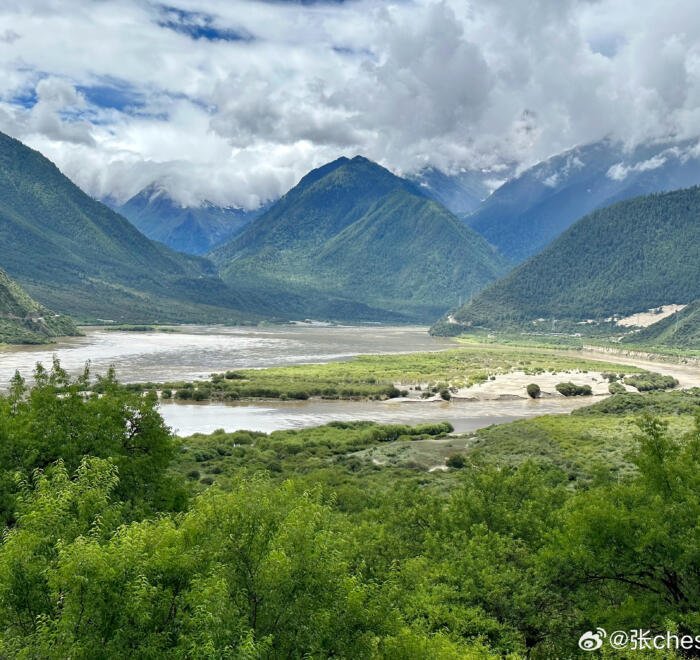
Nyingchi Bayi District lies along the northern bank of the Yarlung Zangbo River and downstream of the Nyang River, placing it at the center of some of Tibet’s most fertile river valleys.
It shares borders with:
- Mêdog to the east
- Milin to the south
- Gongbo’gyamda to the west
- Bomi to the north
Geographically, Nyingchi Bayi spans from 29.21°N to 30.15°N latitude and 93.27°E to 95.17°E longitude, positioning it within one of the most ecologically diverse zones on the Tibetan Plateau.
| Name | Chinese | Hanyu Pinyin | Tibetan | |||
|---|---|---|---|---|---|---|
| Subdistricts | ||||||
| Baimagang Subdistrict | 白玛岗街道 | Báimǎgǎng Jiēdào | པད་མ་སྒང་ཁྲོམ་ལམ་། | |||
| Jomo Subdistrict | 觉木街道 | Juémù Jiēdào | ཇོ་མོ་ཁྲོམ་ལམ་། | |||
| Towns | ||||||
| Nyingchi Town | 林芝镇 | Línzhī zhèn | ཉིང་ཁྲི་གྲོང་རྡལ། | |||
| Bêba Town | 百巴镇 | Bǎibā zhèn | སྤྲེ་པ་གྲོང་རྡལ། | |||
| Chagyib Town (Bayi) | 八一镇 | Bāyī zhèn | བྲག་ཡིབ་གྲོང་རྡལ། | |||
| Lunang Town | 鲁朗镇 | Lǔlǎng zhèn | ཀླུ་ནང་གྲོང་རྡལ། | |||
| Townships | ||||||
| Puqu Township | 布久乡 | Bùjiǔ xiāng | བུ་ཆུ་ཤང་། | |||
| Mairi Township | 米瑞乡 | Mǐruì xiāng | སྨད་རི་ཤང་། | |||
| Güncang Monba Ethnic Township | 更章门巴族乡 | Gēngzhāng Ménbāzú xiāng | དགུན་ཚང་མོན་པ་མི་རིགས་ཤང་། | |||
From Poverty Alleviation to Ethnic Unity
Nyingchi Bayi District’s development story is marked by steady progress and social harmony. In October 2017, it was officially removed from China’s list of impoverished counties, reflecting improvements in infrastructure, livelihoods, and public services.
Today, Nyingchi Bayi is recognized nationally as a model for ethnic unity and regional development, demonstrating how cultural diversity and economic growth can move forward together through shared effort and long-term planning.
Geography and Terrain of Nyingchi
Elevation and Landforms
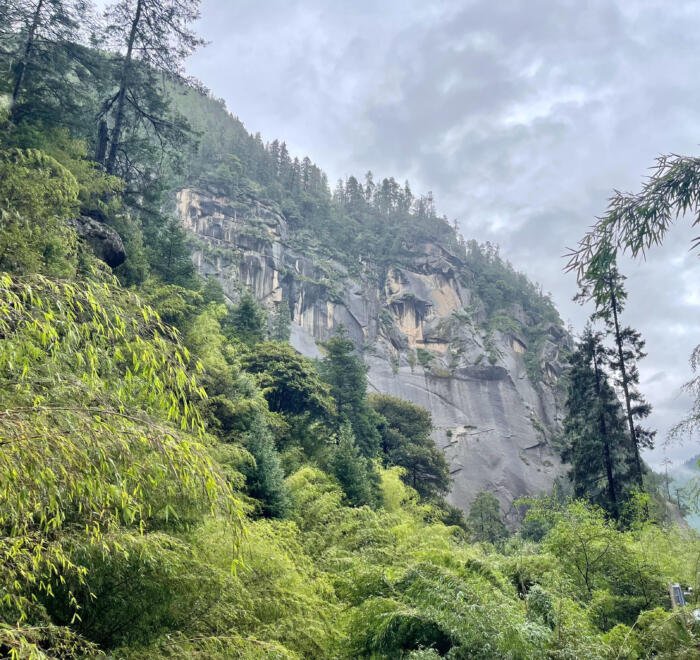
The terrain of Nyingchi Bayi District reflects the dramatic beauty of southeastern Tibet. With an average elevation of around 3,000 meters, the region combines steep mountain slopes with wide river valleys and forested hillsides.
The highest point, Gala Bai’le Peak, rises to 7,294 meters along the border with Milin County. This striking elevation range contributes to the region’s diverse climates, ecosystems, and scenic variety.inly between May and September, ensuring a lush and vibrant landscape. With an average temperature of 8.6°C and over 2,022 hours of sunshine yearly, it provides a relatively gentle climate, distinct from the harsh conditions often associated with high altitudes.
Climate: Tibet’s Mild Highland Zone
Unlike much of Tibet, Nyingchi Bayi District enjoys a temperate, semi-humid monsoon climate, making it one of the most comfortable places to live and travel on the plateau.
Key climate features include:
- Average annual temperature: 8.6°C
- Annual precipitation: 654 mm, mainly from May to September
- Sunshine duration: Over 2,022 hours per year
This mild, moist climate supports lush forests, fertile farmland, and vibrant biodiversity, earning Nyingchi its reputation as Tibet’s green oasis.
Wildlife Richness of Nyingchi
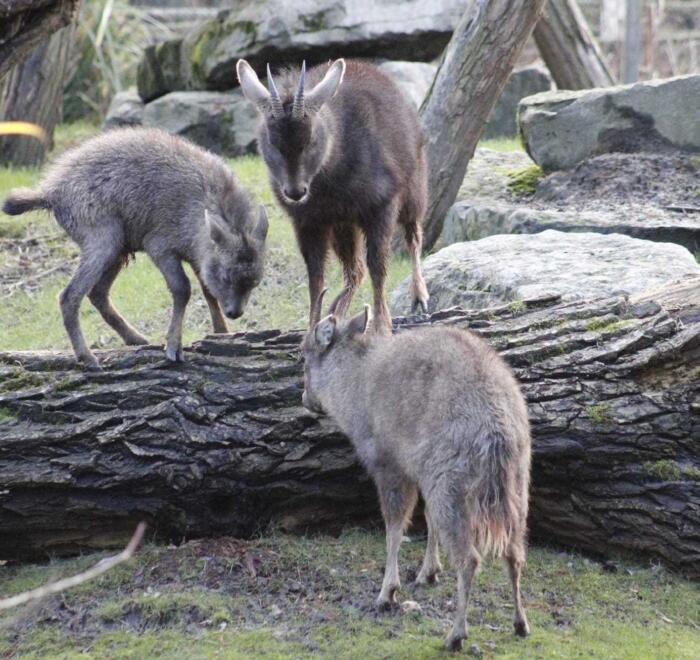
Nyingchi is one of Tibet’s most important biodiversity hotspots. The region is home to over 2,000 species of wildlife, including musk deer, leopards, black bears, brown bears, wolves, foxes, marmots, otters, parrots, and cuckoos.
Among these species:
- 4 are under first-class national protection
- 62 are under second-class protection
The varied terrain and forest cover provide critical habitats for both alpine and subtropical species, making Nyingchi a key area for wildlife conservation in Tibet.
A Green Treasury of Plant Life
Nyingchi boasts more than 6,000 species of wild plants, with over 1,000 known for medicinal value. These include prized Tibetan herbs such as cordyceps, gastrodia elata, fritillaria, notoginseng, codonopsis, angelica, rhodiola, and arisaema.
The forests are dominated by spruce, fir, birch, elm, lacquer trees, high mountain pine, and larch. Edible fungi are abundant, including silver ear, black fungus, truffles, hericium, pipa mushrooms, and reishi.
This extraordinary plant diversity has earned Nyingchi titles such as:
- Jiangnan of Tibet
- Switzerland of Tibet
- Green Treasury of Tibet
Mineral Resources and Natural Wealth
In addition to biological resources, Nyingchi is rich in minerals. Deposits of gold, silver, copper, iron, tin, quartz, asbestos, gypsum, and tourmaline contribute to the region’s geological value and economic potential.
Signature Products of Nyingchi
Nyingchi Bayi District plays a major role in Tibet’s agricultural and forestry economy. It is one of the region’s key grain-producing areas and is especially well known for high-quality apples, which lead Tibet in both yield and reputation. Walnut production is also significant.
Other notable local products include:
- Cordyceps and reishi mushrooms
- Hericium mushrooms and gastrodia elata
- Tibetan sanqi and highland fish
- Musk and traditional medicinal ingredients
The district is also famous for its buttered tea barrels, crafted from red birch wood native to Nyingchi. Reinforced with copper bands and decorated with intricate patterns, these barrels reflect exceptional craftsmanship and cultural heritage.
Nyingchi: Nature, Culture, and Sustainable Growth
With its sunlit valleys, fertile rivers, rich biodiversity, and deep-rooted cultural traditions, Nyingchi truly lives up to its name as the Throne of the Sun. The region’s commitment to ecological protection and sustainable development continues to preserve its landscapes while supporting local communities and cultural identity.
Discovering Nyingchi’s Natural Treasures
Nyingchi, known as the “Eastern Garden of Tibet,” is famous for its green forests, clean air, and rich biodiversity. Besides its beautiful scenery, the region is also home to some of Tibet’s most valuable natural products. Among them, Lingzhi mushrooms, Lion’s Mane mushrooms, and Himalayan ginseng (Tibetan Sanqi) stand out for their health benefits and cultural importance.
Lingzhi Mushroom: The Tonic of Vital Energy
Lingzhi (Ganoderma), called “Gorsha Serpo” in Tibetan, is one of the most respected medicinal mushrooms. It has a glossy, purple-brown cap and grows naturally in Nyingchi’s forests.
In traditional Tibetan medicine, Lingzhi is used to:
- Boost energy and immunity
- Support the heart, lungs, and kidneys
- Calm the mind and strengthen the body
Modern research shows it is rich in amino acids, vitamins, and natural compounds that support overall health.
Lion’s Mane Mushroom: Food and Medicine in One
Lion’s Mane mushroom (Hericium erinaceus), known locally as “Sheba,” grows on old oak trees in Bayi District. Its white, fluffy shape looks like a soft furball.
This mushroom is valued because it:
- Supports digestion and immunity
- Helps recovery after illness or surgery
- Is both a healthy food and a medicinal ingredient
It contains polysaccharides, peptides, and vitamins that promote vitality and wellness.
Himalayan Ginseng (Tibetan Sanqi): The Blood-Nourishing Herb
Himalayan ginseng (Panax pseudoginseng) is one of the most precious herbs in Tibetan medicine. It takes 3–7 years to mature and is used in whole—roots, flowers, and leaves.
Its main benefits include:
- Improving blood circulation
- Reducing pain and swelling
- Supporting heart and brain health
It is commonly used for bruises, fatigue, and blood-related conditions, though it should be avoided during pregnancy.
Travel and Transportation in Bayi District, Nyingchi
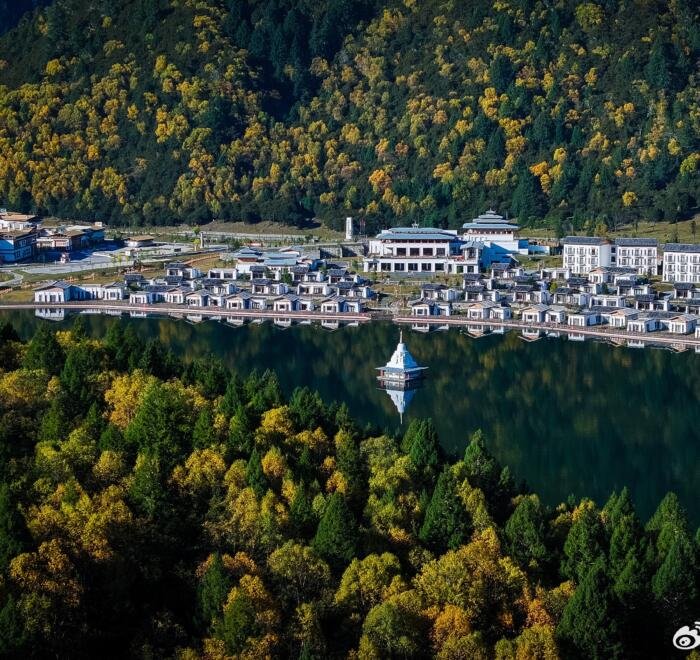
Bayi District, the administrative and cultural heart of Nyingchi, is often regarded as the gateway to eastern Tibet. Known for its lush forests, river valleys, monasteries, and mild climate, Nyingchi offers travelers a rare chance to experience a greener and more accessible side of the Tibetan Plateau. With improving transportation infrastructure and well-developed tourist routes, reaching and exploring Nyingchi Bayi District has become easier than ever.
Getting to Nyingchi
Road Travel: Scenic and Convenient
The overland journey from Lhasa to Nyingchi covers approximately 409.2 kilometers, mostly on well-paved asphalt roads. The route passes through Mozhugongka, Dazi, and Gongbo’gyamda counties, offering smooth driving conditions and beautiful plateau scenery. The trip usually takes around 5 hours, making it one of the most comfortable and high-grade highways connecting Lhasa with eastern Tibet.
For travelers coming from Chengdu, the famous Sichuan–Tibet Highway (National Highway G318) stretches over 1,700 kilometers, with about 223 kilometers running through Nyingchi. Although long, this route is popular for its dramatic landscapes and iconic road-trip experience.
Nyingchi is also located about 50 kilometers from Nyingchi Mainling Airport, allowing easy transfers between air and road travel. Within the district, a well-connected road network links 3 townships and 4 towns, covering 67 administrative villages, ensuring smooth local transportation.
The Lhasa–Nyingchi Railway
The Lhasa–Nyingchi Railway is a milestone in Tibet’s transportation history. As the world’s highest-altitude electric railway, it spans 403.144 kilometers and follows the Lhasa River valley through a series of tunnels and bridges, including the Duplung, Shlerong, and Gongkar tunnels.
Officially opened on June 25, 2021, the railway significantly reduced travel time between Lhasa and Nyingchi. It has boosted tourism, improved logistics, and strengthened economic and cultural exchange between central and eastern Tibet. For travelers who prefer comfort and gradual altitude adjustment, this railway is one of the best ways to reach Nyingchi
Main Transportation Routes to Nyingchi
Travelers can choose from several well-established routes depending on their starting point:
- By Air: Direct flights connect Nyingchi Airport with major cities such as Chengdu, Shanghai, Chongqing, and Kunming, making air travel the fastest option.
- By Road from Lhasa: A 400-kilometer drive along the Sichuan–Tibet Highway,
- From Chamdo: A 719-kilometer journey along National Highway G318, passing through Bomi.
- From Shannan (Zêtang): This 485-kilometer route follows Provincial Road 306 through Milin
- From Yunnan (Diqing): A longer 788-kilometer route via the Yunnan–Tibet Highway, or through Gongshan on G214,
Dining and Shopping in Nyingchi Bayi District
Local Cuisine
Sichuan cuisine is widely available in Nyingchi and caters well to local tastes. Many restaurants also serve Tibetan dishes, and some offer specialty wild or plateau ingredients. Popular delicacies include Tibetan pork, Yajiang fish, hericium mushrooms, and matsutake mushrooms, though prices for these seasonal or specialty foods can be relatively high.
Shopping and Local Products
Thanks to its rich forest resources, Nyingchi is an ideal place to buy natural and medicinal products. Common items include black fungus, wild mushrooms, bamboo shoots, Sichuan peppercorns, and star anise.
Popular souvenirs include:
- Nyingchi bamboo crafts
- Menba ethnic wooden bowls
- Motuo stone pots
These items reflect both the natural abundance and ethnic craftsmanship of the region.
Classic Tourist Routes Around Nyingchi
Nyingchi District serves as a hub for several well-known tourist routes:
Lhasa – Basong Lake – Nyingchi – Lhasa
A relaxed route combining natural beauty and cultural sites, including Basong Lake, Nyingchi, Lamaling Monastery, and Sejila Mountain. Suitable for sightseeing and scientific exploration.
Lhasa – Nyingchi – Milin – Shannan
Often called the “Golden Tourism Line,” this route highlights river valleys, forests, ancient sites, and ethnic culture across southeastern Tibet.
Lhasa – Nyingchi – Tongmai – Bomi – Ranwu – Bangda
A more adventurous route with dramatic scenery, glaciers, and alpine lakes. From Bangda, travelers can either fly to Chengdu or continue exploring along National Highway 318.
Suggested Nyingchi Travel Itineraries
6-Day Nyingchi Tour
- Day 1: Lhasa sightseeing (Potala Palace, Jokhang Temple, Barkhor Street)
- Day 2: Cross Mila Mountain, visit Kading Valley, arrive in Nyingchi City
- Days 3–4: Explore Lulang, Palong, and Bomi
- Days 5–6: Visit Ranwu Lake and Midui Glacier, return to Lhasa
5-Day NyingchiTour
- Day 1: Fly from Chengdu to Nyingchi Airport
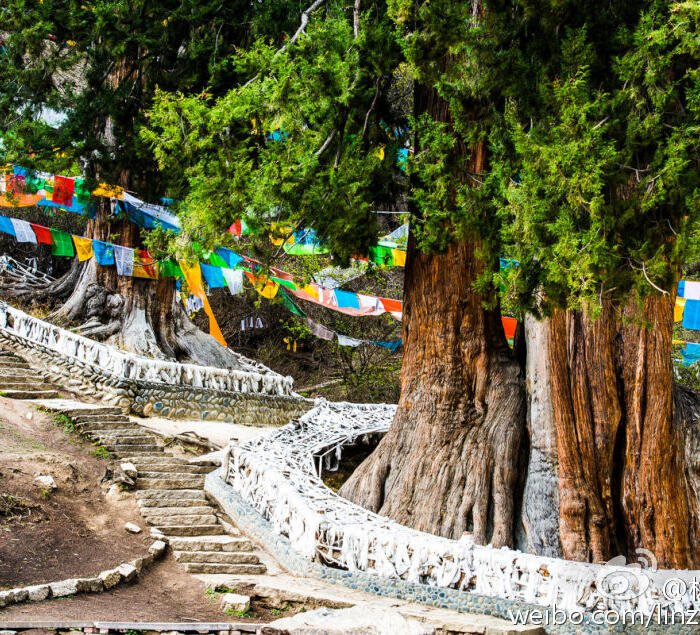
- Days 2–3: Visit Yarlung Tsangpo Grand Canyon, ancient cypress forests, and Lulang
- Days 4–5: Return to Lhasa, city sightseeing, and optional trips to Namtso Lake and Yangpachen
Border Permit Requirements
Travelers planning to visit Motuo from Nyingchi must obtain a Tibet border permit. If not arranged in advance at the place of residence, permits can be issued at the office next to the Nyingchi Bayi Town Armed Police Detachment, open Monday to Friday.
Religious Heritage of Nyingchi
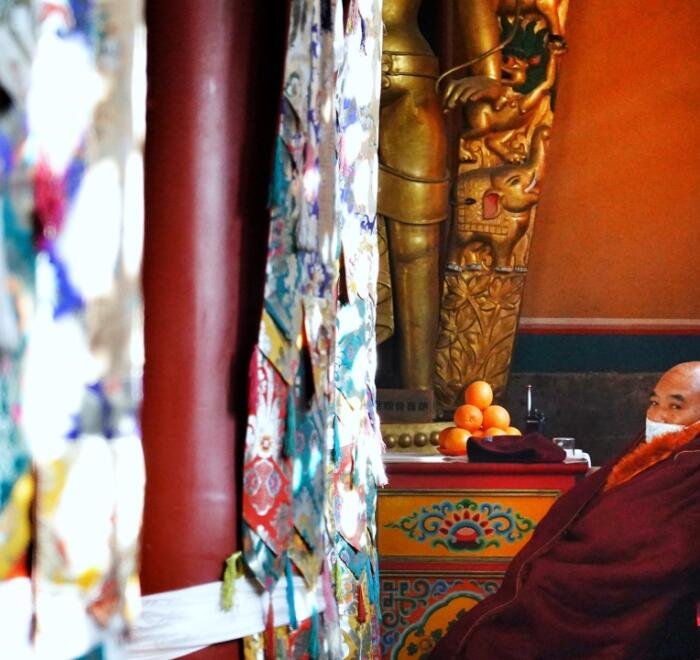
Nyingchi City is home to 97 religious sites, including:
- 49 monasteries
- 21 Lhakhangs (scripture halls)
- 27 meditation retreats
The region reflects diverse Tibetan Buddhist traditions, with Gelug, Kagyu, Nyingma, and Bon lineages all represented. More than 600 monks and nuns live in the area.
Notable monasteries in and around Nyingchi include:
- Gerjia Monastery
- Gengqin Monastery
- Zhuosha Monastery
- Jiangjiulin Monastery
- Daze Monastery
- Sekagyunqin Monastery
- Nichi Scripture Hall
Many of these monasteries date back several centuries and provide deep insight into the spiritual life and cultural history of eastern Tibet.
With its modern transportation network, diverse travel routes, rich cuisine, and deep religious heritage, Nyingchi stands as one of the most accessible and rewarding destinations for exploring Nyingchi and the green landscapes of eastern Tibet.