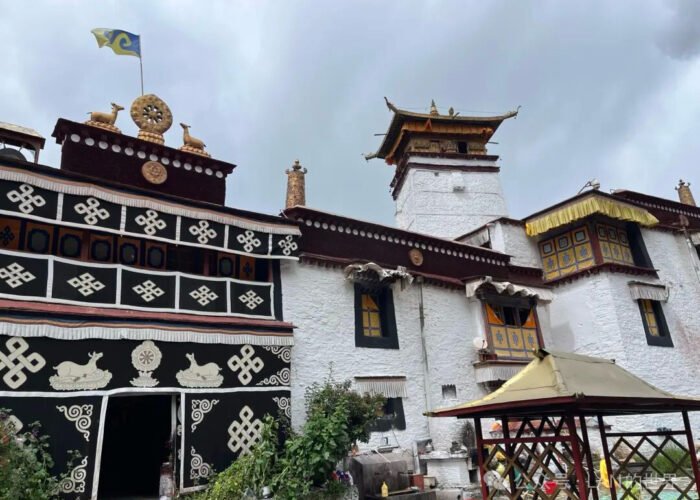
Nestled in Zongxi Township of Mangkang County, Sedeng Monastery—formally known as Sedeng Samdrub Chugling—stands as one of the most spiritually significant monasteries in eastern Tibet. Revered for its profound religious heritage, rare sacred relics, and living traditions, the monastery plays a vital role in preserving Tibetan Buddhist culture, rituals, and devotion.
For pilgrims and travelers exploring the spiritual landscapes of Tibet, Sedeng Monastery offers a deep and authentic encounter with centuries-old Buddhist faith.
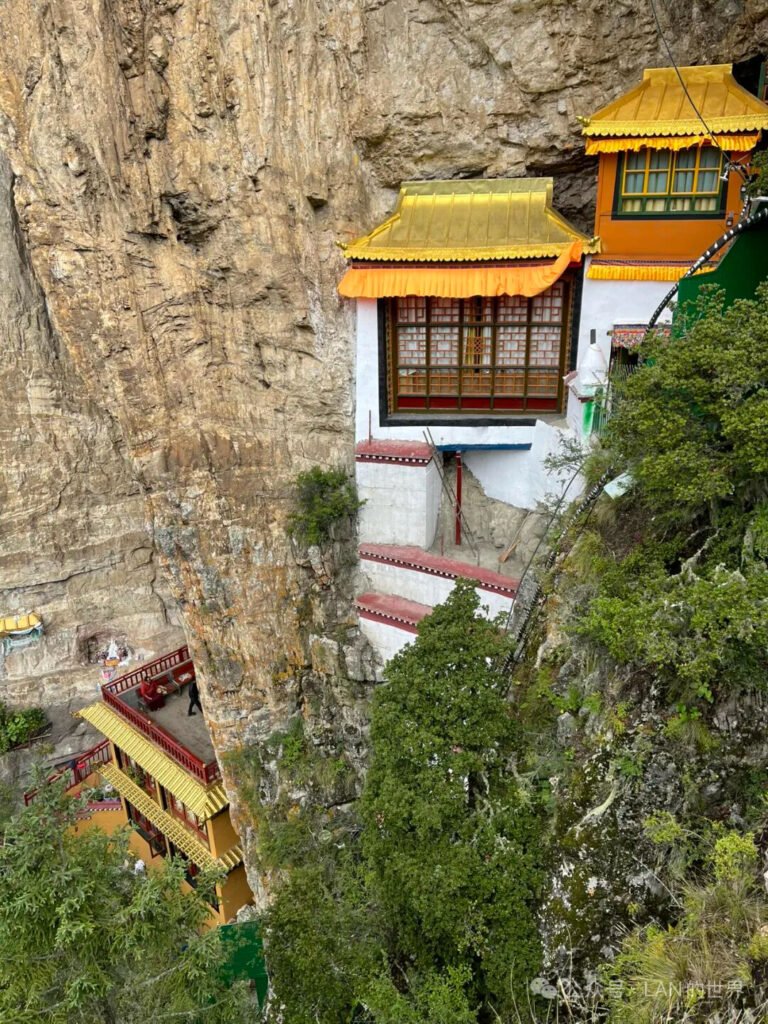
Location and Spiritual Importance of Sedeng Monastery
Sedeng Monastery is more than a place of worship; it is a sacred sanctuary of self-arisen holy images and hidden treasures. These naturally manifested sacred figures are believed to carry extraordinary spiritual power, making the monastery an important pilgrimage site in Mangkang County.
Over generations, Sedeng Monastery has served as a spiritual anchor for surrounding communities, providing religious guidance, ritual services, and a space for major Buddhist festivals.
Self-Arisen Sacred Images and Precious Relics
One of the most remarkable features of Sedeng Monastery is its collection of self-arisen (rang-jung) sacred figures, a rare phenomenon in Tibetan Buddhism. These include:
- Shakyamuni Buddha
- Vajrapani Bodhisattva
- Sixteen Arhats
- Eighty-Four Mahasiddhas
In addition to these sacred manifestations, the monastery preserves invaluable religious artifacts, such as:
- Padmasambhava’s Vajra, symbolizing indestructible wisdom
- The Tobwa of Tara, associated with compassion and swift protection
- A concealed Vajra-holder treasure revealed by Longsa Nyingpo
- The protective deity Dechun Lam’s image, retrieved by the master Tedalinba
Together, these relics make Sedeng Monastery a living treasury of Tibetan Buddhist spiritual heritage.
The Living Sangha and Monastic Leadership
Sedeng Monastery is currently guided by Tenzin Yongbu Rinpoche, the 14th reincarnation of Sedeng Rinpoche. Under his leadership, the monastery continues to flourish as an active religious institution.
Today, the monastic community includes:
- Over 300 monks
- More than 100 nuns
This vibrant sangha ensures that daily prayers, tantric practices, and ritual teachings remain an integral part of monastic life, strengthening the monastery’s role as a center of Buddhist learning and practice.
Annual Religious Festivals and Cultural Events
Sedeng Monastery hosts several important annual ceremonies that attract both locals and pilgrims from nearby regions. Among the most significant are:
Cham Dance Festival
A sacred masked dance performed by monks, the Cham Dance represents the victory of wisdom over ignorance and serves as a powerful ritual for purification and protection.
Butter Lamp Festival
During this festival, countless butter lamps are lit to symbolize the dispelling of darkness and ignorance, creating a deeply moving spiritual atmosphere within the monastery.
These events highlight Sedeng Monastery’s enduring role in Tibetan religious life and community traditions.
Vajrapani Bodhisattva: The Bearer of the Vajra
One of the most revered sacred figures at Sedeng Monastery is Vajrapani Bodhisattva (Phyag-na-rdo-rje). In Tibetan Buddhism, Vajrapani is recognized as:
- The wrathful emanation of Great Power Bodhisattva
- A secret manifestation of Shakyamuni Buddha
- The protector and embodiment of enlightened strength
As the “Bearer of the Vajra,” Vajrapani forms part of the revered Three Family Lords, alongside Avalokiteshvara (compassion) and Manjushri (wisdom).
According to the Tibetan Cultural Dictionary, Vajrapani possesses eight excellent virtues, including supreme authority, immense protective power, and the ability to overcome both internal and external obstacles.
His practices span from Action Tantra to Highest Yoga Tantra, making Vajrapani a central figure in Tibetan esoteric Buddhism and a powerful symbol of spiritual resilience.
The Sixteen Arhats in Tibetan Buddhism
The Sixteen Arhats (dgra-ma-yin) hold a unique and respected position within Tibetan Buddhism. Unlike their counterparts in Han Buddhism, Tibetan Arhats differ in names, iconography, and symbolic roles.
Entrusted by Shakyamuni Buddha to remain in the world, the Sixteen Arhats are believed to protect the Dharma and assist sentient beings until the coming of the future Buddha, Maitreya.
Among the prominent Arhats honored at Sedeng Monastery are figures such as:
- Yan-longvbyung
- Ma-phan-pa
Each Arhat is associated with specific attributes, spiritual qualities, and protective functions, reflecting the rich diversity of Tibetan Buddhist iconography and doctrine.
Sedeng Monastery as a Living Museum of Tibetan Buddhism
Sedeng Monastery is not only a sacred place of prayer but also a living museum of Tibetan Buddhist art, ritual, and history. Its preserved treasures, ongoing monastic traditions, and vibrant festivals offer rare insights into the spiritual heart of eastern Tibet.
Through its continued role in safeguarding sacred teachings, self-arisen images, and ritual practices, Sedeng Monastery remains an invaluable spiritual heritage site in Mangkang County, deeply woven into the religious life of the region.