Dilgo Khyentse Rinpoche: A Pillar of Tibetan Buddhism and the Rimé Movement
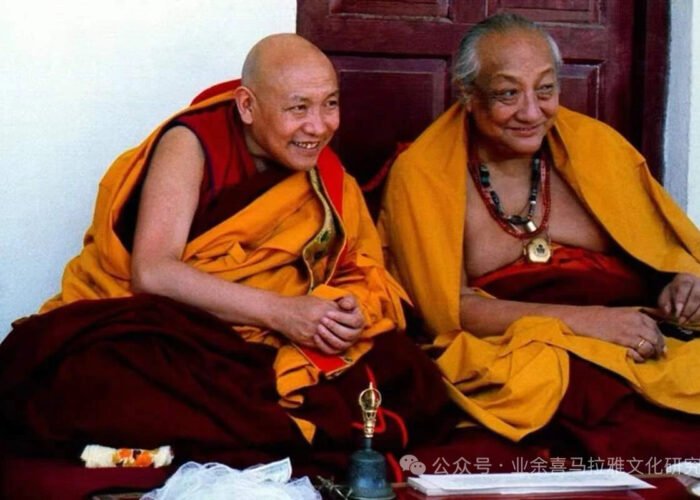
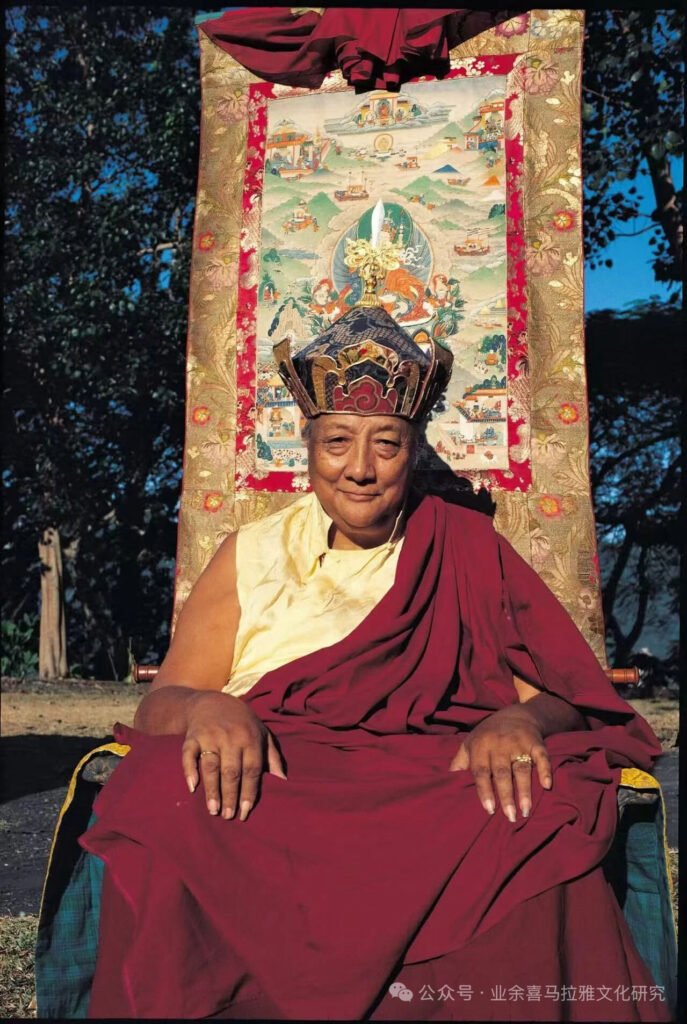
Dilgo Khyentse Rinpoche (དིལ་མགོ་མཁྱེན་བརྩེ་རིན་པོ་ཆེ་, 1910–1991) stands as one of the most influential figures in modern Tibetan Buddhism. A supreme master of the Nyingma tradition, he was both a recognized tulku and a renowned tertön (treasure revealer). He served as the abbot of Shechen Monastery and emerged as one of the most decisive leaders of the modern Rimé non-sectarian movement.
Deeply revered by the Bhutanese royal family, Dilgo Khyentse Rinpoche was widely regarded as an emanation of Guru Rinpoche (Padmasambhava). He is remembered as one of the greatest Dzogchen masters of the 20th century and as the root guru of many of today’s highest Tibetan Buddhist teachers.
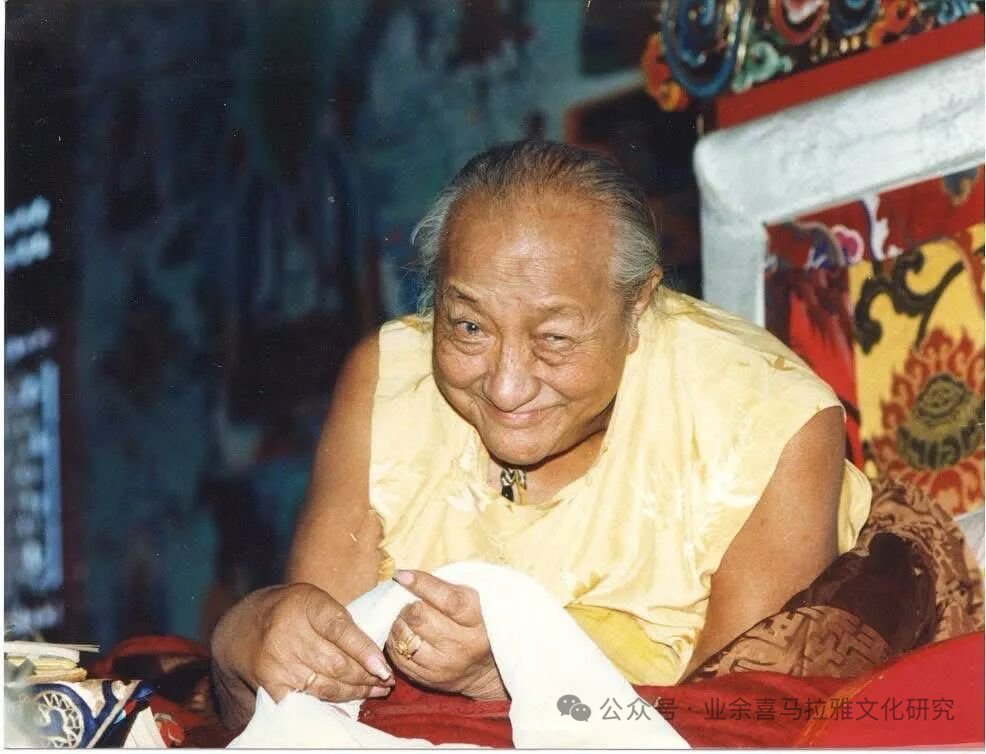
A Master Tertön with Multiple Dharma Names
As a tertön, Dilgo Khyentse Rinpoche was known by several profound Dharma names, each reflecting a distinct spiritual function and lineage connection. These include:
- Wösel Trulpa’i Dorje (འོད་གསལ་སྤྲུལ་པའི་རྡོ་རྗེ་)
- Pema Dö’ngak Lingpa (པདྨ་མདོ་སྔགས་གླིང་པ་)
- Jigme Khyentse Özer (འཇིགས་མེད་མཁྱེན་བརྩེའི་འོད་ཟེར་)
These names situate him firmly within the great treasure-revealing tradition that shaped Tibetan Buddhism from the medieval period into modern times.
The Last Generation Trained Fully in Tibet
Dilgo Khyentse Rinpoche is often described as one of the final great masters to have completed a fully traditional and rigorous Buddhist education entirely within Tibet. His life embodied the depth, discipline, and experiential realization of classical Tibetan Buddhism.
After leaving Tibet, he tirelessly spread the Dharma across the Himalayan regions, India, Southeast Asia, Europe, and North America. He bestowed teachings, empowerments, and transmissions to disciples from every corner of the world, helping to firmly establish Tibetan Buddhism on a global stage.
Holder of Longchen Nyingthig and Multiple Lineages
Dilgo Khyentse Rinpoche was a principal holder of the Longchen Nyingthig (ཀློང་ཆེན་སྙིང་ཐིག་), the heart essence teachings of Dzogchen. At the same time, he seamlessly embodied and transmitted the lineages of the Nyingma, Kagyu, and Sakya schools.
True to the spirit of the Rimé movement, he maintained equal respect for all Buddhist traditions. His teachings influenced nearly every major practitioner across the Himalayan world. Because of his extraordinary learning, realization, and humility, he earned the title “Guru of Gurus” and served for decades as the principal spiritual advisor to the Bhutanese royal family.
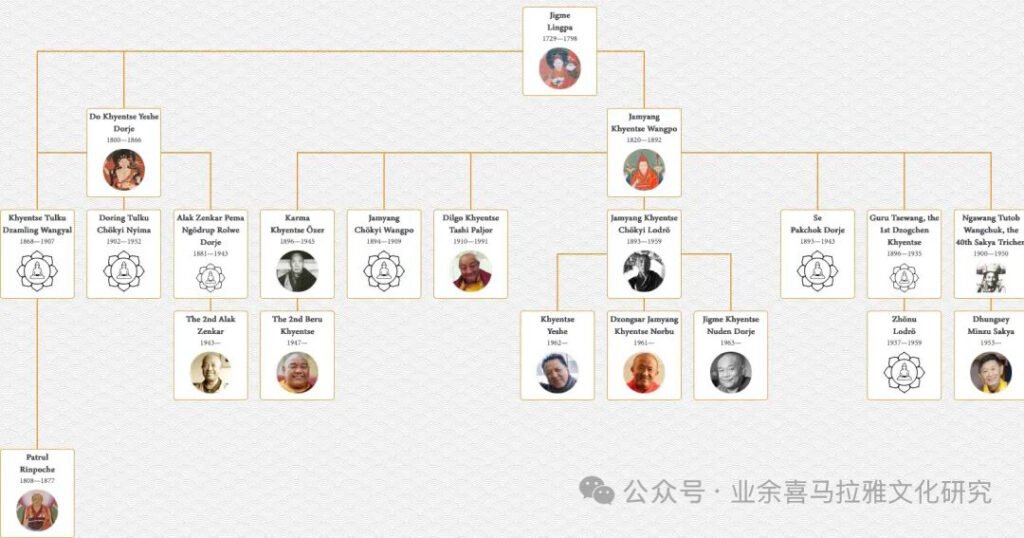
The Meaning of “Khyentse” and the Incarnation Lineage
The name Khyentse means “Wisdom and Compassion,” formed from:
- མཁྱེན་པ་ (khyen) – wisdom
- བརྩེ་བ་ (tsé) – compassion
The Khyentse incarnation lineage is believed to carry the spiritual inheritance of some of Tibet’s greatest realized masters, including:
- Longchen Rabjam (ཀློང་ཆེན་རབ་འབྱམས་པ་)
- Jigme Lingpa (འཇིགས་མེད་གླིང་པ།)
- Vimalamitra (དྲི་མེད་བཤེས་གཉེན་)
This lineage symbolizes the continuous flow of Dzogchen realization across centuries.
Birth and Family Lineage in Kham
Dilgo Khyentse Rinpoche was born on April 12, 1910 (Iron Dog Year, third day of the third lunar month) in the Denma River Valley (ལྡན་མ), in Kham—present-day Deke County, Sichuan—within the distinguished Dilgo family.
The Dilgo family belonged to the domain of the Degé chieftaincy and had served as hereditary patrons of Jamyang Khyentse Wangpo (འཇམ་དབྱངས་མཁྱེན་བརྩེའི་དབང་པོ, 1820–1892). They traced their ancestral origins to the ancient Tibetan Ga clan (ལྒ་), one of the legendary Six Great Clans, whose roots extend to the upper Yangtze River region around modern Yushu.
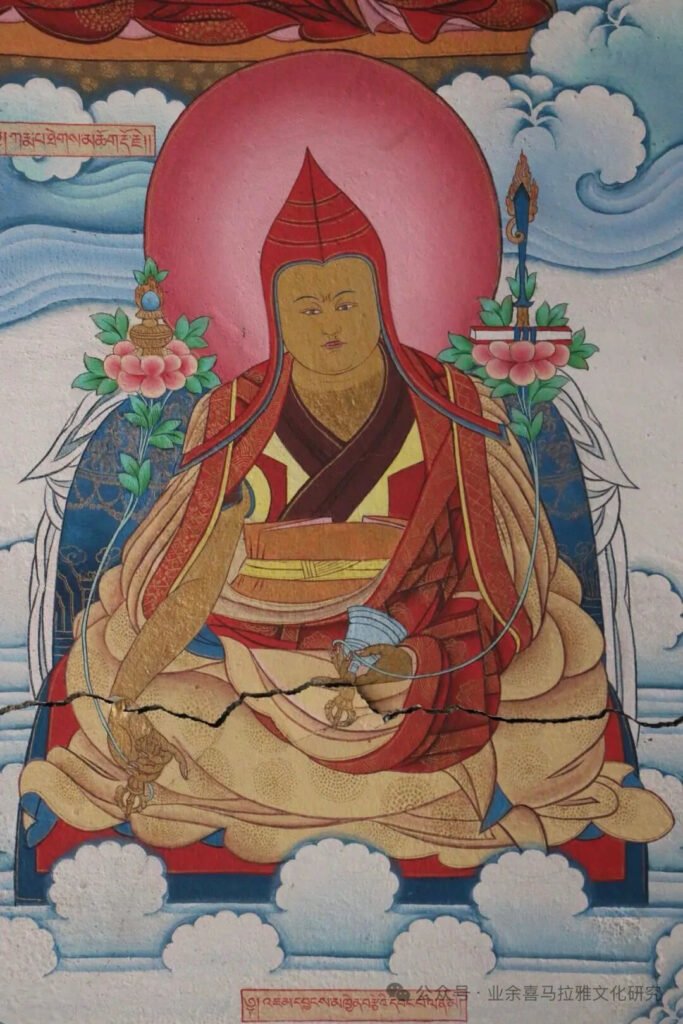
Branches of the Dilgo Family
The Dilgo lineage centered on Terlung Dilgo, later branching into:
- Alo Rong Dilgo
- Den Dilgo
Jamyang Khyentse Wangpo himself emerged from the Terlung Dilgo line and became one of the most important tertöns, scholars, and inspirational figures behind the Rimé movement of the 19th century.
Parents and Siblings
Dilgo Khyentse Rinpoche’s father, Tashi Tsering (བཀྲ་ཤིས་ཚེ་རིང་, d. 1932), was the son of Tashi Tsepel (བཀྲ་ཤིས་ཚེ་འཕེལ་), serving under the Degé chieftain and belonging to the Den Dilgo branch. His mother, Lhaga (ལྷ་འགའ་), also came from a prominent family within Degé territory.
He had three elder brothers and several sisters. His eldest brother tragically died in childhood during an earthquake. The second brother, Apo Shedrub, remained by his side throughout his life. The third brother was the 9th Sangye Nyenpa (ཀརྨ་བཤད་སྒྲུབ་བསྟན་པའི་ཉི་མ་, 1897–1962).
Recognition at Birth and Early Auspicious Signs
According to tradition, Dilgo Khyentse Rinpoche was recognized by Mipham Rinpoche (འཇུ་མི་ཕམ་འཇམ་དབྱངས་རྣམ་རྒྱལ་རྒྱ་མཚོ།, 1846–1912) while still in his mother’s womb. On the very day of his birth, Mipham Rinpoche was teaching the Kalachakra Tantra (དུས་ཀྱི་འཁོར་ལོ་) at the Dilgo family home.
Mipham Rinpoche bestowed upon the newborn the name Tashi Paljor (བཀྲ་ཤིས་དཔལ་འབྱོར་), meaning “Auspicious Glory.” Until two years before his passing, Mipham Rinpoche continued to bestow empowerments and Manjushri teachings upon Tashi Paljor and the Dilgo family.
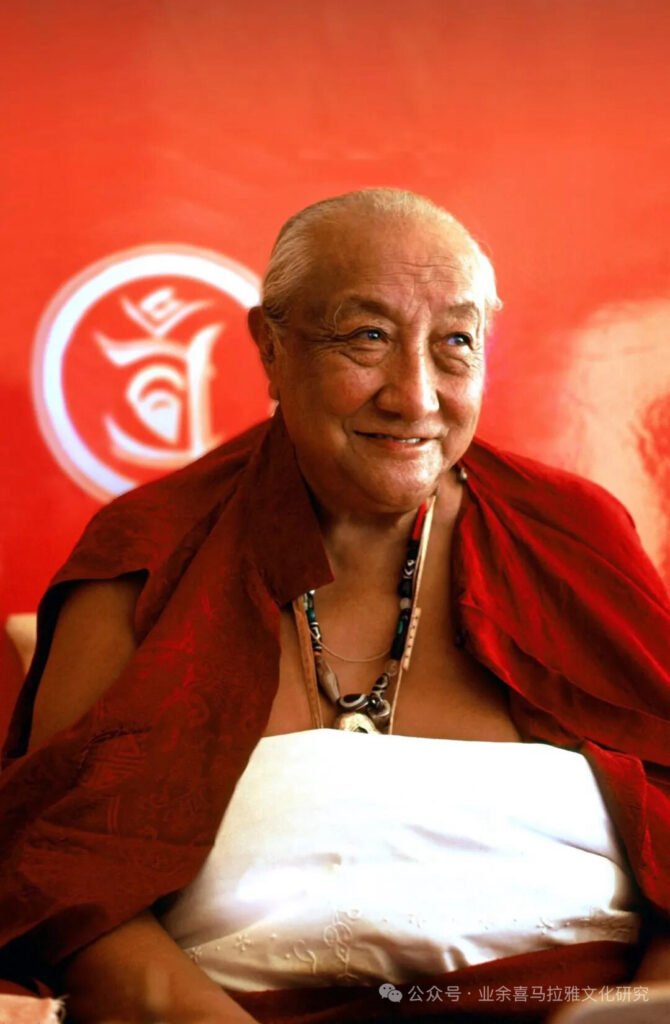
Early Recognition as a Tulku
Soon after his birth, numerous auspicious signs appeared, drawing the attention of eminent masters such as Khenpo Shenga (མཁན་པོ་གཞན་དགའ་, 1871–1927) and Adzom Drukpa Drodul Pawo Dorje (ཨ་འཛོམ་འབྲུག་པ་འགྲོ་འདུལ་དཔའ་བོ་རྡོ་རྗེ་, 1842–1924).
They concluded that the child was very likely the reincarnation of Anpo Tenga Orgyen Tenzin Norbu (ཨོ་རྒྱན་བསྟན་འཛིན་ནོར་བུ་, 1841–1900), the root guru of his father and former master of Gemong Monastery.
Tragedy, Prophecy, and Confirmation
Tashi Paljor’s eldest brother had previously been identified as Anpo Tenga’s reincarnation. When Gemong Monastery dispatched a welcoming party led by Khenpo Yönten Gyatso (ཡོན་ཏན་རྒྱ་མཚོ་), they delayed crossing a river for one night. That same evening, a devastating earthquake struck, collapsing a wall of the Dilgo home and killing the eldest brother and grandparents.
At that moment, the 15th Karmapa happened to be residing nearby and presided over the funeral rites. The Dzogchen Rigdzin prophesied that the tulku would return again—this time as the son of Tashi Tsering.
Unbeknownst to the search party, Tashi Paljor’s mother had previously suffered a stillbirth. Thus, the newborn was identified as Anpo Tenga’s reincarnation. However, due to family responsibilities and the lack of male heirs, his father hesitated to allow him to enter monastic life, despite the child displaying continuous signs of realization.
Multiple Claims of Recognition
In 1911, Jamyang Lodrö Wangpo (འཇམ་དབྱངས་བློ་གཏེར་དབང་པོ་, 1847–1914), a disciple of Jamyang Khyentse Wangpo, identified Tashi Paljor as his master’s reincarnation and attempted to enthrone him.
Mipham Rinpoche, however, remained cautious and advised delaying any formal recognition, recommending that the child remain at home in quiet practice. Subsequent invitations followed from the 5th Dzogchen Rinpoche, Ngor Monastery, and other major institutions. The 3rd Kathok Situ Chökyi Gyatso (ཀཿཐོག་སི་ཏུ་ཆོས་ཀྱི་རྒྱ་མཚོ་, 1880–1925) even publicly declared him the reincarnation of the 3rd Karma Kuchen of Palyul Monastery (ཀརྨ་སྐུ་ཆེན ༠༣ མདོ་སྔགས་ཆོས་ཀྱི་ཉི་མ།, 1854–1906).
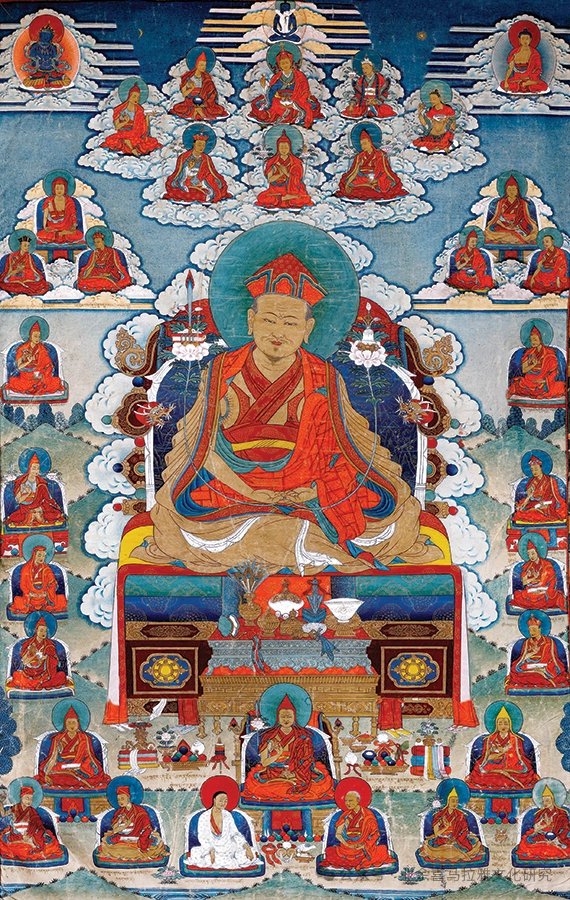
Encounters After the Parinirvana of Mipham Rinpoche (1912)
In 1912, following the parinirvana of Mipham Rinpoche (འཇུ་མི་ཕམ་), the 4th Shechen Gyaltsab Gyurme Pema Namgyal (ཞེ་ཆེན་རྒྱལ་ཚབ་འགྱུར་མེད་པདྨ་རྣམ་རྒྱལ་, 1871–1926) of Shechen Monastery (ཞེ་ཆེན།)—one of the Six Mother Monasteries of the Nyingma tradition—presided over the cremation rites and grand offering ceremonies.
During this visit, he deliberately traveled to the Dilgo family residence and formally requested Tashi Tsering to allow the young Tashi Paljor to enter monastic life and begin structured Buddhist training. Although Tashi Tsering verbally agreed, he ultimately decided to keep his son at home, believing the time was not yet ripe.
Recognition During the Lhasa Pilgrimage (1916)
In 1916, while the Dilgo family was on pilgrimage to Lhasa, the 5th Taklung Matrul Ngawang Tendzin Nyima confirmed Tashi Paljor as an authentic reincarnate master (tulku). He directly asked Tashi Tsering whether he intended his son to become a monk or remain a lay practitioner.
Citing the heavy responsibilities of the family and the lack of heirs, Tashi Tsering stated his wish that the child continue life as a householder practitioner, at least for the time being.
Meeting Adzom Drukpa and the First Monastic Steps (1919)
In 1919, the Dilgo family traveled to Shechen Monastery to meet Adzom Drukpa Drodul Pawo Dorje (ཨ་འཛོམ་འབྲུག་པ་). The master performed rituals to clear obstacles and strongly urged Tashi Tsering to allow his son to ordain without further delay.
Although Mipham Rinpoche had previously advised that shaving the head before the age of twenty was not ideal, Adzom Drukpa symbolically cut a small lock of Tashi Paljor’s hair, granted him lay vows, and bestowed the Dharma name Orgyen Kyap (ཨོ་རྒྱན་སྐྱབས་).
That same year, Tashi Paljor received the complete empowerment and oral transmission of the Longchen Nyingthig preliminary practices (ཀློང་ཆེན་སྙིང་ཐིག་). Masters from Shechen, Dzogchen, and other major centers continued to bestow teachings upon him, warning repeatedly that excessive delay in ordination would eventually create obstacles on the spiritual path.
A Life-Altering Accident and the Awakening of Renunciation
Not long afterward, an unexpected accident became a decisive turning point. One evening, while playing with his brothers in the kitchen, Tashi Paljor accidentally overturned a pot of boiling soup, severely scalding his left leg.
Lama Rigdzin Tekchok performed healing rituals that significantly eased the pain, but the injury confined him to bed for nearly six months. This prolonged recovery deeply affected the family and led them to reflect seriously on the repeated advice of the great masters.
During this period, Tashi Paljor developed a powerful sense of renunciation (nges ’byung) and personally requested to take full ordination.
Ordination and Continued Household Practice
Following his request, Lama Osel—a disciple of Mipham Rinpoche—shaved his head, conferred vows, and offered him monastic robes. Although several senior lamas recommended enthroning him formally as a tulku, Tashi Tsering held a different view.
He believed that seating his son on a monastic throne would entangle him in ceremonies, social obligations, and offerings, thereby obstructing genuine spiritual training. As a result, he decided that Tashi Paljor should continue his studies without formal enthronement, focusing on practice rather than status.
Journey to Jyegu and Formal Monastic Education
As Tashi Paljor’s injuries were healing, Khenpo Shenga happened to pass by the Dilgo household. At the time, he was traveling under the instruction of Jamyang Lodrö Wangpo to establish a Buddhist academy in Jyegu Do (སྐྱེ་དགུ་མདོ་, present-day Yushu).
Khenpo Shenga once again confirmed Tashi Paljor as the reincarnation of Anpo Tenga and sincerely invited him to accompany the journey. Accepting this opportunity, Tashi Paljor departed with his second elder brother for Jyekundo Dondrub Ling (སྐྱེ་དགུ་མདོ་དོན་གྲུབ་གླིང་།) —a renowned Sakya institution.
Novice Ordination and Dharma Names (1919)
In April 1919, Tashi Paljor received novice vows (śrāmaṇera) before Khenpo Shenga and was given the extended Dharma name:
Jigme Rabsal Dawa Khyenrab Tenpa Dorje Gyaltsen
(འཇིགས་མེད་རབ་གསལ་ཟླ་བ་མཁྱེན་རབ་བསྟན་པ་རྡོ་རྒྱས་)
During his youth, he was commonly known as Tulku Selga or simply Rabsal Dawa (རབ་གསལ་ཟླ་བ་).
Early Scholastic Training and Teaching Responsibility (1920)
In 1920, Tashi Paljor began formal study of Madhyamaka, starting with Madhyamakāvatāra (དབུ་མ་ལ་འཇུག་པ). To test both his understanding and his ability to apply the teachings, Khenpo Shenga instructed him to teach the text to his own mother.
This early responsibility reflected the master’s confidence in the young monk’s intellectual clarity and contemplative capacity.
Retreat at Sechung Peak and Advanced Dzogchen Training
Toward the end of that year, Khenpo Shenga planned an extended retreat near Dzogchen Monastery, at Sechung Peak (ཁོ་རི་རྡོ་རྗེ་ཟིལ་ཁོམ་), a sacred mountain rising to 5,816 meters.
In order to maintain uninterrupted instruction, he invited Tashi Paljor to accompany him. During this retreat, Khenpo Shenga transmitted:
- Kunzang Lama’i Shelung (ཀུན་བཟང་བླ་མའི་ཞལ་ལུང་),
- Madhyamaka treatises, including Nāgārjuna’s Mūlamadhyamakakārikā.
Following this, Tashi Paljor and his brother undertook a one-month Vajrakīlaya (རྡོ་རྗེ་ཕུར་པ) group retreat at Saga Sangdrub Ling, using the practice text transmitted by Mipham Rinpoche.
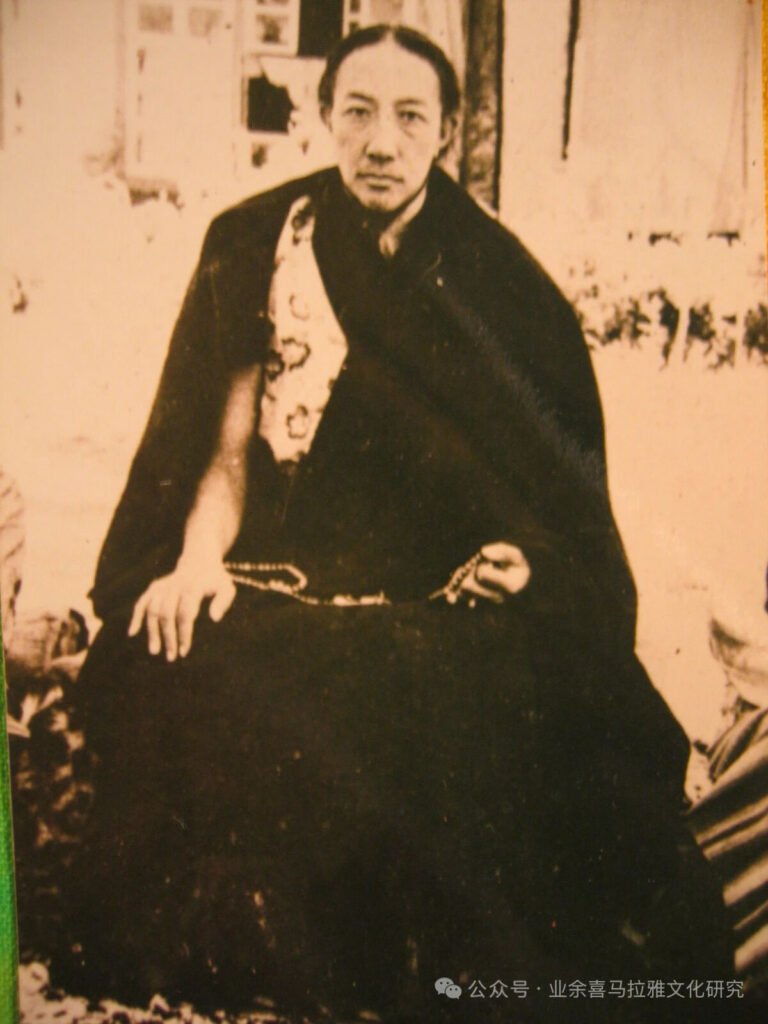
Early Signs of Accomplishment
According to oral accounts, during this retreat period, Tashi Paljor once employed ritual meditation to discipline a runaway servant—an episode often cited as an early indication of his meditative power.
In the years that followed, he continued studying sutra and tantra under numerous masters at Dzogchen Monastery, while repeatedly engaging in short-term retreats, steadily laying the foundation for his later mastery of Dzogchen and the Rimé transmission lineages.
Revelation of the Padma Tseyi Nyingthik Terma
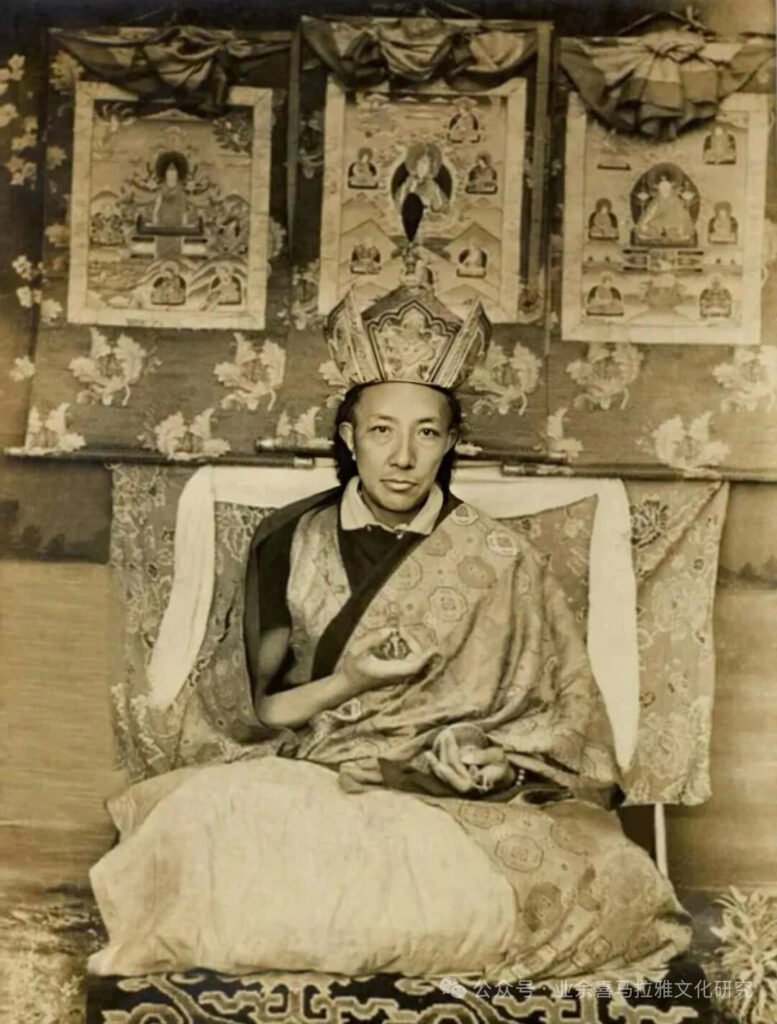
In 1935, while staying near Ladro Monastery in Nangchen, Tashi Paljor revealed the first section of his renowned mind terma, Padma Tseyi Nyingthik (པདྨ་ཚེ་ཡི་སྙིང་ཐིག་, The Heart Essence of Guru Padmasambhava’s Longevity), at Dothi Gangkar, a sacred white mountain revered for its spiritual potency.
The following year, in 1936, he revealed the remaining sections of the same terma at Crystal Lotus Cave (པདྨ་ཤེལ་ཕུག་) near Dzongsar Monastery. This cave had previously been opened by Jamyang Khyentse Wangpo and Chokgyur Dechen Lingpa (མཆོག་གྱུར་བདེ་ཆེན་ཞིག་པོ་གླིང་པ་, 1829–1870) and is counted among the twenty-five sacred sites of eastern Tibet. The revelation firmly established Tashi Paljor as a fully matured tertön within the Khyentse lineage.
Final Authorization as Dharma Heir of Dzongsar Khyentse Chökyi Lodrö
After completing extended retreats, Tashi Paljor remained in close attendance on Dzongsar Khyentse Chökyi Lodrö for many years. During this time, he received vast empowerments, oral transmissions, and pith instructions, and was ultimately formally authorized as a Dharma heir.
Although Tashi Paljor expressed a lifelong wish to remain in solitary retreat, Dzongsar Khyentse Chökyi Lodrö advised him plainly:
“You have now ripened. The teachings you have received must be spread widely for the benefit of beings.”
From that moment onward, Dilgo Khyentse Rinpoche adopted this instruction as a lifelong vow, dedicating his life to tireless teaching, transmission, and compassionate activity, ensuring the continuity of both the Khyentse lineage and the Rimé spirit.
Encounters with the 9th Panchen Lama and Family Life (1937–1943)
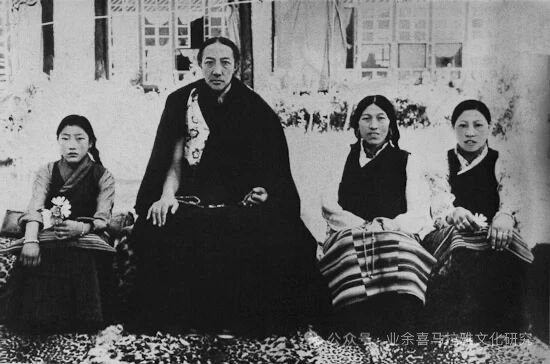
In 1937, Tashi Paljor met the 9th Panchen Lama at Jyegu Monastery. That same year, his eldest daughter, Chime Dronkar, was born.
In 1943, his youngest daughter, Dechen Wangmo, was born, during a period when he was already widely active as a teacher and tertön across Kham and Amdo.
Completion of Major Lineage Transmissions (1944–1945)
In 1944, Tashi Paljor spent extended periods practicing alongside Dzongsar Khyentse Chökyi Lodrö at Dzongsar Monastery, where he fully received:
- The complete Nyingma Kama (རྙིང་མ་བཀའ་མ་),
- The transmission of The Treasury of Knowledge (ཤེས་བྱ་ཀུན་ཁྱབ་མཛོད་), compiled by the 1st Jamgön Kongtrul.
Following this, he undertook pilgrimages to Markham, Me’khyé, and other sacred locations associated with the three great 19th-century tertöns, identifying terma artifacts, making offerings, and revealing additional hidden teachings.
In February 1944, he traveled with his third elder brother to Palpung Monastery.
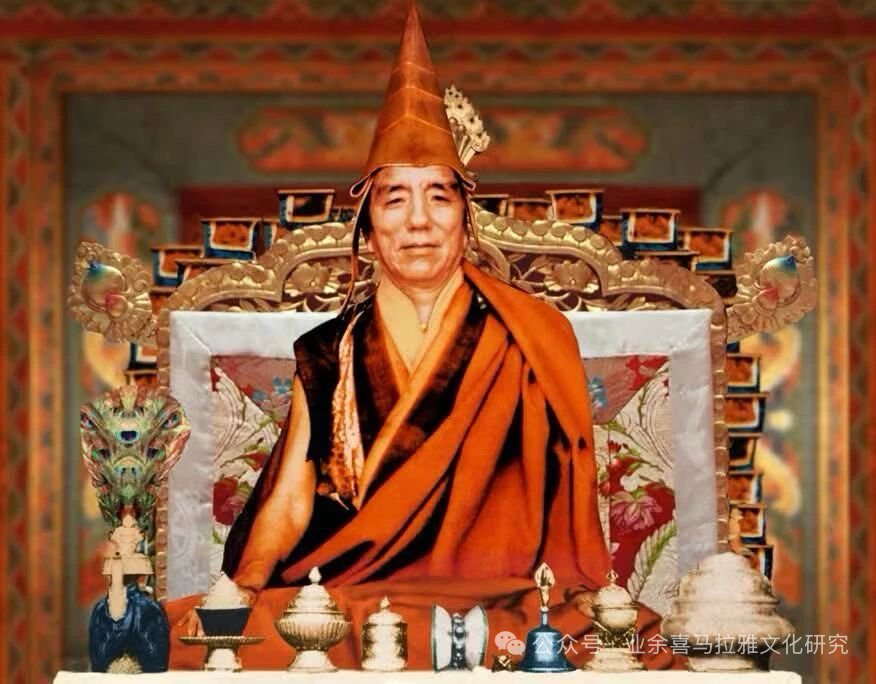
At the beginning of 1945, Dzongsar Khyentse Chökyi Lodrö conferred upon Tashi Paljor—and more than one hundred disciples—the complete empowerments and transmissions of the Rinchen Terdzö (རིན་ཆེན་གཏེར་མཛོད་), firmly establishing him as one of the principal lineage holders of the Khyentse transmission.
Teaching Activity Across Kham and Amdo (1946)
In 1946, Tashi Paljor traveled extensively as a tertön and teacher through Derge, Nangchen, Rebgong, and Amnye Machen, propagating terma teachings and tantric transmissions.
His first major public teaching cycle took place in Amdo, where he taught approximately two thousand yogis over a period of six months.
While in Nangchen (ནང་ཆེན་རྫོང་།), he paid homage to lineage holders of Chokgyur Lingpa, including:
- Terse Tulku Gyurme Tsewang Tenpel (འགྱུར་མེད་ཚེ་དབང་བསྟན་འཕེལ་, 1889–1956),
- The 3rd Tsikey Chöling (1940–1952),
- The 3rd Neten Chöling (གནས་བརྟན་མཆོག་གླིང་པད་མ་འགྱུར་མེད་, 1928–1974).
Third Neten Chöling had become a close friend after receiving the Rinchen Terdzö together at Dzongsar Monastery the previous year.
Discovery of Dakini Script and Further Terma Cycles
While examining ritual implements belonging to Chokgyur Lingpa, Tashi Paljor discovered and successfully deciphered a page of ḍākinī script, from which he compiled a profound terma system related to the Eight Heruka Teachings (བཀའ་བརྒྱད་).
He subsequently taught these transmissions at Surmang Düdtsi Thil, Trangu Monastery, and several regional monasteries.
In Derge, he presided over long-life and disaster-averting rituals for the Derge Chieftain. During a one-year stay in Rebgong (རེབ་གོང་), he transmitted the Rinchen Terdzö and later revealed new terma at Amnye Machen (ཨ་མྱེས་རྨ་ཆེན།).
Revelation of the Nyakluk Phurba Terma
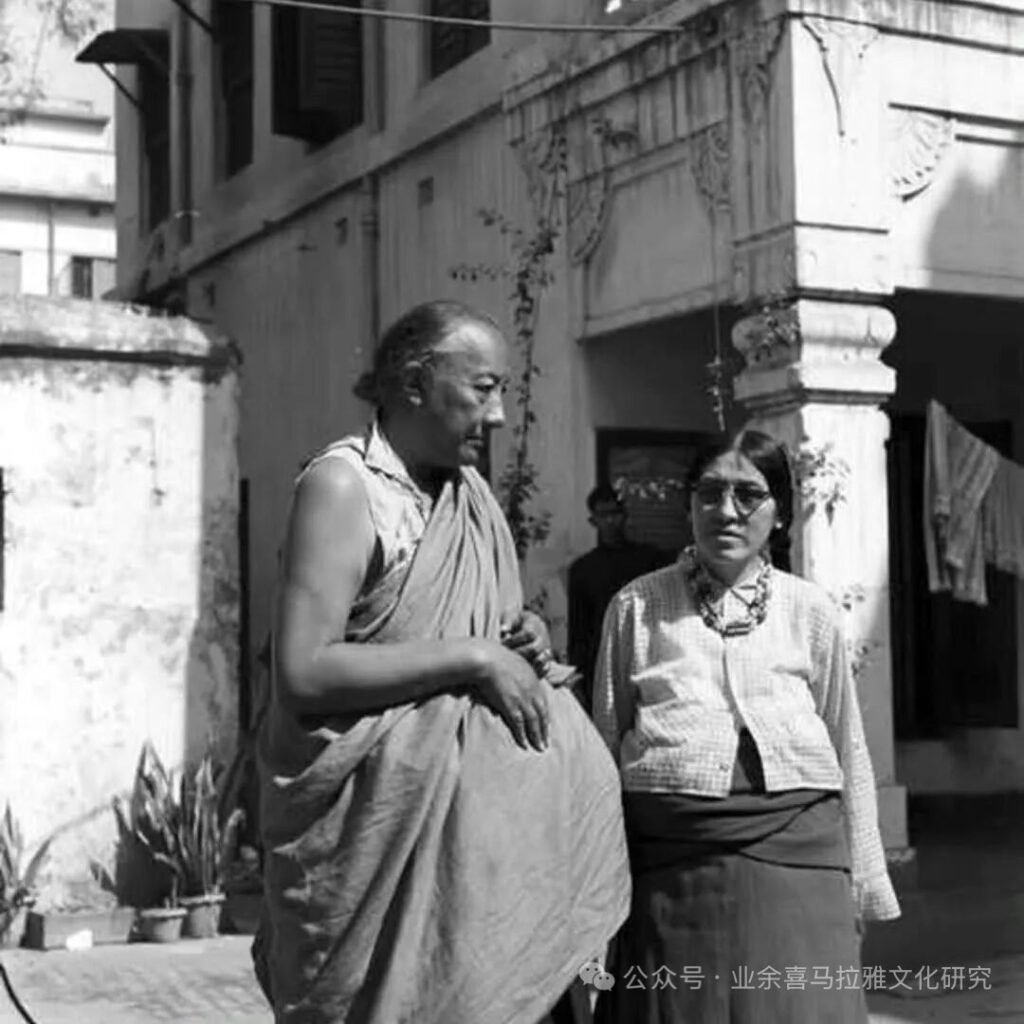
During an unplanned return to Nangchen, Tashi Paljor revealed the important Nyakluk Phurba (གཉགས་ལུགས་ཕུར་བ་) terma at Garma Monastery (ཀརྨ་དགོན།).
He later returned to Saga Monastery, the Dilgo family’s home monastery, to organize and interpret the teachings. Presenting the terma to Dzongsar Khyentse Chökyi Lodrö, he completed the composition of:
- Main practice texts,
- Daily sādhanas,
- Obstacle-removal rituals,
- Empowerment liturgies.
Journey to Lhasa and Major Teachings (1956)
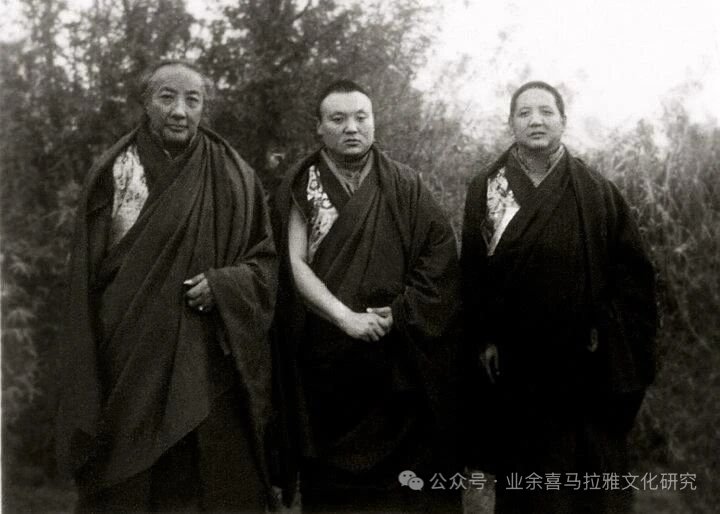
In 1956, at the age of 46, Tashi Paljor left Kham for Lhasa. While passing through Lhatok (ལ་ཐོག་) and Khampa Gar, his wife traveled from Kham to join him. Due to monastery demolitions, they departed immediately, interrupting an ongoing teaching led jointly by Tashi Paljor and the 8th Khamtrul Rinpoche.
While in Lhasa, he taught the Secret Treasury Tantra for four months and at Drigung Chubdo Monastery transmitted the entire terma cycle of Chokgyur Lingpa.
During this period, his second elder brother Apo Shedrub passed away.
He also stayed for one month at Mindrolling Monastery, where he met the 2nd Dudjom Rinpoche for the first time. He made offerings at the Jokhang Temple and later accompanied the 41st Sakya Trizin to Norbulingka.
Departure from Tibet and Settlement in Bhutan (1959–1965)
In 1959, Tashi Paljor left Tibet with his family and disciples—including his third elder brother and Tenga Rinpoche—crossing Drula and Dora passes into Bhutan. After being detained at the border for twelve days, they were allowed entry.
While in Bhutan, he learned via radio of the parinirvana of Dzongsar Jamyang Khyentse Chökyi Lodrö, prompting plans to travel onward to Sikkim.
Passing through Kalimpong, he paid homage to his teacher’s relics, later residing temporarily with the 2nd Dudjom Rinpoche. During this period, he frequently traveled between Bhutan and Sikkim, transmitting the Rinchen Terdzö to the 3rd Dzongsar Jamyang Khyentse.
In 1961, he was invited to Thimphu, where he became Principal of the Central Monastic Body.
Loss, Responsibility, and Recognition of Reincarnation
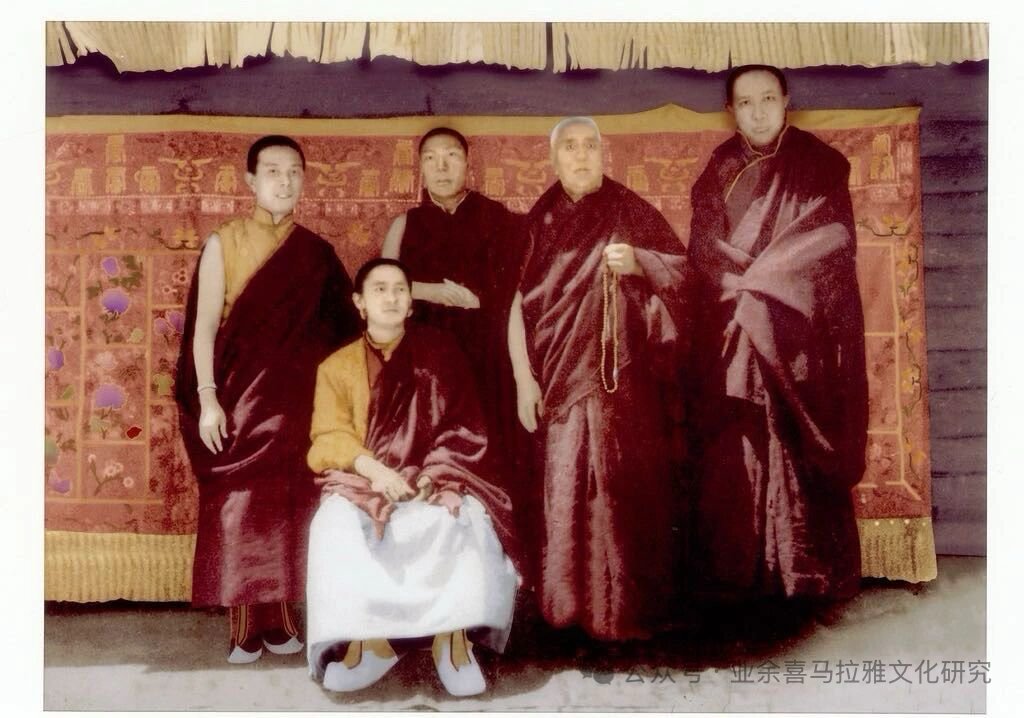
In 1962, tragedy struck as his third elder brother passed away in Sikkim, while his youngest daughter fell gravely ill. In 1963, she died of an infectious disease in Lucknow, where Tashi Paljor was able to see her one final time.
He returned to Bhutan at the invitation of Gelong Pema Dorje of Nyimalung Monastery in 1965, conducting major pacification rituals following internal unrest. He was soon granted Bhutanese citizenship, and Bhutan became his primary residence.
Vision of the Shechen Masters and Recognition of the 7th Shechen Rabjam
One night near Boudhanath Stupa in Kathmandu, Tashi Paljor dreamed of three departed masters of Shechen Monastery: Shechen Rabjam, Shechen Kongtrul, and Shechen Gyaltsab. In the dream, Shechen Kongtrul told him they would unite into a single incarnation to assist his activities.
The 16th Karmapa later confirmed this incarnation as Jigme Chokyi Sengge (born 1967), the son of Chime Wangmo, whom Tashi Paljor recognized as the 7th Shechen Rabjam Rinpoche.
Western Teaching Activity and Establishment of Shechen Monastery in Exile
From 1975 onward, Tashi Paljor traveled repeatedly to Europe and North America, founding a three-year retreat center in Dordogne, France.
In 1977, he led a six-month teaching program in Solukhumbu, transmitting Guhyagarbha, Four Heart Essences, Instruction Treasury, and Collections of Sādhanas.
In 1980, he founded Shechen Tennyi Dargyeling Monastery near Boudhanath, which became the principal Shechen monastery outside Tibet and a major Nyingma publishing center.
Return to Tibet and Final Years of Activity
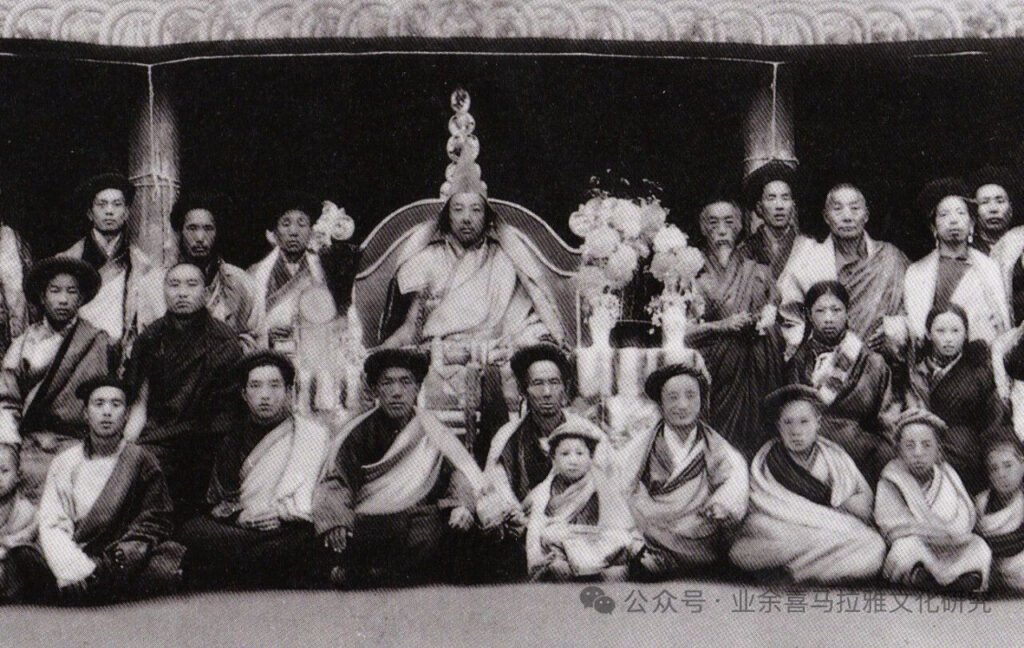
He returned to Tibet as part of an official Bhutanese delegation in 1985, consecrating a new Guru Rinpoche statue at the Jokhang and visiting rebuilding monasteries.
In 1987, following the parinirvana of the 2nd Dudjom Rinpoche, he became Supreme Head of the Nyingma tradition, serving until 1991.
In 1990, he presided over the reconsecration of Samye Monastery, personally supporting reconstruction and monastic education wherever permitted.
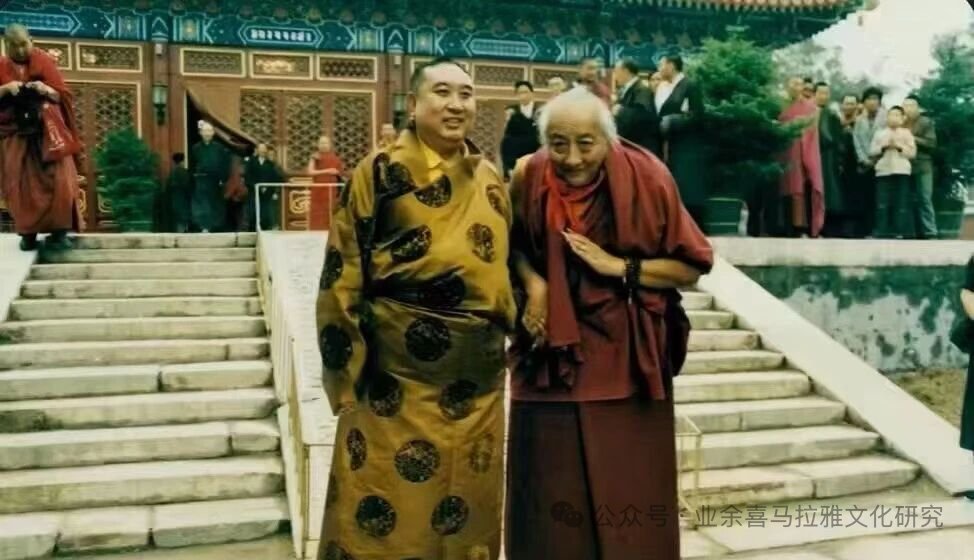
Parinirvana and Cremation Ceremony
On September 28, 1991, Dilgo Khyentse Rinpoche passed into parinirvana in Bhutan.
In November 1992, a three-day cremation ceremony was held in Paro, attended by hundreds of lamas and monks, the Bhutanese royal family, government officials, more than 500 Western disciples, and over 60,000 devotees.
Dilgo Khyentse Rinpoche: Preserving Tibetan Buddhism Through Teaching, Texts, and Transmission
Dilgo Khyentse Rinpoche (དིལ་གོ་མཁྱེན་བརྩེ་རིན་པོ་ཆེ་) devoted his entire life not only to teaching the Dharma and benefiting sentient beings, but also to one of the most extensive projects of textual preservation and publication in modern Tibetan Buddhist history. He personally oversaw the editing, compilation, and printing of more than three hundred Buddhist texts, ensuring the survival of countless lineages that might otherwise have been lost.
Reprinting Buddhist Scriptures After Cultural Devastation
In the early 1960s, Tibetan literary and religious heritage suffered catastrophic destruction. Large numbers of manuscripts, commentaries, and practice texts were damaged or lost. At this critical moment, Dilgo Khyentse Rinpoche undertook the immense task of reprinting essential sutras, tantras, and commentaries, often at great personal effort and expense. Through this work, invaluable Buddhist teachings were preserved and transmitted to future generations.
At the same time, he actively encouraged the rebuilding of monasteries and stupas. He sponsored the construction of a stupa at Bodh Gaya in India, built several monasteries in Bhutan, and supported the restoration of Samye Monastery, Shechen Monastery, and more than two hundred monasteries across the Himalayan region.
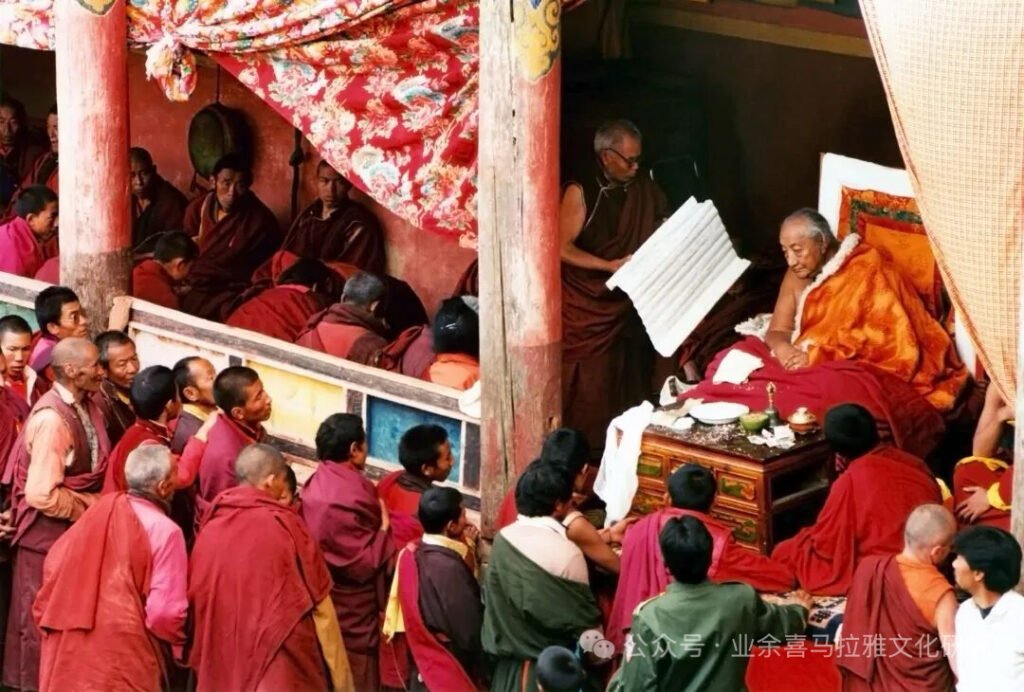
Tireless Teaching Even in Old Age
Even in his later years, Dilgo Khyentse Rinpoche showed remarkable vitality, displaying little sign of physical decline. Recognized as one of the greatest Dzogchen masters of the modern era, he continued to travel widely throughout the Himalayas and the Western world to teach.
His teachings were known for being profound yet accessible, making complex Buddhist philosophy understandable without diluting its depth. His books were translated into multiple Western languages and reached practitioners across cultures. As a tertön (གཏེར་སྟོན་), the treasure texts he revealed were eventually compiled into five volumes, forming an important part of contemporary Tibetan Buddhist literature.
Daily Discipline and Personal Presence
As a scholar, great practitioner, and poet, Dilgo Khyentse Rinpoche embodied a presence that was simple, dignified, vast, and quietly humorous. Those around him were deeply touched by his warmth and clarity.
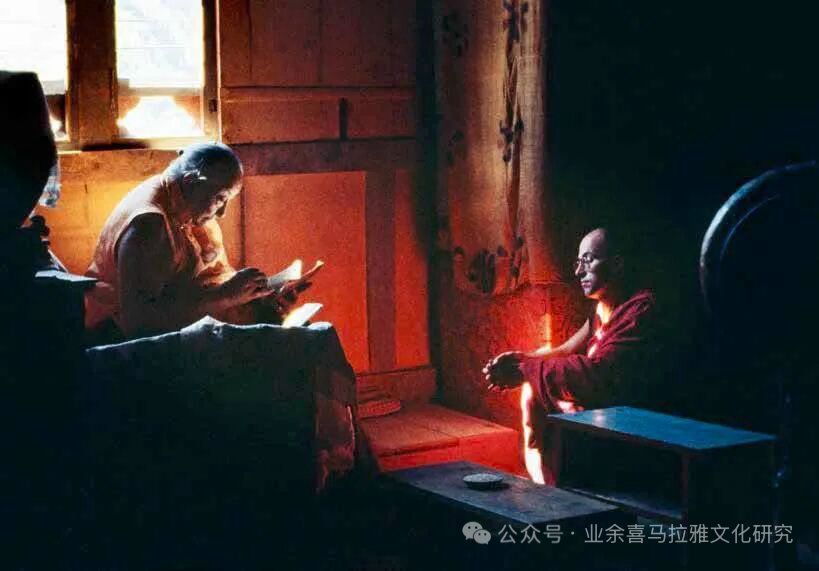
His daily routine reflected extraordinary discipline. He began practice at 4:00 a.m., meditating and chanting until 9:00 a.m., after which he received monks and lay followers. Throughout the day and often late into the night, he continued teaching, advising, and guiding students. His blessings, encyclopedic knowledge, and penetrating insight gave his teachings a distinctive character—solemn yet vivid, authoritative yet deeply human.
A Master of Longchen Nyingthig and Non-Sectarian Vision
Dilgo Khyentse Rinpoche’s writings span poetry, meditation manuals, ritual texts, commentaries, and major treasure cycles. He was one of the most important holders of the Longchen Nyingthig (ཀློང་ཆེན་སྙིང་ཐིག) lineage, integrating view, meditation, and conduct seamlessly throughout his life.
His activities—teaching, writing, rebuilding monasteries, and training disciples—were never separate from his realization. They flowed naturally from his awakened state, perfectly expressing the Dzogchen principle of the unity of view, practice, and daily life.
He was also one of the principal teachers of Chögyam Trungpa Rinpoche (ཆོས་རྒྱམ་དྲུང་པ་རིན་པོ་ཆེ་, 1940–1987). After Trungpa Rinpoche’s passing, many of his students turned to Dilgo Khyentse Rinpoche as their root teacher.
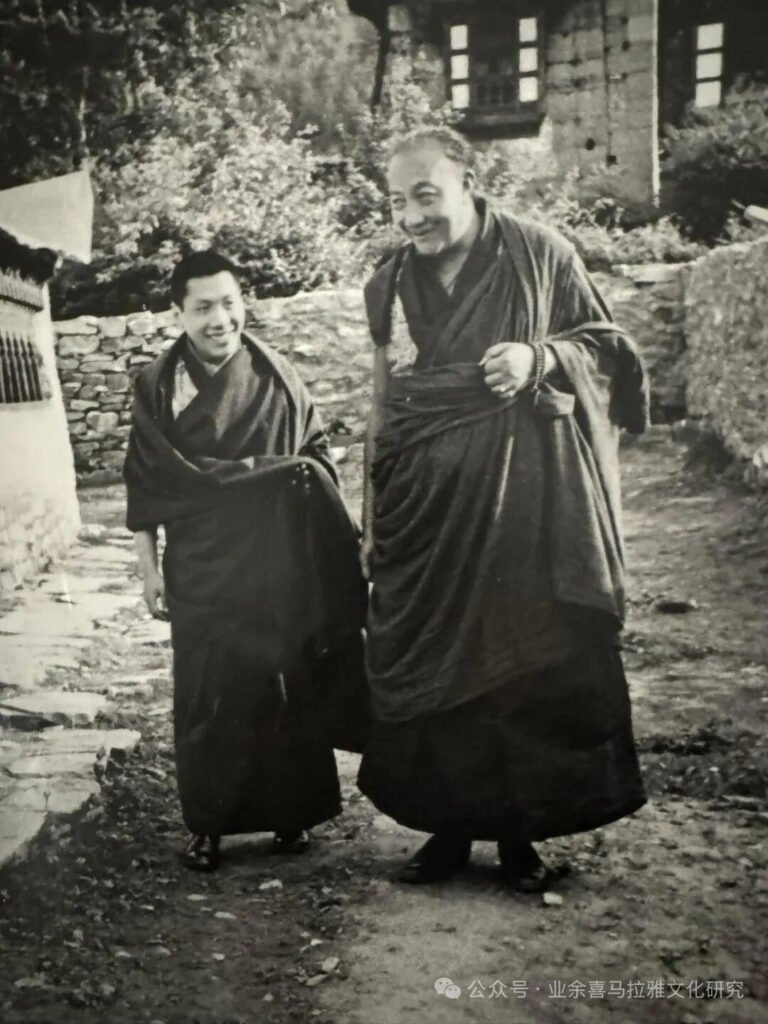
“The Teacher of Teachers”
Dilgo Khyentse Rinpoche taught extensively in Tibet, Nepal, Bhutan, India, Europe, and North America. His disciples came from all four major Tibetan Buddhist schools, earning him the title “the teacher of teachers.” His principal lineage holder was Trulshik Rinpoche (འཁྲུལ་ཞིག་ངག་དབང་ཆོས་ཀྱི་བློ་གྲོས་, 1924–2011).
He is widely revered as the embodiment of the Rimé (རིས་མེད་) or non-sectarian spirit. Without bias, he protected, received, and transmitted teachings from all traditions. He accepted empowerments freely, gave transmissions generously, and revitalized important lineages from across the four schools through both teaching and writing.
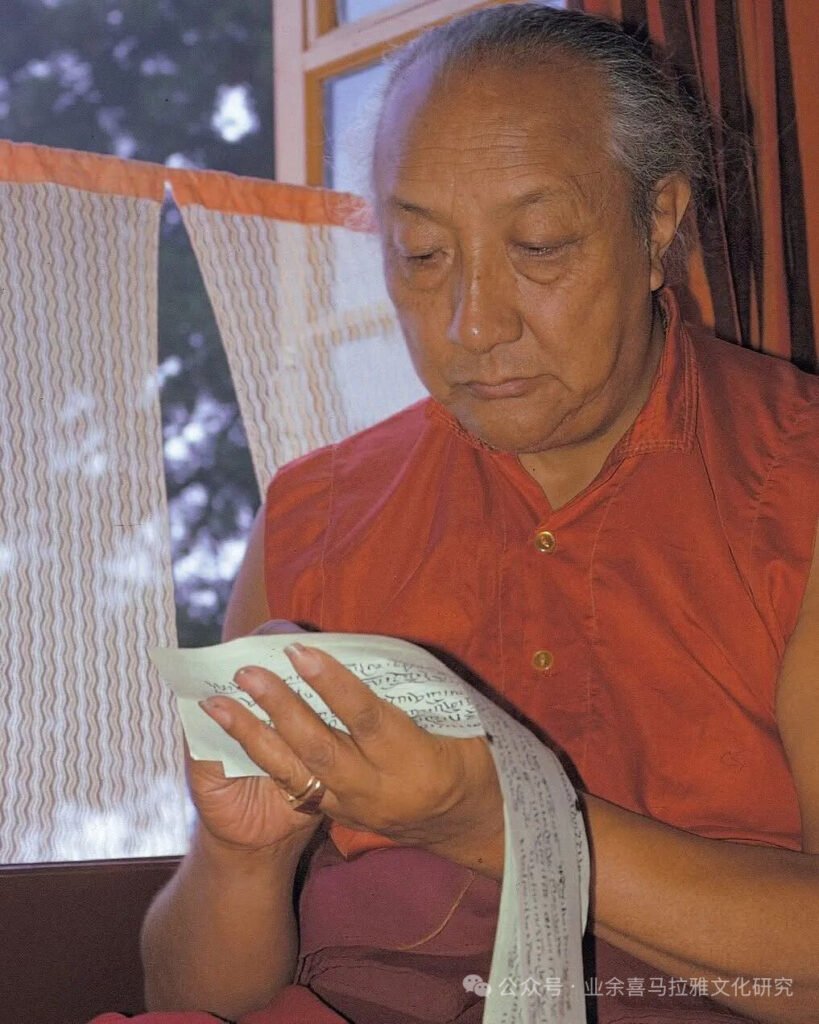
A Life Dedicated to Practice and Transmission
Although his achievements were vast—twenty years in retreat, twenty-five volumes of scholarly works, countless published texts, and numerous cultural projects—Dilgo Khyentse Rinpoche always emphasized that practice and transmission mattered more than reputation or accomplishment.
His influence profoundly shaped both Eastern and Western sanghas. His living legacy continues through his students and the Dilgo Khyentse Foundation, which carries forward his educational and humanitarian work.
Exemplary Humility in Receiving Teachings
Gyatrul Rinpoche (1924–2023) once praised Dilgo Khyentse Rinpoche as the supreme example of humility, diligence, and samaya while receiving empowerments (དབང) and oral transmissions (ལུང), even when he was already one of the most learned masters of his time.
Scholar B. Alan Wallace similarly noted that Dilgo Khyentse Rinpoche actively sought out endangered oral transmissions, regardless of who held them. If a lineage was at risk, he would receive it first and then pass it on, ensuring its survival.
A Living Example of Non-Discrimination
At Shechen Monastery in Nepal, an elderly Sherpa monk once arrived dressed in worn clothing. An attendant dismissed him and asked him to wait. Instead, the monk walked directly into Dilgo Khyentse Rinpoche’s room. Later, when Shechen Rabjam Rinpoche came to visit, he found the door locked. The attendant explained that Dilgo Khyentse Rinpoche was receiving teachings from the old monk—because the monk held transmissions that he himself had not yet received.
Through such actions, Dilgo Khyentse Rinpoche demonstrated that the value of Dharma lies not in status, but in the authenticity of the teaching itself.
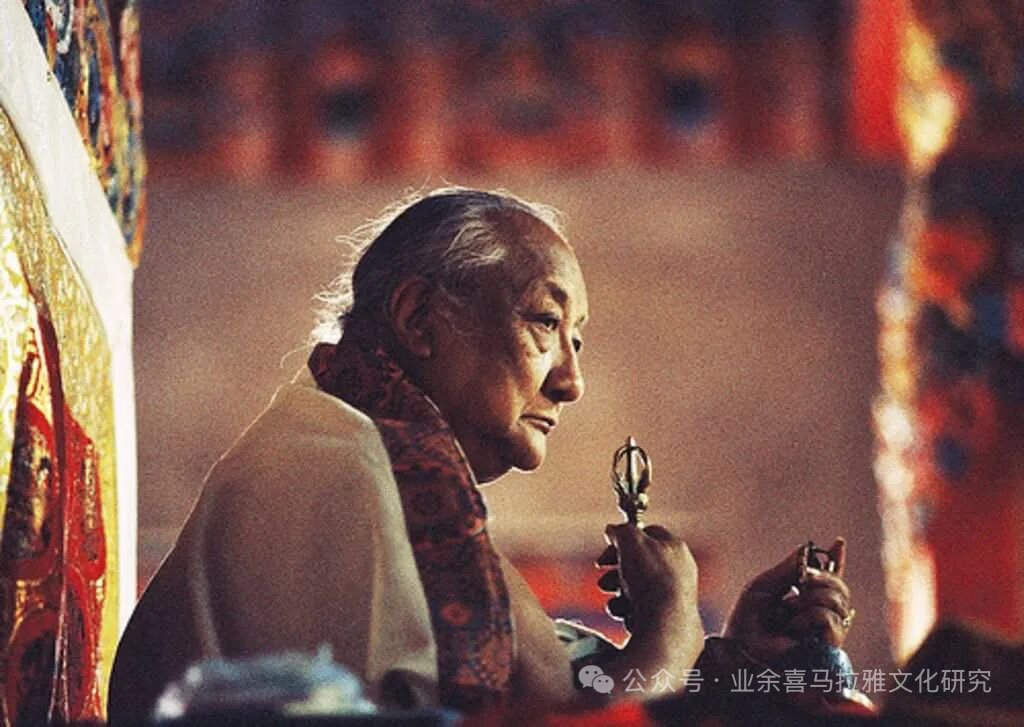
Reviving Rare and Endangered Lineages
Throughout his life, Dilgo Khyentse Rinpoche continuously studied, practiced, and revealed new treasures. One such cycle, Rangjung Padmai Nyingthig (རང་བྱུང་པདྨའི་སྙིང་ཐིག), was first discovered in Tibet during his twenties but lost while fleeing the country. At his disciples’ request, he later re-revealed it in Nepal. When the original manuscript was eventually recovered, the two versions matched almost perfectly—demonstrating the non-fabricated nature of authentic treasure revelation.
Films Documenting His Life and Legacy
In 1998, the documentary Spirit of Tibet: Journey to Enlightenment, directed by Matthieu Ricard, traced Dilgo Khyentse Rinpoche’s life from birth to rebirth, capturing rare religious rituals, sacred dances, and cultural heritage across Tibet, Bhutan, and Nepal.
In 2010, Brilliant Moon: Glimpses of Dilgo Khyentse Rinpoche, directed by the 4th Neten Chokling Rinpoche, combined animation, archival footage, photographs, and interviews. Narrated by Richard Gere and Lou Reed, it offered a comprehensive portrait of his spiritual life.
Collected Works and Lasting Influence
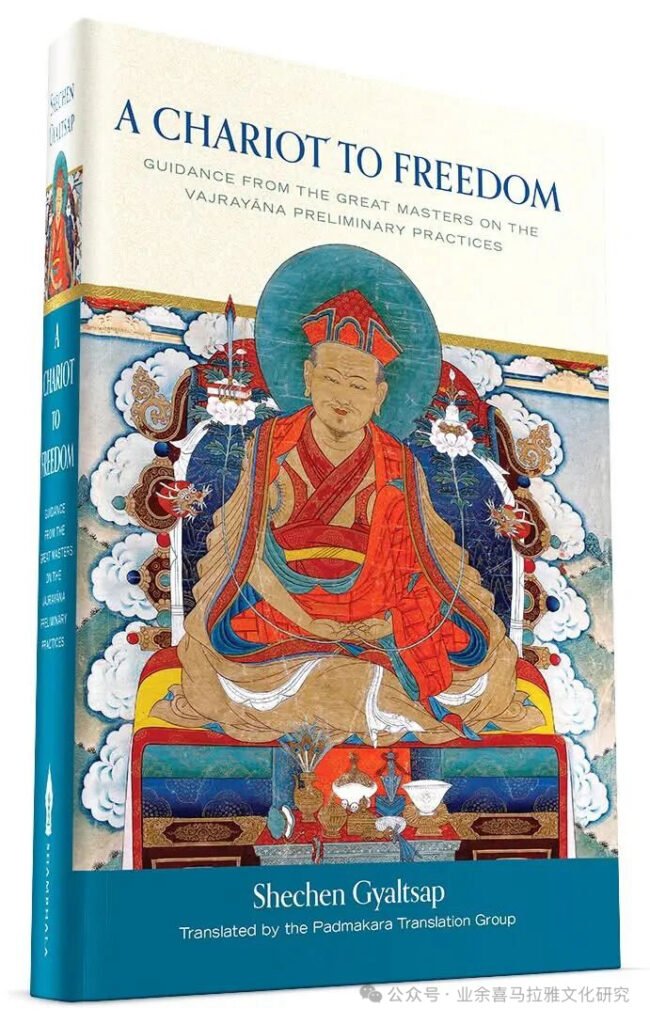
During his lifetime, Dilgo Khyentse Rinpoche edited and published over 300 volumes of Buddhist texts and compiled his own works and treasure revelations into 25 volumes. Several of his works have been translated into Chinese and other languages, including:
| Tibetan Title (Wylie / Tibetan) | Chinese Title | English Title |
|---|---|---|
| བློ་སྦྱོང་བརྒྱ་རྩ་ (blo sbyong brgya rtsa) | 《修行百颂:在俗世修行的101个忠告》 | The Hundred Verses of Advice |
| སྙིང་རྗེ་སྤེལ་བའི་གདམས་པ་ (snying rje spel ba’i gdams pa) | 《你可以更慈悲》 | You Can Be More Compassionate |
| གདམས་ངག་མན་ངག་སྙིང་པོའི་གཏེར་མཛོད་ (gdams ngag man ngag snying po’i gter mdzod) | 《证悟者的心要宝藏》 | The Heart Treasure of the Enlightened Ones |
| རྨོངས་པ་སད་པའི་སྤོབས་པ་ (rmongs pa sad pa’i spobs pa) | 《觉醒的勇气》 | The Courage to Be Awake |
| ཡིད་བཞིན་ནོར་བུ་། བླ་མ་བསྟེན་པ་ (yid bzhin nor bu / bla ma bsten pa) | 《如意宝——上师相应法》 | Wish-Fulfilling Jewel: Guru Yoga |
| རང་བྱུང་པདྨའི་སྙིང་ཐིག་སྔོན་འགྲོའི་འགྲེལ་བཤད་ (rang byung padma’i snying thig sngon ’gro’i ’grel bshad) | 《明示甚深道〈自生莲花心髓〉前行释论》 | Commentary on Rangjung Padmai Nyingthig Preliminary Practices |
He is among the rare masters honored with the title Kyabje, meaning “Supreme” or “Holy One.”
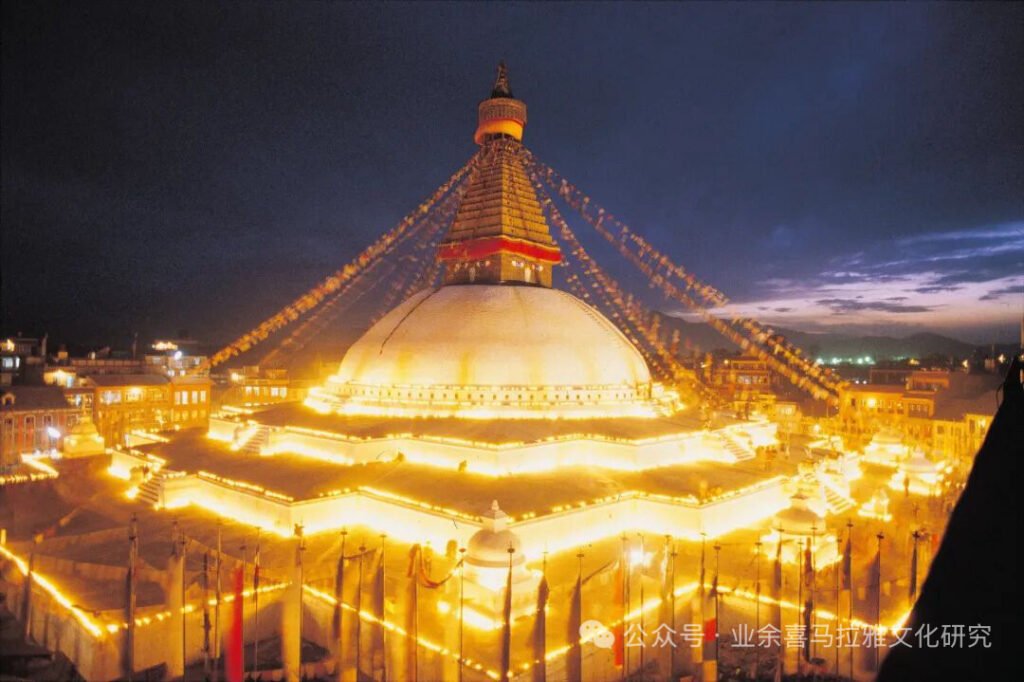
Reincarnation of Great master
After Dilgo Khyentse Rinpoche’s parinirvana, Trulshik Rinpoche and other masters searched for his reincarnation through signs and visions. The child was formally recognized as Dilgo Khyentse Yangsi Rinpoche, born on June 30, 1993, in Kathmandu, Nepal, to a family of accomplished lineage holders.
From early childhood, he received extensive training under Trulshik Rinpoche and the 7th Shechen Rabjam Rinpoche, completing nine years of Buddhist philosophical studies and later embarking on worldwide teaching tours that continue today.
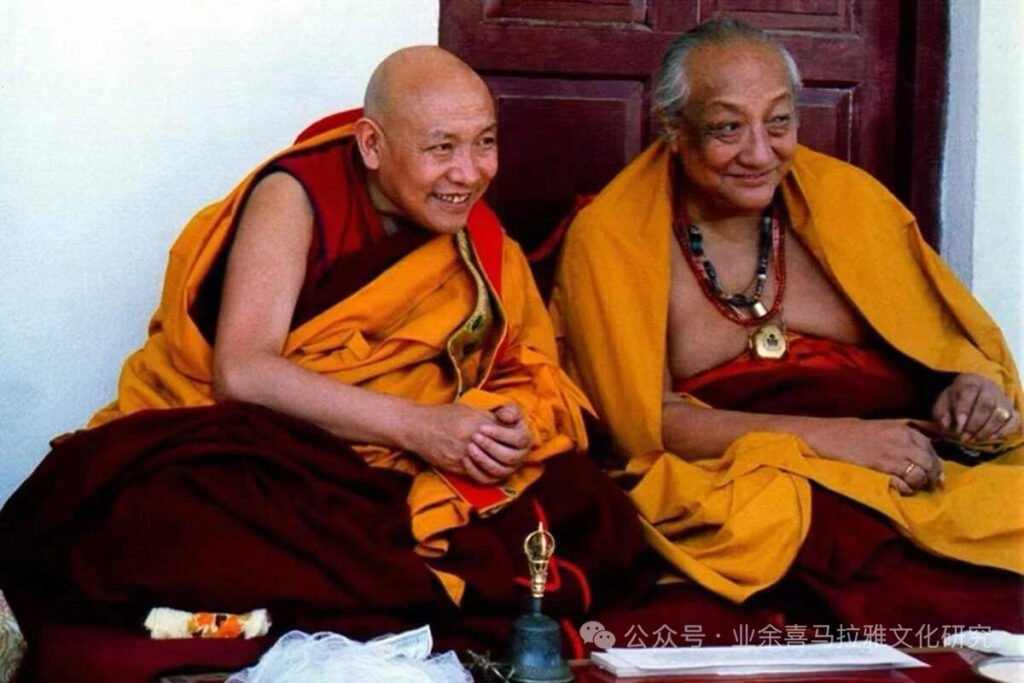
Recognition of Dilgo Khyentse Rinpoche
After the parinirvana of Dilgo Khyentse Rinpoche, Trulshik Rinpoche repeatedly searched for his reincarnation through extraordinary signs and visions. Together with the 7th Shechen Rabjam Rinpoche and other eminent masters, he formally confirmed the identity of the reincarnated tulku.
This reincarnation is known as Dilgo Khyentse Yangsi Rinpoche, whose full name is Orgyen Tenzin Jigme Lhundrup ( ཨོ་རྒྱན་བསྟན་འཛིན་འཇིགས་མེད་ལྷུང་གྲུབ་). He is universally recognized as the authentic reincarnation of Dilgo Khyentse Rinpoche, one of the greatest Rimé masters of modern Tibetan Buddhism.
Birth and Family Lineage
Dilgo Khyentse Yangsi Rinpoche was born on June 30, 1993, in Kathmandu, Nepal. This date corresponds to the 11th day of the 5th month of the Water Bird Year in the Tibetan calendar, the day following the sacred anniversary of Guru Padmasambhava’s birth.
His father is Tsikey Chokling Rinpoche, originally from Qinghai, and his mother is Sangyum Dechen Paldron, from Gyantse. His grandfather was Tulku Orgyen Rinpoche, and several members of his family belong to recognized tulku lineages, reflecting a deep and continuous spiritual heritage.
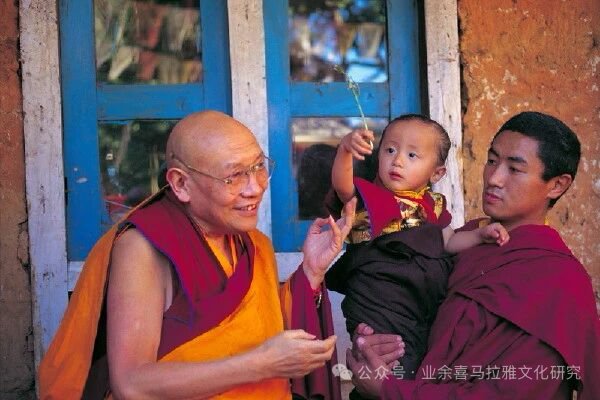
Naming, Tonsure, and Enthronement Ceremonies
On December 29, 1995, a formal naming ceremony was held for Dilgo Khyentse Yangsi Rinpoche in Nepal. Later, Trulshik Rinpoche performed his hair-cutting ceremony in the famous Long Life Cave of Maratika, offering prayers for his longevity and the flourishing of his activities.
In December 1996, Trulshik Rinpoche presided over the enthronement ceremony, formally establishing him as the holder of the Dilgo Khyentse lineage.
Education and Spiritual Training in Nepal and Bhutan
Dilgo Khyentse Yangsi Rinpoche received his primary spiritual education directly from Trulshik Rinpoche and the 7th Shechen Rabjam Rinpoche. His training took place mainly in Nepal and Bhutan, where he underwent systematic and traditional monastic education.
He completed nine years of Buddhist philosophical studies, while also becoming fluent in English, enabling him to communicate the Dharma to a global audience. His studies in both Sutra and Tantra were guided by Khenpo Yeshe Gyaltsen of Bhutan.
For many years, he has resided primarily in Bhutan, while returning annually during Losar (Tibetan New Year) to Shechen Monastery in Nepal to make offerings and teach the Dharma.
Centennial Commemoration and Global Dharma Activities
In 2010, Dilgo Khyentse Yangsi Rinpoche presided over large-scale celebrations in Nepal and Bhutan commemorating the 100th anniversary of Dilgo Khyentse Rinpoche’s birth, which also coincided with his own 17th birthday.
Following these events, he embarked on extensive international Dharma tours across Europe, North America, and Asia. The journey began in La Sonnerie, Dordogne, France—an important European Dharma center closely associated with the 2nd Dudjom Rinpoche and Dilgo Khyentse Rinpoche.
Teachings in Europe and the Americas
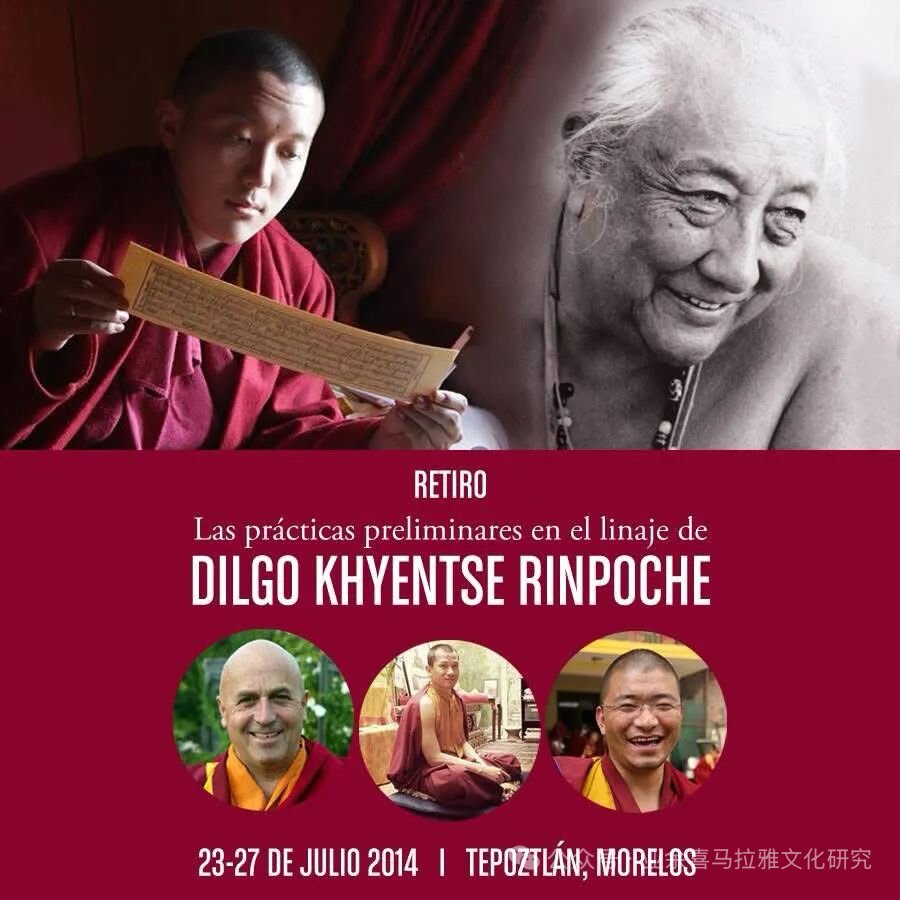
After La Sonnerie, Dilgo Khyentse Yangsi Rinpoche taught at Lerab Ling in France. He then joined the 7th Shechen Rabjam Rinpoche and Matthieu Ricard on an extensive Dharma tour across the Americas.
This tour included teachings in the United States, Canada, and Mexico, with major stops in New York, Boulder (Colorado), Vermont, as well as several locations throughout Canada and Mexico.
2014 Dharma Activities in France, the UK, and the Americas
In 2014, Dilgo Khyentse Yangsi Rinpoche continued teaching alongside Matthieu Ricard in France and the United Kingdom. At Nyima Dzong in Paris, he bestowed the Vajra Vidāraṇa empowerment (Tibetan: རྡོ་རྗེ་རྣམ་པར་འཇོམས་པ།) and celebrated his birthday with the sangha.
He then taught at Lerab Ling and Chanteloube, before traveling to the UK. In Rigpa London, he gave Dharma teachings, followed by a series of empowerments and teachings at the newly established Buddhist Community Centre UK in Aldershot, organized by the Nepalese Buddhist Association.
Teachings in Mexico and Canada
In July 2014, Dilgo Khyentse Yangsi Rinpoche traveled to Shechen México, where he taught the preliminary practices of Rangjung Pema Nyingtik (རང་བྱུང་པདྨའི་སྙིང་ཐིག་).
In Toronto, Canada, at Riwoche Gompa, he bestowed the empowerments of Uṣṇīṣavijayā (གཙུག་གཏོར་རྣམ་རྒྱལ་མ།) and Vajrakīlaya (རྡོ་རྗེ་ཕུར་པ་).
Major Drupchen and Tsok in Nepal
In July 2024, Dilgo Khyentse Yangsi Rinpoche presided over an eight-day major Drupchen and Tsok offering at Yempi Mahaviraha (E Maha Viraha) in Patan, Nepal. The practices focused on Rigbyedma, Guru Padmasambhava, and Yeshe Tsogyal (ཡེ་ཤེས་མཚོ་རྒྱལ).
According to tradition, this sacred site is believed to be a place where Guru Padmasambhava once taught, giving the event deep historical and spiritual significance.
International Dharma Event
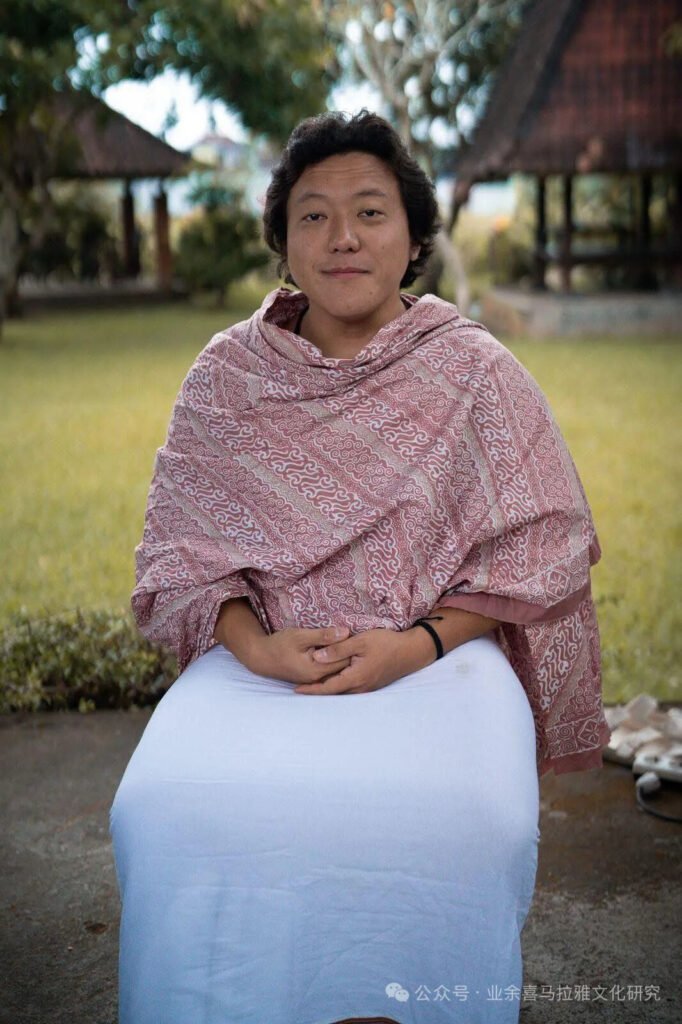
From December 27, 2025, to January 5, 2026, Dilgo Khyentse Yangsi Rinpoche lead a ten-day Dharma gathering at Pegulingan Temple in Bali.
Notes on Compilation and Sources
This rewritten account represents a renewed effort to organize and present the life, activities, and lineage of Dilgo Khyentse Rinpoche and Dilgo Khyentse Yangsi Rinpoche, both as an expression of respect and as a revision of earlier, less satisfactory versions.
Some specialized terms in this article are based on phonetic transliteration from limited available sources, and inaccuracies may remain. Corrections and scholarly feedback are sincerely welcomed. Should more historical materials become available in the future, further revised editions may be considered.