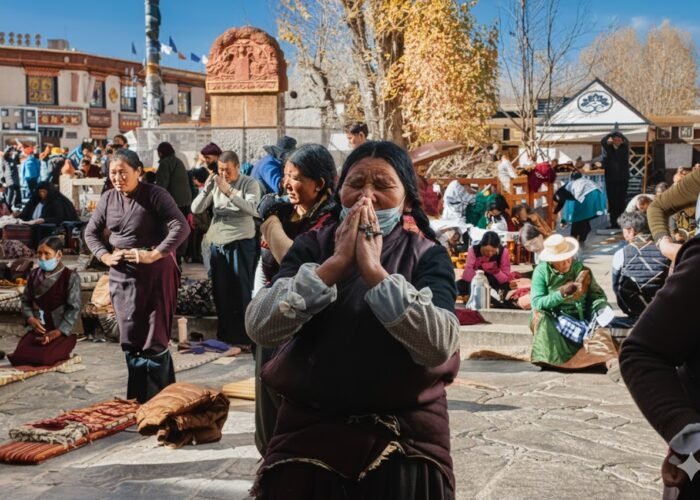
At the heart of the Tibetan Plateau, 3,650 meters above sea level, lies Lhasa — the City of Gods and the spiritual capital of Tibet. For centuries, this sacred city has drawn pilgrims, explorers, and seekers from across the world. Rich in religious significance, breathtaking natural beauty, and a culture that has endured for thousands of years, Lhasa is a destination unlike any other.
A City Shaped by Centuries of History
The history of Lhasa is deeply intertwined with the story of Tibet itself. For centuries, the city served as the seat of power for Tibetan kings before becoming the spiritual and political center of Tibetan Buddhism under the Dalai Lamas. That legacy is visible everywhere — in its monasteries, its streets, and in the daily lives of its people.
Lhasa is home to around 500,000 residents, with Tibetans making up the majority. The city’s population adds to its vibrant, culturally rich atmosphere, and locals are widely known for their warm hospitality and strong preservation of traditional Tibetan customs. The city is divided into seven administrative districts — Chengguan, Dagze, Dazi, Nyemo, and Qushui — each with its own distinct character and attractions.
In recent years, Lhasa has seen meaningful development and modernization, with improved infrastructure making it more accessible to international visitors without diminishing the depth of its cultural identity.
The Potala Palace: A Living Symbol of Tibet
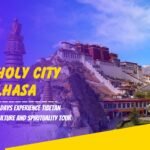
Perched on Red Hill and rising 13 stories high, the iconic Potala Palace is without question Lhasa’s most recognizable landmark. Once the winter residence of the Dalai Lamas, this UNESCO World Heritage Site features over 1,000 rooms, golden rooftops, and murals that tell stories stretching back 1,300 years. Its grand Tibetan architecture and sweeping views of the surrounding landscape make it a masterpiece in every sense.
Walking its winding corridors, visitors pass ancient thangkas, sacred relics, and chapels that have witnessed centuries of Tibetan history. An early-morning visit to the palace — before the crowds arrive — offers a particularly powerful experience, with the sunrise casting golden light across the city below.
Jokhang Temple and the Sacred Barkhor Circuit
At the center of Lhasa stands the Jokhang Temple, Tibet’s most revered holy site and another UNESCO World Heritage Site. Built in the 7th century by King Songtsen Gampo, the temple houses the Jowo Rinpoche statue — widely regarded as the most sacred Buddha image in all of Tibet. Its intricate Tibetan Buddhist artwork and centuries of devotion make it an essential stop for every visitor.
Surrounding the temple, the ancient Barkhor Street pulses with life. Pilgrims prostrate and circumambulate the temple circuit, spinning prayer wheels as the aroma of incense and yak-butter lamps fills the air. Colorful market stalls line the route, offering traditional handicrafts, clothing, and the rich flavors of Tibetan cuisine. Spinning the giant prayer wheels alongside local pilgrims and learning the meaning behind each bead on a mala is an experience that stays with visitors long after they leave.
The Great Monasteries: Sera, Drepung, and Ganden
Just outside the city, three of Tibet’s great monastic universities bring Tibetan Buddhism vividly to life. At Sera Monastery, the famous monk debates have echoed through the courtyards since the 15th century — lively, hand-clapping philosophical exchanges that are as energetic as they are profound. Drepung Monastery, once the largest monastery in the world with up to 10,000 monks, impresses with its vast prayer halls, ancient libraries, and serene atmosphere. Ganden Monastery rounds out the trio, offering its own unique spiritual depth and historical significance.
Small-group visits to these monasteries can include access to hidden chapels and conversations with resident monks, offering genuine insight into daily monastic life, Tibetan medicine, and the oral traditions passed down through generations.
Norbulingka Palace: Serenity in the City
For a quieter side of Lhasa, the Norbulingka Palace provides a beautiful contrast to the grandeur of the Potala. Once the summer residence of the Dalai Lamas, this serene retreat is surrounded by carefully tended gardens and peaceful lakes. It offers a picturesque and contemplative space that reflects the natural beauty woven throughout the city.
Festivals, Flavors, and Living Traditions
Lhasa’s culture is not frozen in time — it is alive and constantly celebrated. Timing a visit to coincide with the Shoton (Yogurt) Festival, Losar (Tibetan New Year), or Saga Dawa means witnessing colorful parades, sacred dances, and rooftop gatherings with locals. These festivals are genuine community celebrations, not performances for tourists, and offer a rare window into Tibetan life at its most joyful.
Beyond the festivals, everyday cultural experiences in Lhasa are equally rewarding. Learning to make momos and butter tea in a Tibetan family home, shopping for handmade turquoise jewelry and traditional chuba garments, and discovering the stories behind intricate carpet weaving and thangka painting all bring the city’s living traditions into sharp focus.
Planning Your Lhasa Experience
Visiting Lhasa requires a Tibet Travel Permit, arranged exclusively through a licensed local operator, along with a valid Chinese visa. Independent travel is not permitted, and all visitors must be accompanied by a professional Tibetan guide.
Tour options typically include private or small-group tours with a maximum of 12 travelers, comfortable accommodation in the old town with oxygen-enriched rooms, full acclimatization support, and 24-hour on-ground assistance. Authentic homestays, monastery visits, and cultural workshops can all be incorporated into a personalized itinerary.
Whether Lhasa is the sole focus of a four-day cultural immersion or the starting point for a longer journey along the Friendship Highway to Everest Base Camp or Mount Kailash, every itinerary can be crafted to deepen the connection between traveler and destination. Lhasa is more than a place to visit — it is a journey into one of humanity’s oldest living spiritual traditions.