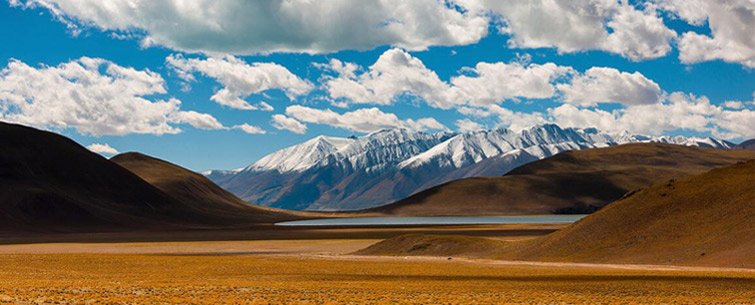
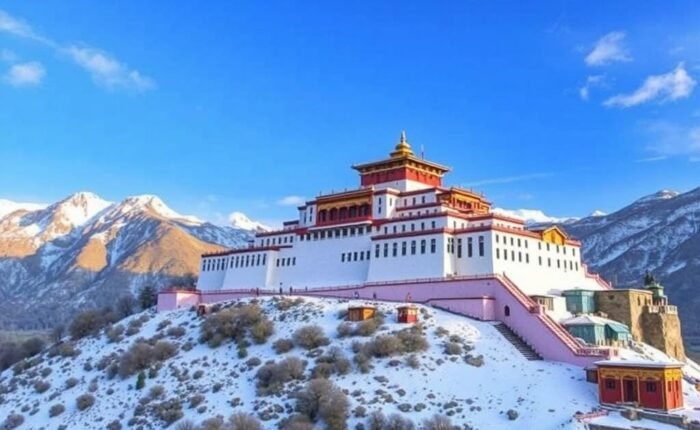
Understanding Tibet’s Weather Patterns For Travel: Executive Summary: Planning a trip to Tibet requires understanding the exceptional weather patterns that shape this region. Located on the Tibetan Plateau, Tibet’s altitude and unique geography result in unpredictable climate conditions. Exploring Tibet means encountering diverse weather patterns, from the frigid temperatures of winter to the unpredictable intensity...Read More
Tibet, often referred to as the “Roof of the World,” is a mesmerizing destination that captivates travelers with its breathtaking landscapes, rich cultural heritage, and deep spiritual roots. From towering peaks and serene lakes to ancient monasteries and vibrant festivals, this unique region offers experiences that linger in your heart forever. However, visiting Tibet requires...Read More
Discover the Beauty of Tibet Tibet, often referred to as the “Roof of the World,” is one of the most enchanting destinations for travelers seeking awe-inspiring landscapes, rich cultural heritage, and an unparalleled spiritual experience. Nestled amidst the towering Himalayas and the Tibetan Plateau, Tibet offers a unique blend of ancient monasteries, stunning natural beauty,...Read More
Introduction to the Overland Adventure Traveling overland from China through Tibet into Nepal is widely regarded as one of the last great journeys on earth. This epic route takes you across vastly different worlds, starting in ultra-modern Chinese cities and climbing onto the high-altitude Tibetan plateau, finally descending into the lush Himalayan valleys of Nepal....Read More
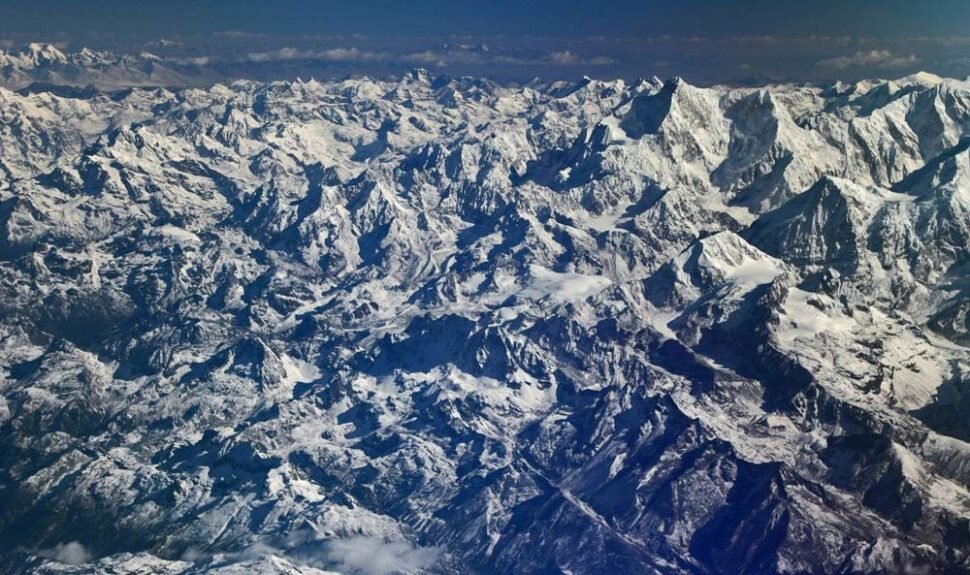
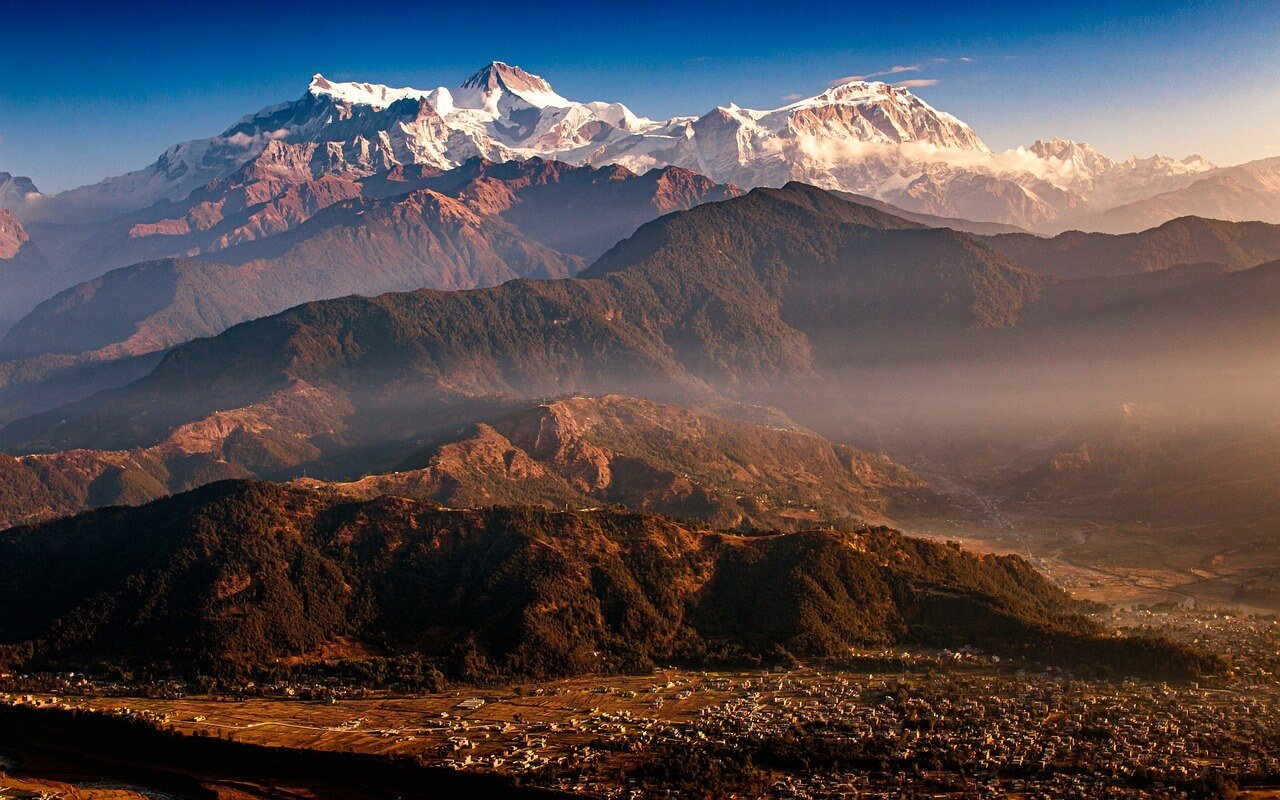
Title: The Ultimate Adventure: Nepal, Tibet, and Bhutan Introduction: Embark on a life-changing journey to the realm of the Himalayas, where pristine beauty, ancient cultures, and spiritual traditions intertwine. The Ultimate Adventure awaits in Nepal, Tibet, and Bhutan, where you will discover the world’s highest peaks, sacred monasteries, serene landscapes, and resilient people. Prepare to...Read More
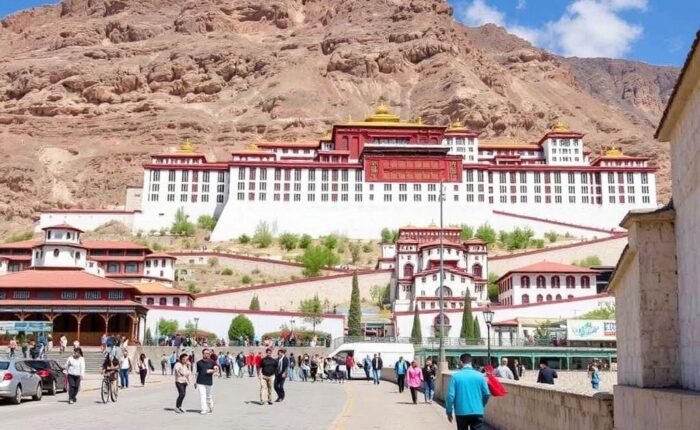
Tibet, often referred to as the Roof of the World, is a land of mystical beauty, profound spirituality, and a rich cultural heritage. Whether you’re a seasoned traveler, a spiritual seeker, or a culture enthusiast, Tibet offers an array of must-visit places that will leave you spellbound. From ancient monasteries to towering mountains and sacred...Read More
Planning Your Tibet Tour: Duration and Itinerary Insights Tibet, a breathtaking region nestled in the majestic Himalayas, offers an unforgettable travel experience. When planning your Tibet tour, it’s essential to consider both the duration and the itinerary to make the most of your journey. 1. Duration: The duration of your Tibet tour largely depends on...Read More
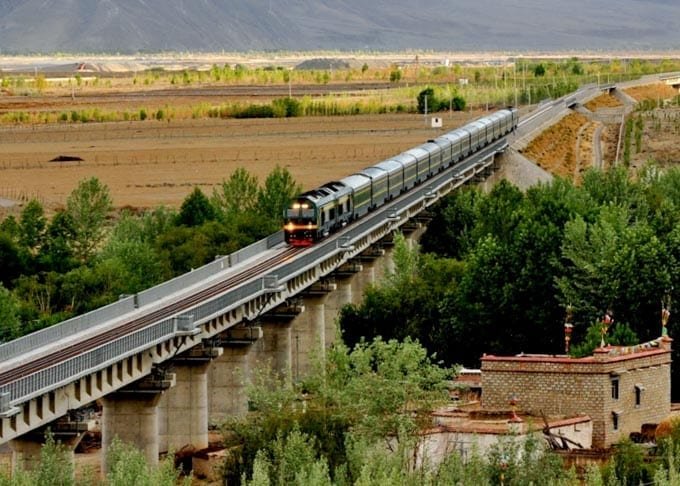
Embark on an awe-inspiring rail journey from Chengdu, the vibrant capital of Sichuan province, to Lhasa, the spiritual heartland of Tibet. This iconic railway line, known as the Qinghai-Tibet Railway, traverses some of the most breathtaking landscapes on Earth, offering a unique blend of natural wonders, cultural heritage, and engineering prowess. As the train departs...Read More
This 14-day tour of China takes travelers on an unforgettable journey through some of the most iconic and culturally rich destinations in the country. From the ancient imperial grandeur of Beijing to the historical wonders of Xi’an, the traditional village of Luo, the scenic beauty of the Yangtse River, and the vibrant metropolis of Shanghai,...Read More
Title: Customize Your Dream Tibet Tour Today Executive Summary Tibet is a truly magical place, filled with stunning natural beauty, rich culture, and fascinating history. A trip to Tibet is an experience that will stay with you forever, and there is no better way to see this incredible region than on a customized tour. Introduction...Read More
Planning a trip to Tibet is a blend of excitement and careful paperwork; the region’s high plateau, deep monasteries, and dramatic passes pull travelers in, but getting there requires preparation. This guide explains, step by step, how to travel to Tibet from the United Kingdom, covering visas, permits, routes, health precautions, and practical tips for...Read More
Planning a trip to Lhasa from America combines logistical precision with a sense of pilgrimage: high plateau landscapes, centuries-old monasteries, and a culture that moves at its own steady rhythm. This guide walks you through paperwork, routes, health preparations, and on-the-ground tips so the journey feels like a well-managed adventure rather than an ordeal. Read...Read More
Tibet, known as the “Roof of the World,” captivates travelers with its vast high-altitude landscapes, sacred monasteries, and legendary sites such as Mount Kailash and Everest Base Camp. For UK travelers in 2026, Tibet remains accessible only through organized tours, but improved international connections and clearer visa procedures make the journey smoother than ever. With...Read More
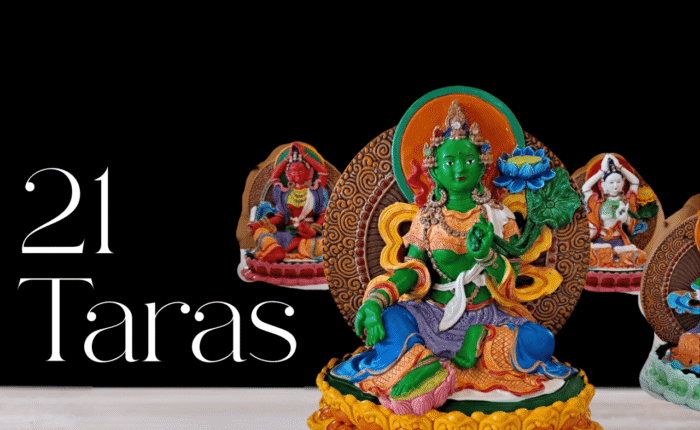
Tara: The Revered Deities in Vajrayana Buddhism Tara, known in Tibetan as “sgrol-ma” and commonly called Drolma, is one of the most beloved deities in Tibetan Vajrayana Buddhism. She is revered as a Buddhamother, symbolizing limitless compassion, swift action, and the power to liberate beings from suffering. The name Tara originates from Sanskrit and carries...Read More
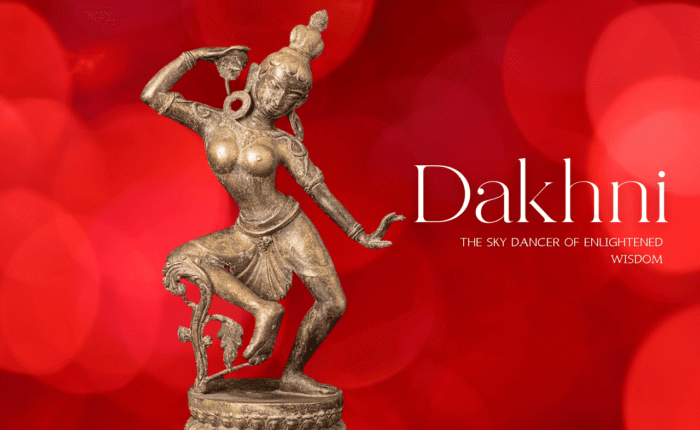
Dakini in Tibetan Buddhism: The Sky Dancer of Enlightened Wisdom In Tibetan Buddhism, the Dakini, literally meaning “sky dancer” or “space goer,” is a central and deeply revered figure in Vajrayana practice. She is commonly known as the Vajra Dakini or Wisdom Dakini, and in Tibetan she is called Khandro. Dakinis are not merely symbolic...Read More
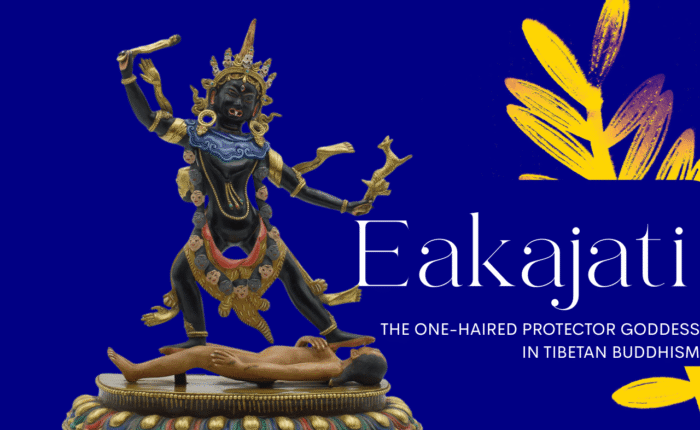
Ekajati: A Unique Deity of Protection in Buddhism Ekajati, widely known as the “One-Haired Mother”, is one of the most mysterious and powerful protector goddesses in Buddhist tradition. Originating in Indian Buddhism, she is revered as a principal guardian deity and is often presented alongside two important longevity goddesses: Ushnishavijaya and White Tara. Together, these...Read More
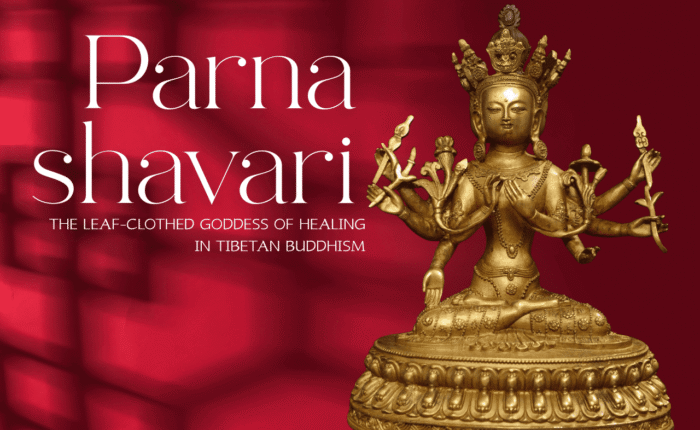
Parnashavari in Tibetan Buddhism: The Leaf-Clothed Mother of Healing In Tibetan Buddhism, Parnashavari is revered as the “Leaf-Clothed Mother”, a powerful healing goddess known for her ability to protect beings from diseases, epidemics, and unseen harmful forces. She holds a vital position as one of the most important messenger goddesses, serving as a swift intermediary...Read More
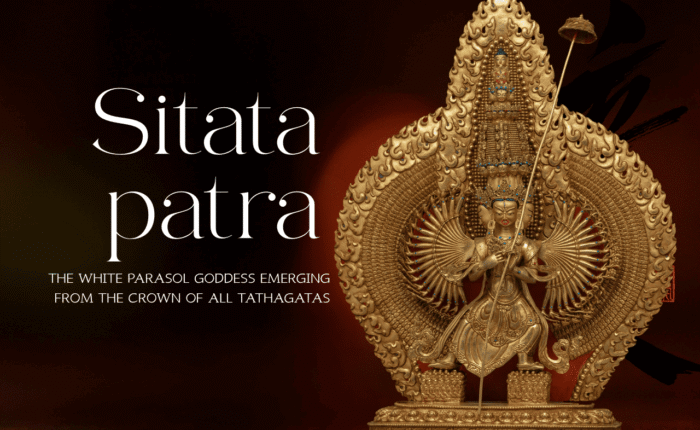
The White Parasol Goddess in Tibetan Buddhist Tradition In Tibetan Buddhism, the White Parasol Goddess, known in Tibetan as Dukkar (གདུགས་དཀར་), is one of the most powerful and revered protective deities. She is formally titled “The White Parasol Goddess Emerging from the Crown of All Tathagatas”, a name that emphasizes her origin from the enlightened...Read More
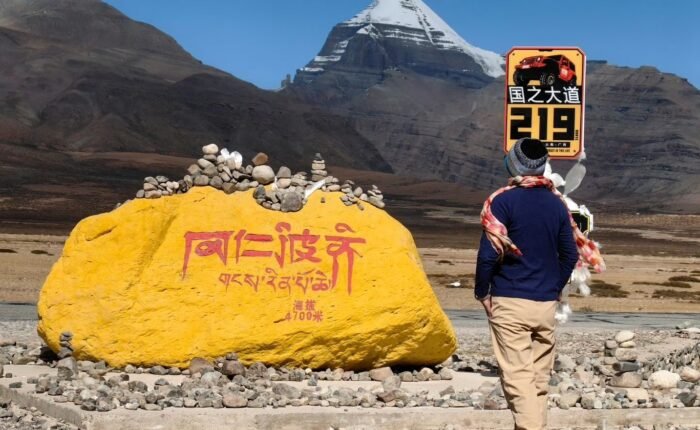
Mount Kailash, located in western Tibet, is one of the most sacred pilgrimage sites on Earth. Revered by Hindus, Buddhists, Jains, and Bon followers, the mountain is believed to be the spiritual center of the universe. Pilgrims undertake the 52 km Mount Kailash kora (circumambulation) and usually combine it with a visit to Lake Mansarovar,...Read More
Exploring Tibet: A Journey to the Roof of the World with Group Tours Tibet, often referred to as the “roof of the world,” is one of the most captivating destinations on Earth. Known for its stunning landscapes, rich culture, and profound spirituality, Tibet has attracted adventurers, spiritual seekers, and travelers from around the globe for...Read More